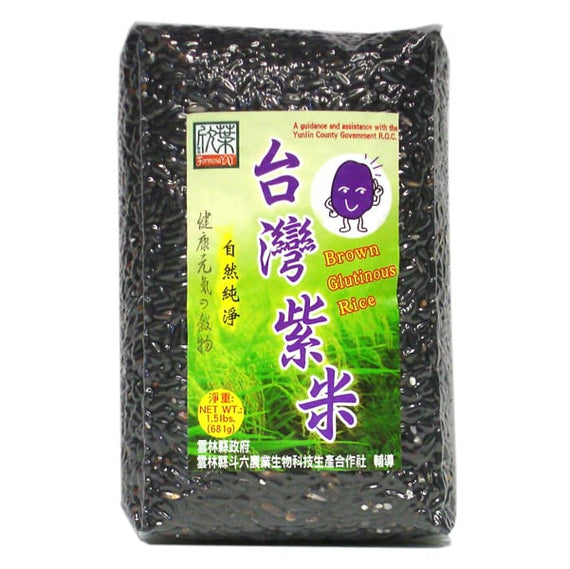
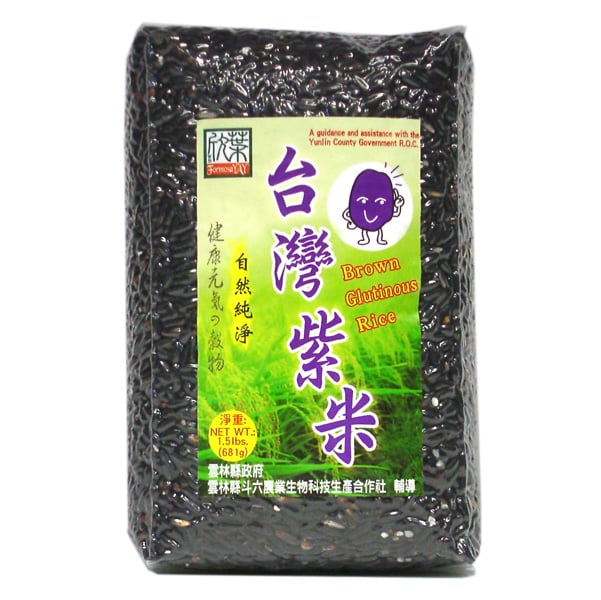
Glutinous Purple Rice: The Royal, Nutrient-Packed Sticky Rice
Often shrouded in a veil of mystery and royalty, glutinous purple rice is far more than just a colorful grain—it's a nutritional powerhouse and a cultural cornerstone across Asia. Let's demystify this stunning ingredient.
The Name & The Grain: What Exactly Is It?
-
"Glutinous" = Sticky, Not Gluten: Just like glutinous millet, "glutinous" here refers to its high amylopectin starch content, which gives it a signature chewy, sticky texture when cooked. It is naturally gluten-free.
-
"Purple" = Anthocyanin Power: Its deep, royal purple-to-black hue comes from a high concentration of anthocyanins, the same potent antioxidants found in blueberries, blackberries, and acai. The color intensifies when cooked.
-
Identity: It is a whole-grain heirloom variety of rice (Oryza sativa L.) where the bran, germ, and endosperm are all intact. It is not "black rice" or "forbidden rice," though these terms are often used interchangeably. True Chinese "Forbidden Rice" is usually a non-glutinous black rice, while Thai "Black Sticky Rice" is the glutinous purple variety.
Why It's a Superfood (The Science)
The combination of its whole-grain nature and pigmentation makes it exceptional:
-
Antioxidant Superstar: Its anthocyanins help combat oxidative stress and inflammation in the body.
-
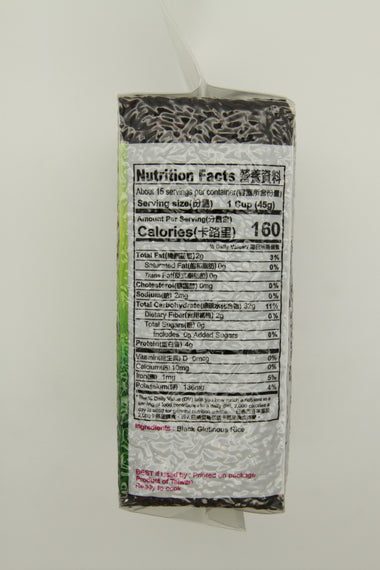
High in Fiber & Protein: Compared to white rice, it has significantly more fiber (supporting gut health) and plant-based protein.
-
Rich in Iron & Minerals: A good source of iron, magnesium, and zinc.
-
Low Glycemic Index (GI): Its fiber and protein content, along with its whole grain form, cause it to be digested more slowly, leading to a gentler rise in blood sugar than white sticky rice.
The Traditional Chinese Medicine (TCM) Perspective
In TCM, foods are valued for their color, taste, and energetic properties. Glutinous purple rice holds a special place:
-
Color & Organ Connection: Its deep purple/black color is associated with the Kidneys, the root of our vital essence (Jing) and the governing system for bones, marrow, and reproductive health.
-
Properties & Actions: It is considered sweet and neutral. It is believed to:
-
Nourish the Blood (Xue) and improve circulation.
-
Tonify the Kidneys and strengthen the lower back.
-
Benefit the Liver (which stores blood).
-
A Tonic Food: It is historically consumed as a strengthening food for postpartum recovery, the elderly, or those experiencing fatigue or weakness related to blood or kidney deficiency.
Culinary Uses: From Dessert to Savory
Its stunning color and chewy texture make it incredibly versatile.
1. The Iconic Sweet Treat: Purple Sticky Rice with Coconut Milk
A classic Southeast Asian dessert. The rice is soaked, steamed until tender, and served warm with a drizzle of rich, slightly salty coconut cream and fresh mango. The balance of sweet, salty, creamy, and chewy is sublime.
2. Nourishing Congee & Porridge
Simmered for a long time with extra water or broth, it makes a profoundly nourishing, porridge-like congee. Often combined with goji berries, longan, or red dates to enhance its blood-tonifying properties in TCM dietary therapy.
3. Savory Stuffings & "Zongzi"
Its sticky texture makes it perfect for holding fillings together. It's the traditional rice used in Zongzi—Chinese sticky rice dumplings wrapped in bamboo leaves, stuffed with meats, mushrooms, or beans, and steamed.
4. Vibrant Rice Bowls & Salads
Mix cooked purple sticky rice with regular rice for a colorful, nutrient-dense base for grain bowls. Its chewiness adds great textural contrast in salads with crisp vegetables and a tangy dressing.
How to Cook It Perfectly
Important: It requires different handling than white rice.
-
Soak, Don't Skip: Always soak for a minimum of 4 hours, preferably overnight. This is non-negotiable for even cooking and achieving the right texture.
-
Rinse: Drain and rinse the soaked rice until water runs clear.
-
Steam, Don't Boil: The best method is steaming. Place the soaked rice in a steamer basket over boiling water for 30-45 minutes until tender. You can also use a rice cooker with a "sticky rice" setting or a pot with a very low water-to-rice ratio (about 1:1) and cook on very low heat, tightly covered.
-
Rest: Let it sit, covered, for 10 minutes after cooking to finish steaming.
Final Thought: Glutinous purple rice is where profound nutrition, ancient wisdom, and captivating culinary artistry meet. It turns a simple meal into a feast for the senses and a conscious act of nourishment. Whether you're making a decadent dessert or a healing porridge, you're partaking in a tradition that honors food as both medicine and celebration.