Product successfully added to your shopping cart

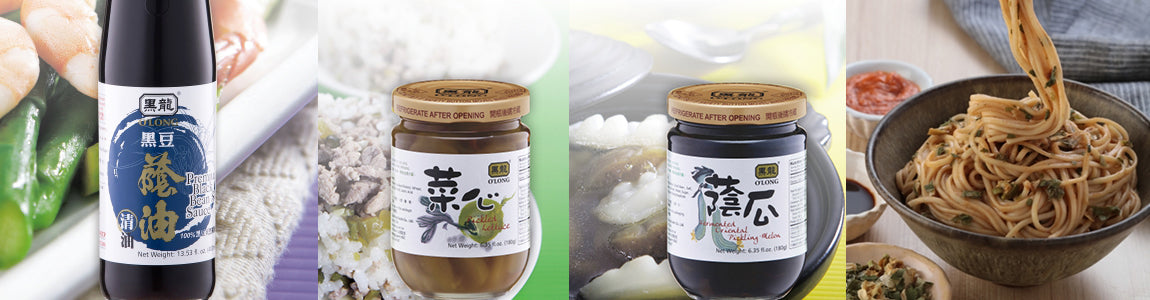
Cantonese Soy Sauce Pan-Fried Noodles (豉油皇炒面)
The Ultimate Guide to 豉油皇炒面 (Soy Sauce King Fried Noodles)
Origin Story: A Taste of Hong Kong's Soul
豉油皇炒面 (pronounced "see yau wong chao min") is a Cantonese classic that emerged from Hong Kong's dai pai dongs (open-air food stalls) in the mid-20th century. The name translates to "Soy Sauce King Fried Noodles"—not because it contains a special "king" sauce, but because the soy sauce preparation is so exceptional it reigns supreme. It represents the essence of Cantonese wok hei (breath of the wok)—that smoky, charred flavor achieved through high-heat stir-frying.
Unlike American-style stir-fries with abundant vegetables and proteins, this dish is noodle-forward, celebrating the texture and flavor of the noodles themselves, enhanced by a perfectly balanced soy-based sauce.
The Foundation: Choosing Your Noodles
Traditional Choice (Asian Markets):
-
Thin Hong Kong-style egg noodles (黃色蛋麵) - These are par-boiled, then oiled. They come in rectangular nests.
-
Look for: "Wai Wai" brand or fresh noodles in the refrigerator section labeled "pan fry noodles" or "chow mein noodles."
US Supermarket Alternatives:
-
Thin spaghetti or angel hair (surprisingly authentic when prepared right)
-
Ramen noodles (discard the seasoning packet)
-
Lo mein noodles in the refrigerated section
Preparation Key:
-
Cook noodles to al dente (slightly undercooked) since they'll fry further
-
Rinse in cold water, drain WELL, then toss with 1 tsp sesame oil to prevent sticking
-
Spread on a tray to dry slightly while you prep other ingredients
The Sacred Sauce Ratio
The sauce is deceptively simple but requires precision. Mix in a bowl BEFORE cooking:
Base Ratio (for 2 servings, ~8oz dried noodles):
-
3 tablespoons light soy sauce (NOT low-sodium)
-
1 tablespoon dark soy sauce (for color and subtle sweetness)
-
1 tablespoon oyster sauce
-
1 teaspoon sugar (dissolves completely in sauce)
-
½ teaspoon white pepper
-
2 tablespoons water or Shaoxing wine
Optional but Recommended:
-
½ teaspoon sesame oil (added AFTER cooking)
-
Few drops of Maggi Seasoning (the secret weapon)
Essential Equipment
-
Carbon steel wok OR large cast-iron skillet (12-14 inches minimum)
-
High-output burner (if using home stove, wait until wok is smoking hot)
-
Long cooking chopsticks OR tongs + spatula
-
Prep bowls (mise en place is CRITICAL)
Ingredients List (2 servings)
Main:
-
8 oz Hong Kong egg noodles or substitute
-
4 oz bean sprouts (washed, dried thoroughly)
-
4 scallions, cut into 2-inch sections
-
2 cloves garlic, minced
-
Optional protein: 4 oz shrimp or chicken (thinly sliced)
For Cooking:
-
3 tablespoons neutral oil (peanut, vegetable, or canola)
-
1 tablespoon reserved for finishing
Step-by-Step Technique
Phase 1: Preparation (Mise en Place)
-
Cook noodles per package, rinse, drain, oil, and spread to dry
-
Mix sauce in bowl, set aside
-
Prep vegetables, keep bean sprouts EXTREMELY dry
-
Organize everything within arm's reach of stove
Phase 2: The High-Heat Dance
Step 1: Season the Wok (if using carbon steel)
-
Heat wok over highest heat until smoking
-
Add 1 tablespoon oil, swirl to coat, pour out (this seasons and prevents sticking)
Step 2: Fry the Aromatics
-
Add 2 tablespoons fresh oil
-
Immediately add garlic, stir 10 seconds until fragrant but not brown
-
Add white parts of scallions, stir 15 seconds
Step 3: The Critical Noodle Add
-
Add noodles in one layer if possible
-
Let sit for 30 seconds WITHOUT stirring to develop slight char
-
Then toss and separate with chopsticks
Step 4: Sauce Integration
-
Clear center of wok, pour sauce directly onto hot surface
-
Let bubble 5 seconds, then toss noodles vigorously to coat
-
Continue tossing 1-2 minutes until sauce reduces and coats evenly
Step 5: Vegetable Finish
-
Add bean sprouts and scallion greens
-
Toss just 30-45 seconds—sprouts should remain crunchy
-
Drizzle with 1 teaspoon sesame oil, final toss
Phase 3: Serving
-
Immediately transfer to plates
-
Garnish with optional fried shallots or sesame seeds
-
Serve HOT—this dish waits for no one
Heat Level & Timing
-
Preheat time: 3-5 minutes until wok smokes
-
Total cooking time: 4-5 minutes maximum
-
Key temperatures:
-
Wok surface: 400°F+ (test by flicking water—should evaporate instantly)
-
Noodle fry: Medium-high to high constant heat
-
Final toss: Highest possible heat
-
Pro Tips for Beginners
-
DRY IS CRITICAL: Wet noodles = steamed noodles, not fried. Pat sprouts dry, drain noodles thoroughly.
-
Don't overcrowd: Cook in batches if doubling recipe
-
The sauce sizzle: When sauce hits hot wok, it should immediately caramelize
-
Continuous motion: Use your wrist, not just your arm
-
Taste and adjust: After plating, taste one noodle. Need more salt? Add few drops light soy. Need depth? Dot with dark soy.
Troubleshooting
| Problem | Solution |
|---|---|
| Noodles sticking | Wok not hot enough before adding oil; insufficient oil |
| Soggy noodles | Ingredients too wet; heat too low; overcrowded wok |
| Not smoky enough | Higher heat; let noodles char slightly before tossing |
| Too salty | Reduce light soy by 1 tbsp next time; add pinch of sugar to balance |
| Bland | Increase heat for better caramelization; add pinch of MSG (optional) |
The "Wok Hei" Hack for Home Cooks
If your stove can't get hot enough:
-
Preheat wok in 500°F oven for 10 minutes
-
Transfer to stove on highest heat
-
Proceed immediately with cooking
Cultural Context
This isn't just "noodles with soy sauce." Each element has purpose:
-
Light soy: Saltiness and primary flavor
-
Dark soy: Color and subtle molasses notes
-
Oyster sauce: Umami depth and slight viscosity
-
White pepper: Cantonese signature spice
Serve with hot Chinese tea to cut the richness. In Hong Kong, this is breakfast, lunch, or late-night comfort food.
Final Wisdom
豉油皇炒面 is a technique-driven dish more than an ingredient-driven one. Your first attempt might not be perfect, but by the third, you'll develop the rhythm. Listen to the sound—it should be a loud, vigorous sizzle throughout. Watch the noodles—they should "dance" in the wok. Smell the aroma—it should make your neighbors curious.
Remember: in Cantonese cooking, heat is an ingredient. Respect it, master it, and you'll create not just noodles, but edible wok poetry.
Happy cooking! 慢慢煮 (Cook slowly with care)—even when cooking fast.
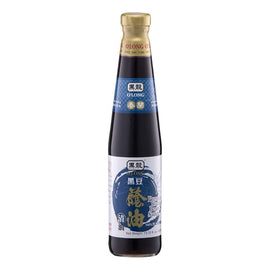
O’Long Premium Black Bean Soy Sauce — Regular (特級春蘭黑豆蔭油清) — 400ml O’Long’s entry into pure-brewed Taiwanese black bean soy sauce. The Regular (清, clear/thin) grade...
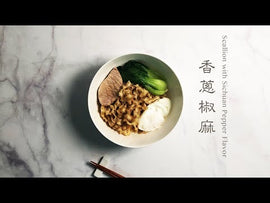
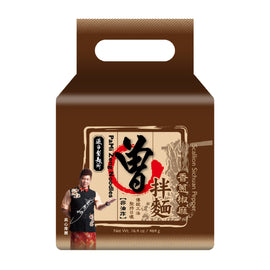
PaMi Zeng Scallion & Sichuan Pepper Noodles 曾拌麵 香蔥椒麻 Enjoy thick, chewy Taiwanese-style noodles tossed with aromatic scallion oil and a savory Sichuan-pepper sauce. This...
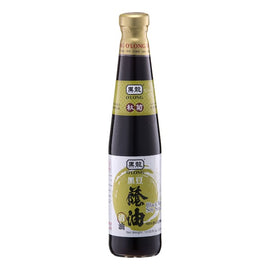
O’Long Black Bean Soy Sauce — Regular (秋菊黑豆蔭油清) — 400ml O’Long’s everyday workhorse black bean soy sauce. The Qiuju (秋菊, “Autumn Chrysanthemum”) grade is O’Long’s...
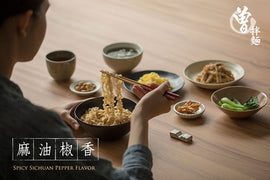
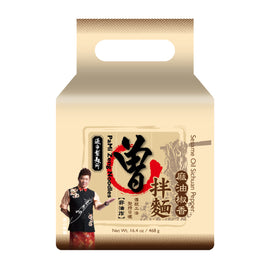
PaMi Zeng Sesame Oil & Sichuan Pepper Noodles 曾拌麵 麻油椒香 Enjoy thick, wavy Taiwanese-style noodles coated in aromatic sesame oil and a savory Sichuan-pepper sauce....
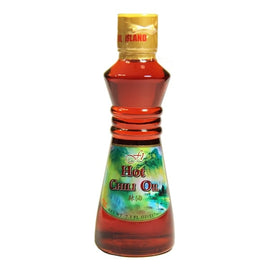
Fruitful Island Hot Chili Oil — 217ML (福壽 辣油) Bold, fiery, and intensely flavoured. Fruitful Island Hot Chili Oil is a pantry essential for anyone...
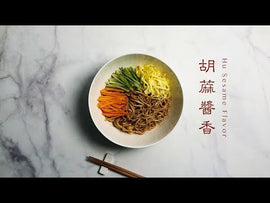
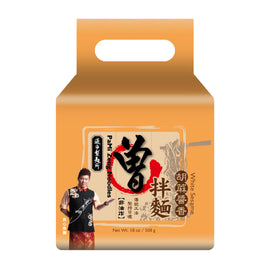
PaMi Zeng White Sesame Flavor Noodles 曾拌麵 胡麻醬香 Enjoy thick, wavy Taiwanese-style noodles coated in a rich, aromatic white sesame sauce. This four-pack delivers a...
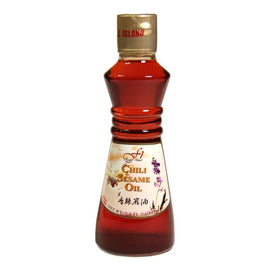
Fruitful Island Chili Sesame Oil — 217ML (福壽 香辣麻油) The warm, nutty richness of sesame oil with a bold spicy chili kick. Fruitful Island Chili...
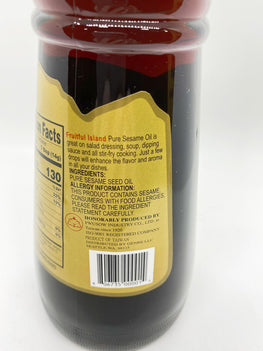
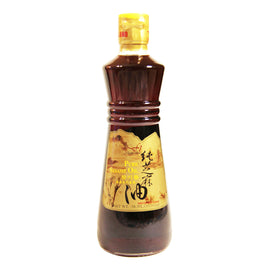
Fruitful Island Pure Sesame Oil — 543ML (福壽 純芝麻油) 100% pure sesame oil — no additives, no blending. The same trusted Fruitful Island purity in...


Koon Chun Superior Oyster Flavor Sauce 冠珍蠔油皇Bring rich, savory depth to everyday cooking with Koon Chun Superior Oyster Flavor Sauce. This classic Hong Kong condiment...
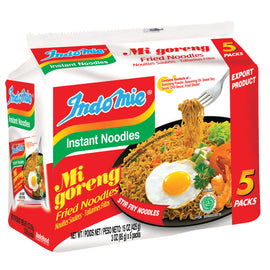
Indomie Mi Goreng Original Stir-Fried Noodles 營多撈麵 原味幹撈麵 — 5 Packs (85g each) The world's most iconic instant noodle, in a 5-pack. Indomie Mi Goreng...
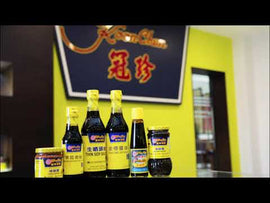
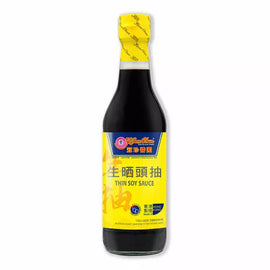
Koon Chun Thin Soy Sauce (Raw, Sun-Dried) 冠珍生晒頭抽Bring bright, savory soy flavor to everyday cooking with Koon Chun Thin Soy Sauce. Made in Hong Kong...


Koon Chun Red Vinegar 冠珍大紅浙醋 Bring a bright, mellow sweet-tart note to dumplings, noodles, seafood, salads, and quick pickles. Koon Chun Red Vinegar adds color...
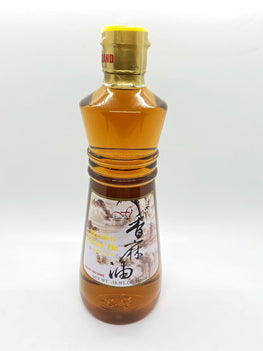
Fruitful Island Blended Sesame Oil — 543ML (福壽 香麻油) A lighter, more versatile sesame oil blend in a generous 543mL bottle. Fruitful Island Blended Sesame...
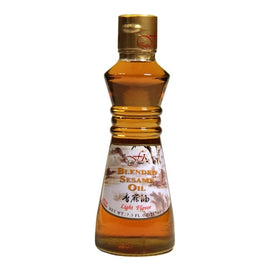
Fruitful Island Blended Sesame Oil — 217ML (福壽 香麻油) A lighter, versatile sesame oil blend for everyday Asian cooking. Fruitful Island Blended Sesame Oil delivers...
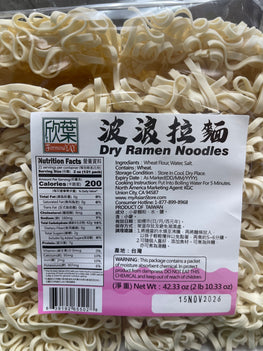
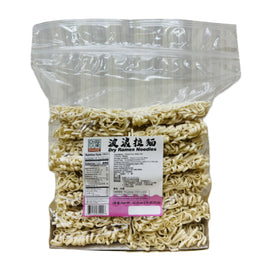
Formosa Yay Wavy Dry Ramen Noodle (欣葉 波浪拉麵) – 2.65lb Resealable PackThe versatile wavy noodle for every preparation. Formosa Yay's (欣葉) Wavy Dry Ramen Noodle...
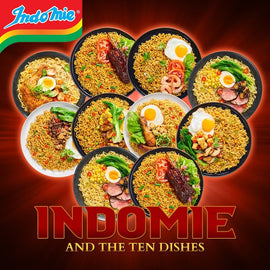
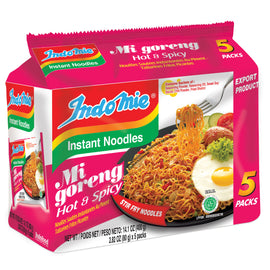
Indomie Mi Goreng Hot & Spicy 營多樯麵 香辣乾樯麵 5 Packs (400g) Indonesia’s iconic stir-fried instant noodle, now with heat. Indomie Mi Goreng balances sweet kecap...
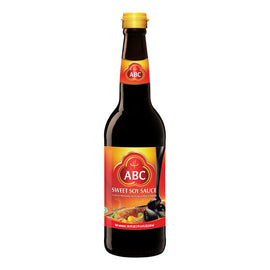
ABC Sweet Soy Sauce (Kecap Manis) 甜醬油 — 21 ozThe iconic Indonesian sweet soy sauce. ABC Kecap Manis is Indonesia's most beloved sweet soy sauce...
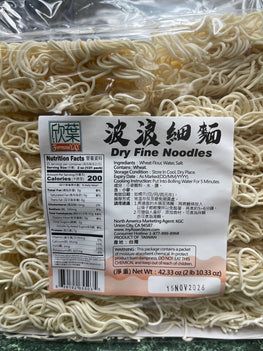
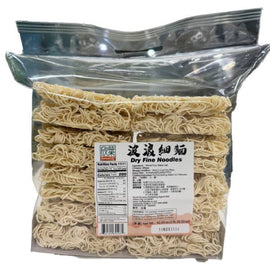
Formosa Yay Wavy Fine Noodle (欣葉 波浪細麵) – 2.65lb Resealable PackThe delicate, quick-cooking wavy noodle. Formosa Yay's (欣葉) Wavy Fine Noodle (波浪細麵) is a thin,...


Pearl River Bridge Delicious Light Soy Sauce 珠江橋特級鮮味生抽 — 500mlThe essential Chinese all-purpose soy sauce. Pearl River Bridge Delicious Light Soy Sauce (珠江橋特級鮮味生抽) is a...


Tung Chun Chow Mein Soy Sauce (Gan Chao Chi You Wang) 同珍干炒豉油王 — 500mlThe purpose-built soy sauce for Cantonese dry-fried noodles. Tung Chun Chow Mein...
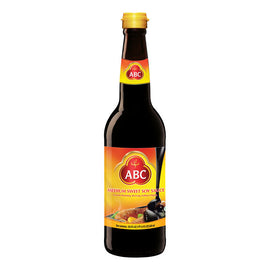
ABC Medium Sweet Soy Sauce 中甜醬油 — 21oz (595ml)Indonesia's iconic thick sweet soy sauce — Kecap Manis — naturally sweetened with sun-dried palm sugar and...