Product successfully added to your shopping cart

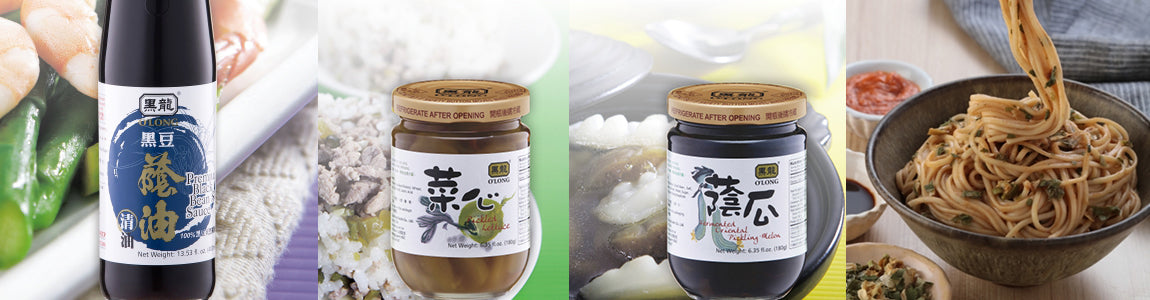
Hot sauce / oils
Hot Sauces: The Complete Guide to History, Making Your Own, and Global Flavors
The Fiery History of Hot Sauce
Hot sauce traces its roots back over 6,000 years to Mesoamerica, where indigenous peoples domesticated the first chili peppers. The Aztecs created early versions using ground chilies, water, and herbs. When Columbus brought peppers back to Europe in the 15th century, he mistakenly called them "peppers" while searching for black pepper trade routes—a naming error that stuck.
The modern hot sauce industry ignited in 1807 when Massachusetts residents began producing bottled cayenne pepper sauces. But the true revolution came in 1868 when Edmund McIlhenny, a Louisiana banker, planted Mexican Capsicum frutescens peppers and created Tabasco®—the first commercially successful hot sauce still produced today using the same recipe and aging process in oak barrels.
The 20th century saw regional styles emerge: Louisiana-style cayenne/vinegar sauces, Caribbean fruit-based scorpion pepper concoctions, and Asian fermented chili pastes. Today, the global hot sauce market exceeds $3 billion, fueled by the "heat wave" of artisanal producers and chilihead culture.
How Hot Sauce Is Made: From Farm to Bottle
Basic Components:
-
Chilies: The soul—fresh, dried, fermented, or smoked
-
Acid: Vinegar (white, apple cider, rice), citrus juice, or fermented brine
-
Aromatics: Garlic, onion, herbs, spices
-
Preservatives: Salt, sugar, vinegar (for shelf stability)
Commercial Production Process:
Step 1: Pepper Selection & Preparation
Peppers are sorted by heat level (measured in Scoville Heat Units), washed, and stems removed. Some sauces use single varieties (like habanero-only); others blend multiple peppers.
Step 2: Fermentation (Traditional Method)
For fermented sauces like many Mexican or Korean styles:
-
Chilies are mixed with salt and sometimes other vegetables
-
Packed into barrels or vats with airlocks
-
Ferment for 30 days to several years
-
Develops complex, umami flavors and natural preservation
Step 3: Cooking & Blending
-
Chilies are cooked with vinegar/water to soften
-
Pureed with other ingredients in industrial blenders
-
Simmered to meld flavors and pasteurize
Step 4: Aging
Premium sauces (like Tabasco) age in barrels for up to 3 years, developing smoother, more integrated heat.
Step 5: Straining & Bottling
Sauce is strained for smooth texture or left chunky, then hot-filled into sterilized bottles.
Make Your Own Hot Sauce: 3 Methods
Quick Vinegar-Based Sauce (Beginner)
Ingredients:
-
1 cup fresh chilies (jalapeños, serranos, or habaneros)
-
1 cup white vinegar
-
4 garlic cloves
-
1 tbsp salt
-
1 tsp sugar (optional)
Method:
-
Safety first: Wear gloves! Remove seeds for milder sauce.
-
Blend all ingredients until smooth.
-
Simmer for 10 minutes.
-
Bottle in sterilized containers. Keeps 2-3 months refrigerated.
Fermented Hot Sauce (Intermediate)
Ingredients:
-
500g mixed chilies
-
4 garlic cloves
-
1 tbsp non-iodized salt per cup of water (for brine)
-
Optional: carrots, onions, fruit
Method:
-
Pack clean, whole chilies and aromatics into fermentation jar.
-
Cover with 3-5% saltwater brine, leaving headspace.
-
Use fermentation weight to keep submerged.
-
Cover with airlock lid. Ferment 2-4 weeks at room temperature.
-
Blend with some brine to desired consistency.
-
Bottle and refrigerate (lasts 6+ months).
Smoked & Charred Sauce (Advanced)
Ingredients:
-
10-15 large chilies (poblanos, jalapeños)
-
1 onion, quartered
-
4 tomatoes
-
2 tbsp lime juice
-
Salt to taste
Method:
-
Char chilies, onion, and tomatoes on grill or under broiler until blackened.
-
Steam in covered bowl 15 minutes, then peel skins.
-
Blend with lime juice and salt.
-
Strain for smooth texture.
-
Simmer 15 minutes, bottle.
Global Hot Sauce Tour: Flavors by Region
| Region | Signature Style | Key Ingredients | Heat Level | Iconic Examples |
|---|---|---|---|---|
| Louisiana, USA | Vinegar-forward, thin consistency, cayenne-based | Cayenne peppers, vinegar, salt | Medium | Tabasco, Crystal, Frank's RedHot |
| Mexico | Rustic, smoky, often charred | Arbol, chipotle, pasilla chilies, tomatoes | Medium-Hot | Valentina, Cholula, Tapatío |
| Caribbean | Fruity, tropical, with Scotch bonnet/habanero | Scotch bonnet, mango, papaya, allspice | Very Hot | Matouk's, Marie Sharp's (Belize) |
| Asia | Fermented, umami-rich, often paste-like | Bird's eye chilies, garlic, shrimp paste, soy | Variable | Sriracha (Thailand), Sambal (Indonesia) |
| Korea | Sweet-spicy, garlicky, gochujang-based | Gochugaru (flakes), fermented soybeans, rice syrup | Medium | Gochujang, Sempio sauces |
| Africa | Intensely hot, often with berbere spice blends | Piri piri, habanero, mustard, ginger | Very Hot | Peri-Peri (Mozambique), Harissa (N. Africa) |
| Specialty USA | Extreme heat, creative flavors, artisan approach | Ghost pepper, reaper, fruit, bourbon, coffee | Extreme | Secret Aardvark, Yellowbird, Hot Ones brands |
Understanding Heat: The Scoville Scale
| Rating (SHU) | Pepper Examples | Sauce Examples | Sensation |
|---|---|---|---|
| 0–1,000 | Bell pepper, pimento | Mild salsa, pepper sauce | Barely perceptible |
| 1,000–15,000 | Jalapeño, poblano, Tabasco pepper | Cholula, Texas Pete | Warm, tingly |
| 15,000–50,000 | Cayenne, serrano, some habaneros | Sriracha, Frank's RedHot | Noticeable heat, may cause sweating |
| 50,000–100,000 | Thai bird's eye, Scotch bonnet | Many Caribbean sauces | Strong, persistent burn |
| 100,000–350,000 | Habanero, ghost pepper (Bhut Jolokia) | Extra-hot specialty sauces | Intense, potentially painful |
| 350,000–1M+ | Carolina Reaper, Pepper X | "Extinction"-level novelty sauces | Extremely painful, use with extreme caution |
Note: SHU = Scoville Heat Units. Many commercial sauces blend peppers to control heat levels.
How to Choose the Right Hot Sauce for You
1. Identify Your Heat Tolerance
-
Beginner: 1,000–5,000 SHU (green Tabasco, mild Cholula)
-
Intermediate: 5,000–30,000 SHU (original Sriracha, Valentina)
-
Advanced: 30,000–100,000 SHU (habanero-based sauces)
-
Expert: 100,000+ SHU (ghost pepper, reaper sauces—handle with care!)
2. Match Sauce to Cuisine
-
Mexican Food: Vinegar-based red sauces (Tapatío) or smoky chipotle
-
Asian Food: Sriracha, Sambal Oelek, or sweet chili sauce
-
BBQ & Grilled Meats: Smoked pepper sauces or bourbon-infused varieties
-
Eggs & Breakfast: Louisiana-style cayenne sauces (Crystal, Frank's)
-
Pizza & Sandwiches: Garlic-forward sauces or classic red chili flakes
-
Seafood: Lemon or lime-based sauces, Caribbean fruit-forward styles
3. Consider Flavor Profile Beyond Heat
-
Vinegar-forward: Bright, tangy (Louisiana style)
-
Garlic-heavy: Pungent, aromatic (many Asian sauces)
-
Fruit-based: Sweet, tropical (mango-habanero, pineapple-scotch bonnet)
-
Smoked: Deep, earthy (chipotle, morita)
-
Fermented: Complex, funky (Korean gochujang, some artisanal sauces)
4. Texture & Consistency Matters
-
Thin/Vinegary: Good for sprinkling, marinades, soups
-
Thick/Pasty: Ideal for spreading, dipping, stir-fries
-
Chunky: Best as condiment or ingredient in cooking
-
Smooth: Versatile for all applications
5. Quality Indicators
-
Short ingredient lists: Peppers, vinegar, salt should lead
-
Natural preservatives: Vinegar, salt, fermentation
-
Glass bottles: Better for flavor preservation
-
Artisanal vs. commercial: Small-batch often has more complex flavors
Hot Sauce Health Benefits & Cautions
Benefits:
-
Capsaicin (the active compound) may boost metabolism
-
Can act as natural pain reliever (topical creams)
-
Rich in vitamins A and C (from fresh peppers)
-
May improve heart health and reduce blood pressure
-
Can clear sinuses and act as decongestant
Cautions:
-
Can trigger acid reflux or IBS in sensitive individuals
-
Extreme heat can cause gastric distress
-
Always wash hands after handling hot peppers
-
Never touch eyes or sensitive areas after handling
-
Start small—you can always add more heat!
The Future of Hot Sauce
Today's trends include:
-
Ghost pepper and beyond: Superhot varieties becoming mainstream
-
Craft fermentation: Kombucha-style fermented hot sauces
-
Unusual ingredients: Incorporating coffee, chocolate, exotic fruits
-
Low-sodium options: Health-conscious formulations
-
Regional rediscovery: Heirloom pepper varieties gaining popularity
Final Recommendations
For Your First Pantry:
-
All-Purpose Medium: Cholula or Tapatío
-
Asian Staple: Sriracha or Sambal Oelek
-
Vinegar Classic: Crystal or Louisiana Brand
-
Fruity Heat: A mango-habanero sauce
-
Extreme Option: One superhot sauce for occasional use
Pro Tip: Always sample a drop on a spoon before adding to your food. The flavor should enhance, not overpower. Remember—the best hot sauce isn't necessarily the hottest, but the one that brings you the most joy with every drop.
From ancient Mesoamerican tables to modern gourmet kitchens, hot sauce represents humanity's love affair with flavor and fire. Whether you're dabbling with jalapeños or braving the Carolina Reaper, there's a world of heat waiting to transform your meals from ordinary to extraordinary.
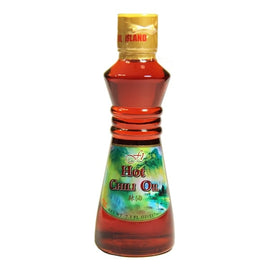
Fruitful Island Hot Chili Oil — 217ML (福壽 辣油) Bold, fiery, and intensely flavoured. Fruitful Island Hot Chili Oil is a pantry essential for anyone...
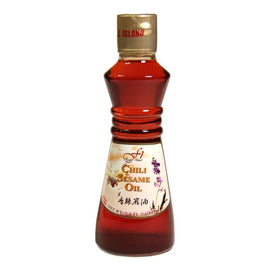
Fruitful Island Chili Sesame Oil — 217ML (福壽 香辣麻油) The warm, nutty richness of sesame oil with a bold spicy chili kick. Fruitful Island Chili...
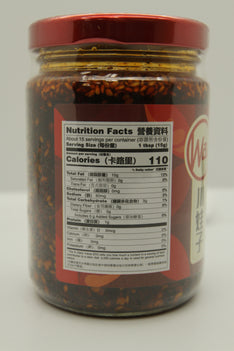
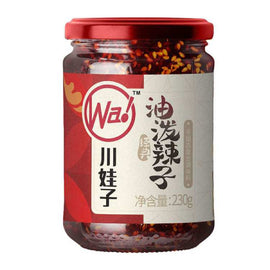
Chuan Wa Zi Chili Oil Sauce 川娃子 油潑辣子 — 230g Authentic Sichuan chili crisp — the real 油潑辣子 (“oil-splashed chili”). Chuan Wa Zi (川婃子) Chili...
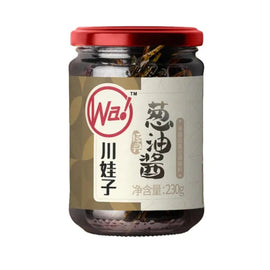
Chuan Wa Zi Shallot Oil Sauce 川娃子 蔥油醬 — 230g The fragrant, heat-free companion to chili oil. Chuan Wa Zi (川娃子) Shallot Oil Sauce (蔥油醬)...
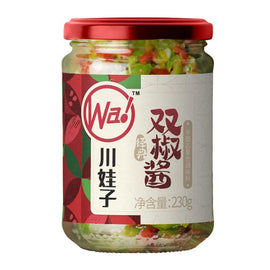
Chuan Wa Zi Double Pepper Chili Sauce 川娃子 雙椒醬 — 230g Bold, layered heat from two types of chili peppers. Chuan Wa Zi's Double Pepper...
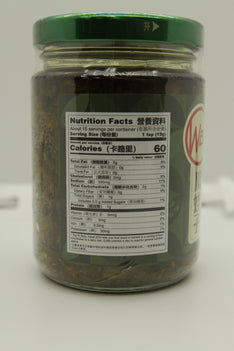
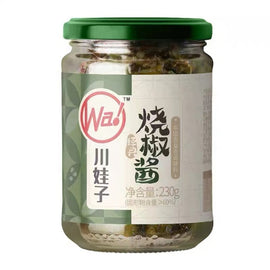
Chuan Wa Zi Roasted Chili Sauce 川娃子 燒椒醬 — 230g The deep, smoky, roasted chili flavor of Sichuan cooking in a jar. Chuan Wa Zi...


Golden Howard Hot Chili Mala Sauce (福華牌 麻辣醬) – 170gAuthentic Sichuan 麻辣 (“málà” — numbing-spicy) in a jar. Golden Howard's 福華牌 Mala Sauce is crafted...