Product successfully added to your shopping cart

ORGANIC
Organic Certification in Taiwan
What Does Organic Certification Mean in Taiwan?
In Taiwan, Organic Certification is a mandatory, government-backed verification system. It confirms that agricultural products, processed foods, and their production processes comply with the national Organic Agriculture Promotion Act and its strict technical standards. Products bearing the official organic seal are legally guaranteed to be produced without synthetic chemicals, GMOs, and according to sustainable practices.
Key Implications:
-
For Consumers: Provides legal assurance and traceability. The seal is a promise of authenticity.
-
For Producers/Farmers: A legal license to market products as "organic." Uncertified use of the term is illegal and punishable by heavy fines.
-
For the Environment: Promotes farming that maintains ecological balance.
The Legal Framework ("Three Laws, One Standard")
Taiwan's system is built on a clear legal foundation:
-
Organic Agriculture Promotion Act (有機農業促進法): The overarching law enacted in 2019.
-
Verification Management Rules: Details the procedures and requirements for certification.
-
Accreditation Body Rules: Governs the organizations authorized to conduct certification.
-
Organic Verification Standards (有機農產品有機農產加工品驗證基準): The detailed technical rulebook covering every step from soil management to packaging.
The Certification Process (Step-by-Step)
The process is rigorous and involves a mandatory transition period.
1. Application & Transition Period
-
Choose a Certification Body: Apply to one of the dozen-plus Council of Agriculture (COA)-accredited certifiers (e.g., MOA, TOPA, etc.).
-
Submit Farm Plan: Provide detailed documentation on farm history, management plans, and inputs.
-
Undergo Conversion: Land must undergo a 2-3 year transition period (depending on crop type). During this time, all organic standards must be followed, but products can only be labeled as "Transitional Organic."
2. Review, Inspection, & Testing
-
Document Review: The certifier evaluates the farm plan.
-
On-site Inspection: An inspector visits the farm to verify:
-
Soil and water conditions
-
Implementation of organic practices (crop rotation, pest management)
-
Buffer zones to prevent contamination
-
Record-keeping systems for all inputs and activities
-
-
Product Testing: Random residue testing may be conducted.
3. Approval & Labeling
-
Certification Decision: A committee reviews the inspection report.
-
Issuance of Certificate: Upon approval, a certificate valid for up to 3 years is issued.
-
Dual-Labeling System: Certified products must display:
-
The official Taiwan Organic Seal (國產有機標章).
-
The seal of the specific certification body.
-
A unique traceability code that consumers can enter on the COA's Organic Agriculture Information Integration System website to verify authenticity.
-
4. Ongoing Surveillance
-
Annual Inspections: Certified operations undergo at least one unannounced or scheduled inspection every year to maintain compliance.
-
Market Surveillance: Government authorities and certifiers conduct random product testing in the marketplace.
-
Re-certification: The full certification process must be repeated every 3 years to renew the certificate.
Special Cases: Processed Foods & Imports
-
Processed Organic Foods: The processing facility itself must be certified. Key rules include: using 100% certified organic ingredients, preventing cross-contamination, and using only permitted processing aids.
-
Imported Organic Products: Must comply via one of two paths:
-
Equivalence Agreement: From countries with mutual recognition agreements with Taiwan (e.g., the U.S., Canada, Australia, New Zealand). Products must bear that country's organic seal and proper Chinese labeling.
-
Local Re-certification: Be re-certified by a COA-accredited Taiwanese certification body to carry the Taiwan Organic Seal.
-
Governing Bodies & Enforcement
-
Regulator: The Council of Agriculture (COA), Executive Yuan is the top-level authority.
-
Accreditation & Oversight: The COA accredits and oversees private Certification Bodies that perform the actual audits.
-
Strict Penalties: Violations (e.g., fraudulent labeling or detection of prohibited substances) result in severe fines (up to several million NTD), certificate revocation, and public naming.
Key Takeaways for Consumers & Businesses
-
Mandatory: The label "Organic" is protected by law in Taiwan. Certification is not optional.
-
Trust the Seals: Always look for the dual-seal system (National Seal + Certifier Seal) with a traceability code.
-
Continuous Oversight: Certification requires annual surveillance audits and renewal every three years.
-
High Accountability: The system is designed for full supply-chain transparency and enforces strict legal penalties for non-compliance.
For verification, you can use the COA's official organic traceability website (usually in Chinese).
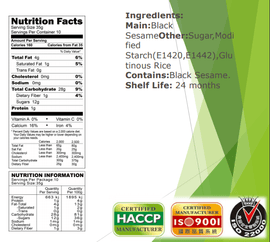
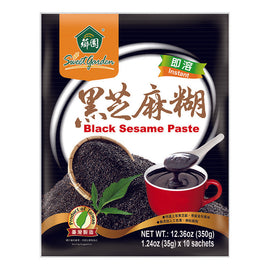
Sweet Garden Instant Black Sesame Paste Powder — 10 Sachets, 320g A pure, plant-based paste made entirely from black sesame — no fillers, no additives,...
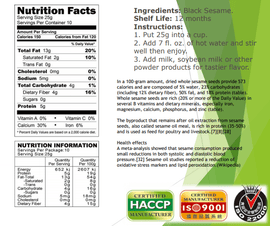
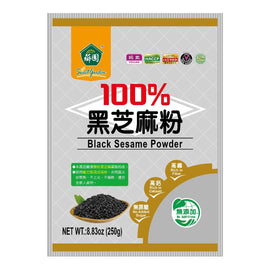
Sweet Garden 100% Black Sesame Powder — 10 Sachets, 320g A pure, plant-based powder made entirely from black sesame — no fillers, no additives, no...
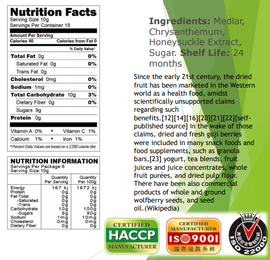
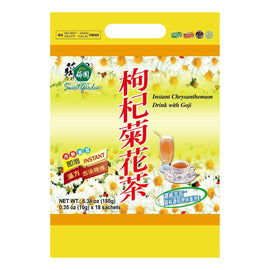
Sweet Garden Instant Chrysanthemum Drink with Goji 鄕園 枸杞菊花茶 180g (18 Sachets) A classic herbal pairing in a convenient instant sachet. Sweet Garden combines chrysanthemum...
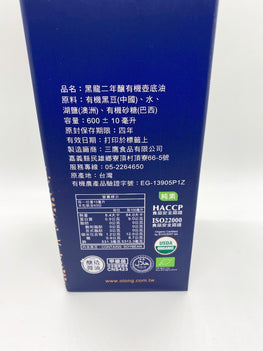
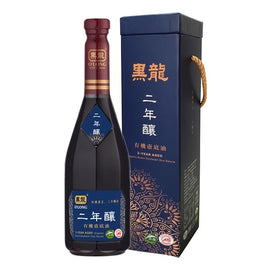
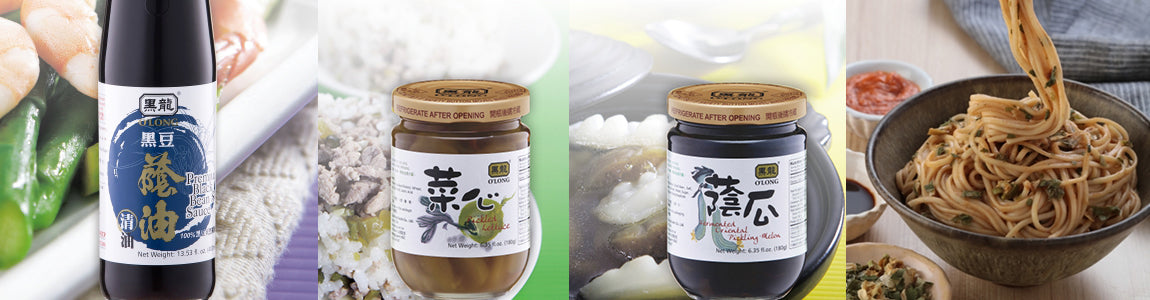
O Long 2-Year Aged Organic Black Soybean Soy Sauce 600mlO Long finest expression. Made from certified organic black soybeans, aged for a full two years,...
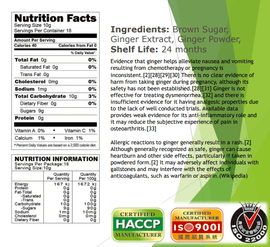
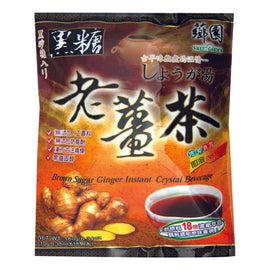
Sweet Garden Brown Sugar Ginger Instant Beverage – 18 SachetsA warming classic rooted in Traditional Chinese Medicine. Sweet Garden's Brown Sugar Ginger Instant Drink combines...
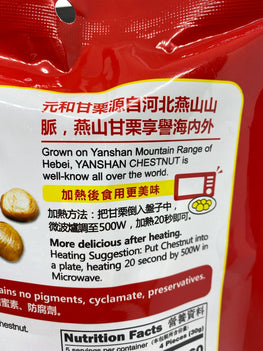
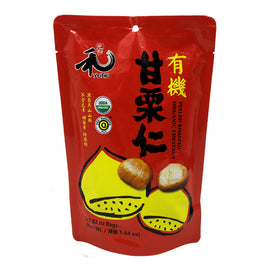
YUHO Organic Peeled Chestnuts (元和 有機甘栗仁) – 5.64oz / 159gReady-to-eat organic chestnuts, peeled and prepared for you. YUHO's Organic Peeled Chestnuts are certified organic, non-GMO,...
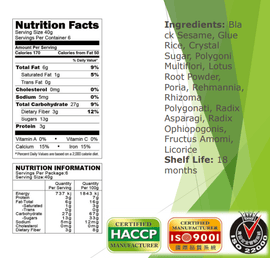
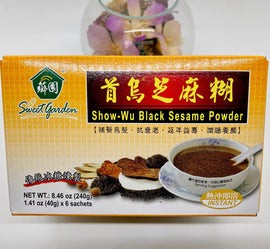
Sweet Garden He Shou Wu (首烏) Black Sesame Powder – 6 SachetsA time-honored TCM herbal blend crafted to nourish Kidney Essence, enrich Liver Blood, and...
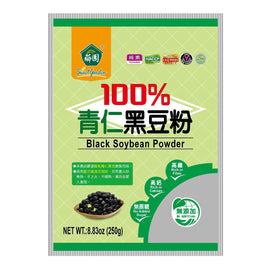
Sweet Garden 100% Black Soybean Powder 薌園 100% 青仁黑豆粉 — 10 Sachets, 320g A pure, plant-based drink made entirely from black soybean — no fillers,...
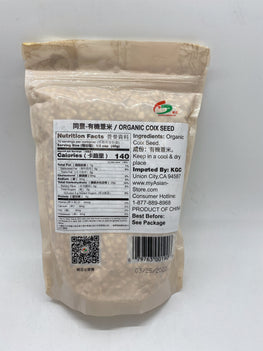
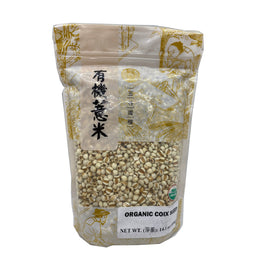
TF Organic Coix Seed — Yi Yi Ren 同豐 有機藜米 — 400gTCM's premier dampness-resolving grain. Coix Seed (Yi Yi Ren / 藜米仁, also known as...
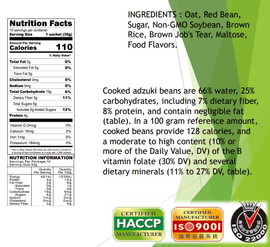
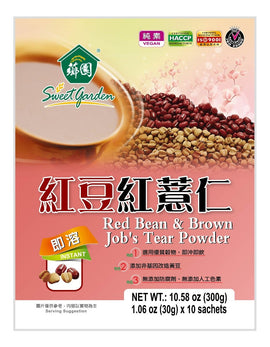
Sweet Garden Red Bean & Brown Job’s Tears Powder 薌園 紅豆紅薏仁 — 10 Sachets, 320g A wholesome, plant-based grain drink that combines red bean and...
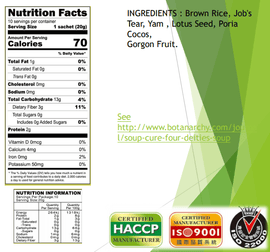
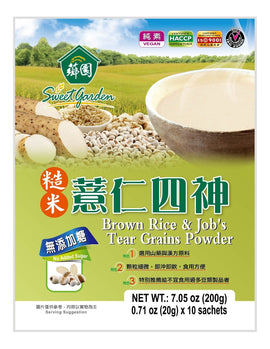
Sweet Garden Brown Rice & Job’s Tears Grains Powder 薌園 糙米薏仁四神 — 10 Sachets, 320g A wholesome, plant-based drink that combines the nutty richness of...


TF Organic Hulled Millet 同豐 有機小米 — 400gA clean, wholesome organic pantry grain with a mild, naturally nutty flavor. TF Organic Hulled Millet (有機小米) is...
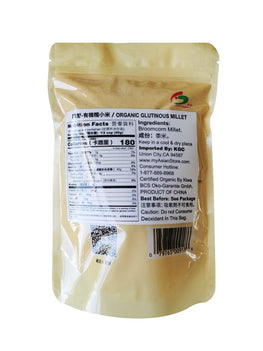
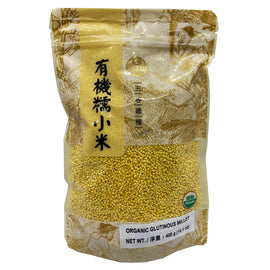
TF Organic Glutinous Millet 同豐 有機糯小米 — 400gA sticky, chewy, subtly sweet ancient grain — and despite the name, 100% gluten-free. TF Organic Glutinous Millet...
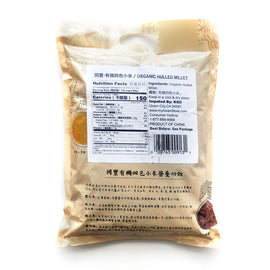
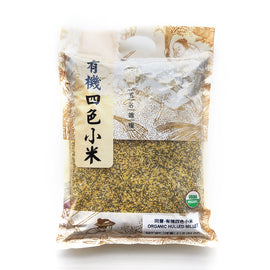
TF Organic Four-Color Hulled Millet 同豐 有機四色小米 — 4 lb小米含有多種維生素、氨基酸、脂肪和碳水化合物,營養價値較高。 A vibrant blend of four naturally colored millet varieties, each with its own subtle flavor...
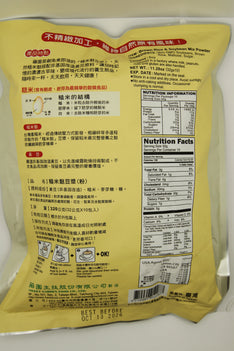
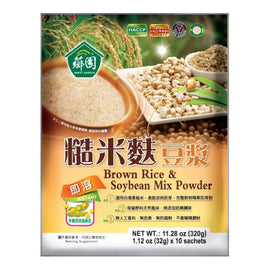
Sweet Garden Brown Rice & Soybean Mix Powder— 10 Sachets, 320g A wholesome, plant-based grain drink that combines the nutty richness of brown rice bran...
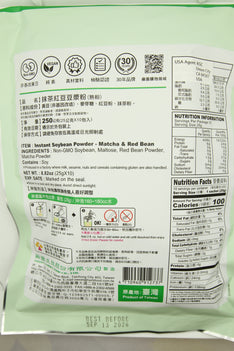
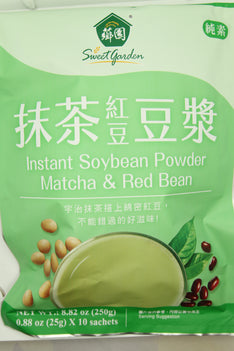
Sweet Garden Instant Soybean Powder with Matcha & Red Bean (抗茶紅豆豆漿) – 250gA delicious fusion of East Asian flavors in one nourishing instant drink. Sweet...