Product successfully added to your shopping cart

八宝粥 (Eight Treasure Congee)
八宝粥 (Eight Treasure Congee)
A Complete Guide to the Lucky, Nourishing Porridge
ORIGIN & SYMBOLISM
八宝粥 (Bābǎo zhōu), or "Eight Treasure Congee," is a festive porridge deeply rooted in Chinese Buddhist tradition and Lunar New Year celebrations. Its story is rich with cultural meaning:
-
Buddhist Beginnings: Originally called "labā zhōu" (腊八粥), it dates back over 1,000 years to Buddhist monasteries, where it was prepared on the 8th day of the 12th lunar month (腊八节, Laba Festival) as an offering and to feed the poor. The mixture of grains and dried goods symbolized the Buddha's enlightenment and the importance of simplicity and charity.
-
The "Eight Treasures":
The number 8 (八) is auspicious in Chinese culture, symbolizing prosperity and completeness. The "treasures" represent good fortune, health, and harmony. There's no single fixed recipe—each family or region uses their own combination, but the number eight is traditionally honored. -
Lunar New Year Significance:
Eating Eight Treasure Congee before the New Year symbolizes sweeping away the old and inviting blessings. The sweet taste represents hope for a sweet year ahead, while the sticky texture symbolizes family cohesion. -
Regional Variations:
-
Northern China: Often uses sorghum, millet, and red beans, with a less sweet, more grain-forward profile.
-
Southern China: Prefers lóngyǎn (longan), lotus seeds, and rock sugar, creating a sweeter, dessert-like congee.
-
Modern Interpretations: Some versions include 15+ ingredients for extra abundance, still called "八宝粥" as a symbolic name.
-
THE EIGHT CLASSIC "TREASURES" & THEIR MEANINGS
Each ingredient carries a wish for the eater:
-
糯米 (Nuòmǐ) – Glutinous Rice → Family unity (sticky texture binds together)
-
红豆 (Hóngdòu) – Red Beans → Luck and驱逐邪气 (ward off evil)
-
绿豆 (Lǜdòu) – Mung Beans → Longevity and health
-
莲子 (Liánzǐ) – Lotus Seeds → Fertility and many children
-
红枣 (Hóngzǎo) – Red Dates → Prosperity and sweetness in life
-
桂圆 (Guìyuán) – Longan → Reunion and harmony
-
花生 (Huāshēng) – Peanuts → Health and long life
-
薏米 (Yìmǐ) – Pearl Barley → Well-being and smooth life
BEGINNER'S RECIPE (Stovetop & Instant Pot)
INGREDIENTS (Serves 6-8)
Base Grains & Beans (Soak overnight for best texture):
-
½ cup glutinous rice (or sub with jasmine rice)
-
¼ cup pearl barley
-
¼ cup red beans (adzuki beans)
-
¼ cup mung beans
-
¼ cup peanuts (skin-on for tradition, blanched for milder taste)
Dried Fruits & Nuts (Add later):
-
8-10 dried red dates (jujubes), pitted
-
2 Tbsp dried longan (optional but traditional)
-
2 Tbsp lotus seeds (if available, soak separately 2 hours)
-
1-2 strips dried tangerine peel (陈果皮, optional but adds amazing aroma)
Sweeteners & Final Touch:
-
½ cup rock sugar (or brown sugar), adjust to taste
-
8 cups water (more if you like thinner congee)
-
1 tsp salt (enhances sweetness)
-
Optional garnish: toasted sesame seeds, chopped walnuts, goji berries
STEP-BY-STEP COOKING METHOD
Traditional Stovetop Method (2-3 hours):
Step 1: Soak & Prep
-
Soak all grains and beans (except dried fruits) in plenty of water for at least 8 hours or overnight. This reduces cooking time and ensures even softness.
-
Drain soaking water.
Step 2: First Boil
-
In a large heavy-bottomed pot, add soaked grains/beans and 8 cups fresh water.
-
Bring to a rolling boil, then reduce to a low simmer.
-
Partially cover (leave a crack to prevent overflow) and simmer for 1.5 hours, stirring occasionally to prevent sticking.
Step 3: Add Fruits & Sweeten
-
Add red dates, longan, lotus seeds, and tangerine peel. Continue simmering for another 45 minutes until everything is tender and the congee has a creamy, thick consistency.
-
Stir in rock sugar and salt until dissolved. Taste and adjust sweetness.
Step 4: Final Texture
-
For smoother texture: Use a potato masher to lightly break up some beans.
-
For thinner congee: Add hot water in ½ cup increments.
-
Remove tangerine peel before serving.
Instant Pot Method (1 hour total):
-
No need to soak if using IP, but soaking still improves texture.
-
Add all grains, beans, and fruits (except sugar) + 6 cups water to pot.
-
High pressure for 30 minutes, natural release for 15 minutes.
-
Open, stir, add sugar, and use "Sauté" function to adjust thickness if needed.
CRITICAL TIPS FOR PERFECT CONGEE
-
Soaking is Non-Negotiable: Especially for red beans and glutinous rice—otherwise they'll never soften properly.
-
Low and Slow: Congee should barely bubble while simmering. High heat will burn the bottom.
-
Water Ratio: Traditional = 1 part grains : 10-12 parts water. Modern = 1:8 for thicker texture.
-
Salt Secret: A pinch of salt (even in sweet congee) balances and enhances sweetness.
-
Don't Skip the Dried Tangerine Peel: It adds a subtle citrus aroma that cuts through the richness. Find it at Chinese herb stores.
ADAPTATIONS FOR WESTERN KITCHENS
Substitutions (When Asian Markets Are Far):
-
Red beans (adzuki) → Small red kidney beans
-
Glutinous rice → Arborio rice or short-grain rice
-
Longan → Raisins or dried apricots (chopped)
-
Lotus seeds → Shelled pumpkin seeds or almonds
-
Pearl barley → Regular barley or steel-cut oats
-
Rock sugar → Light brown sugar + 1 tsp maple syrup
Dietary Versions:
-
Vegan: Use all plant-based ingredients (already is, traditionally).
-
Gluten-free: Ensure your grains are certified GF (oats, rice, beans).
-
Lower sugar: Reduce sugar by half, add extra dates for natural sweetness.
Modern Twists:
-
Breakfast version: Add coconut milk and fresh fruit.
-
Savory version: Omit sugar, add soy sauce, sesame oil, shredded chicken, and scallions.
-
Quick weeknight: Use cooked rice + canned beans, simmer 20 minutes with dried fruits.
SERVING & STORAGE
-
Serve warm in bowls, garnished with extra dates, goji berries, or a drizzle of coconut milk.
-
Traditional pairing: With savory side dishes like pickled vegetables (榨菜) or steamed buns.
-
Storage: Keeps refrigerated for 5 days—it thickens when cold; thin with water when reheating. Freezes well for up to 3 months.
WHY THIS DISH MATTERS
八宝粥 is more than food—it's edible culture. Making it connects you to centuries of tradition, Buddhist compassion, and family hope. Unlike precise restaurant dishes, this congee welcomes improvisation—use what you have, honor the spirit of "eight treasures," and make it your own.
"A bowl of Eight Treasure Congee is like life: simple ingredients, long simmering, and ultimately sweet when shared."
Whether for Laba Festival, New Year's, or a comforting winter day, this porridge nourishes both body and spirit. 慢慢享用! (Enjoy slowly!)
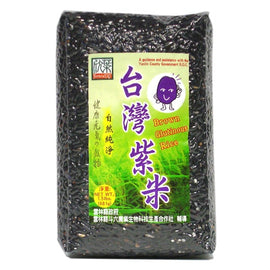
Formosa Yay Taiwan Brown Glutinous Purple Rice 台灣欣葉 台灣紫米 680g Whole-grain, naturally purple sticky rice grown in Taiwan. The deep purple-black color comes from anthocyanins...
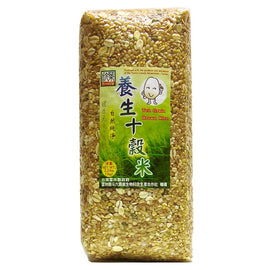
Formosa Yay Taiwan Ten Grain Brown Rice 台灣欣葉 養生十穀米 2.2lb (1kg) A premium multi-grain whole grain blend combining ten grains — including brown rice, black...
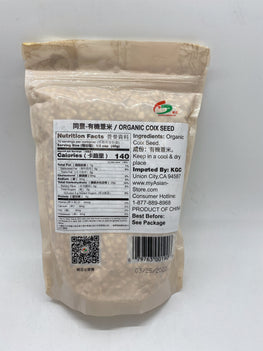
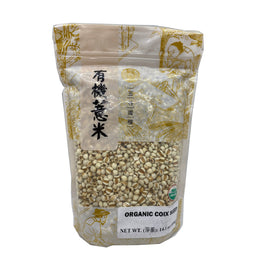
TF Organic Coix Seed — Yi Yi Ren 同豐 有機藜米 — 400gTCM's premier dampness-resolving grain. Coix Seed (Yi Yi Ren / 藜米仁, also known as...
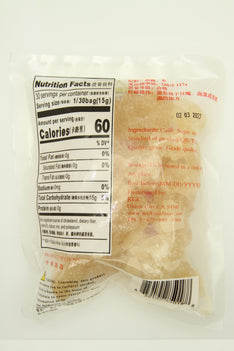
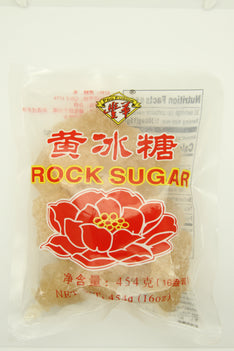
Profusion Rock Sugar 豐華 黃冰糖 — 454gA kitchen staple across Chinese households. Profusion Yellow Rock Sugar (黃冰糖 / Bīng Táng) is made from crystallized and...
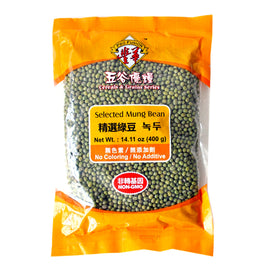
Pro Fusion Selected Mung Beans Non-GMO 豐華 非轉基因精選綠豆 — 400g無色素,無添加劑,非轉基因。 Carefully selected non-GMO mung beans with no colorants and no additives — a clean pantry...
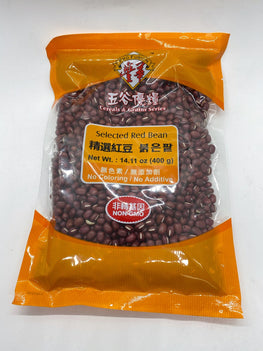
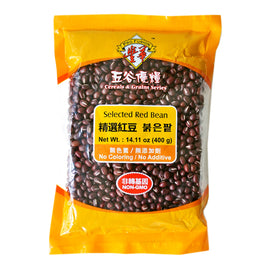
Pro Fusion Selected Red Bean Non-GMO 豐華 非轉基因精選紅豆 — 400g無色素,無添加劑,非轉基因。 Carefully selected non-GMO adzuki red beans with no colorants and no additives — a clean...
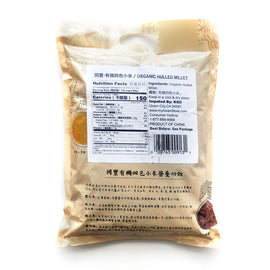
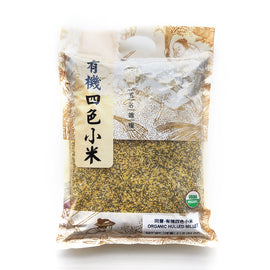
TF Organic Four-Color Hulled Millet 同豐 有機四色小米 — 4 lb小米含有多種維生素、氨基酸、脂肪和碳水化合物,營養價値較高。 A vibrant blend of four naturally colored millet varieties, each with its own subtle flavor...
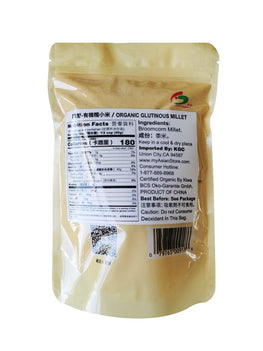
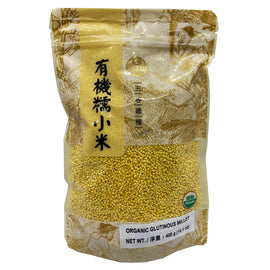
TF Organic Glutinous Millet 同豐 有機糯小米 — 400gA sticky, chewy, subtly sweet ancient grain — and despite the name, 100% gluten-free. TF Organic Glutinous Millet...
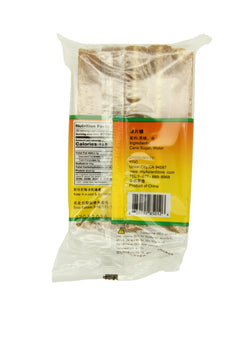
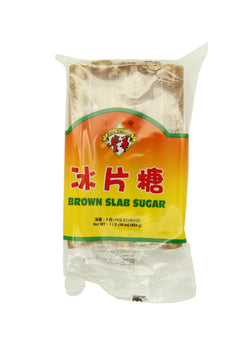
Profusion Brown Sugar Slab (豐華冰片糖) – Unrefined Cane Lump SugarA kitchen staple across East Asia and beyond. Profusion Brown Sugar Slab is an unrefined, minimally...