Product successfully added to your shopping cart

Shanghainese Rice Cakes (年糕, Nián Gāo)
Shanghainese Rice Cakes (年糕, Nián Gāo): The Savory Slice of Shanghai
What Makes Shanghainese Rice Cakes Unique?
Unlike Korean tteok (chewy, cylindrical) or Cantonese turnip cakes, Shanghainese rice cakes are thick, oval slices cut from dense, white logs made from non-glutinous japonica rice. Their texture is soft yet substantial with a satisfying chew, absorbing flavors beautifully while maintaining structural integrity. They're not sweet (despite the name "nian gao" which also refers to sweet New Year cakes)—these are savory, versatile, and a staple of Shanghainese home cooking.
Origin & Cultural Significance
-
Historical Roots: Originated around Suzhou/Shanghai region, with records dating to Spring-Autumn period (770–476 BC)
-
Name Meaning: 年糕 (nián gāo) sounds like "year high," symbolizing prosperity and growth in the new year
-
Everyday vs. Festive: While sweet nian gao is eaten during Lunar New Year, savory sliced rice cakes are eaten year-round
-
Comfort Food Status: The Shanghainese equivalent of pasta—beloved, filling, and endlessly adaptable
Identifying Authentic Shanghainese Rice Cakes
Visual & Texture Guide:
-
Shape: Oval discs, ~2-3 inches long, ¼-½ inch thick
-
Color: Pure white (no translucence)
-
Texture: Dense, firm when raw; becomes soft, slightly sticky, and chewy when cooked
-
Surface: Smooth with subtle grain pattern
Where to Buy in the US:
-
Chinese supermarkets (especially Shanghai-focused like 99 Ranch)
-
Refrigerator section (fresh) or freezer section (frozen)
-
Look for: "Shanghai Rice Cake," "Sliced Rice Cake," or "宁波年糕" (Ningbo-style, very similar)
-
Brands: Look for "Double Deer" or "Phoenix" brand in white packaging
Fresh vs. Frozen:
-
Fresh (refrigerated): Cook within 5-7 days, superior texture
-
Frozen: Keep 6 months, thaw before cooking
Essential Preparation Techniques
Pre-Cooking Prep (CRITICAL):
-
Separation: Fresh rice cakes often stick together. Gently pry apart slices.
-
Blanching (传统方法):
-
Bring water to rolling boil
-
Add rice cakes, cook 1-2 minutes until floating and slightly softened
-
Drain immediately, rinse with cold water to stop cooking
-
Drain thoroughly (prevents sticking and removes surface starch)
-
-
Alternative Soak Method:
-
Soak in room temperature water 15-20 minutes until pliable
-
Drain well before cooking
-
Texture Test:
Properly prepared rice cake should bend without breaking and have a slightly softened edge but firm center before stir-frying.
Signature Dishes & Recipes
1. Classic Shanghainese Rice Cake Stir-fry (上海炒年糕)
The ultimate comfort dish with pork, cabbage, and mushrooms
Ingredients (2-3 servings):
-
1 lb (450g) Shanghainese rice cakes, prepared
-
4 oz pork loin or shoulder, thinly sliced
-
6-8 fresh shiitake mushrooms, sliced
-
¼ Napa cabbage, sliced
-
2 cups baby spinach or bok choy
-
2 green onions, cut in 1-inch pieces
-
3 cloves garlic, minced
-
1-inch ginger, julienned
Marinade for Pork:
-
1 tsp light soy sauce
-
½ tsp cornstarch
-
½ tsp Shaoxing wine
-
Pinch white pepper
Sauce Mix:
-
2 tbsp light soy sauce
-
1 tbsp dark soy sauce (for color)
-
1 tsp sugar
-
½ tsp sesame oil
-
¼ tsp white pepper
-
½ cup chicken or pork broth
Cooking Method:
-
Marinate pork 15 minutes
-
Stir-fry pork in hot wok with 1 tbsp oil until no longer pink, remove
-
Sauté garlic, ginger 30 seconds until fragrant
-
Add mushrooms, stir-fry 1 minute
-
Add cabbage, stir-fry 2 minutes until slightly wilted
-
Add rice cakes and sauce mixture, toss to combine
-
Cover and simmer 2-3 minutes until rice cakes are tender and sauce thickens
-
Return pork, add spinach and green onions
-
Toss until spinach wilts (1 minute)
-
Serve immediately
Key Technique: The brief steaming/braising after adding sauce is crucial—it softens rice cakes without making them mushy.
2. Soup Version (汤年糕)
-
Use same ingredients but increase broth to 4 cups
-
Simmer rice cakes in broth until tender (5-7 minutes)
-
Lighter, comforting, often eaten for breakfast
3. Seafood Rice Cakes (海鲜炒年糕)
-
Substitute pork with shrimp and squid
-
Add a splash of oyster sauce to sauce mixture
-
Garnish with cilantro
Flavor Profile & Sauce Balance
Shanghainese cuisine is known for its "red-cooking" (红烧) style—savory, slightly sweet, with soy sauce base.
The Shanghainese Sweet-Savory Balance:
-
Soy Sauce Base: Light soy for salt, dark for color
-
Subtle Sweetness: 1-2 tsp sugar (not enough to taste sweet, just to round flavors)
-
Aromatic Foundation: Garlic, ginger, green onion
-
Umami Boost: Shiitake mushrooms, quality broth
-
Finish: Few drops of sesame oil
Proportion for 1 lb rice cakes:
-
Liquid (soy + broth): ¾ to 1 cup total
-
Oil: 2-3 tbsp (they absorb more than noodles)
-
Aromatics: Generous—this isn't subtle cooking
Wok Mastery: The Stir-Fry Technique
Heat & Timing:
-
High heat throughout (gas preferred)
-
Prep everything before firing wok
-
Cook in stages: protein → vegetables → rice cakes
-
Total cooking time: 8-10 minutes max
The Critical Stages:
-
Hot wok, cold oil until smoking
-
Quick sear on protein
-
Aromatics until fragrant (30 seconds max)
-
Vegetables by density (hardest first)
-
Rice cakes + sauce, then cover briefly
-
Final toss to combine
Texture Checkpoints:
-
After blanching: Firm but pliable
-
After simmering in sauce: Tender with slight chew (al dente pasta equivalent)
-
Final texture: Shouldn't be mushy or fall apart
American Kitchen Adaptations
Equipment Solutions:
-
No wok? Use large cast-iron skillet
-
Electric stove? Preheat pan 5+ minutes on highest setting
-
Small burner? Cook in batches
Ingredient Substitutions:
-
Shaoxing wine: Dry sherry or mirin
-
Dark soy sauce: Regular soy + ¼ tsp molasses
-
Fresh shiitake: Dried (soaked 30 minutes) or cremini mushrooms
-
Napa cabbage: Green cabbage or Brussels sprouts (sliced)
-
Pork: Chicken thigh or firm tofu
Common Mistakes & Troubleshooting
| Problem | Cause | Solution |
|---|---|---|
| Mushy rice cakes | Overcooked or soaked too long | Blanch 60 seconds max; stir-fry just until heated through |
| Hard centers | Not blanched/pre-softened | Always blanch or soak before stir-frying |
| Sticking together | Not separated enough or insufficient oil | Separate each slice; ensure wok is hot before adding |
| Bland flavor | Not enough sauce or insufficient reduction | Sauce should coat each piece; reduce slightly before serving |
| Soggy vegetables | Added too early or overcrowded wok | Cook vegetables quickly; don't overcrowd pan |
Pro Tips from Shanghai Home Cooks
-
The Finger Test: Properly blanched rice cake should yield to gentle pressure but not squish.
-
Leftover Magic: Day-old rice cakes make excellent pan-fried cakes—cook in butter until crispy edges.
-
Texture Variation: Mix fresh and dried rice cakes (the latter chewier).
-
Seasonal Twist: Spring—add bamboo shoots; Winter—add more cabbage.
-
The Shanghainese Secret: A tiny pinch of MSG (¼ tsp) or mushroom powder elevates umami authentically.
Cultural Notes & Eating Etiquette
-
Shared Dish: Always served family-style in center of table
-
Eating Style: Use spoon to scoop rice cakes and sauce together
-
Accompaniments: Simple soup (like seaweed egg drop) and pickled vegetables
-
Occasions: Everyday meal, not typically festival food (that's sweet nian gao)
-
Regional Pride: Shanghainese argue their rice cakes are superior to other regions'—denser, more substantial
Beyond Stir-Fry: Creative Uses
-
Rice Cake Hot Pot: Simmer in broth with meatballs, tofu, vegetables
-
Breakfast Cakes: Pan-fry with egg (like hash browns)
-
Casserole-style: Layer with meat sauce, bake until bubbling
-
Grilled: Brush with soy-honey glaze, grill until caramelized
-
"Risotto" Style: Cook slowly in broth like Italian risotto
Comparison to Other Rice Cakes
| Type | Texture | Best Cooking Method | Key Dishes |
|---|---|---|---|
| Shanghainese | Soft, substantial, chewy | Stir-fry with sauce | Shanghai stir-fry, soup |
| Korean (Garaetteok) | Springy, elastic | Simmer in spicy sauce | Tteokbokki |
| Japanese (Mochi) | Extremely sticky, stretchy | Grill, soup, sweet | Ozoni, grilled mochi |
| Cantonese (Turnip Cake) | Dense, pan-fried crisp | Pan-fry | Lo bak go (dim sum) |
Final Wisdom
Perfect Shanghainese rice cakes should have "韧劲" (rèn jìn)—resilient chew. They should absorb the sauce yet maintain their integrity, offering subtle rice flavor that complements rather than dominates.
Remember: Blanch, don't skip. Sauce, don't drown. Toss, don't mush.
The beauty is in the simplicity—quality rice cakes, fresh ingredients, balanced sauce. Once mastered, this becomes a 20-minute comfort meal that tastes like a Shanghai grandmother's kitchen.
慢慢吃! (Eat slowly and enjoy!)
P.S. Leftovers? Spread cooled rice cakes on tray, freeze individually, then bag. Reheat in skillet—they'll be nearly as good as fresh.
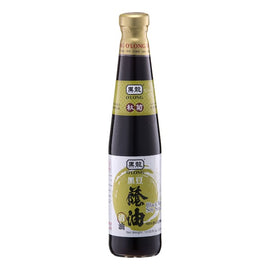
O’Long Black Bean Soy Sauce — Regular (秋菊黑豆蔭油清) — 400ml O’Long’s everyday workhorse black bean soy sauce. The Qiuju (秋菊, “Autumn Chrysanthemum”) grade is O’Long’s...
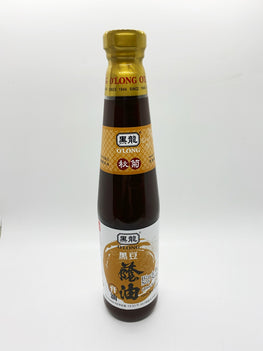
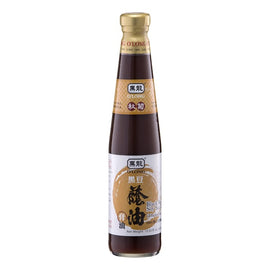
O’Long Black Bean Soy Sauce — Thick (秋菊黑豆蔭油膏) — 400ml The concentrated, thick-paste version of O’Long’s classic Qiuju black bean soy sauce. Where the Regular...
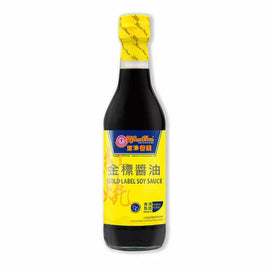
Koon Chun Gold Label Soy Sauce 冠珍金標醬油 A versatile everyday soy sauce for seasoning, cooking, and dipping. Koon Chun Gold Label sits between thin soy...
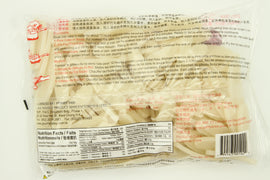
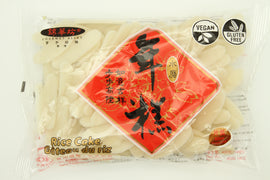
Gourmet Alley Wet Milled Rice Cake (年糕 / Nián Gāo) – 400gThe essential ingredient for Shanghainese stir-fries and Chinese New Year tradition. Gourmet Alley's Wet...