Product successfully added to your shopping cart

Instant Noodles
The Instant Noodle: A Global History, Science, and Flavor Guide
Part 1: The Humble Beginning – A Food Revolution in a Cup
The story of instant noodles is a tale of post-war ingenuity, accidental invention, and global cultural exchange. It begins not in a corporate lab, but in the bombed-out streets of post-World War II Japan.
The Inventor: Momofuku Ando
A Taiwanese-born Japanese businessman, Ando witnessed long lines for fresh ramen in a starving Osaka. Motivated by the question, "Why can't people have ramen anytime, easily?" he embarked on a mission to create a convenient, shelf-stable version.
The "Eureka!" Moment (1958)
After a year of trial and error in a backyard shed, Ando discovered the key: flash-frying. By steaming and seasoning noodles, then quickly deep-frying them, he accomplished two things:
-
Removed moisture, making them shelf-stable.
-
Created tiny pores that allowed hot water to rehydrate them in minutes.
He launched Chikin Ramen (chicken ramen) in 1958. Though initially a luxury item (more expensive than fresh udon), it caught on as a convenient, tasty meal during Japan's rapid economic growth.
Global Explosion: The Cup Noodle Innovation (1971)
Ando's second breakthrough came while visiting America. Seeing executives break his packaged noodles into a paper cup, he realized the container itself could be the cooking vessel. In 1971, Cup Noodles was born, complete with freeze-dried toppings. This made instant noodles truly portable, utensil-free, and globally marketable.
By the Numbers: A Global Phenomenon
Today, over 100 billion servings are consumed annually worldwide. China, Indonesia, Vietnam, and Japan lead in consumption. It's a staple in dorm rooms, emergency kits, and homes across the economic spectrum—a true democratizer of food.
Part 2: How Instant Noodles Are Made – The Science of Speed
The magic lies in a precise, industrialized process. Here’s how your average packet or cup comes to life:
Step 1: Creating the Noodle Dough
Wheat flour, water, salt, and kansui (an alkaline mineral water that gives ramen its springy texture and yellow hue) are mixed into a dough.
Step 2: Rolling and Cutting
The dough is rolled through successive sheeters to become thin sheets, which are then slit into the familiar noodle strands.
Step 3: Steaming
The noodles are steamed to cook the starch and protein, partially gelatinizing them.
Step 4: Seasoning & Cutting
The steamed noodles are tumbled in a seasoned sauce or powder (soy, miso, pork, etc.) for even coating, then cut into block portions.
Step 5: The Critical Drying Process
This is where methods diverge, creating key texture differences:
-
Traditional Flash-Frying: Noodles are quickly deep-fried in oil at 300-350°F (150-180°C) for 1-2 minutes. This rapidly evaporates water, creates the porous structure, and gives the classic "instant noodle" texture and flavor. The oil is often palm oil for its stability.
-
Air-Drying / Non-Fried: A healthier alternative. Noodles are dried slowly with hot air. This results in a denser, less porous noodle that takes slightly longer to cook and has a different mouthfeel.
Step 6: The Flavor Pack
The soul of the dish. This is a meticulously crafted blend of:
-
Powder: Salt, MSG (umami booster), sugar, spices, dehydrated meat/vegetable powder.
-
Oil/Sauce Pack: Rendered animal fat (lard, chicken fat), chili oil, sesame oil, or liquid seasoning.
-
Freeze-Dried Toppings: Vegetables, shrimp, meat, egg, or tofu—flash-frozen and vacuum-dried to retain color, shape, and some nutrients.
Step 7: Packaging
Noodle blocks and flavor packs are sealed in waterproof bags or placed in insulated polystyrene cups with toppings, ready for shipment.
Part 3: A Flavor Tour – Instant Noodles Around the World
Instant noodles have been passionately adopted and adapted by local palates.
| Country/Region | Signature Flavors & Styles | Iconic Brand/Example |
|---|---|---|
| Japan | Subtle, sophisticated broths: Shoyu (soy), Miso, Tonkotsu (pork bone), Seafood. Often includes katsuobushi (bonito) flakes. | Nissin Cup Noodles, Sapporo Ichiban |
| South Korea | Spicy, sweet, and complex. Gochujang (chili paste) and kimchi are stars. Often include a separate pack of dried seaweed. | Samyang Buldak ("Fire Chicken"), Shin Ramyun, Jin Ramen |
| China | Immense variety: Braised Beef, Spicy Szechuan Mala, Savory Pork Rib, Pickled Vegetable. Often features numbing Sichuan peppercorn. | Master Kong, Uni-President |
| Southeast Asia | Herbal, tangy, and aromatic. Tom Yum (Thailand), Soto (Indonesia), Laksa (Singapore/Malaysia), Beef Pho (Vietnam). Heavy use of lemongrass, galangal, lime. | MAMA (Tom Yum), Indomie Mi Goreng (fried noodles) |
| India | Masala-driven. Turmeric, cumin, coriander, and chili create vibrant, warming flavors. Often vegetarian. | Maggi Masala (a cultural institution) |
| United States | Bold, simple, cheesy. Chili, Beef, Chicken, and "Oriental" (a generic soy/vegetable flavor). Often sold in styrofoam cups. | Maruchan, Top Ramen |
| Mexico | Lime and chili are key. Flavors like Limón con Chile (Lime with Chili) and Chipotle are popular. Served with fresh lime. | Maruchan (localized flavors) |
| Nigeria | Spicy chili and pepper-based flavors, often with a distinct "smoky" note. A major staple food. | Indomie (hugely popular) |
Part 4: How to Pick Your Perfect Instant Noodle – A Connoisseur’s Guide
With thousands of options, choosing can be overwhelming. Use this framework to find your ideal bowl.
1. Define Your Craving & Purpose
-
Quick Lunch: Go for a reliable cup noodle.
-
Gourmet Experience: Seek out premium "restaurant-style" packs from Japan or Korea, often with multiple sauce packs.
-
Base for a Meal: Choose a simple flavor (like soy or chicken) to dress up with your own ingredients.
-
Heat Challenge: Look for Korean buldak (fire chicken) varieties with explicit Scoville ratings.
2. Decode the Packaging
-
"Stir-Fry" or "Mi Goreng": Meant to be drained and tossed with a seasoning oil/powder. Not soupy.
-
"Ramen" or "Soup Noodle": Intended for broth.
-
Spice Level: Look for chili icons. One pepper is mild; three peppers (or flames) will be intense.
-
Preparation Method: "Boil for 3-4 min" vs. "Add boiling water and steep for 5 min."
3. Consider Health & Dietary Needs (Read the Fine Print)
-
Sodium: The biggest concern. A single pack can contain 1500-2500mg of sodium (often 70-100%+ of the daily recommended limit). Tip: Use only half the seasoning packet, or add extra water and don't drink all the broth.
-
Fat: Fried noodles are higher in saturated fat (usually from palm oil). Air-dried or non-fried options are lighter.
-
MSG: Provides umami. While safe for most, some prefer to avoid it. Look for "No MSG Added" labels.
-
Allergens/Diet: Check for wheat (gluten), shellfish (in seafood flavors), meat derivatives (for vegetarians/vegans), and dairy.
4. Prioritize Quality Indicators
-
Multiple Seasoning Packs: Often signals a more complex, layered flavor (e.g., separate oil, powder, and vegetable packs).
-
Noodle Type: Fresh/crinkle-cut noodles in premium packs are superior to standard straight noodles.
-
Toppings: Freeze-dried corn, shrimp, or egg are good signs. The absence of any toppings indicates a very basic product.
5. The Upgrade Strategy: From Basic to Brilliant
The true joy of instant noodles lies in customization. Elevate any packet with:
-
Protein: Soft-boiled egg, leftover rotisserie chicken, shrimp, tofu, or sliced beef.
-
Fresh Veggies: Spinach, green onions, corn, bean sprouts, or mushrooms.
-
Aromatic Boost: Minced garlic, grated ginger, a drizzle of sesame oil or chili crisp.
-
Texture: Crushed peanuts, fried shallots, nori seaweed, or a pat of butter (a Japanese ramen hack).
Conclusion: More Than Just a Quick Meal
From its origins in a Japanese backyard to its status as a global comfort food, the instant noodle represents resilience, adaptation, and culinary creativity. It has fed students, fueled night shifts, provided disaster relief, and inspired gourmet chefs. Understanding its history, science, and global language of flavors allows you to appreciate it not just as a convenience, but as a unique culinary artifact—one where you, the eater, have the final say in making it your own.
The Ultimate Rule: There is no "best" noodle, only the best noodle for you, right now. Trust your craving, experiment fearlessly, and don't forget to add the egg.
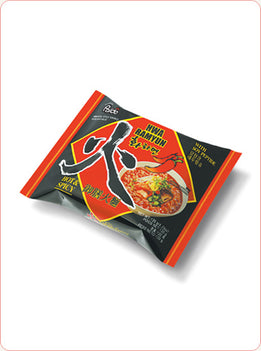
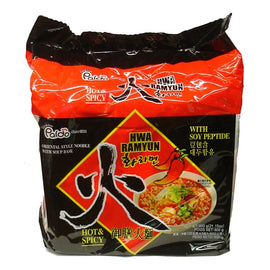
Paldo Hwa Hot & Spicy Ramyun 화라면 韓國八道 御膳火麵 5 Packs Paldo’s classic hot and spicy soup ramen — a rich, fiery broth with a...
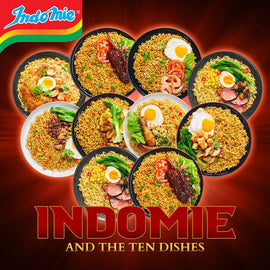
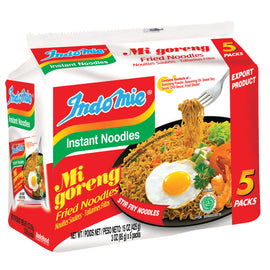
Indomie Mi Goreng Original Stir-Fried Noodles 營多撈麵 原味幹撈麵 — 5 Packs (85g each) The world's most iconic instant noodle, in a 5-pack. Indomie Mi Goreng...
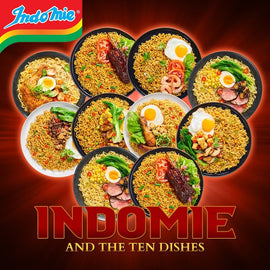
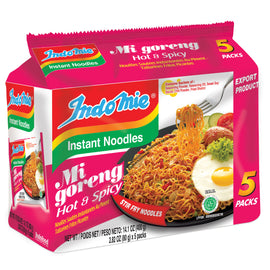
Indomie Mi Goreng Hot & Spicy 營多樯麵 香辣乾樯麵 5 Packs (400g) Indonesia’s iconic stir-fried instant noodle, now with heat. Indomie Mi Goreng balances sweet kecap...
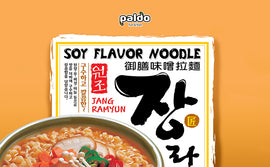
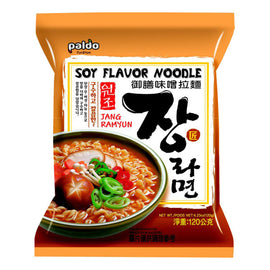
Paldo Jang Ramyun Soy Flavor (어산장라면 / 御膳味増拉麵) — 5 PackRich, savory, and deeply satisfying without the heat. Paldo Jang Ramyun is a soybean paste-based...
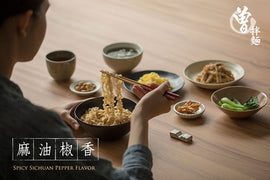
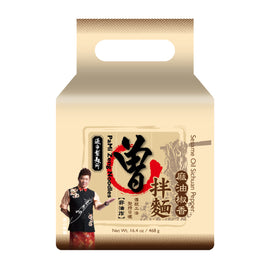
PaMi Zeng Sesame Oil & Sichuan Pepper Noodles 曾拌麵 麻油椒香 Enjoy thick, wavy Taiwanese-style noodles coated in aromatic sesame oil and a savory Sichuan-pepper sauce....
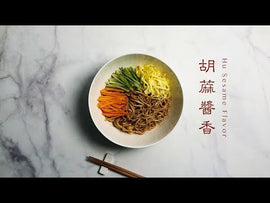
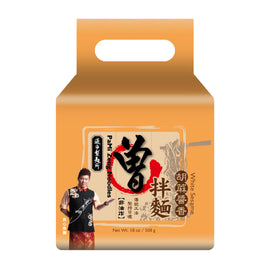
PaMi Zeng White Sesame Flavor Noodles 曾拌麵 胡麻醬香 Enjoy thick, wavy Taiwanese-style noodles coated in a rich, aromatic white sesame sauce. This four-pack delivers a...

Paldo Namja Ramen (남자라면) — 5 PackBold, hearty, and deeply satisfying. Paldo Namja Ramen (남자라면, literally “Man Ramen”) is Paldo’s signature beef ramen — a...
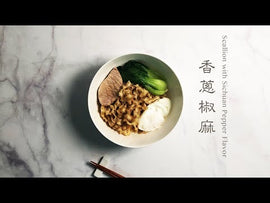
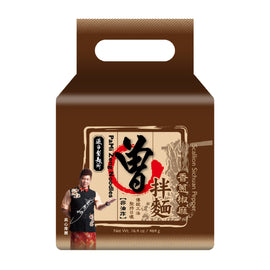
PaMi Zeng Scallion & Sichuan Pepper Noodles 曾拌麵 香蔥椒麻 Enjoy thick, chewy Taiwanese-style noodles tossed with aromatic scallion oil and a savory Sichuan-pepper sauce. This...
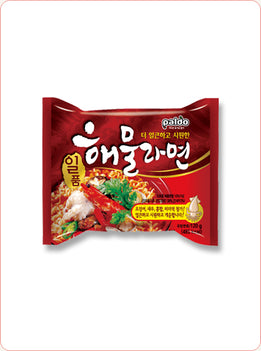
Paldo Spicy Seafood Ramyun (해물라면 / 火辣海鮮湯麵) — 5 PackA proper spicy seafood soup — with real seafood inside. Paldo Spicy Seafood Ramyun is part...
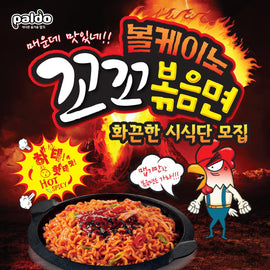
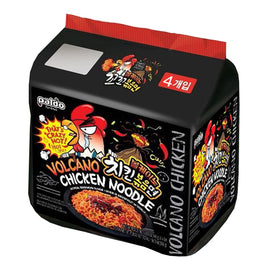
Paldo Volcano Spicy Chicken Noodle (팔도 화산닭볶음면) — 4 PackLava-level heat. Paldo Volcano Spicy Chicken Noodle is one of Korea’s most intensely spicy instant noodles...

PaMi Zeng Noodles Shallot & Mince Pork (曾拌麵 紅譔肉燥風味) — 508gThe authentic taste of a Taiwanese night market, in a bag. Zeng Noodles (曾拌麵) are...
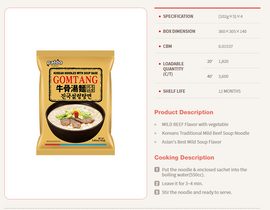
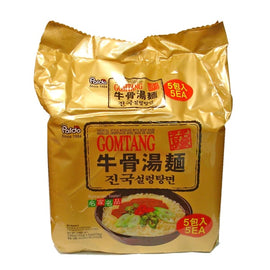
Paldo Gomtang Beef Bone Soup Noodle 韓國八道 牛骨湯麵 5 Packs Inspired by 고마탕 (gomtang) — the classic Korean beef bone broth soup made by slow-simmering...

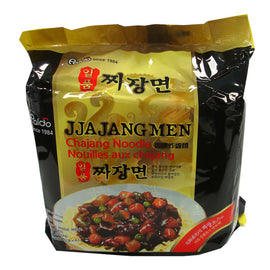
Paldo Jjajangmen (어산짜장면 / 御膳炸醬麵) — 4 PackOne of Korea’s most beloved comfort foods, now in instant noodle form. Paldo Jjajangmen features thick, chewy noodles...