Product successfully added to your shopping cart

Koon Chun 冠珍
冠珍醬園 (Koon Chun Sauce Factory): Hong Kong's Artisanal Sauce Legacy
Brand Heritage: The Gold Standard Since 1926
冠珍 (Koon Chun) is a premium, artisanal sauce and condiment producer from Hong Kong, established in 1926. Unlike mass-market brands, Koon Chun represents traditional craftsmanship—small-batch, time-intensive production methods that have largely disappeared elsewhere. They are the craft brewery equivalent of the sauce world—favored by chefs, discerning home cooks, and those seeking authentic, uncompromised flavors.
Core Identity:
-
Founded: 1926, Hong Kong
-
Philosophy: Traditional methods, no shortcuts, premium ingredients
-
Reputation: Restaurant-grade quality available to consumers
-
Specialties: Hoisin sauce, bean sauces, premium soy sauces, specialty pastes
-
Market position: Higher-end, artisanal, authentic Cantonese flavors
Koon Chun's Flagship Products
1. KOON CHUN HOISIN SAUCE (海鮮醬)
-
The Crown Jewel: Arguably the best hoisin sauce available commercially
-
Texture: Thick, rich, with visible soybean particles (not homogenized)
-
Flavor: Complex balance of sweet, salty, umami with fermented bean depth
-
Ingredients: Soybeans, flour, sugar, salt, garlic, chili, sesame—no artificial colors/flavors
-
Key distinction: Uses traditional fermentation vs. quick industrial methods
-
Best for: Peking duck, mu shu pork, marinades, dipping sauce
-
Price (US): $8-12 for 20oz (premium but worth it)
2. KOON CHUN BEAN SAUCES
-
Yellow Bean Sauce (磨豉醬): Whole soybeans in thick sauce
-
Brown Bean Sauce (麵豉醬): Crushed fermented soybeans
-
Black Bean Sauce (豆豉醬): Salted black beans in sauce
-
Note: These are base sauces, not finished stir-fry sauces—need cooking/seasoning
3. KOON CHUN SHRIMP PASTE/SHRIMP SAUCE (蝦醬)
-
Quality: Made with higher shrimp content, less filler
-
Aroma: Strong but cleaner (less "off" fermentation notes)
-
Color: Natural grayish-pink, not artificial purple
-
Compared to others: More balanced, less overwhelmingly salty
4. KOON CHUN SOY SAUCES
-
Premium Soy Sauce: Aged longer, more complex than commercial brands
-
Dark Soy Sauce: Rich color without excessive caramel coloring
-
Sweet Soy Sauce: For specific applications like char siu
5. SPECIALTY PASTES
-
Chili Bean Paste (辣豆瓣醬): Sichuan-style, fermented broad beans
-
Chu Hou Paste (柱侯醬): For beef stews and braises
-
Plum Sauce: More authentic than American "duck sauce"
What Makes Koon Chun Special
Traditional Production:
-
Natural fermentation: Weeks/months vs. days for industrial brands
-
Solar brewing: Some products still sun-brewed (醬曬)
-
Small batches: Consistent quality control
-
No preservatives/additives in many products
-
Stone grinding for some pastes (preserves texture)
Taste Profile:
-
Depth: Multiple layers of flavor from extended fermentation
-
Balance: Sweet/salty/umami in harmony
-
Clean finish: No chemical aftertaste
-
Authenticity: Tastes like traditional homemade versions
Koon Chun vs. Other Premium Brands
| Aspect | Koon Chun | Lee Kum Kee | Pearl River Bridge |
|---|---|---|---|
| Price | Highest | Medium | Low-Medium |
| Production | Artisanal/small batch | Industrial/large scale | Industrial/large scale |
| Target Market | Chefs/discerning cooks | Home cooks/restaurants | Mass market |
| Innovation | Traditional recipes | New product development | Traditional + modern |
| Availability | Specialty stores | Widely available | Widely available |
| Best For | Authentic taste, special dishes | Everyday cooking, convenience | Budget, everyday use |
Niche Positioning:
-
Not for everyday stir-fries where subtlety is lost
-
Essential for dishes where sauce is the star (hoisin duck, dan dan noodles)
-
Worth the premium when authenticity matters
Cooking with Koon Chun: Pro Techniques
1. Hoisin as Base, Not Final Sauce:
Even Koon Chun's excellent hoisin benefits from adjustment:
-
For dipping: Thin with hot water, add sesame oil
-
For glaze: Add honey, five-spice, rice wine
-
For stir-fry: Dilute with broth, add cornstarch
2. Bean Pastes Need "Blooming":
Always cook Koon Chun bean pastes in oil before adding liquids:
-
Heat oil, add minced garlic/ginger
-
Add bean paste, stir-fry 1-2 minutes until fragrant
-
Then add other ingredients
(This removes raw fermented taste and releases aromatics)
3. Shrimp Paste Wisdom:
-
Koon Chun's version is premium but still potent
-
Start with ½ teaspoon for entire dish
-
Always "bloom" with garlic in hot oil
-
Balance with sugar and aromatics
4. Storage:
-
Refrigerate after opening (no preservatives)
-
Use clean utensils to prevent contamination
-
Surface mold can occur naturally—skim off, rest is fine
-
Shelf life: 6-12 months refrigerated
Why Chefs Prefer Koon Chun
Consistency:
-
Batch-to-batch reliability
-
Traditional methods mean predictable results
-
No recipe reformulation for cost-cutting
Authenticity:
-
Tastes like what they'd make in-house if they had time
-
Matches regional Chinese restaurant standards
-
Clean label appeals to modern diners
Versatility:
-
Base ingredients that can be customized
-
Multiple applications across different dishes
-
High quality means less need to doctor flavors
The Koon Chun Experience
Using Koon Chun is cooking with intention. Each product demands:
-
Attention: These are potent, concentrated flavors
-
Understanding: Know how to balance and bloom them
-
Respect: Premium ingredients treated properly
-
Patience: Traditional methods mean slower cooking
Who Should Buy Koon Chun:
-
Serious home cooks wanting restaurant-quality results
-
Chinese cuisine enthusiasts exploring regional differences
-
Those tired of overly sweet/salty commercial sauces
-
Cooks who adjust sauces rather than use them straight
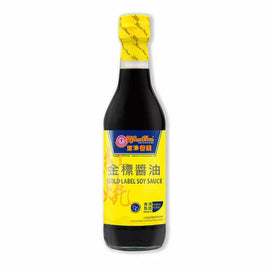
Koon Chun Gold Label Soy Sauce 冠珍金標醬油 A versatile everyday soy sauce for seasoning, cooking, and dipping. Koon Chun Gold Label sits between thin soy...


Koon Chun Superior Oyster Flavor Sauce 冠珍蠔油皇Bring rich, savory depth to everyday cooking with Koon Chun Superior Oyster Flavor Sauce. This classic Hong Kong condiment...
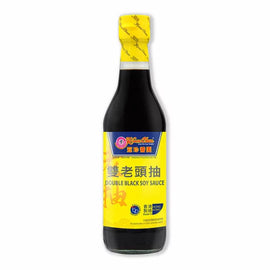
Koon Chun Double Black Soy Sauce 冠珍雙老頭抽 Bring deep color and rich savory flavor to Cantonese-style cooking with Koon Chun Double Black Soy Sauce. Made...


Koon Chun Plum Sauce 冠珍蘇梅醬 Bring bright sweet-tart flavor to everyday meals with Koon Chun Plum Sauce. Made with salted plum, sweet potato, ginger, garlic,...
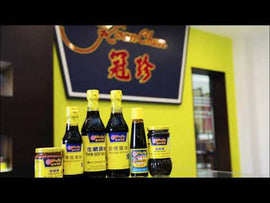
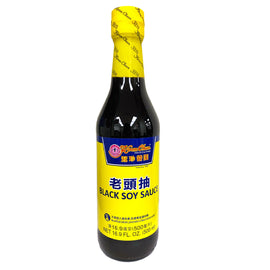
Koon Chun Black Soy Sauce 冠珍老頭抽Add deep color and rounded savory flavor to your favorite Cantonese and Chinese dishes with Koon Chun Black Soy Sauce....
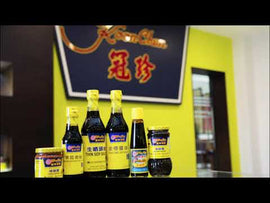
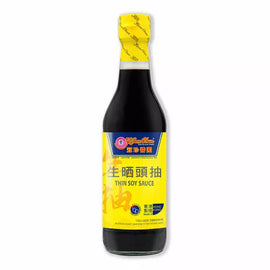
Koon Chun Thin Soy Sauce (Raw, Sun-Dried) 冠珍生晒頭抽Bring bright, savory soy flavor to everyday cooking with Koon Chun Thin Soy Sauce. Made in Hong Kong...
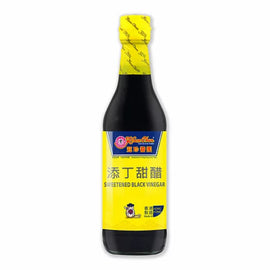
Koon Chun Sweetened Black Vinegar 冠珍添丁甜醋 Bring balanced sweet-tart flavor to Cantonese-style dishes with Koon Chun Sweetened Black Vinegar. Its deep color and mellow acidity...


Koon Chun Red Vinegar 冠珍大紅浙醋 Bring a bright, mellow sweet-tart note to dumplings, noodles, seafood, salads, and quick pickles. Koon Chun Red Vinegar adds color...


Koon Chun Plum in Brine 冠珍酸梅子 Add a distinctive salty, sour, and fruity note to sauces, marinades, drinks, and Cantonese-style cooking. Koon Chun Plum in...


Koon Chun Diluted Black Vinegar 冠珍黑米醋 Dark in color with a deep, savory character, Koon Chun Diluted Black Vinegar is an easy way to add...


Koon Chun Bean Sauce 冠珍原晒豉 Add deep, savory bean flavor to Cantonese-style cooking with Koon Chun Bean Sauce. This rich sauce is made for building...


Koon Chun Potassium Carbonate Solution 冠珍雪鹼水 A specialized culinary alkaline solution for traditional Chinese noodles and selected pastry recipes. Used in carefully measured amounts, it...


Koon Chun Fine Shrimp Sauce 冠珍幼滑蝦醬 A concentrated fermented shrimp paste for cooks who want deep savory, briny flavor in Southeast Asian and Southern Chinese-inspired...