Product successfully added to your shopping cart

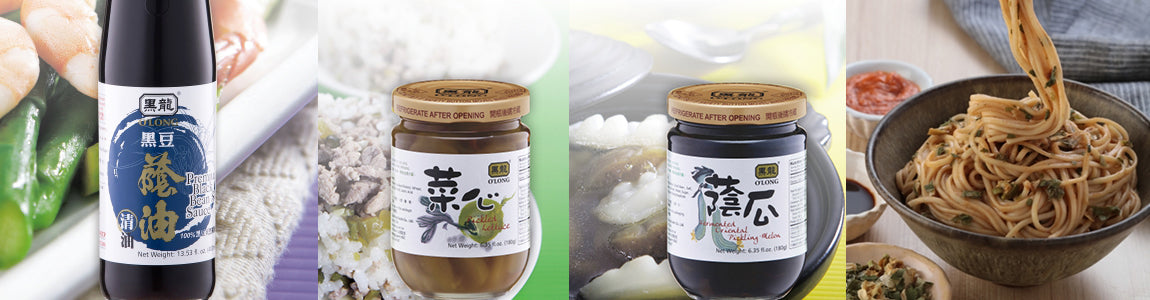
北京炸酱面 (Beijing Zhajiangmian)
北京炸酱面 (Beijing Zhajiangmian)
Fried Sauce Noodles – With Origin & Master Technique
ORIGIN & CULTURAL BACKGROUND
炸酱面 (Zhàjiàngmiàn) is a cornerstone of Northern Chinese cuisine, specifically associated with Beijing and Shandong province. Its history reflects practicality, preservation, and peasant ingenuity:
-
Humble Beginnings: Originated as a working-class meal among laborers, farmers, and canal workers in the North China Plain. The dish was designed to be cheap, filling, and shelf-stable—the fermented bean paste and oil-preserved meat sauce could be made in large batches and kept without refrigeration.
-
Name Meaning: “炸酱” (zhàjiàng) doesn’t mean “deep-fried.” Here, 炸 refers to the process of frying/sizzling the paste in oil to release its aroma and preserve it. “酱” is the sauce—traditionally a mix of fermented soybean pastes.
-
Imperial Adoption: Folk tales suggest the dish entered the Qing Dynasty imperial kitchens when Empress Dowager Cixi, fleeing Beijing during the Boxer Rebellion, tasted it in a commoner’s home and brought the recipe back to the palace. Whether true or not, this story reflects its journey from street food to cultural icon.
-
Regional Variations:
-
Beijing Style: Uses yellow soybean paste (黄酱 huángjiàng) or a mix with sweet wheat paste (甜面酱 tiánmiànjiàng), ground or diced pork, and more oil. Served with a wider array of fresh vegetable toppings.
-
Shandong Style: Often uses fermented soybean paste (豆瓣酱 dòubànjiàng) with a stronger, saltier flavor, and may include seafood like shrimp or clams.
-
Korean Jajangmyeon: Adapted by Chinese immigrants in Korea in the early 20th century, using chunjang (춘장), a black bean paste, with pork and onions, creating a sweeter, gloopier sauce.
-
-
Cultural Status: In Beijing, it’s considered a fundamental home-cooked meal—not a restaurant banquet dish. Every family has their own recipe passed down through generations. It represents comfort, frugality, and culinary resourcefulness.
THE COMPLETE BEGINNER'S GUIDE
1. THE TWO CORE COMPONENTS
A. The Noodles
-
Traditional: Fresh, chewy, hand-pulled wheat noodles (拉面).
-
At-home choice: Fresh or dried wheat noodles—look for "lo mein noodles," "ramen noodles" (not instant), or even udon in a pinch.
-
Key: The noodles should be substantial enough to hold the thick sauce.
-
Prep: Cook al dente, rinse under cold water to stop cooking, drain, and toss with a little oil.
B. The Sauce (炸酱)
This is where the soul of the dish lies—a slow-simmered, glossy, oil-split meat sauce.
2. INGREDIENTS (for 2-3 servings)
For the Sauce:
-
Ground pork (with some fat, 70/30): ½ lb (225g)
(Traditional uses pork belly diced into small cubes, but ground is easier for beginners.) -
Tianmianjiang (甜面酱) - Sweet Bean Paste: 3 Tbsp
The essential ingredient—a thick, sweet, wheat-based fermented paste. -
Doubanjiang (豆瓣酱) - Fermented Bean Paste: 1½ Tbsp
Spicy or non-spicy version. Adds depth and umami. -
Soy sauce: 1 Tbsp (light or regular)
-
Shaoxing wine: 1 Tbsp
-
Sugar: 2 tsp (balances the saltiness)
-
Chicken stock or water: ½ cup
-
Neutral oil: 3 Tbsp (used generously)
-
Aromatics:
-
1 small onion, finely diced
-
3 cloves garlic, minced
-
1 tsp fresh ginger, minced
-
For the Toppings (戏码 - "The Show"):
Choose 3-5 for crunch, color, and freshness:
-
Cucumber – julienned
-
Carrot – julienned
-
Bean sprouts – blanched
-
Bunched spinach or edamame – blanched
-
Radish (daikon) – julienned
-
Scallions – finely sliced
For Serving:
-
Fresh noodles (for 2-3 people)
-
Garlic cloves (optional, for rubbing the bowl)
-
Chili oil (optional)
3. SAUCE COOKING METHOD (Low & Slow)
Step 1: Prep the Paste
Mix 3 Tbsp sweet bean paste (Tianmianjiang) and 1½ Tbsp fermented bean paste (Doubanjiang) with 1 Tbsp Shaoxing wine and ½ cup stock/water in a bowl. Stir until smooth.
Step 2: Render the Pork
-
Heat a wok or heavy skillet over medium heat. Add 3 Tbsp oil.
-
Add ground pork, breaking it up. Cook until no longer pink and starting to brown (5-7 mins).
-
Push pork to the sides, making a well in the center.
Step 3: Build the Flavor Base
-
In the center, add a bit more oil if dry, then add diced onion. Sauté 2 mins until soft.
-
Add ginger and garlic, sauté 30 seconds until fragrant.
Step 4: The Critical Simmer
-
Pour the mixed sauce into the wok. Stir everything together.
-
Bring to a gentle bubble, then reduce heat to low.
-
Simmer uncovered for 20-25 minutes, stirring occasionally.
What to watch for:-
The sauce will darken and thicken.
-
Oil will start to separate and glisten on the surface—this is the sign of done-ness!
-
The texture should be like a loose, shiny Bolognese.
-
-
Stir in 2 tsp sugar at the end. Taste: it should be savory, slightly sweet, deeply rich. Adjust with a splash of water if too thick.
4. NOODLES & ASSEMBLY
Step 1: Prep Toppings
Julienne vegetables into matchsticks. Keep them crisp and separate on a plate.
Step 2: Cook Noodles
-
Boil noodles according to package (al dente for dried, 1-2 mins for fresh).
-
Drain, rinse briefly under cold water to remove excess starch, and drain well.
Step 3: The Beijing-Style Assembly
-
Optional pro move: Rub the serving bowl with a cut garlic clove for fragrance.
-
Place a generous portion of noodles in the bowl.
-
Ladle 2-3 spoonfuls of sauce over the center of the noodles (don't over-sauce—you can add more).
-
Artfully arrange vegetable toppings around the edges.
-
Serve immediately with chili oil on the side.
Step 4: Eating Instructions
-
Mix thoroughly at the table so every strand gets coated.
-
The contrast of room-temperature crisp veggies, hot noodles, and rich sauce is intentional.
5. KEY TIPS FOR BEGINNERS
-
Low heat is crucial: Don't rush the sauce simmer. This develops depth and prevents burning the bean pastes.
-
Oil separation: Don't fear the oil pooling—it's traditional and carries flavor.
-
Tianmianjiang substitute: If unavailable, mix 2 Tbsp hoisin + 1 Tbsp yellow miso paste + 1 tsp sugar.
-
Doubanjiang substitute: Use gochujang (Korean paste) for spicy, or more Tianmianjiang for non-spicy.
-
Make ahead: Sauce tastes better the next day. Refrigerate for up to 4 days or freeze.
-
Vegetarian version: Use finely chopped mushrooms (shiitake) instead of pork, and mushroom stock.
6. TROUBLESHOOTING
-
Sauce too salty: Add a bit more sugar and a splash of water. Next time, reduce soy sauce.
-
Sauce too thick: Thin with hot water or stock.
-
Sauce lacks depth: Simmer longer next time; ensure you're using both bean pastes.
-
Noodles sticky: Rinse better after cooking and toss with a drop of oil.
FINAL THOUGHT
炸酱面 is more than a recipe—it's edible history. From the humble courtyards of old Beijing to your kitchen, this dish represents the Chinese culinary wisdom of transforming simple, preserved ingredients into profound comfort. Mastering the sauce is a rite of passage in Northern Chinese home cooking.
“A well-made Zhajiangmian sauce should have the color of mahogany, the sheen of oil, and the depth of a century-old tree.”
Take your time, respect the simmer, and you'll create a bowl of history and heart. 祝你胃口大开! (Enjoy your meal!)
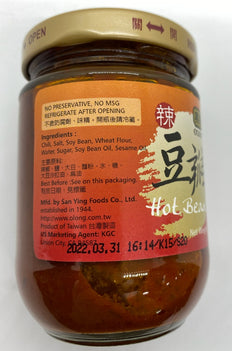
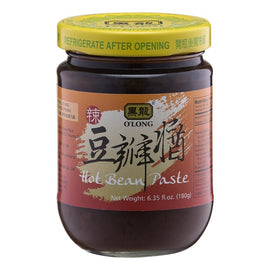
O’Long Spicy Bean Paste (辣豆瓣醬) — 180g O’Long’s Spicy Bean Paste is a fermented soybean and chili paste — made from natural soybeans and chili...
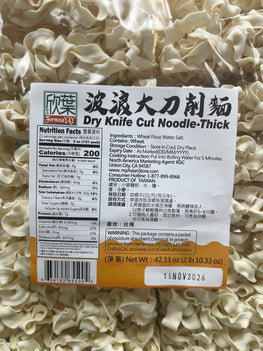
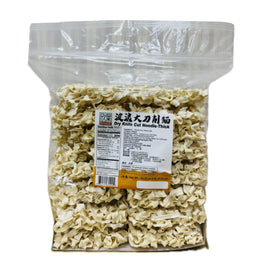
Formosa Yay Wavy Knife-Cut Thick Noodle (欣葉 波浪大刀削麵) – 2.65lb Resealable PackThe noodle built for bold Northern Chinese sauces. Formosa Yay's (欣葉) Wavy Knife-Cut Thick...
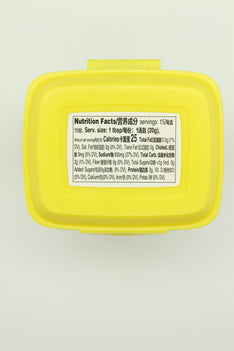
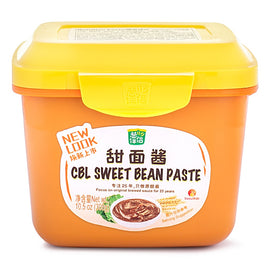
Shinho CBL Sweet Bean Paste 欣和 蔥伴侶 甜麵醬 — 300gThe essential sauce for Peking Duck pancakes and Beijing noodle dishes. Shinho CBL Sweet Bean Paste...
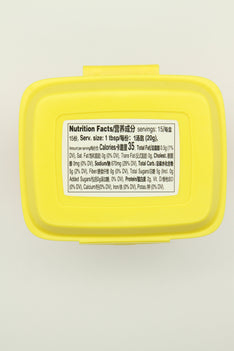
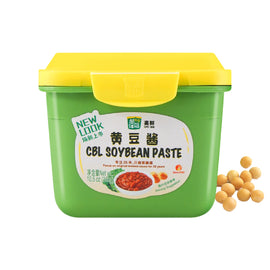
Shinho CBL Yellow Soybean Paste 欣和 蔥伴侶 黃豆醬 — 300gThe cornerstone of Beijing Zhajiangmian — and a deeply versatile Chinese pantry paste. Shinho CBL Yellow...
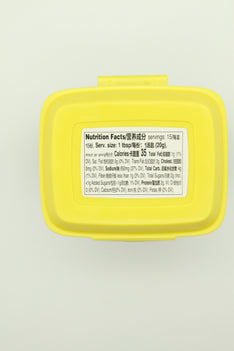
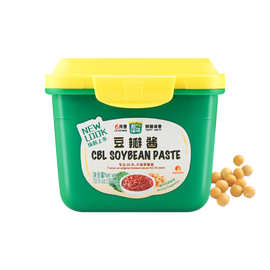
Shinho CBL Soybean Paste 欣和 蔥伴侶 豆瓣醬 — 300gA robust, deeply savory Chinese soybean paste for everyday cooking and noodle dishes. Shinho CBL Soybean Paste...