Product successfully added to your shopping cart

HALAL
Halal Asian Foods & Pantry
Shop a selection of Asian foods organized with a Halal dietary preference, including comforting drinks, grain and sesame mixes, snacks, noodles, sauces, and pantry staples. Use the collection to discover new favorites, stock the kitchen, or build a thoughtful food gift.
Drinks & Instant Mixes
Make warm or cold drinks at home with convenient sachets and pantry mixes. Explore Sweet Garden options such as:
- Black Sesame, Brown Rice & Oats Powder — A nutty grain-and-sesame drink mix.
- Matcha & Red Bean Soybean Powder — A creamy soybean drink with matcha and red bean flavors.
- Longan & Jujube Instant Drink — A fragrant fruit-and-date drink mix.
- Chrysanthemum & Goji Instant Drink — A floral drink mix for a lighter-tasting cup.
- Brown Sugar Ginger Instant Beverage — A warming ginger and brown-sugar option.
Snacks, Noodles & Pantry Staples
Browse the collection for easy meal ingredients and snackable favorites, including noodles, rice products, crackers, beans, sauces, and other pantry essentials. Mix and match products to create a convenient meal or snack box.
Traditional Beverage Favorites
For customers shopping traditional Asian beverage products, the collection also includes BRAND’S options such as Bird’s Nest Soup with Rock Sugar and Essence of Chicken with Cordyceps. Review each product page and package label for complete ingredients, dietary information, and preparation details.
Build a Same-Brand Cross-Sell
- Sweet Garden variety set: Black Sesame Brown Rice & Oats + Matcha Red Bean Soybean Powder + Longan & Jujube Drink.
- Sweet Garden warm-drink set: Brown Sugar Ginger Beverage + Chrysanthemum & Goji Drink + a sesame or grain mix.
- BRAND’S beverage pairing: Bird’s Nest Soup with Rock Sugar + Essence of Chicken with Cordyceps, subject to each product’s individual label and dietary information.
Shop with Confidence
This collection is organized using the store’s Halal dietary-preference setting. Certification marks, ingredients, and suitability can vary by product, so always check the individual packaging and product page before purchase, especially for allergens or specific dietary requirements.
Free shipping on orders over $50. Browse the collection and build a pantry that fits your household.

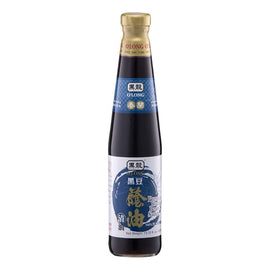
O’Long Premium Black Bean Soy Sauce — Regular (特級春蘭黑豆蔭油清) — 400ml O’Long’s entry into pure-brewed Taiwanese black bean soy sauce. The Regular (清, clear/thin) grade...
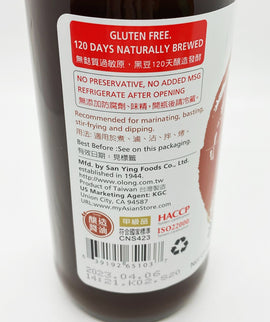
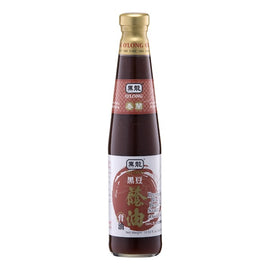
Mastering the Art of Application: A Deep Dive into Thick Soy Sauce (膏油) Thick soy sauce is not a blunt instrument, but a specialized tool...
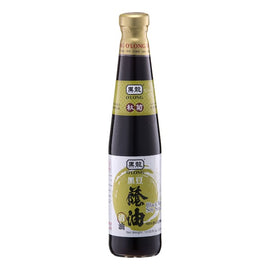
O’Long Black Bean Soy Sauce — Regular (秋菊黑豆蔭油清) — 400ml O’Long’s everyday workhorse black bean soy sauce. The Qiuju (秋菊, “Autumn Chrysanthemum”) grade is O’Long’s...
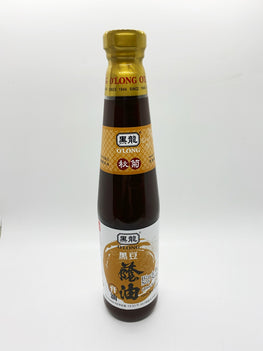
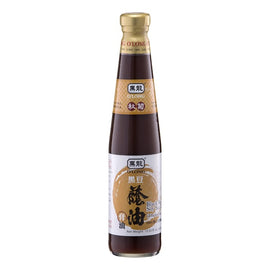
O’Long Black Bean Soy Sauce — Thick (秋菊黑豆蔭油膏) — 400ml The concentrated, thick-paste version of O’Long’s classic Qiuju black bean soy sauce. Where the Regular...
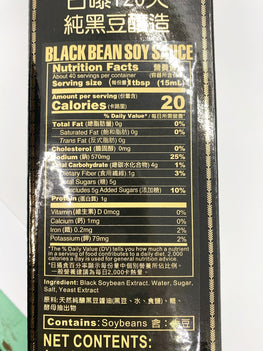
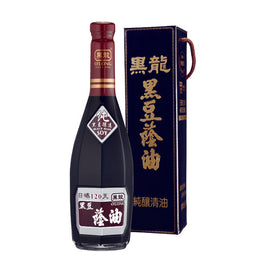
O’Long Gift Box — Naturally Brewed Black Bean Soy Sauce (Regular) — 600ml O’Long’s premium black bean soy sauce, presented in gift-ready packaging. The same...

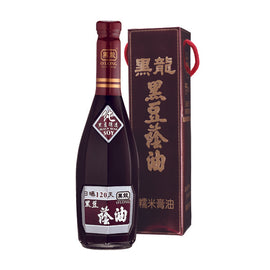
O’Long Gift Box — Superior Black Bean Soy Sauce (Thick) — 600ml O’Long’s premium thick black bean soy sauce, presented in gift-ready packaging. The same...

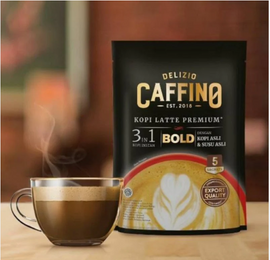
Caffino BOLD Premium Coffee Latte 特濃咖啡拿鐵 — 12 Sachets Strong, coffee-forward, and unapologetically bold. Caffino BOLD is a 3-in-1 instant latte made with real coffee...
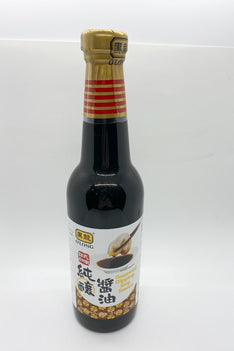
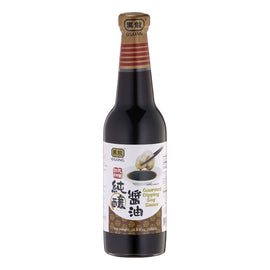
O'Long Gourmet Dipping Soy Sauce 黑龍 日式和風純釀醬油 500ml A Japanese-style pure-brewed soy sauce crafted specifically for dipping and finishing — mellow, clean, and aromatic. Where...
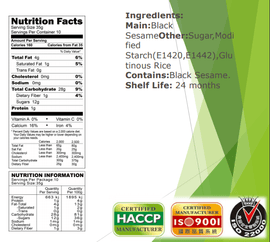
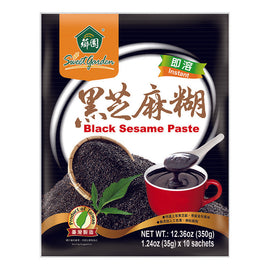
Sweet Garden Instant Black Sesame Paste Powder — 10 Sachets, 320g A pure, plant-based paste made entirely from black sesame — no fillers, no additives,...
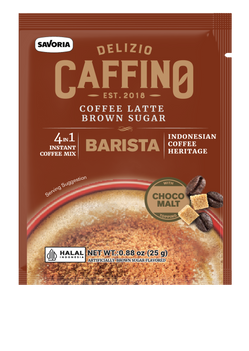
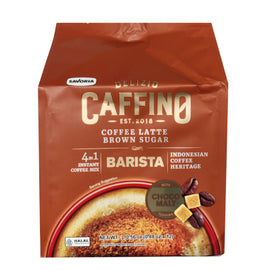
Caffino Barista Coffee Latte — Brown Sugar (黑糖拿鐵咖啡) Café-style brown sugar latte in a sachet. Caffino Barista Coffee Latte Brown Sugar is a 3-in-1 instant...
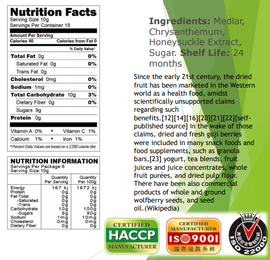
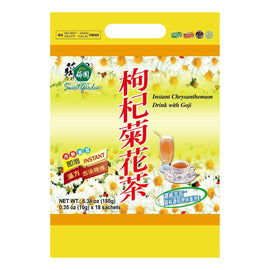
Sweet Garden Instant Chrysanthemum Drink with Goji 鄕園 枸杞菊花茶 180g (18 Sachets) A classic herbal pairing in a convenient instant sachet. Sweet Garden combines chrysanthemum...
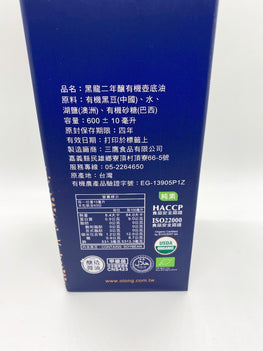
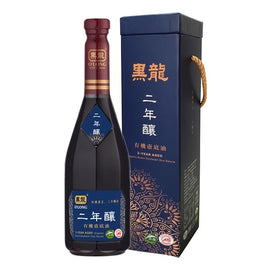
O Long 2-Year Aged Organic Black Soybean Soy Sauce 600mlO Long finest expression. Made from certified organic black soybeans, aged for a full two years,...
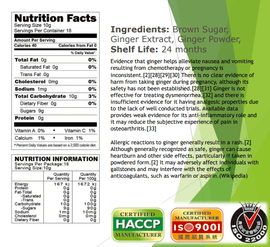
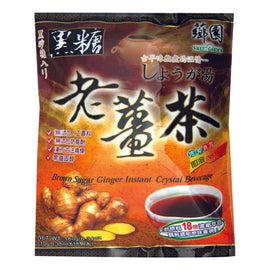
Sweet Garden Brown Sugar Ginger Instant Beverage – 18 SachetsA warming classic rooted in Traditional Chinese Medicine. Sweet Garden's Brown Sugar Ginger Instant Drink combines...
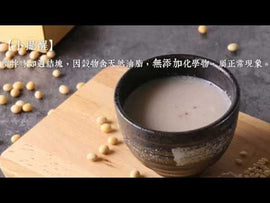
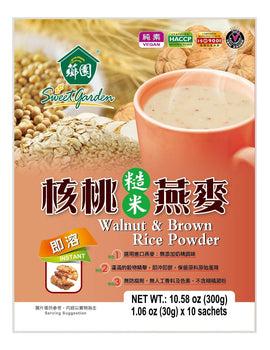
Sweet Garden Walnut & Brown Rice Instant Powder 薌園 核桃糙米燕麥 — 10 Sachets, 320g A wholesome grain drink that brings together three powerhouse ingredients —...
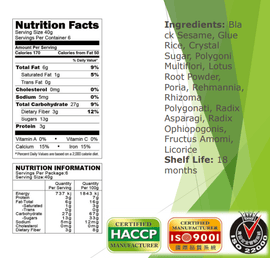
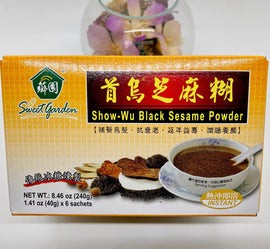
Sweet Garden He Shou Wu (首烏) Black Sesame Powder – 6 SachetsA time-honored TCM herbal blend crafted to nourish Kidney Essence, enrich Liver Blood, and...


Koon Chun Red Vinegar 冠珍大紅浙醋 Bring a bright, mellow sweet-tart note to dumplings, noodles, seafood, salads, and quick pickles. Koon Chun Red Vinegar adds color...
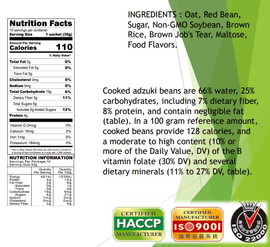
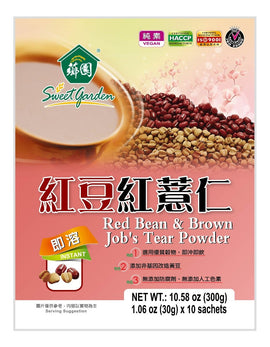
Sweet Garden Red Bean & Brown Job’s Tears Powder 薌園 紅豆紅薏仁 — 10 Sachets, 320g A wholesome, plant-based grain drink that combines red bean and...


Koon Chun Plum in Brine 冠珍酸梅子 Add a distinctive salty, sour, and fruity note to sauces, marinades, drinks, and Cantonese-style cooking. Koon Chun Plum in...


Koon Chun Diluted Black Vinegar 冠珍黑米醋 Dark in color with a deep, savory character, Koon Chun Diluted Black Vinegar is an easy way to add...
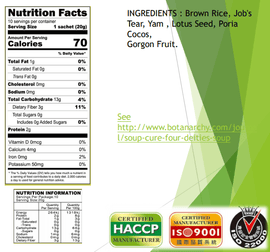
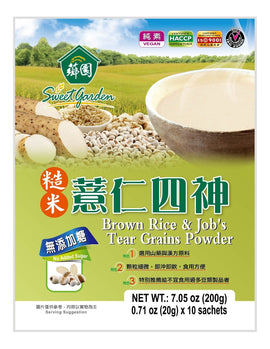
Sweet Garden Brown Rice & Job’s Tears Grains Powder 薌園 糙米薏仁四神 — 10 Sachets, 320g A wholesome, plant-based drink that combines the nutty richness of...


Koon Chun Potassium Carbonate Solution 冠珍雪鹼水 A specialized culinary alkaline solution for traditional Chinese noodles and selected pastry recipes. Used in carefully measured amounts, it...
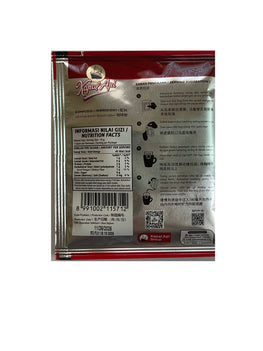
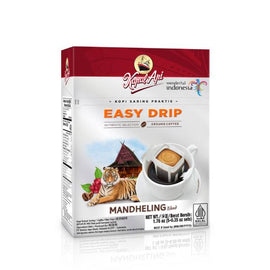
Kapal Api Easy Drip Mandheling Blend (印尼帆船 曼特寧掛耳咖啡) – 5 drip bags × 10g (50g) Freshly brewed Sumatra Mandheling coffee, no equipment needed. Kapal Api's...


Koon Chun Fine Shrimp Sauce 冠珍幼滑蝦醬 A concentrated fermented shrimp paste for cooks who want deep savory, briny flavor in Southeast Asian and Southern Chinese-inspired...


Kapal Api Easy Drip Bali Blend (印尼帆船 巴厘島掛耳咖啡) – 5 drip bags × 10g (50g) Freshly brewed Bali coffee — bright, clean, and aromatic. Kapal...
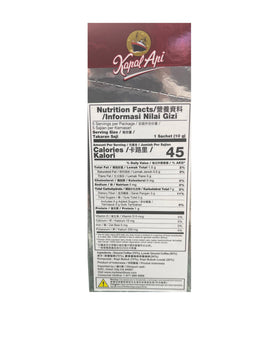

Kapal Api Easy Drip Luwak Blend (印尼帆船 麝香貓掛耳咖啡) – 5 drip bags × 10g (50g) The legendary Kopi Luwak experience, in a convenient pour-over bag....
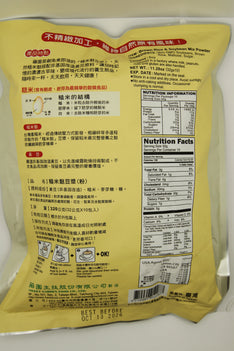
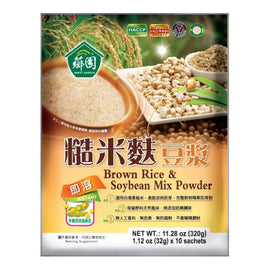
Sweet Garden Brown Rice & Soybean Mix Powder— 10 Sachets, 320g A wholesome, plant-based grain drink that combines the nutty richness of brown rice bran...
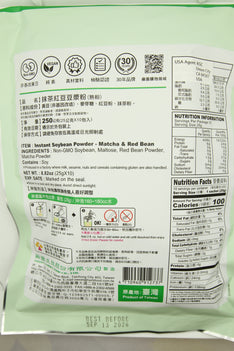
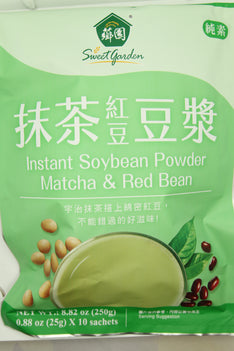
Sweet Garden Instant Soybean Powder with Matcha & Red Bean (抗茶紅豆豆漿) – 250gA delicious fusion of East Asian flavors in one nourishing instant drink. Sweet...