Product successfully added to your shopping cart

Gluten Free
Gluten: A Comprehensive Guide to Its Nature, Impact on Gut Health, Gluten-Free Foods, and Associated Symptoms
What is Gluten?
Gluten is a collective term for a family of storage proteins, primarily gliadin and glutenin, found in certain grains. The name comes from the Latin word for "glue," as it provides dough with its elastic, sticky, and cohesive properties, allowing bread to rise and giving baked goods their chewy texture.
Key Sources: The primary dietary sources of gluten are:
-
Wheat (including varieties like spelt, kamut, farro, durum, and products like semolina)
-
Barley
-
Rye
-
Triticale (a cross between wheat and rye)
Oats are naturally gluten-free but are frequently contaminated with gluten during growing or processing unless specifically labeled "certified gluten-free."
How Gluten Affects Our Gut
The impact of gluten on the gut exists on a spectrum, from no effect at all to severe autoimmune destruction, depending on an individual's genetic predisposition and health status.
1. In a Healthy Gut (Normal Digestion):
For most people, gluten is broken down by digestive enzymes in the small intestine into peptides and amino acids, which are then absorbed. The gut lining remains intact and unaffected.
2. In Celiac Disease (An Autoimmune Disorder):
This is the most severe reaction. When a genetically susceptible person consumes gluten:
-
The immune system mistakenly identifies gliadin as a threat.
-
This triggers an inflammatory response that attacks the villi—the tiny, finger-like projections lining the small intestine responsible for nutrient absorption.
-
The villi become blunted and damaged (villous atrophy), leading to malabsorption of crucial nutrients (iron, calcium, vitamins, etc.).
-
This damage can lead to long-term complications like osteoporosis, anemia, neurological issues, and an increased risk of certain cancers if untreated.
3. In Non-Celiac Gluten Sensitivity (NCGS):
Individuals experience symptoms similar to celiac disease but without the autoimmune response and intestinal villi damage. The exact mechanism is not fully understood but is believed to involve innate immune system activation, changes in gut microbiota, and increased intestinal permeability ("leaky gut").
4. In Wheat Allergy:
This is a classic food allergy where the immune system produces IgE antibodies against wheat proteins (not just gluten). It can cause immediate symptoms like hives, itching, swelling, or anaphylaxis, affecting the gut and other organs.
Symptoms Caused by Gluten
Symptoms vary widely and can be digestive, extra-intestinal (outside the gut), or both.
Digestive Symptoms:
-
Bloating and gas
-
Abdominal pain and cramping
-
Diarrhea or constipation (often chronic)
-
Nausea and vomiting
-
Fatty, foul-smelling stools (steatorrhea)
Extra-Intestinal & Systemic Symptoms:
-
Fatigue and "Brain Fog": Extreme tiredness and difficulty concentrating.
-
Dermatological: Dermatitis Herpetiformis, an intensely itchy, blistering skin rash (specific to celiac disease).
-
Neurological: Headaches or migraines, numbness/tingling in extremities (peripheral neuropathy).
-
Musculoskeletal: Joint and muscle pain.
-
Hematological: Iron-deficiency anemia (due to malabsorption).
-
Psychological: Anxiety, depression, and irritability.
-
Weight Changes: Unintended weight loss (common in celiac disease) or weight gain.
-
Other: Dental enamel defects, canker sores, irregular menstrual cycles, and infertility.
Important Note: Due to symptom overlap with conditions like IBS (Irritable Bowel Syndrome), proper diagnosis by a healthcare professional is crucial before starting a gluten-free diet. Testing for celiac disease requires being on a gluten-containing diet to be accurate.
Foods That Are Naturally Gluten-Free
A healthy, gluten-free diet focuses on whole, naturally gluten-free foods.
Grains & Starches:
-
Grains: Rice (all types), corn, quinoa, buckwheat, millet, sorghum, teff, certified gluten-free oats.
-
Pseudocereals: Amaranth.
-
Other: Potato, sweet potato, tapioca (cassava), beans, lentils, peas, nuts, seeds.
Proteins:
-
All fresh meats, poultry, and fish (not breaded or marinated with gluten-containing sauces).
-
Eggs.
-
Legumes (beans, lentils, chickpeas).
-
Tofu and tempeh (check for additives).
Fruits and Vegetables:
-
All fresh fruits and vegetables are naturally gluten-free.
-
Caution with processed versions: Frozen or canned may have added sauces or flavorings containing gluten.
Dairy:
-
Most plain milk, yogurt, cheese, and butter are gluten-free.
-
Caution with flavored or processed dairy products (e.g., some yogurts, processed cheese spreads).
Fats & Oils:
-
All pure oils (olive, avocado, coconut, etc.) and butter.
Foods That Often Contain Hidden Gluten (Must Be Checked):
-
Sauces, gravies, and condiments (soy sauce, salad dressings, marinades)
-
Soups and broths (often thickened with wheat flour)
-
Processed meats (sausages, deli meats)
-
Snack foods (chips, flavored nuts)
-
Beer, ale, and lagers (unless specifically gluten-free)
-
Imitation seafood
-
Seasoning mixes and spice blends
Conclusion
Gluten is a protein complex in wheat, barley, and rye that can cause significant health issues for individuals with celiac disease, non-celiac gluten sensitivity, or wheat allergy. Its primary harm occurs in the gut, ranging from inflammation to autoimmune destruction of the intestinal lining, leading to a wide array of digestive and systemic symptoms. For those who must avoid it, a nutritious diet is easily achievable by focusing on the abundance of naturally gluten-free whole foods—fruits, vegetables, meats, dairy, and safe grains like rice and quinoa. Always consult a doctor for diagnosis and a registered dietitian for guidance to ensure a balanced and safe gluten-free diet.
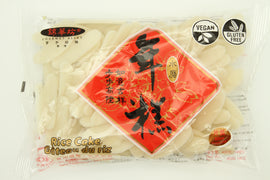
Gourmet Alley Wet Milled Rice Cake (年糕 / Nián Gāo) – 400gThe essential ingredient for Shanghainese stir-fries and Chinese New Year tradition. Gourmet Alley's Wet...