Product successfully added to your shopping cart

Roasted pea / beans
The Complete Guide to Making Roasted Bean Snacks: A Crunchy, Protein-Packed Delight
The Ancient Art of Bean Roasting
For millennia, civilizations have transformed humble legumes into crispy, satisfying snacks. From the spiced roasted chickpeas (leblebi) of Turkey and the Middle East to the soybean snacks of East Asia and the spiced broad beans of the Mediterranean, roasted beans represent one of humanity's oldest and most nutritious convenience foods. Unlike many modern processed snacks, roasted beans deliver a powerful combination of plant-based protein, fiber, and essential minerals in every crunchy bite.
Making your own allows complete control over flavors, sodium levels, and texture—from lightly seasoned to boldly spicy, from ultra-crispy to slightly chewy.
Part 1: The Foundation – Basic Roasted Bean Technique
Core Principles:
-
Proper Drying = Ultimate crispiness
-
Even Coating = Consistent flavor
-
Patient Roasting = Perfect texture (no burnt beans!)
Basic Equipment:
-
Colander
-
Baking sheets
-
Parchment paper or silicone mats
-
Large mixing bowls
-
Spice grinder (for whole spices, optional)
The Universal 5-Step Process:
Step 1: Selection & Soaking
Choose your bean:
-
Chickpeas (Garbanzo): Classic, neutral canvas, sturdy texture
-
Soybeans (Edamame): High-protein, becomes crunchy like nuts
-
Black Beans: Earthy flavor, smaller size
-
Fava/Broad Beans: Meaty texture, traditional in Mediterranean snacks
-
Mixed Beans: Colorful, varied textures
Preparation:
-
Sort beans, removing debris or shriveled pieces.
-
For Chickpeas/Fava Beans: Soak 8-12 hours in plenty of water with 1 tsp salt. This rehydrates them evenly.
-
For Soybeans/Black Beans: Soak 6-8 hours.
-
Shortcut: Use canned beans (thoroughly rinse and dry VERY well).
Step 2: The Critical Drying Phase
-
Drain soaked beans thoroughly in colander.
-
Pat completely dry with kitchen towels—surface moisture creates steam, preventing crispiness.
-
For extra crispiness: Leave on towels for 1-2 hours, or use a salad spinner.
-
Remove skins (optional): For chickpeas, rub between towels to loosen skins. This creates a smoother texture.
Step 3: Seasoning & Coating
The Fat Base:
-
2 cups prepared beans + 1-2 tbsp oil
-
Best oils: Avocado (high smoke point), Olive (flavorful), Coconut (for sweetness)
Coating Methods:
-
Toss in bowl: Beans + oil + seasonings. Mix thoroughly.
-
Bag method: Place everything in a sealable bag, shake vigorously.
-
Layering: For sticky sauces (like honey-soy), coat after partial roasting.
Step 4: Roasting Science
Temperature & Time:
-
400°F (200°C): Standard. Roast 30-45 minutes, stirring every 15.
-
Low & Slow (325°F/160°C): For even drying without exterior burning. 45-60 minutes.
-
Two-Stage Method: Start high (400°F) for 20 min, reduce to 300°F for remaining time.
Signs of Doneness:
-
Deep golden brown
-
Audibly crisp when shaken
-
Lightweight and dry
-
Test by cooling one completely—if chewy, needs more time
Step 5: Cooling & Crisping
-
Remove from oven—beans will continue to crisp as they cool.
-
Spread immediately on cooling rack (prevents steaming).
-
Season again if needed (fine salt, powdered seasonings stick better post-roast).
-
Wait 30 minutes before testing final texture.
Part 2: Flavor Formulas from Around the World
1. Mediterranean Za'atar Chickpeas
Ingredients: 2 cups chickpeas, 1 tbsp olive oil, 2 tbsp za'atar, 1 tsp sumac, ½ tsp garlic powder, ¾ tsp sea salt.
Method: Coat with oil, mix dry spices, roast at 400°F for 35 minutes. Finish with lemon zest.
2. Japanese Wasabi-Soy Soybeans
Ingredients: 2 cups dried soybeans, 1 tbsp toasted sesame oil, 2 tsp wasabi powder (mixed with 1 tsp water), 1 tbsp soy sauce/tamari, 1 tbsp rice vinegar, 2 tbsp sesame seeds.
Method: Roast plain soybeans 40 minutes at 375°F. Warm remaining ingredients in pan, toss with hot beans, return to oven 5 minutes.
3. Mexican Chili-Lime Black Beans
Ingredients: 2 cups black beans, 1 tbsp avocado oil, 1 tsp chipotle powder, 1 tsp smoked paprika, ½ tsp cumin, ½ tsp oregano, zest of 2 limes, 1 tsp salt.
Method: Standard roast. Toss with lime zest immediately after oven.
4. Indian Masala Mix
Ingredients: 2 cups chickpeas, 1 tbsp ghee or oil, 2 tsp garam masala, 1 tsp turmeric, ½ tsp cayenne, 1 tsp amchur (mango powder), ½ tsp black salt (kala namak).
Method: Roast with oil and spices except amchur and black salt. Toss with remaining after roasting.
5. Sweet Cinnamon & Maple Pecan-Style Soybeans
Ingredients: 2 cups soybeans, 1 tbsp coconut oil, 2 tbsp maple syrup, 1 tsp cinnamon, ¼ tsp nutmeg, pinch of cloves, ½ tsp vanilla powder.
Method: Roast beans 30 minutes. Warm maple syrup with spices, coat beans, roast 10 more minutes at 325°F until glazed.
6. Italian Rosemary-Garlic Fava Beans
Ingredients: 2 cups peeled dried fava beans, 2 tbsp olive oil, 2 tbsp fresh rosemary, 3 grated garlic cloves, ½ tsp red pepper flakes, zest of 1 lemon, Parmesan (optional).
Method: Roast with oil, rosemary, garlic, pepper flakes. Finish with lemon zest and grated Parmesan if using.
Part 3: Advanced Techniques & Problem Solving
Achieving Ultimate Crispiness:
-
Baking soda soak: Add ½ tsp baking soda to soaking water for chickpeas (changes pH, helps crisp).
-
Pre-boil: Simmer soaked beans 10-20 minutes until slightly tender but not mushy. Dry thoroughly.
-
Oven door crack: Prop oven door slightly with wooden spoon to release moisture.
-
Double roast: Roast, cool completely, then roast again 10-15 minutes at lower temperature.
Flavor Adhesion Solutions:
-
Egg white coating: 1 whipped egg white coats 2 cups beans, helps spices stick.
-
Starch slurry: Mix 1 tsp cornstarch with oil before adding to beans.
-
Spray method: Lightly spray roasted beans with oil, then add fine seasonings.
Common Issues & Fixes:
| Problem | Cause | Solution |
|---|---|---|
| Chewy centers | Insufficient drying/soaking | Soak longer; dry thoroughly; lower temp, longer time |
| Burnt outside | Temperature too high | Reduce to 375°F; stir more frequently |
| Spices burning | Added delicate spices too early | Add in last 10 minutes or after roasting |
| Not crunchy | Under-roasted or stored improperly | Extend time; ensure complete cooling before storing |
| Bland flavor | Insufficient seasoning | Season in layers: with oil, mid-roast, post-roast |
| Sticking to pan | Insufficient oil/parchment | Use parchment/silicone; ensure even oil coating |
Part 4: Nutritional Powerhouse – Why Roasted Beans Shine
Per ½ Cup Serving (Chickpea Example):
-
Calories: ~130
-
Protein: 6-7g (plant-based, complete when paired with grains)
-
Fiber: 5-6g (supports digestion, satiety)
-
Iron: 15% DV
-
Folate: 20% DV
Health Benefits:
-
Blood sugar stability: Low glycemic index with slow-release carbs
-
Heart health: Soluble fiber helps manage cholesterol
-
Weight management: High protein+fiber increases fullness
-
Gut health: Resistant starch (if not over-roasted) acts as prebiotic
Dietary Considerations:
-
Gluten-free: Naturally gluten-free
-
Vegan/vegetarian: Excellent protein source
-
Low-FODMAP: Use canned, rinsed beans (reduces oligosaccharides)
-
Sodium control: Homemade avoids excessive salt of commercial brands
Part 5: Creative Applications & Storage
Beyond Snacking:
-
Salad toppers instead of croutons
-
Soup garnishes for texture contrast
-
Trail mix component with nuts and dried fruit
-
"Breadcrumb" alternative for coating fish/chicken
-
Pasta substitute in some dishes (like "beans instead of croutons" in panzanella)
-
Grind into flour for gluten-free baking
Storage for Maximum Freshness:
-
Cool completely before storing (any warmth creates condensation).
-
Airtight container = 1-2 weeks at room temperature.
-
Freezer method: Spread on tray, freeze solid, transfer to bags = 3 months.
-
Revive stale beans: 5 minutes in 350°F oven.
-
Avoid refrigeration (can introduce moisture unless in very dry climate).
Gifting Ideas:
-
Layered jar gifts: Beans + seasoning packet + instructions
-
Flavor trio packs: Sweet, savory, and spicy varieties
-
"Make your own" kits: Dried beans, custom spice blend, recipe card
Part 6: Bean-Specific Guidelines
| Bean Type | Prep Time | Roast Time | Special Note | Best Flavor Pairings |
|---|---|---|---|---|
| Chickpeas | 12 hr soak | 35-45 min | Remove skins for uniform crispness | Smoked paprika, cumin, curry, cinnamon sugar |
| Soybeans | 8 hr soak | 40-50 min | Can roast from dried (no soak) for nuttier flavor | Wasabi, soy-ginger, sea salt, barbecue |
| Black Beans | 8 hr soak | 25-35 min | Smaller = watch closely to prevent burning | Lime-chili, cocoa-chili, creole seasoning |
| Fava/Broad Beans | 24 hr soak* | 30-40 min | *Traditional: soak, peel outer skin, dry | Rosemary-garlic, lemon-pepper, dukkah |
| Mixed Beans | 12 hr soak | 25-40 min | Roast similar-sized beans together | Italian herbs, ranch seasoning, everything bagel |
Note: Pre-peeled dried fava beans available in Middle Eastern markets.
A World in Your Pantry
The journey from soaked legume to golden, crunchy snack connects you to traditions spanning continents and centuries. Unlike expensive, preservative-filled store versions, homemade roasted beans offer pure ingredients, customizable nutrition, and deep satisfaction.
Start simple with chickpeas and olive oil, then experiment boldly. Remember: patience in drying and attentive roasting transforms humble beans into extraordinary snacks. Whether you crave savory, sweet, or spicy, there's a perfect roasted bean waiting to emerge from your oven—a testament to the timeless appeal of simple ingredients, thoughtfully prepared.
Final pro-tip: Always make a double batch. They disappear faster than you expect, and having a stash of homemade, protein-packed crunch is one of life's simplest, most nutritious pleasures.
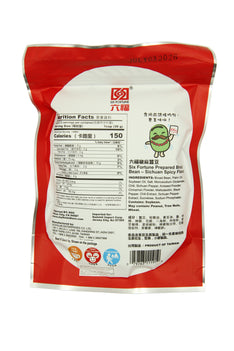
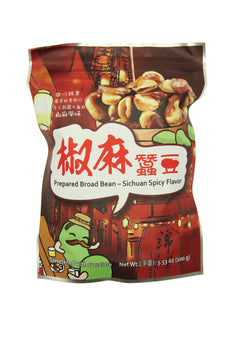
Six Fortune Sichuan Spiced Broad Beans 六福椒麻蚕豆 — Resealable Bag 100g Roasted broad beans (fava beans) seasoned with the classic Sichuan mala combination — the...
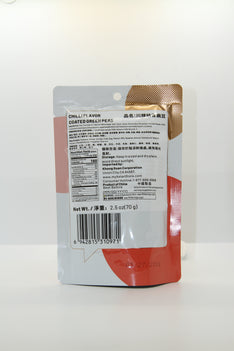
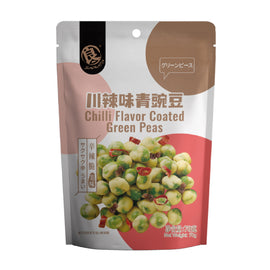
Yamata Sichuan Chilli Green Peas (川辣味青豌豆) – 70gThe crunch that bites back. Yamata's Sichuan Chilli Green Peas take the humble green pea and transform it...


Yamata Salted Black Soybeans (鹽味黑豆) – 70gThe snack that punches well above its weight. Yamata's Salted Black Soybeans are carefully roasted black soybeans with a...
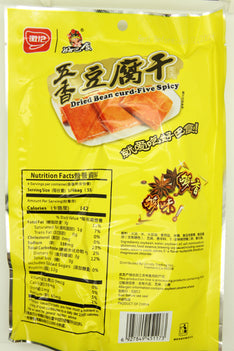
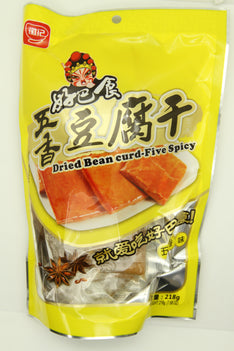
Hui Ji Five Spice Dried Bean Curd 徽記好巴食五香豆腐干 218g Chewy, firm dried tofu strips deeply infused with the classic Chinese five-spice blend — star anise,...


Yamata Crab Roe Flavor Broad Beans (蟹黃味蚕豆瓣) – 70gThe snack that stops you mid-reach. Yamata's Crab Roe Flavor Broad Beans (Fava Beans) deliver a rich,...
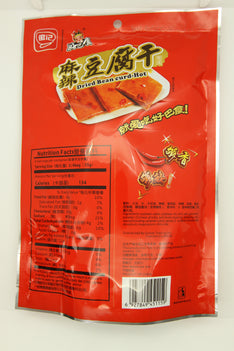
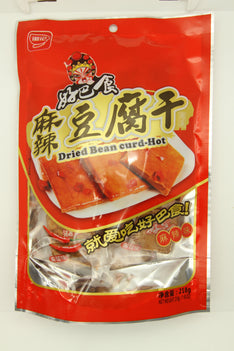
Hui Ji Mala Dried Bean Curd 徽記好巴食麻辣豆腐干 218g Chewy dried tofu strips infused with the classic Sichuan mala (麻辣) flavor — the numbing tingle of...
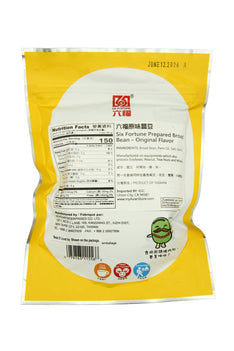
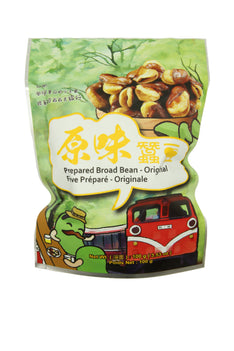
Six Fortune Original Flavor Broad Beans 六福原味蚕豆 — Resealable Bag 100g Crunchy roasted broad beans (fava beans) in their classic original seasoning, packed in a...
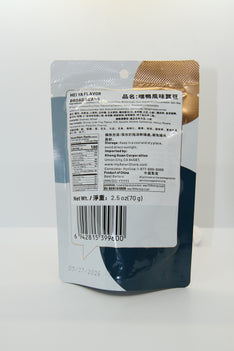
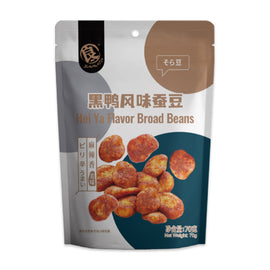
Yamata Hei Ya Style Broad Beans (黑鴨風味蠶豆) — 70gThe bold, savory-sweet taste of Hei Ya-style braised duck seasoning (黑鴨風味), on a crunchy roasted broad bean....
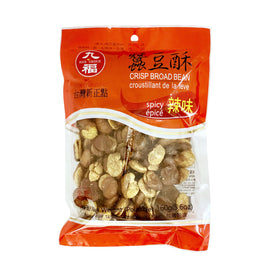
Nice Choice Crisp Spicy Broad Bean 九福辣味蚕豆酥 160g Light, airy, and boldly spicy. These are 蚕豆酥 (cán dòu sū) — the 酥 (sū) indicating a...
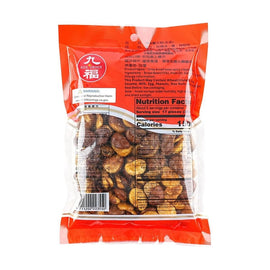
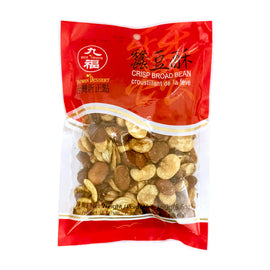
Nice Choice Crisp Broad Bean 九福蚕豆酥 160g Light, airy, and lightly savory. These are 蚕豆酥 (cán dòu sū) — the 酥 (sū) indicating a crispy,...
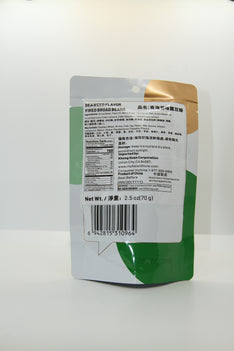
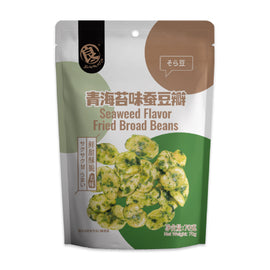
Yamata Seaweed Flavor Fried Broad Beans (青海苔味蠶豆瓣) — 70gSavory seaweed, satisfying crunch. Yamata's Seaweed Flavor Fried Broad Beans are split broad bean halves (蠶豆瓣) fried...
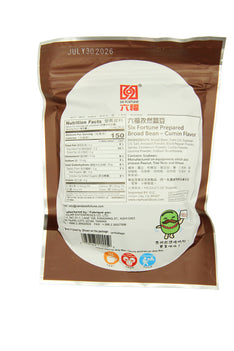
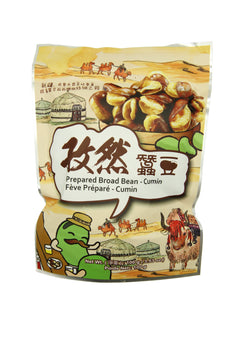
Six Fortune Cumin Seasoned Broad Beans 六福孜然蚕豆 — Resealable Bag 100g Roasted broad beans (fava beans) seasoned with warm, earthy cumin — a bold pairing...
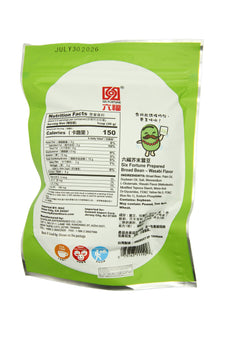
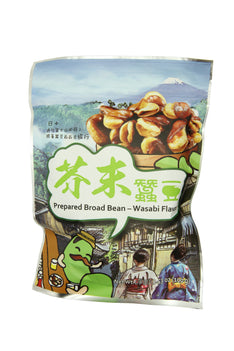
Six Fortune Wasabi Broad Beans 六福芥末蚕豆 — Resealable Bag 100g Crunchy roasted broad beans (fava beans) coated in a sharp, sinus-clearing wasabi seasoning. The familiar...

Tung Chun Black Bean Garlic Sauce 同珍 蒜蓉豆豉 — SmallRich, savory, and deeply aromatic. Tung Chun (同珍) Black Bean Garlic Sauce is a classic Cantonese...
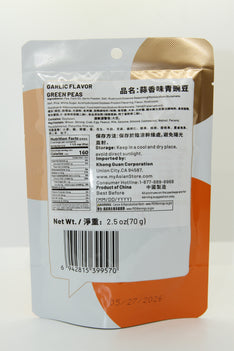
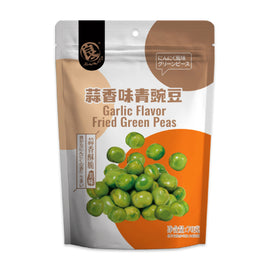
Yamata Garlic Flavor Green Peas (蒜香味青豌豆) — 70gBold garlic, satisfying crunch. Yamata's Garlic Flavor Green Peas are roasted green peas (青豌豆) coated in a punchy,...
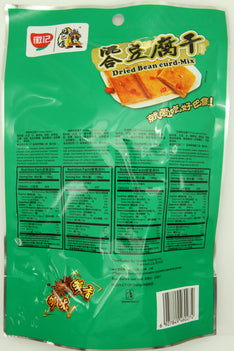
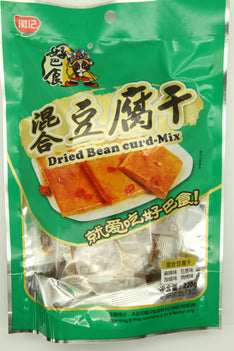
Hui Ji Mixed Flavor Dried Bean Curd 徽記好巴食混合豆腐干 220g Chewy, savory dried tofu strips seasoned in a mixed flavor blend — a classic Chinese snack...
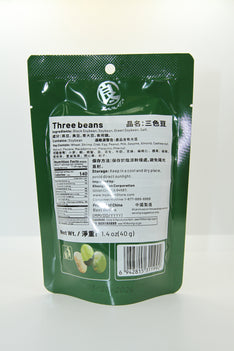
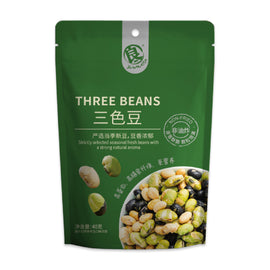
Yamata Three Beans Mix (三色豆) — 40gThree beans, one satisfying crunch. Yamata's Three Beans Mix (三色豆) combines roasted black beans, soybeans, and edamame in a...