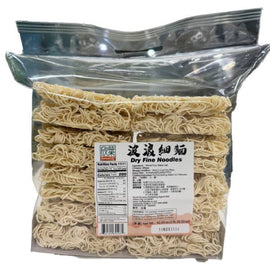
NOODLES

NOODLES

The Art of Homemade Noodles: A Complete Guide

Why Make Noodles at Home?

Homemade noodles transform simple meals into extraordinary experiences. Unlike store-bought versions, they have superior texture, fresh flavor, and no preservatives. Whether you're making Italian pasta, Asian wheat noodles, or egg noodles, the process connects you to culinary traditions worldwide and allows complete control over ingredients and thickness.

Basic Equipment You'll Need

  • Essential: Large mixing bowl, rolling pin, clean work surface, sharp knife or pizza cutter

  • Helpful but optional: Pasta machine, kitchen scale, dough scraper

  • For drying: Drying rack or clean towel


Foundation Recipe: All-Purpose Wheat Noodles

This versatile dough works for countless noodle types across cuisines.

Ingredients:

  • 2 cups all-purpose flour (240g), plus extra for dusting

  • 2 large eggs

  • 3-4 tablespoons water

  • 1 teaspoon salt (for flavor; optional)

  • 1 tablespoon neutral oil (vegetable or canola)

Step-by-Step Process:

1. Make the Dough

  1. Mound flour on work surface or in bowl. Create a well in center.

  2. Add eggs, 3 tablespoons water, salt, and oil into the well.

  3. Using a fork, gradually incorporate flour from edges into wet ingredients.

  4. Once combined, knead for 8-10 minutes until smooth, elastic, and no longer sticky. Add flour if too wet, water if too dry.

  5. Rest the dough: Wrap in plastic or cover with damp cloth. Let rest at room temperature 30 minutes to 2 hours. This relaxes gluten, making rolling easier.

2. Roll and Cut

Without a pasta machine:

  1. Divide dough into 4 manageable portions.

  2. On floured surface, roll one portion as thin as possible (⅛ inch or less for most noodles). Rotate dough regularly to prevent sticking.

  3. Lightly dust both sides with flour, fold into loose rectangle, and slice to desired width:

    • Fettuccine: ¼-inch strips

    • Tagliatelle: ⅜-inch strips

    • Pappardelle: 1-inch strips

    • Asian noodles: ⅛-inch strips

  4. Unfold strips, toss with flour to prevent sticking.

With a pasta machine:

  1. Flatten dough portion to ½-inch thickness.

  2. Set rollers to widest setting. Feed dough through.

  3. Fold into thirds, rotate 90°, and repeat 2-3 times until smooth.

  4. Gradually decrease roller settings until desired thickness (usually setting 5-7).

  5. Use cutting attachment or hand-cut as above.

3. Cook or Store

  • Fresh cooking: Boil in salted water 2-4 minutes until al dente.

  • Drying: Hang on rack or lay on floured surface 12-24 hours until brittle. Store in airtight container.

  • Freezing: Arrange in single layer on baking sheet, freeze 1 hour, then transfer to freezer bags.


Specialty Noodle Variations

1. Rich Egg Noodles (European Style)

  • Ingredients: 2 cups flour, 3 whole eggs + 2 yolks, 1 tbsp olive oil, ½ tsp salt

  • Method: Extra yolks create richer color and tender bite. Perfect for chicken noodle soup.

2. Semolina Pasta (Italian Classic)

  • Ingredients: 1½ cups semolina flour, ½ cup all-purpose flour, 2 eggs, 3-4 tbsp water

  • Method: Semolina gives firm, chewy texture ideal for hearty sauces.

3. Asian Wheat Noodles (Ramen/Udon Style)

  • For Ramen: 2 cups bread flour (high protein), 1 egg, ½ tsp baked soda* (kansui substitute), ¼ cup water

  • For Udon: 2 cups all-purpose flour, ¾ cup water, 1 tsp salt (knead 30 minutes for signature chew)

  • *Baked soda: Spread baking soda on baking sheet, bake at 250°F for 1 hour. Creates alkaline salts similar to kansui.

4. Spinach or Herb Noodles

  • Ingredients: Base dough + ½ cup puréed cooked spinach (squeezed dry) or ¼ cup finely chopped fresh herbs

  • Method: Incorporate purée with eggs. Adds color and subtle flavor.

5. Gluten-Free Noodles

  • Ingredients: 1 cup rice flour, ½ cup tapioca starch, ¼ cup potato starch, 2 eggs, 2 tbsp xanthan gum, ¼-⅓ cup water

  • Method: Mix dry ingredients thoroughly. Expect more fragile dough; handle gently.


Regional Noodle Techniques

Hand-Pulled Noodles (La Mian)

  1. Make basic dough with bread flour and alkaline water.

  2. Knead 15 minutes, rest 30 minutes.

  3. Roll into log, coat with oil, rest 2+ hours.

  4. Stretch and fold repeatedly, using gravity to pull into thin strands.

  5. Requires practice but creates incredible texture.

Cut Noodles (Dao Xiao Mian)

  1. Make stiff dough (less water).

  2. Hold dough block at angle over boiling water.

  3. Shave thin strips directly into pot with sharp knife.

  4. Cooks instantly with rustic edges.

Orecchiette ("Little Ears")

  1. Roll dough into ½-inch ropes.

  2. Cut into ¼-inch pieces.

  3. Press each piece with thumb against work surface, dragging slightly to curl.

  4. Flip inside-out over thumb.


The Science of Great Noodles


Factor Effect Tip
Flour protein More protein = chewier noodle Bread flour for chew, all-purpose for tender
Resting time Relaxes gluten, prevents shrinkage Never skip the rest!
Egg vs. water Eggs add richness and color More yolks = richer, more tender
Thickness Thicker = longer cook, chewier Match thickness to sauce weight
Drying method Air-dried = porous texture Don't crowd while drying

Troubleshooting Guide


Problem Likely Cause Solution
Dough too sticky Insufficient flour or humidity Add flour 1 tbsp at a time while kneading
Dough too dry/crumbly Not enough liquid Wet hands and knead, or add water dropwise
Noodles tough/chewy Over-kneaded or not rested Knead just until smooth; rest adequately
Noodles fall apart Too little kneading or insufficient egg Knead until gluten develops (8-10 min)
Noodles stick together Insufficient flour when cutting Dust generously with flour between layers
Mushy cooked texture Overcooked or rolled too thin Roll thicker; taste at minimum cook time

Flavor Enhancement Ideas

  • Infused oils: Add rosemary, garlic, or chili oil to dough

  • Colored noodles: Beet powder (pink), turmeric (yellow), squid ink (black)

  • Whole grain: Substitute ½ cup flour with whole wheat, buckwheat, or rye

  • Seaweed noodles: Add 2 tbsp nori powder for umami flavor


Serving & Pairing Suggestions

  • Fresh egg noodles: Butter, Parmesan, black pepper (Cacio e Pepe)

  • Semolina pasta: Hearty ragù, meatballs, or creamy Alfredo

  • Asian wheat noodles: Brothy soups, stir-fries with bold sauces

  • Spinach noodles: Light tomato sauce, pesto, or brown butter sage

  • Hand-pulled noodles: Spicy chili oil, braised meats, scallions


Storage Methods

  1. Fresh (uncooked): Refrigerate floured noodles in airtight container 2-3 days.

  2. Dried: Completely air-dry (24-48 hours), store in airtight container 1-2 months.

  3. Frozen: Flash-freeze on tray, then bag. Cook frozen, adding 1-2 minutes to time.

  4. Par-cooked: Boil 1 minute less than done, rinse with cold water, toss with oil, refrigerate 2 days or freeze.


The Joy of Homemade Noodles

Making noodles connects you to centuries of culinary tradition across cultures. The rhythmic kneading, the satisfaction of rolling paper-thin sheets, and the magic of seeing simple ingredients transform into nourishing food—these experiences make homemade noodles worth the effort.

Start with the basic recipe, master it, then explore variations. Your first batch might not be perfect, but even "imperfect" homemade noodles surpass most store-bought versions in flavor and satisfaction.

Remember: Noodle-making is forgiving. Too thick? Call them pappardelle. Irregular cuts? That's "rustico" style. The key is to enjoy the process, learn with each batch, and savor the incomparable taste of noodles made with your own hands.

Pro tip: Double the recipe—fresh noodles freeze beautifully, giving you instant gourmet meals on busy days. Soon you'll find making noodles as natural as boiling water, and your meals will never be the same.

Why THICK Noodles Win for Northern Chinese Style Northern Chinese cuisine favors wheat noodles that are chewy, springy, and can stand up to rich, savory, and...
Wet Milling: The Science of Separation Unlike the dry grinding methods of stone and roller milling, wet milling is a chemical and mechanical process designed...
5 ways to cook dry ramen at home that will make you forget about carry-out   1. The "Chef's Broth" Ramen Bowl Why it beats...
The Fine Art of Fine Noodles: How to Transform Delicate Dry Noodles into unforgettable Meals Fine dry noodles—those wispy, delicate strands found in packs of...
Here are the key reasons to choose thin dry noodles over thick ones: 1. Speed & Convenience Faster Cooking: Thin noodles often cook in 3-6 minutes, making them ideal...
The Ultimate Guide to Shrimp Roe Noodles: 10 Irresistible Ways to Cook This Umami-Rich Delicacy Shrimp roe noodles, known as har mee or xia zhi mian (虾子面), are a...