Product successfully added to your shopping cart

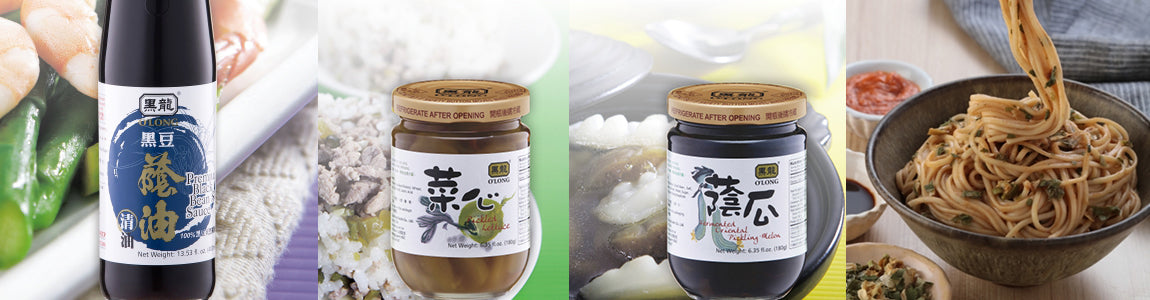
Lunar new year 年貨
Lunar New Year 年貨
Celebrate the new year the right way — with food that means something. This collection brings together traditional snacks, festive sweets, teas, and pantry staples chosen to share with family, give as gifts, or stock your table for reunion gatherings.
What You'll Find Here
- Festive snacks and confections — traditional treats to enjoy at home or share with guests during the 15 days of celebration
- Teas and instant drinks — warmly satisfying lattes, herbal teas, and beverages perfect for festive mornings and family visits
- Pantry and cooking essentials — sauces, condiments, and specialty ingredients for reunion dinner dishes and new year recipes
- Gifting essentials — thoughtfully packaged products that make meaningful 年貨 gifts for family, friends, and colleagues
Shop with Intention This New Year
Every item in this collection is stocked with the season in mind — quality products from trusted Asian brands that bring festive flavor to every table. Whether you're preparing for a family feast, building a gift set, or introducing someone to the flavors of Lunar New Year, you'll find something worth celebrating here.
恭喜發財! Wishing you a prosperous and flavorful new year. 🧧

Fort Knox Milk Chocolate Gold Coins 金幣巧克力 57g (15 coins) The classic gold foil-wrapped milk chocolate coin — smooth, creamy Dutch milk chocolate in a...
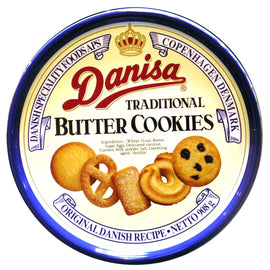
Danisa Butter Cookies 丹麥皇冠 曲奇餅举干 — 908g Large TinRich, buttery, and unmistakably classic. Danisa Butter Cookies (丹麥皇冠, Danish Crown) are made using an authentic Danish...
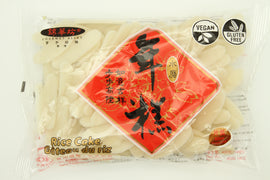
Gourmet Alley Wet Milled Rice Cake (年糕 / Nián Gāo) – 400gThe essential ingredient for Shanghainese stir-fries and Chinese New Year tradition. Gourmet Alley's Wet...
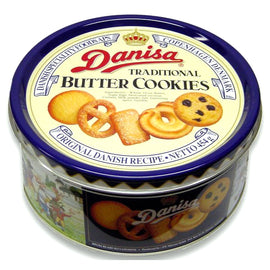
Danisa Butter Cookies 丹麥皇冠 曲奇餅举干 — 454g TinRich, buttery, and unmistakably classic. Danisa Butter Cookies (丹麥皇冠, Danish Crown) are made using an authentic Danish recipe...
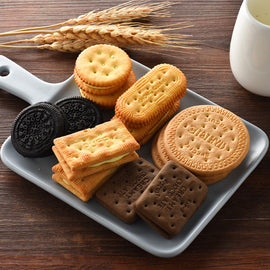
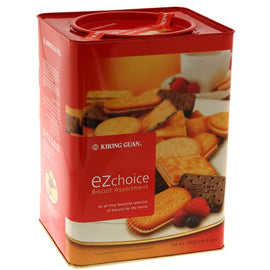
Khong Guan EZ Choice Biscuit Assortment Tin 康元 EZ Choice什錦餅 700g A generous 700g tin of classic Khong Guan biscuit varieties — sweet, creamy, and...

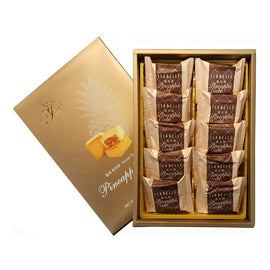
Isabelle Pineapple Cakes 伊莎貝爾 鳳梨酥 480g (10 pcs) Taiwan’s most beloved gift pastry. Isabelle’s Pineapple Cakes feature a delicate, buttery shortbread crust with a generous...


Yopokki Hot & Spicy Rice Cake 韓國辛辣味炒年糕 240g Chewy Korean rice cakes in a sweet, spicy sauce — the classic Korean street-food flavor of tteokbokki...


Yopokki Sweet & Spicy Rice Cake 韓國甜辣味炒年糕 240g The classic Korean street-food flavor in a quick, convenient format. Chewy Korean rice cakes (둥복이) in a...


Yopokki Cheese Rice Cake 韓國芝士味炒年糕 240g Chewy Korean rice cakes in a creamy, savory cheese sauce — the milder, richer sibling of classic spicy tteokbokki....


Sungiven Peanut Crunch with Black Sesame 元初 黑苝麺花生酥 — 150gA traditional Chinese peanut brittle made with roasted peanuts, 40%+ black sesame seeds, and maltose —...