Product successfully added to your shopping cart

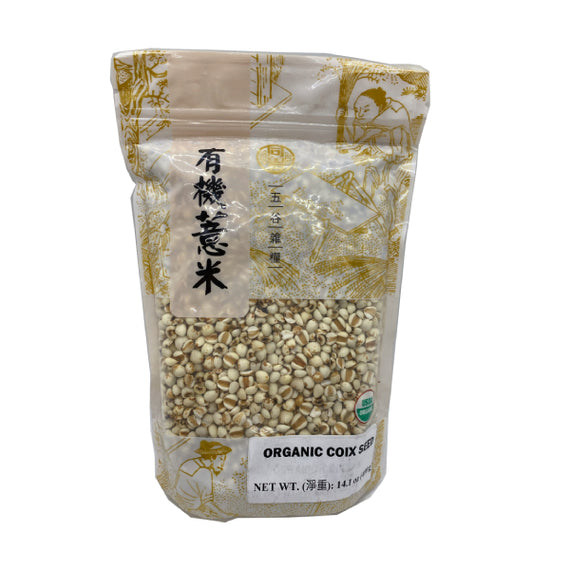
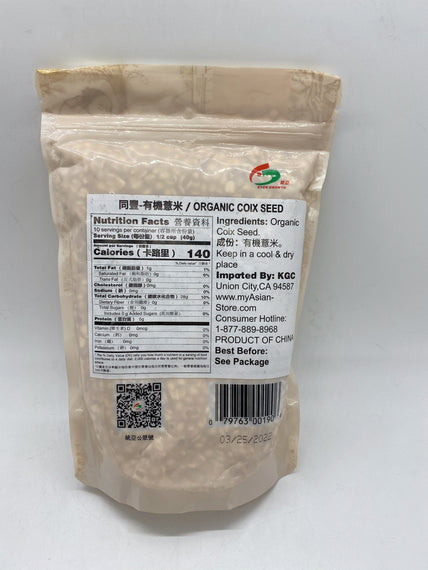
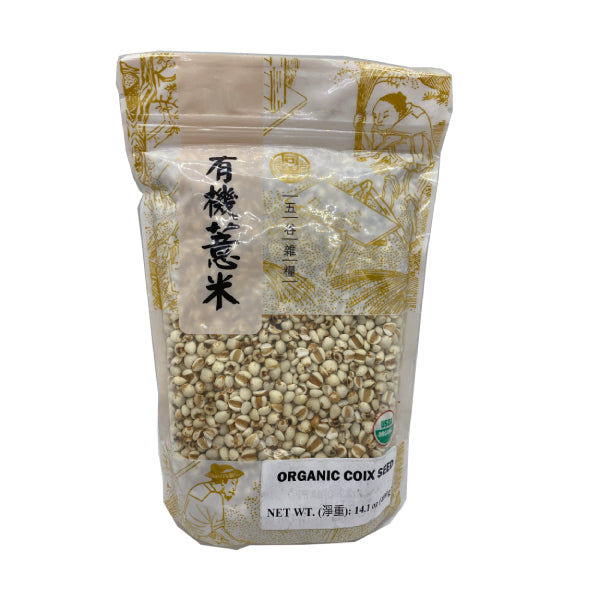
TF Organic Coix Seed — Yi Yi Ren 同豐 有機藜米 — 400gTCM's premier dampness-resolving grain. Coix Seed (Yi Yi Ren / 藜米仁, also known as Job's Tears) is a celebrated functional food in Traditional Chinese Medicine — prized for draining dampness, supporting clear skin, and strengthening digestion. Mild, slightly nutty,...
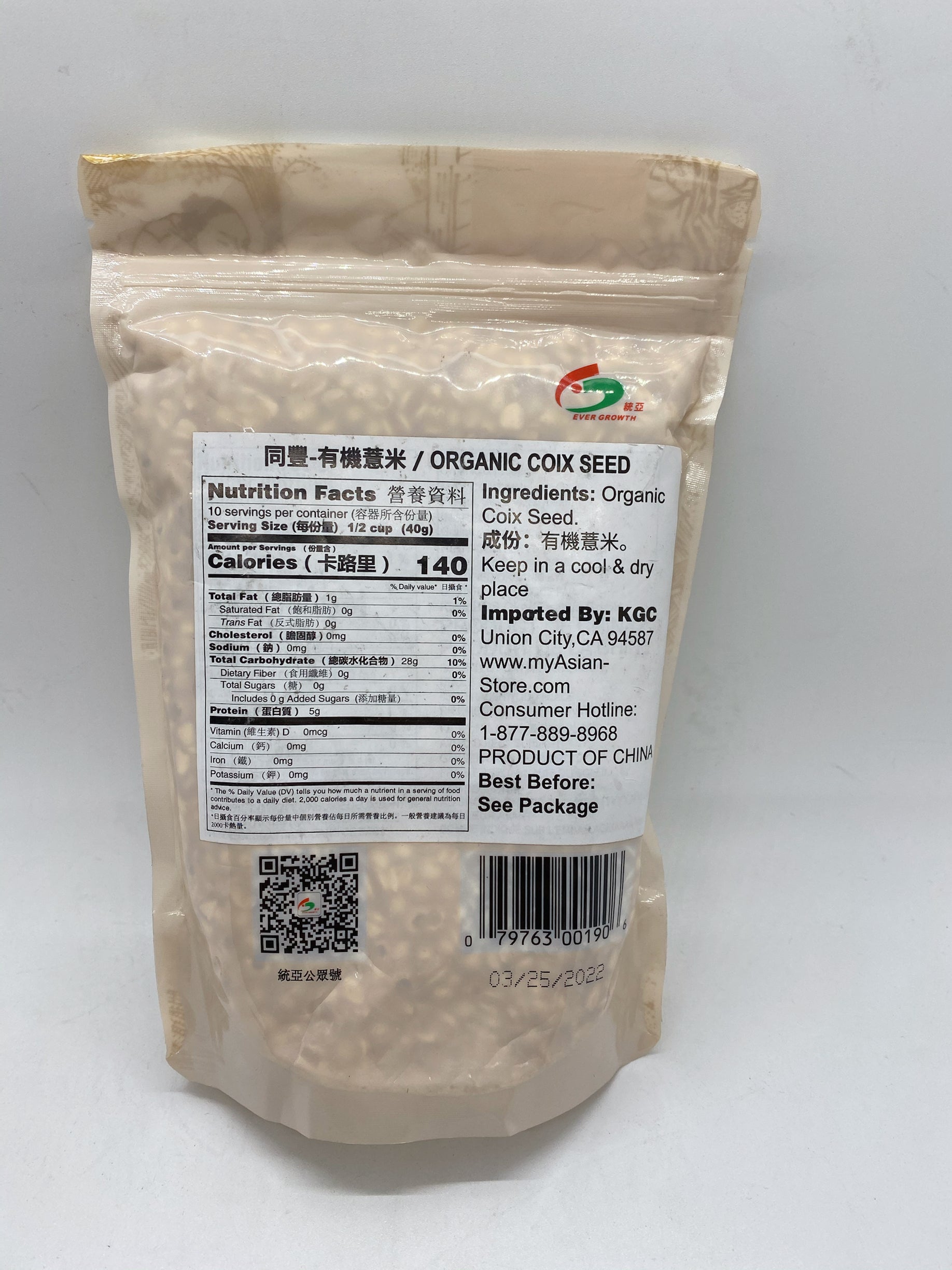
TF Organic Coix Seed — Yi Yi Ren 同豐 有機藜米 — 400g
TCM's premier dampness-resolving grain. Coix Seed (Yi Yi Ren / 藜米仁, also known as Job's Tears) is a celebrated functional food in Traditional Chinese Medicine — prized for draining dampness, supporting clear skin, and strengthening digestion. Mild, slightly nutty, and pleasantly chewy. Certified organic, gluten-free, no additives. Made in China. 400g bag.
Product Details
- Net Weight: 400g
- Country of Origin: China
- Brand: TF (同豐)
- Certified Organic · Gluten-free · No additives
- Note: Often mislabeled as "Pearl Barley" — confirm it is Coix seed, not regular barley
How to Use
- Congee / porridge: Add ¼ cup to rice congee for a chewy, nourishing boost
- Red Bean & Coix Seed Soup (赤小豆藜米湯): The classic TCM dampness-draining pairing — simmer equal parts with ginger for 1 hour
- Eight Treasure Congee (八寶粥): A key grain in this traditional nourishing porridge
- Grain bowls: Cook alone (1:3 ratio, 45–60 min) and mix with rice or millet for added texture
Classic Recipe: Yi Yi Ren & Red Bean Soup
Dry-roast 3 tbsp coix seed and 3 tbsp small red beans in a pan for 3–4 minutes until fragrant. Rinse, then simmer with 6 cups water and 2–3 ginger slices for 1 hour. Sweeten lightly with rock sugar if desired.
Allergen Information
No common allergens. Check the actual package for full information. Use cautiously during pregnancy.
Also Available from TF 同豐
Related Products
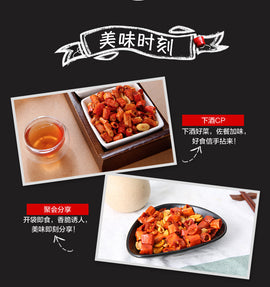
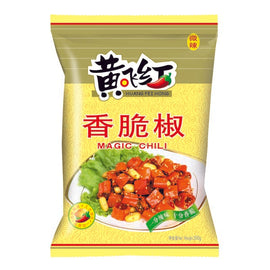
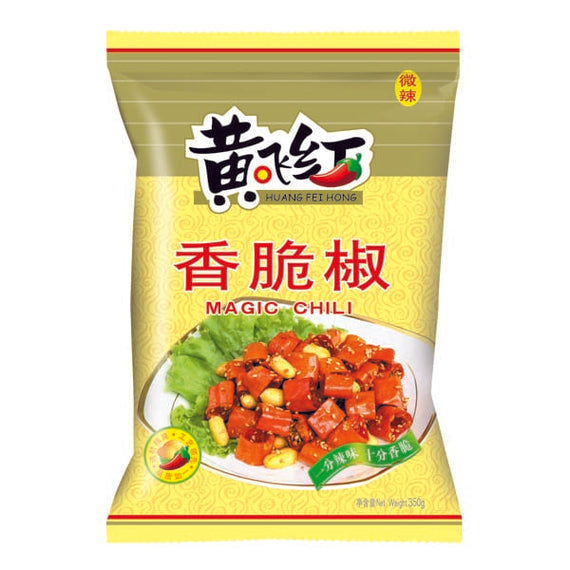
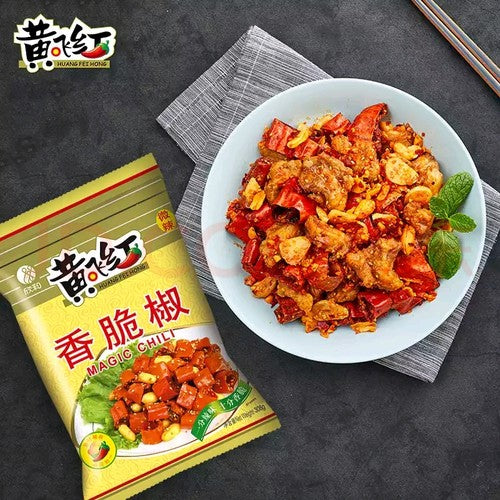
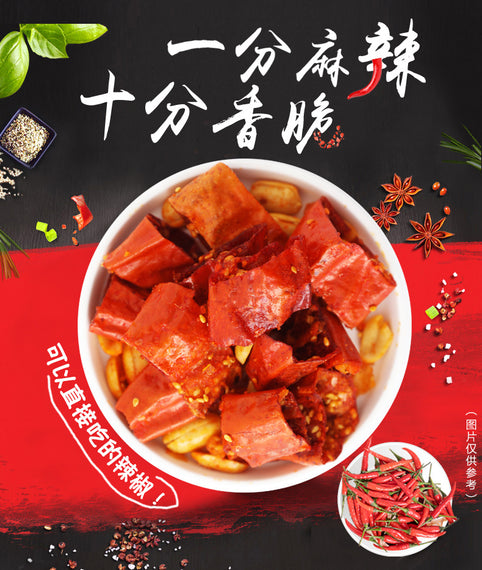
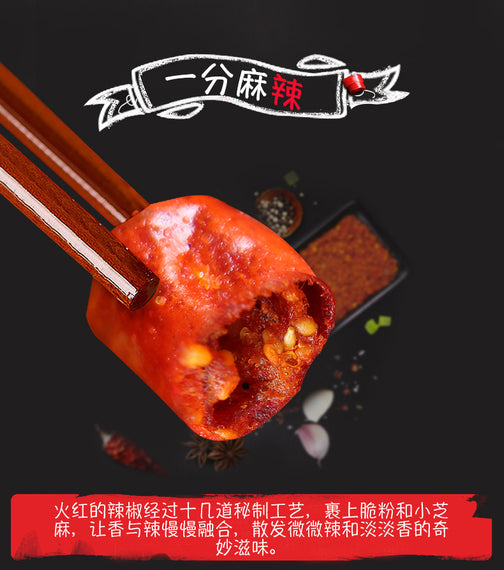
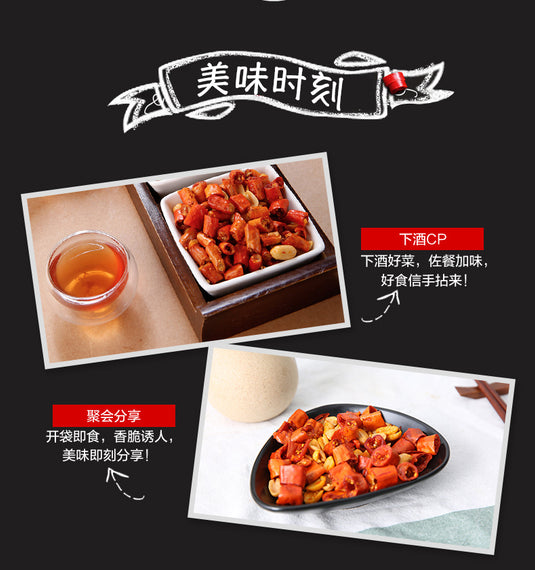
HUANG FEI HONG Magic Chili Snack 黃飛紅香脆椒 — 350gBring bold chili crunch to snack time with HUANG FE...
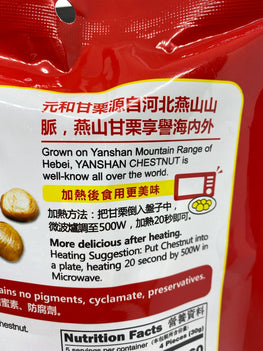
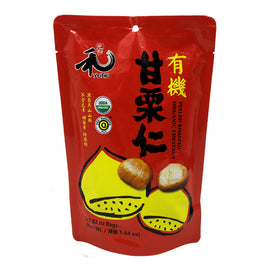
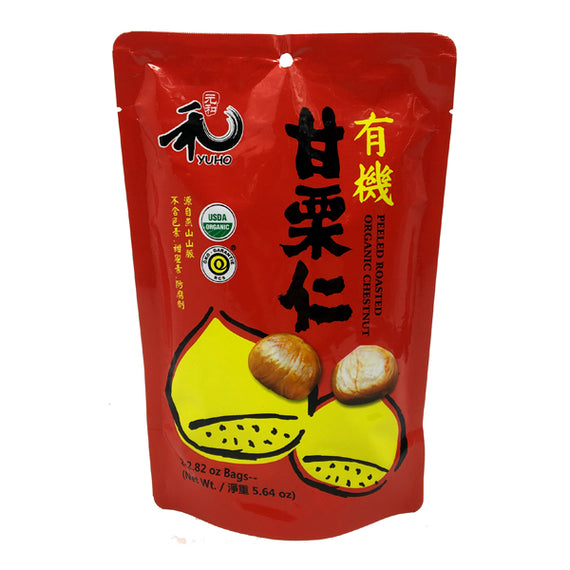
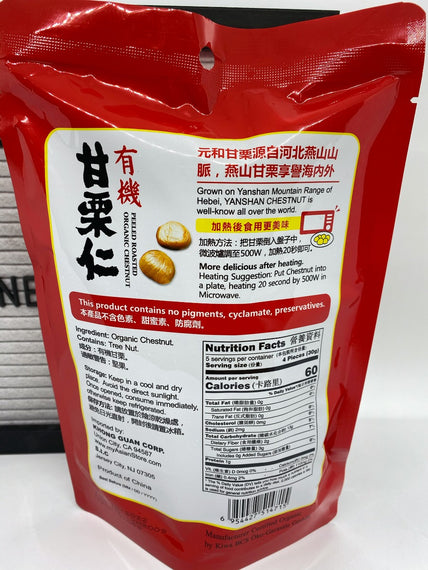
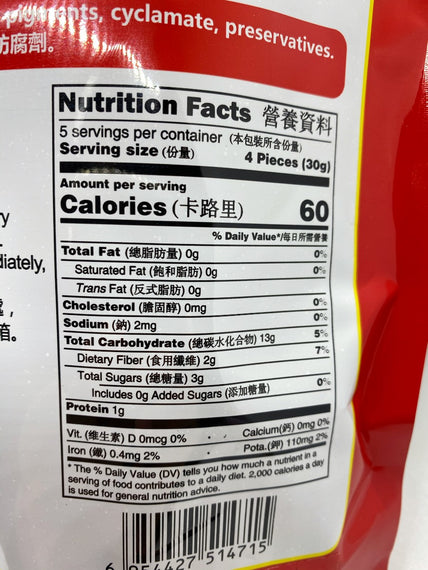
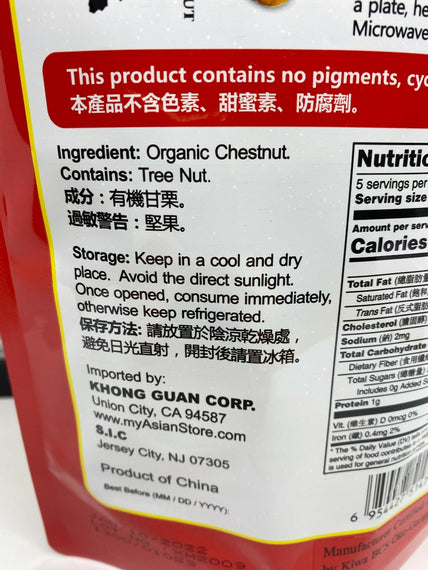
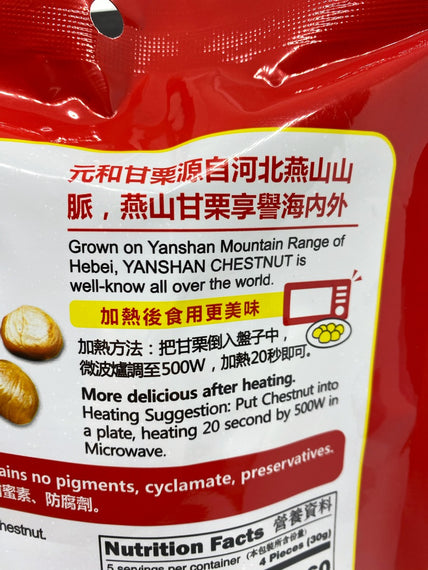
YUHO Organic Peeled Chestnuts (元和 有機甘栗仁) – 5.64oz / 159gReady-to-eat organic chestnuts, peeled an...
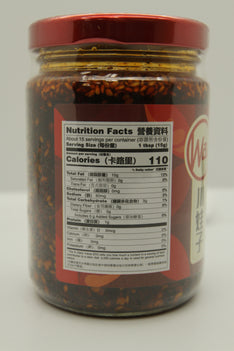
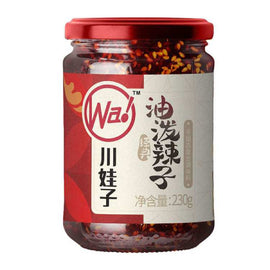
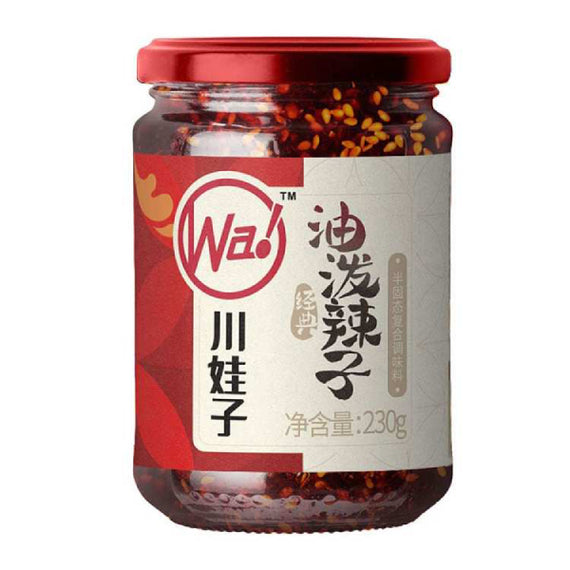
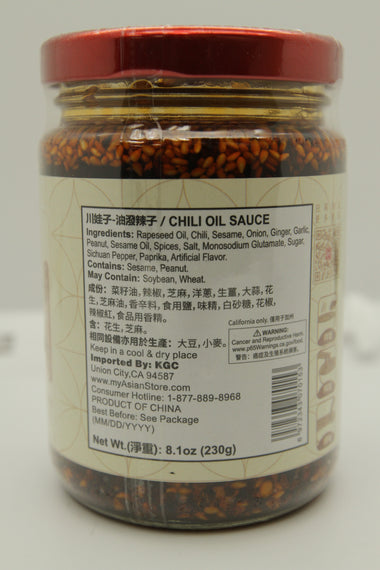
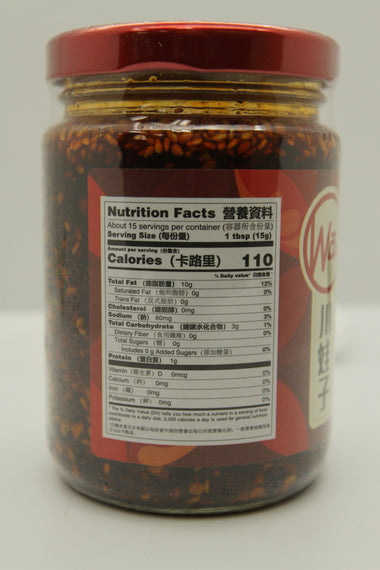
Chuan Wa Zi Chili Oil Sauce 川娃子 油潑辣子 — 230g
Authentic Sichuan chili crisp — the real 油潑辣子 (“oil-s...
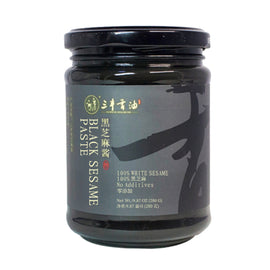
Sanfeng 100% Black Sesame Seed Paste 三豐 100% 黑苝麻醬 — 280gPure, unadulterated black sesame paste — ...
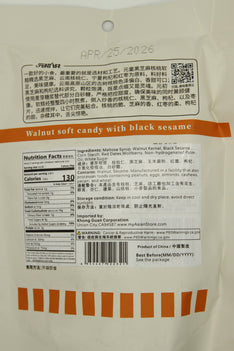
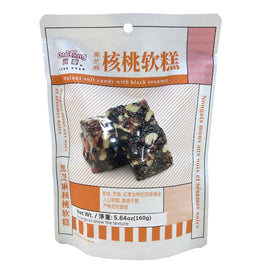
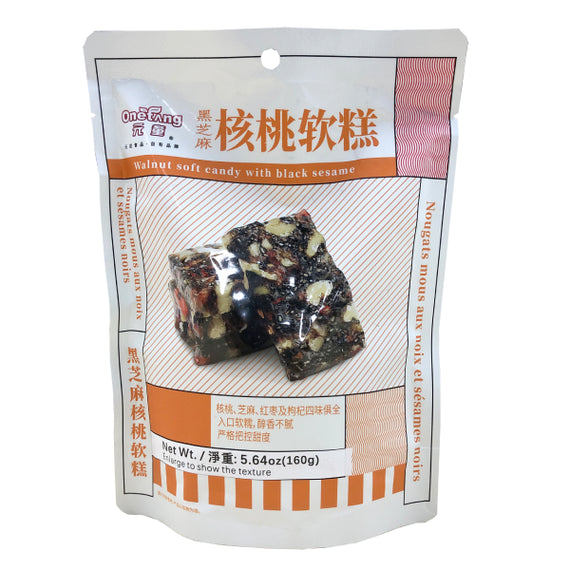
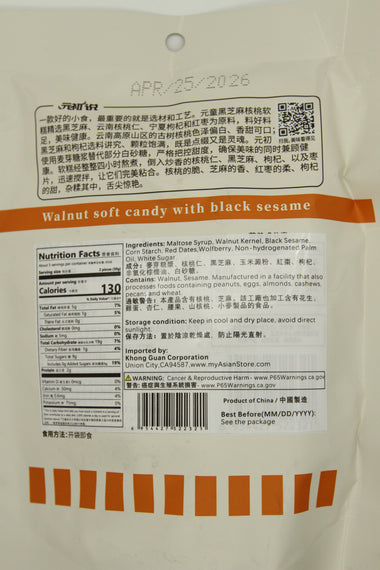
ONETANG Walnut Soft Candy with Black Sesame 元童 黑苝麺核桃軟糕 — 160gThe classic ONETANG Walnut Soft Cand...
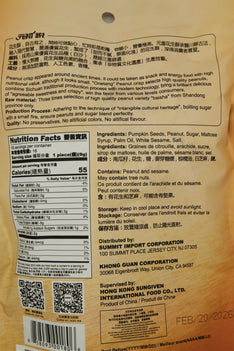
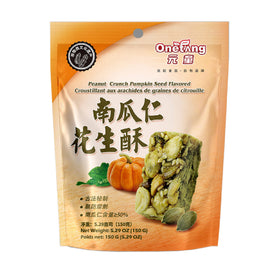
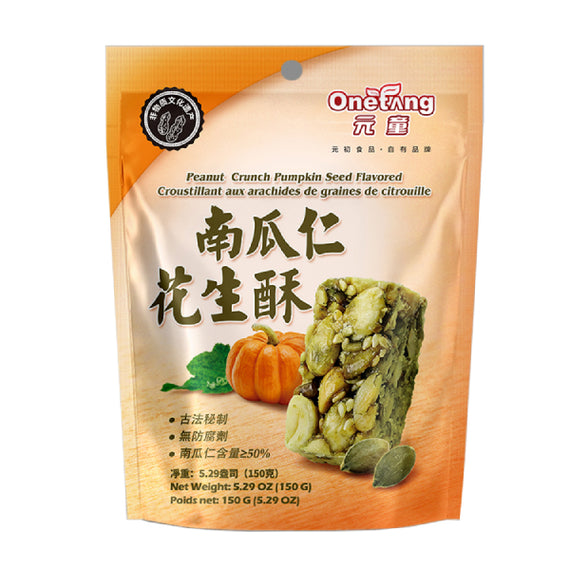
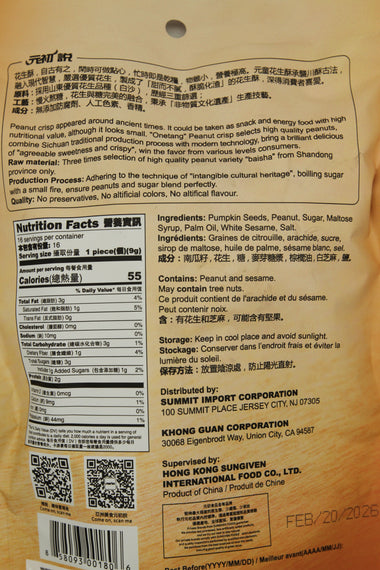
ONETANG Pumpkin Seed & Peanut Crunch 元童 南瓜仁花生酥 — 150gA traditional Chinese nut brittle made t...


Sungiven Peanut Crunch with Black Sesame 元初 黑苝麺花生酥 — 150gA traditional Chinese peanut brittle mad...
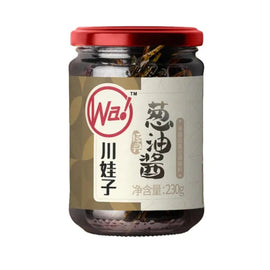
Chuan Wa Zi Shallot Oil Sauce 川娃子 蔥油醬 — 230g
The fragrant, heat-free companion to chili oil. Chua...
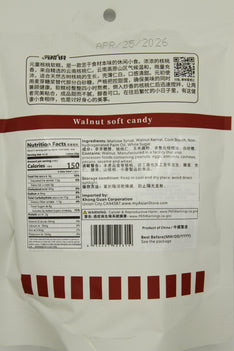
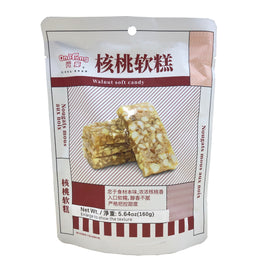
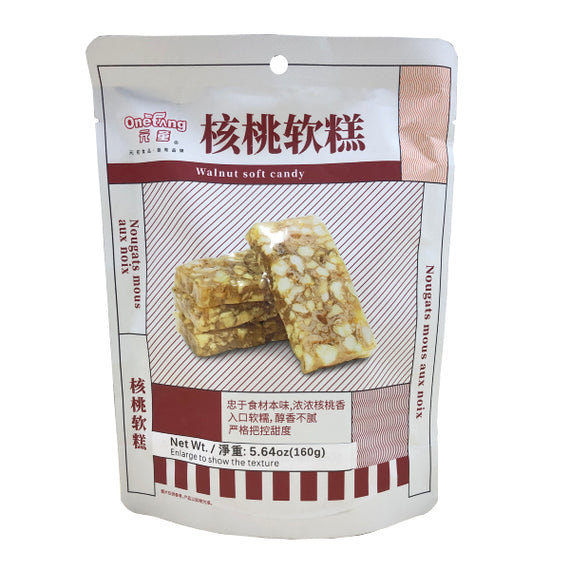
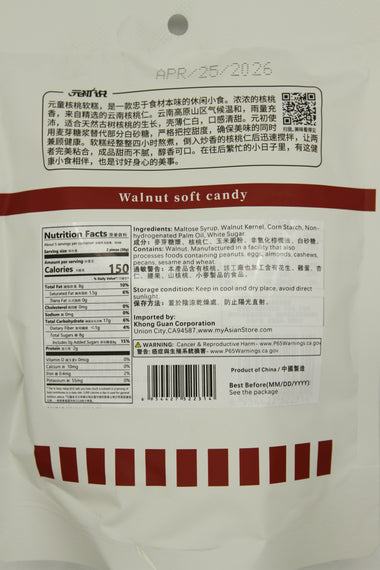
ONETANG Walnut Soft Candy 元童 核桃軟糕 — 160gSoft, chewy, and nutty. ONETANG Walnut Soft Candy is a tr...
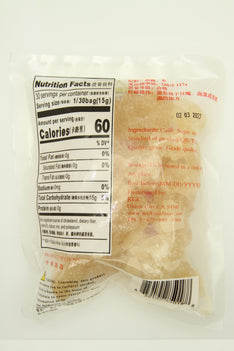
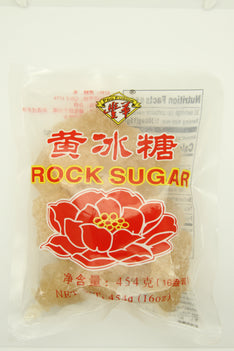
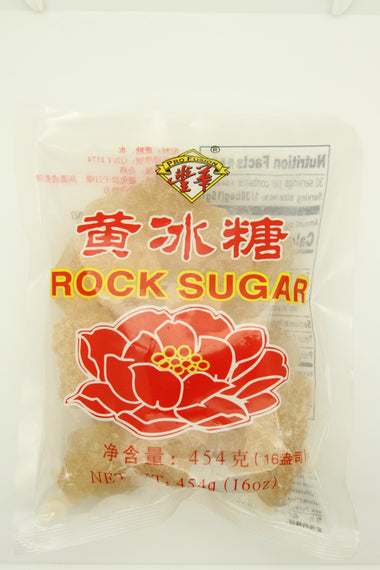
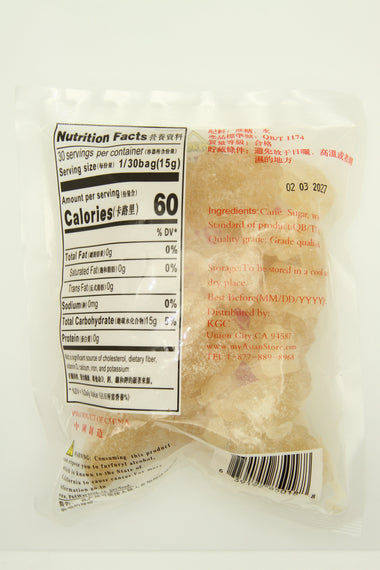
Profusion Rock Sugar 豐華 黃冰糖 — 454gA kitchen staple across Chinese households. Profusion Yellow Ro...