Product successfully added to your shopping cart

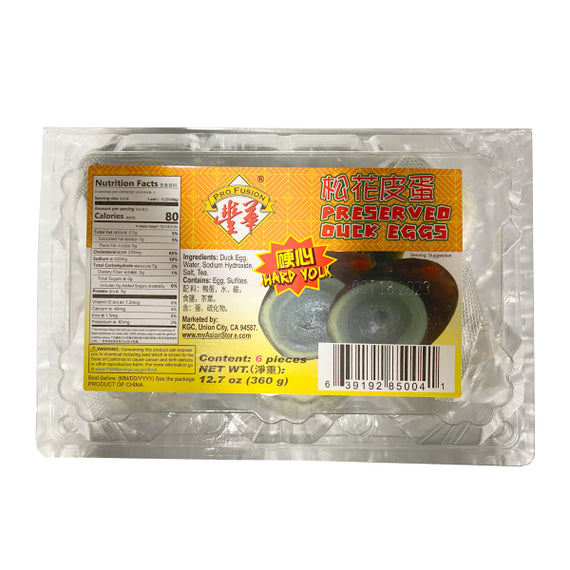
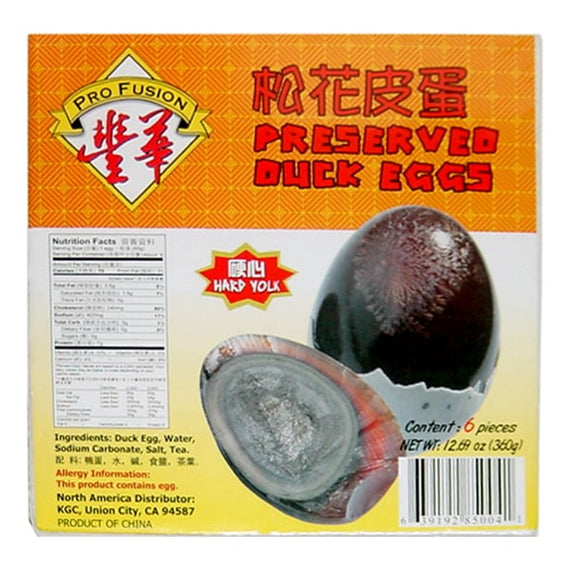
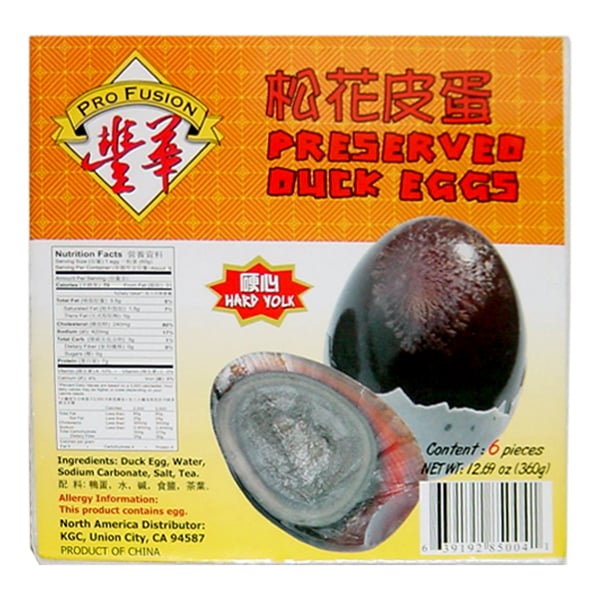
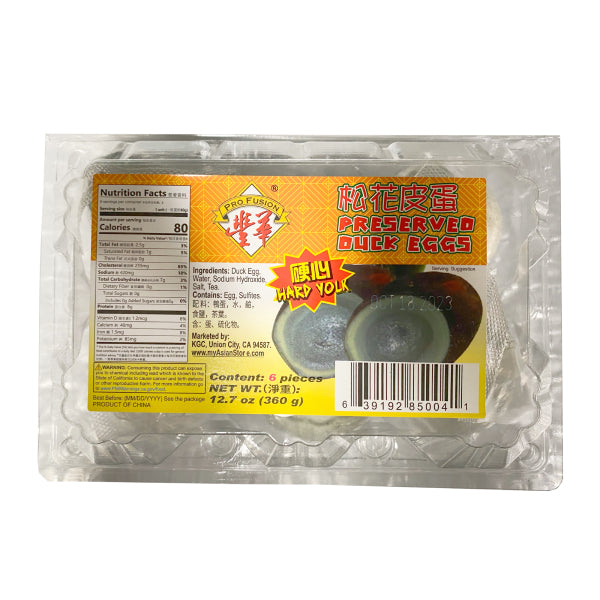
PRO FUSION (Century egg) Preserved Hark Yolk Duck Eggs (6 Pieces) 豐華 硬心松花皮蛋 6枚
Conquering the Century Egg: An American Cook's Guide to the Ultimate Umami Delicacy
So, you’ve seen them in the Asian market: those mysterious, mud-covered or plastic-wrapped black eggs with cryptic labels like "Preserved Egg" or "Pidan." Your curiosity is piqued, but a whisper of intimidation holds you back. What are they? Will they smell? How on earth do you eat them?
Welcome to the world of the century egg, a legendary Chinese ingredient that’s less intimidating—and more delicious—than its reputation suggests. Think of it not as a daunting challenge, but as the Asiatic equivalent of a pungent blue cheese or a deeply funky truffle. This guide will demystify the process, arm you with practical tips, and provide you with two foolproof, delicious recipes to begin your journey.
What Exactly Is a Century Egg?
First, let's clear the air: It’s not 100 years old. The name is a poetic exaggeration. Also called a thousand-year egg, preserved egg, or pidan, it's typically a duck egg (sometimes chicken or quail) that has been preserved in a unique alkaline clay-like mixture of ash, salt, quicklime, and tea for several weeks to months.
The science is fascinating: the alkaline solution raises the pH of the egg, causing its proteins and fats to transform. The yolk becomes a creamy, dark green-gray, super-savory paste with a complex umami flavor. The white transforms into a firm, translucent, amber-to-dark-brown jelly with a bouncy, gelatinous texture. The result is an ingredient with a deep, mineral-rich, cheese-like flavor and a uniquely smooth yet firm mouthfeel.
Step 1: Selection & Preparation – Your Pre-Game Strategy
Buying Them: Find them in the refrigerated section of any well-stocked Asian grocery store. They come individually, in packs of four, or still coated in their original preservation clay or husk. For your first time, choose the pre-cleaned, plastic-wrapped ones for simplicity.
The Infamous Aroma: Your Battle Plan
Yes, century eggs have a distinct smell, primarily due to ammonia and sulfur compounds. This is normal, but here’s how to handle it like a pro:
-
For the Egg: After peeling under cold water, try a quick blanch. Pour boiling water over the peeled egg, let it sit for 60-90 seconds, then drain. This simple step mellows the sharpest notes of the aroma and slightly firms the texture, making it more approachable.
-
For Your Kitchen: Turn on your stove vent or open a window before you start. The smell dissipates quickly.
-
For Your Hands: After handling, scrub your hands with a paste of lemon juice and coarse salt, or rub them on stainless steel (a spoon or your sink) under cold water. It neutralizes the odor instantly.
Flavor Philosophy: Embrace the aroma as part of the experience. Your goal isn't to erase it, but to balance it with bright, sharp, and fresh counterpoints.
Recipe 1: Century Egg & Silken Tofu Salad (皮蛋豆腐)
The Perfect No-Cook Introduction
This classic appetizer is ready in 10 minutes and highlights the egg's texture and flavor against a cool, creamy backdrop.
Ingredients:
-
1 (14-16 oz) package silken or soft tofu
-
1-2 century eggs, peeled, blanched (optional), and cut into wedges
-
2 green onions, thinly sliced
-
A few sprigs of fresh cilantro, chopped (optional)
-
1 teaspoon toasted sesame seeds
For the Magical Sauce:
-
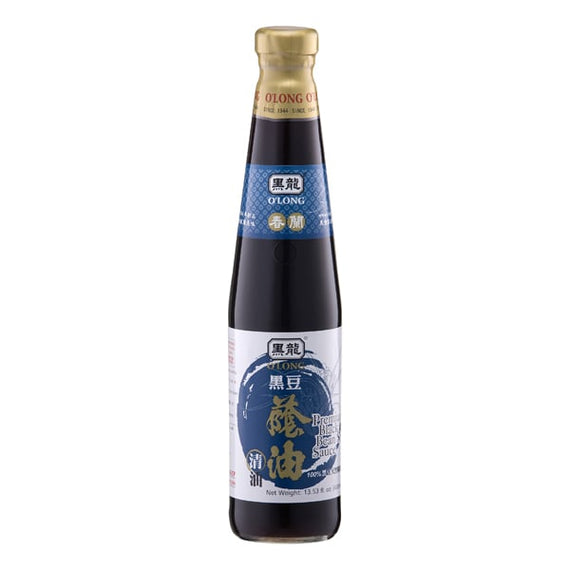
2 tablespoons light soy sauce or tamari
-
1 tablespoon toasted sesame oil
-
1 teaspoon black vinegar or rice vinegar
-
A tiny pinch of sugar
-
The Secret Weapon: 1-2 teaspoons of Lao Gan Ma chili crisp (highly recommended!)
Instructions:
-
Plate the Tofu: Gently drain the tofu and slide it onto a serving plate. You can slice it into ½-inch slabs or leave it whole.
-
Arrange: Artfully place the century egg wedges around the tofu. Sprinkle generously with green onions and cilantro.
-
Sauce: In a small bowl, whisk together all the sauce ingredients until emulsified.
-
Serve: Drizzle the sauce evenly over everything. Garnish with sesame seeds. Serve immediately, encouraging guests to scoop up a bit of everything in one bite.
Recipe 2: Classic Century Egg & Pork Congee (Rice Porridge)
Ultimate Comfort Food
In this warm, savory porridge, the century egg melts slightly, enriching every spoonful with its deep flavor. It’s the most comforting way to enjoy it.
Ingredients:
-
1 cup jasmine rice (or ½ cup rice + ½ cup broken jasmine rice for faster creaminess)
-
8 cups low-sodium chicken or vegetable broth (or water)
-
1 (½-inch) knob of ginger, half sliced, half julienned for garnish
-
¼ lb ground pork, lightly seasoned with soy sauce and white pepper
-
2-3 century eggs, peeled and diced
-
Toppings: Sliced green onions, fresh cilantro, julienned ginger, fried shallots or garlic, soy sauce, white pepper, sesame oil, youtiao (Chinese fried dough) or fried wonton strips.
Instructions:
-
Start the Congee: Rinse the rice until water runs clear. In a large pot, combine rice, broth, and the sliced ginger. Bring to a boil, then reduce heat to a low simmer. Partially cover and cook for 1 to 1.5 hours, stirring occasionally, until the rice has completely broken down into a thick, porridge-like consistency. (Pro tip: Use a slow cooker on low for 8 hours, or an Instant Pot on high pressure for 30 minutes with a natural release).
-
Cook the Pork: While the congee simmers, brown the ground pork in a small skillet until just cooked through. Drain any excess fat.
-
Combine: Once the congee is at your desired consistency, stir in the cooked ground pork. Simmer for another 5 minutes. Season with salt or a splash of soy sauce to taste.
-
Serve: Ladle the hot congee into bowls. Top each bowl generously with diced century egg, julienned ginger, green onions, and any other desired toppings. Finish with a drizzle of sesame oil and a dash of white pepper.
-
Eat: Mix everything together at the table and enjoy the warm, savory, complex harmony.
Your Adventure Awaits
The century egg is a gateway to a deeper understanding of Chinese cuisine and its mastery of texture and umami. Approach it with an open mind and the right recipes, and you'll discover not just a new ingredient, but a new favorite.
Remember the golden rule: balance is everything. Pair its rich, deep flavor with fresh, sharp, and crunchy elements. Start with the tofu salad to appreciate its pure form, then graduate to the comforting embrace of congee.
So take this guide, head to the market, and embrace the adventure. Your culinary world is about to get a whole lot more interesting
Net Weight:360g
Product of China

1. 直接沾佐料吃,如酱油、酱油膏、辣椒酱等。
2. 直接拌姜片或啤酒食用。
3. 制成各种料理,如皮蛋豆腐、糖醋皮蛋、三色蛋、皮蛋瘦肉粥、翡翠皮蛋羹等。