Product successfully added to your shopping cart

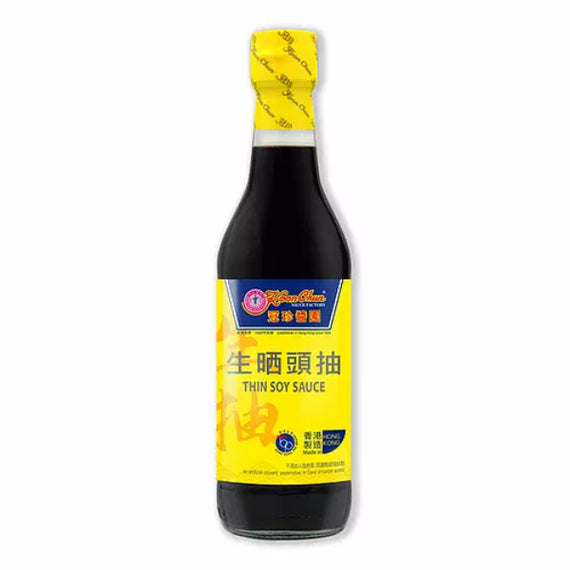
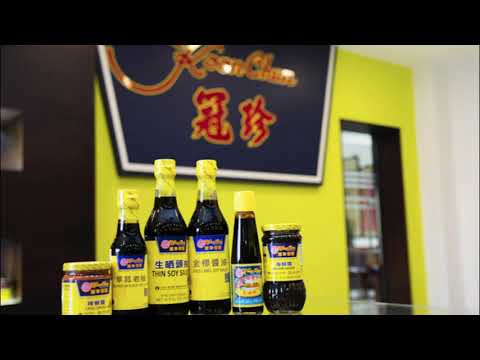
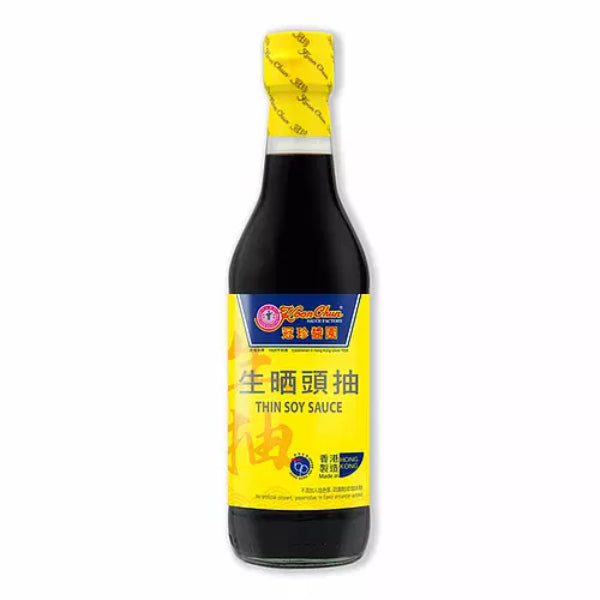
Koon Chun Thin Soy Sauce (Raw, Sun-dried) 冠珍生晒頭抽 500ml
Regular price
$6.99
Koon Chun Thin Soy Sauce (Raw, Sun-Dried) 冠珍生晒頭抽Bring bright, savory soy flavor to everyday cooking with Koon Chun Thin Soy Sauce. Made in Hong Kong using a traditional sun-dried brewing method, this versatile seasoning is ideal for dipping, stir-frying, marinating, and finishing dishes.Flavor ProfileFragrant, savory, and layered, with the balanced...
Koon Chun Thin Soy Sauce (Raw, Sun-Dried) 冠珍生晒頭抽
Bring bright, savory soy flavor to everyday cooking with Koon Chun Thin Soy Sauce. Made in Hong Kong using a traditional sun-dried brewing method, this versatile seasoning is ideal for dipping, stir-frying, marinating, and finishing dishes.
Flavor Profile
Fragrant, savory, and layered, with the balanced saltiness and fermented soy aroma that make thin soy sauce a kitchen essential. Use it when you want seasoning and soy flavor without adding the deeper color of dark soy sauce.
How to Use It
- Serve as a dipping sauce for dumplings, noodles, seafood, or vegetables
- Season stir-fries, fried rice, soups, and noodle dishes
- Mix with garlic, ginger, sesame oil, or chili for a quick dipping sauce
- Use as a base for marinades and Cantonese-style sauces
Product Details
- Net Volume: 500ml
- Country of Origin: Hong Kong
- Style: Raw, sun-dried thin soy sauce
More from Koon Chun 冠珍
Build a versatile Cantonese pantry with these complementary Koon Chun products:
- Gold Label Soy Sauce 冠珍金標醬油 — Everyday soy seasoning for cooking, dipping, and marinades
- Black Soy Sauce 冠珍老頭抽 — Adds deep color and richness to braises and noodles
- Superior Oyster Flavor Sauce 冠珍蠔油皇 — Savory-sweet umami for stir-fries and glazes
- Hoisin Sauce 冠珍海鮮醬 — Sweet-savory depth for dipping, glazing, and noodle dishes
Related Products
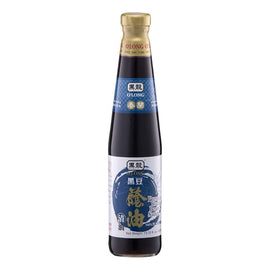
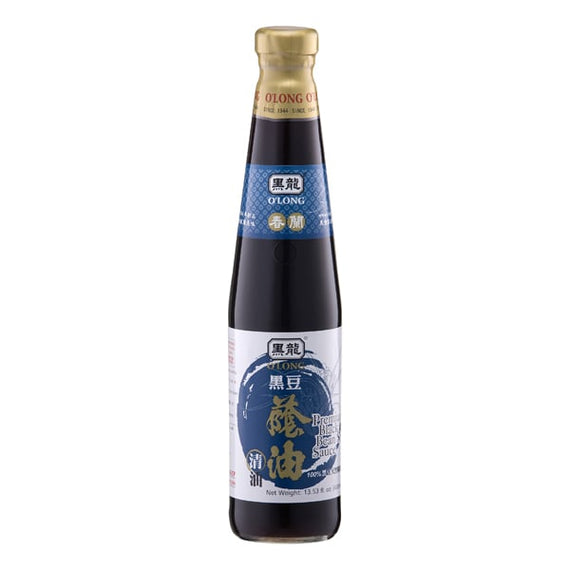
O’Long Premium Black Bean Soy Sauce — Regular (特級春蘭黑豆蔭油清) — 400ml
O’Long’s entry into pure-brewed...
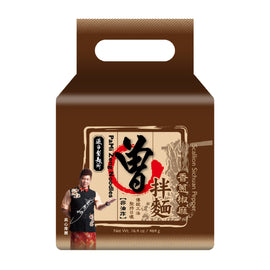
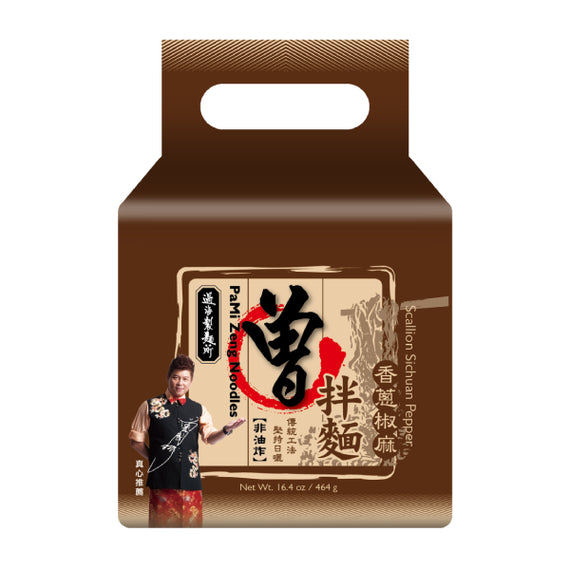
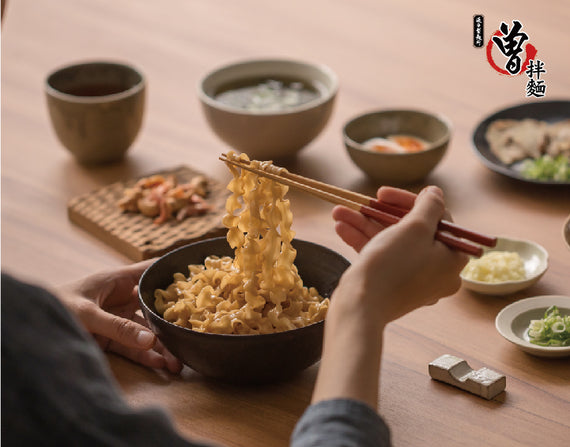
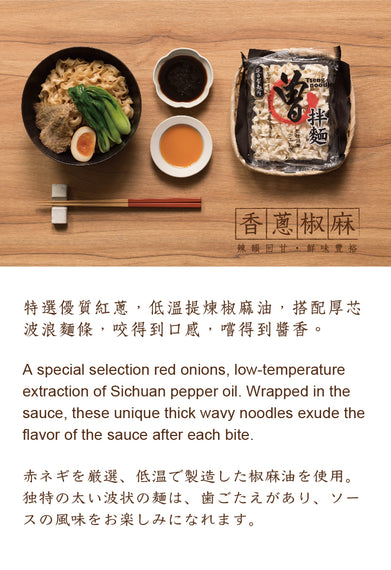
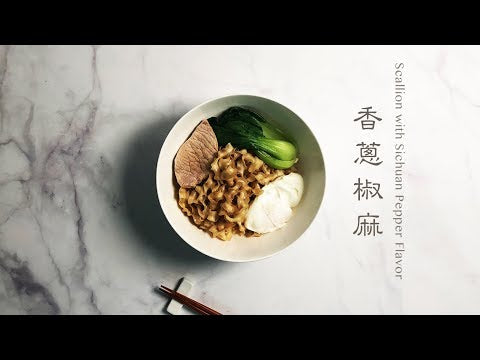
PaMi Zeng Scallion & Sichuan Pepper Noodles 曾拌麵 香蔥椒麻
Enjoy thick, chewy Taiwanese-style noodl...
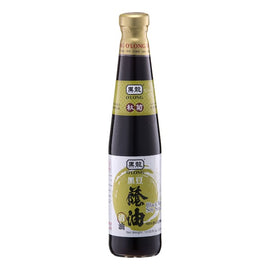
O’Long Black Bean Soy Sauce — Regular (秋菊黑豆蔭油清) — 400ml
O’Long’s everyday workhorse black bean so...
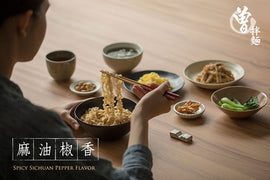
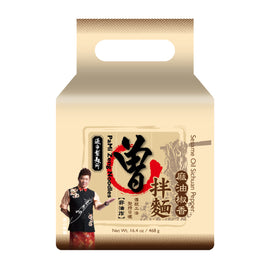
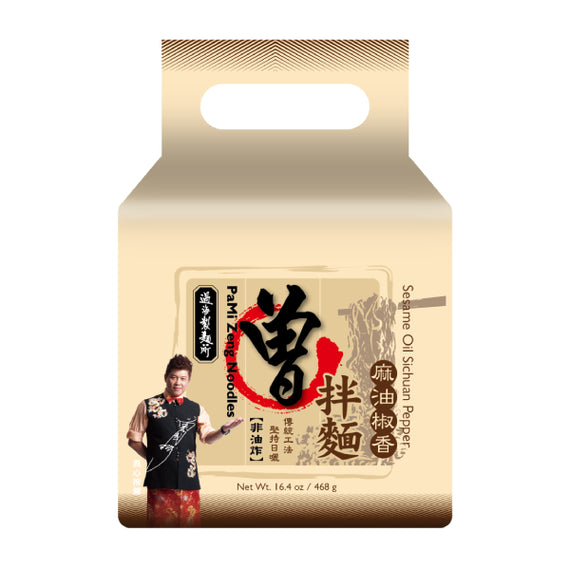
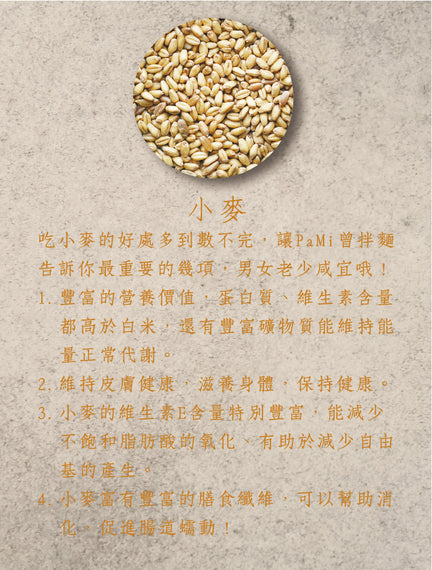
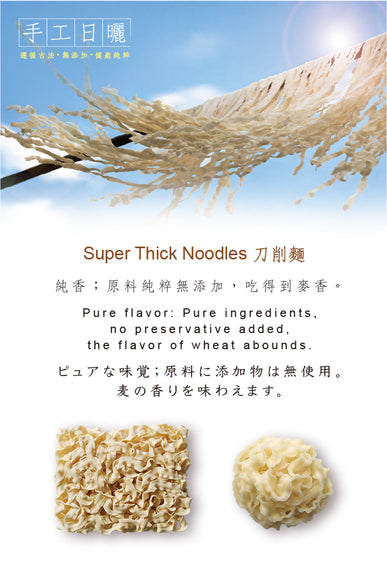
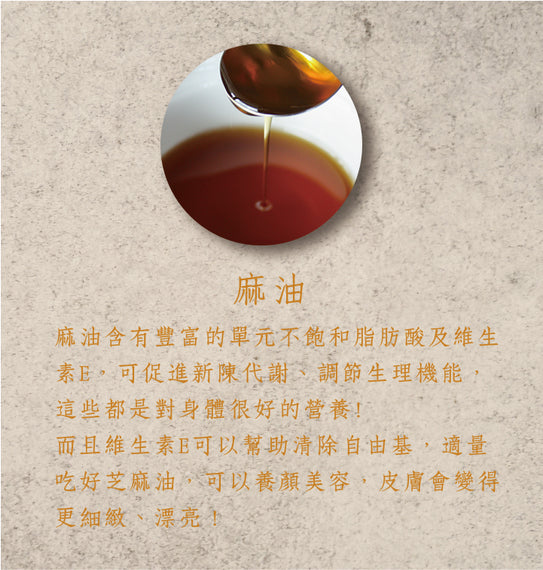
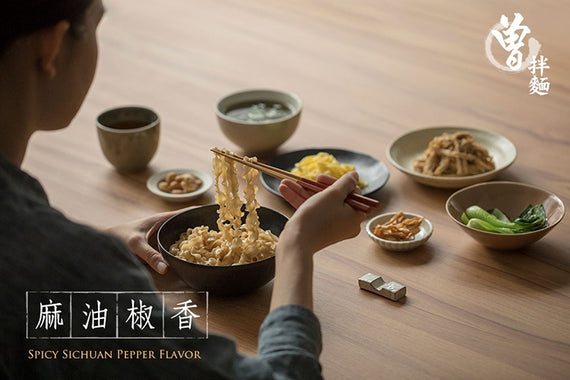
PaMi Zeng Sesame Oil & Sichuan Pepper Noodles 曾拌麵 麻油椒香
Enjoy thick, wavy Taiwanese-style nood...
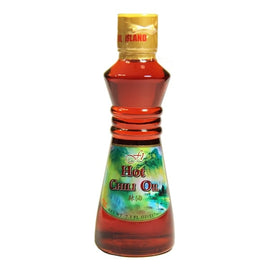
Fruitful Island Hot Chili Oil — 217ML (福壽 辣油)
Bold, fiery, and intensely flavoured. Fruitful Isl...
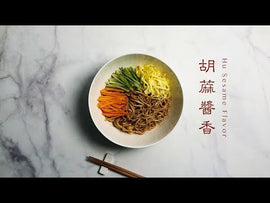
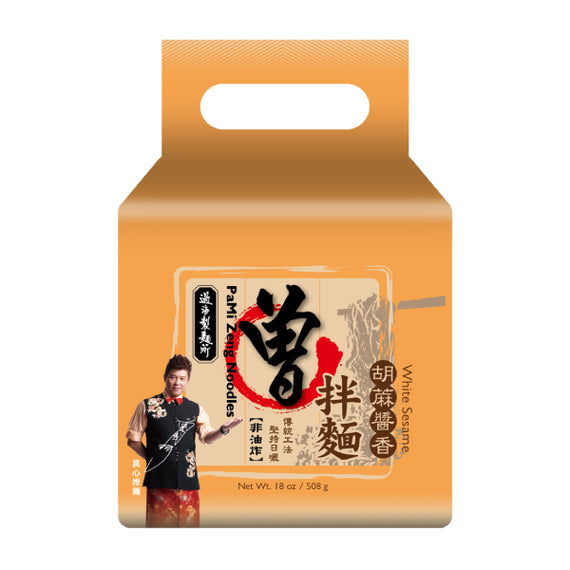
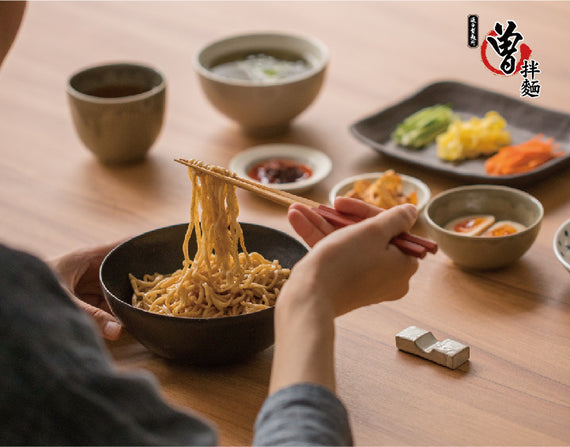
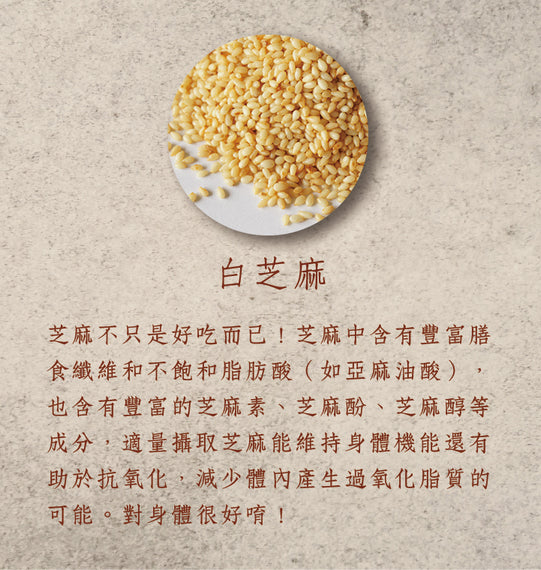
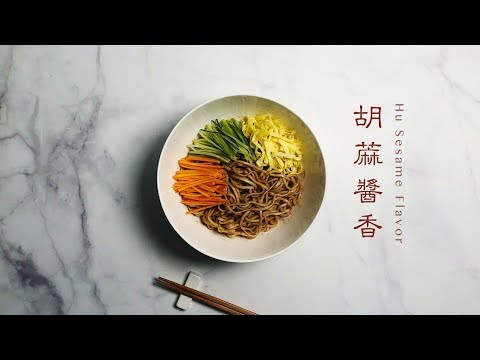
PaMi Zeng White Sesame Flavor Noodles 曾拌麵 胡麻醬香
Enjoy thick, wavy Taiwanese-style noodles coated i...
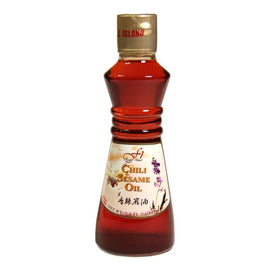
Fruitful Island Chili Sesame Oil — 217ML (福壽 香辣麻油)
The warm, nutty richness of sesame oil with a...
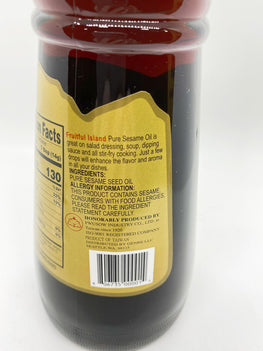
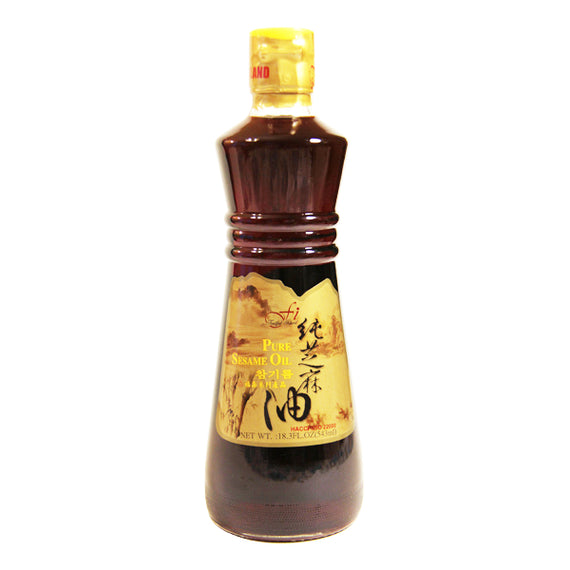
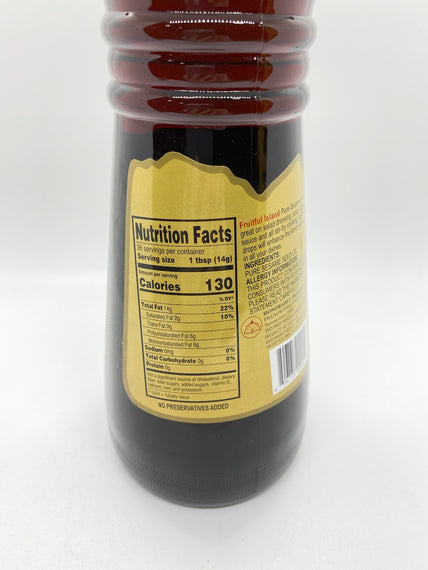
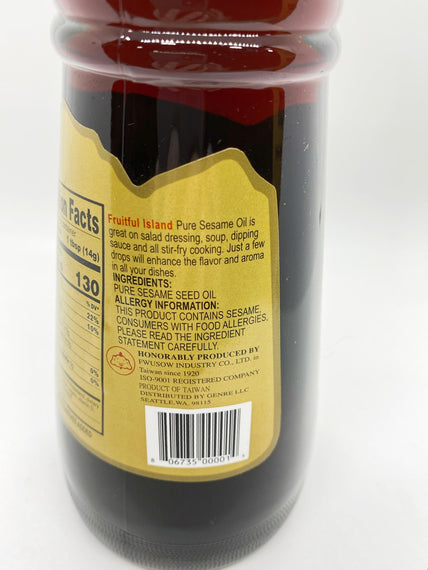
Fruitful Island Pure Sesame Oil — 543ML (福壽 純芝麻油)
100% pure sesame oil — no additives, no blendi...


Koon Chun Superior Oyster Flavor Sauce 冠珍蠔油皇Bring rich, savory depth to everyday cooking with Koo...
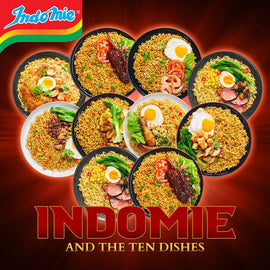
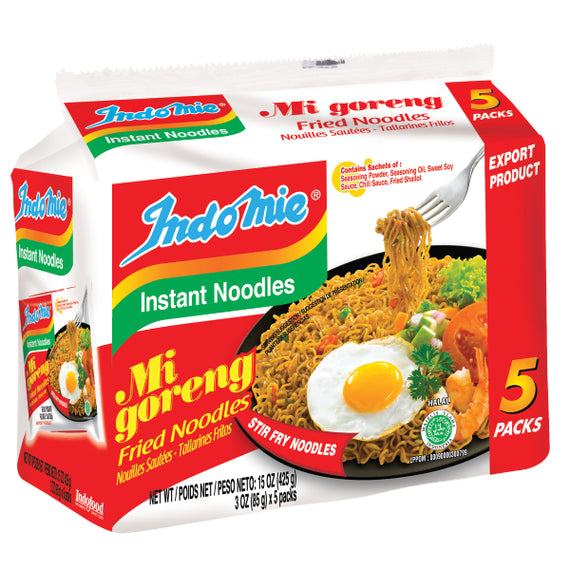
Indomie Mi Goreng Original Stir-Fried Noodles 營多撈麵 原味幹撈麵 — 5 Packs (85g each)
The world's most ic...