Product successfully added to your shopping cart

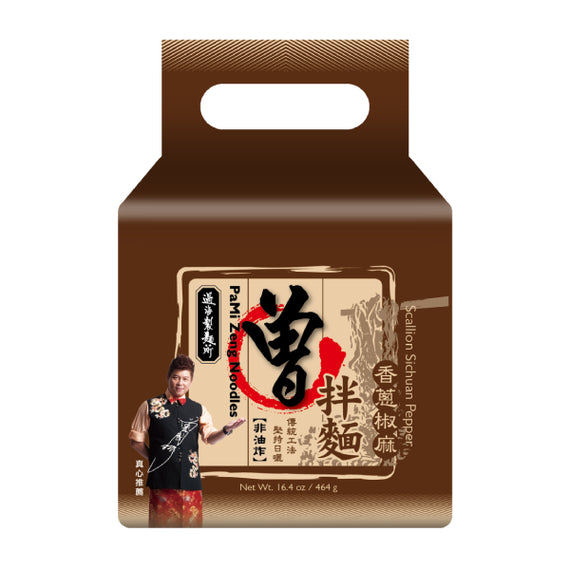
PaMi Zeng Scallion & Sichuan Pepper Noodles 4 Packs 曾拌麵
Regular price
$15.99
PaMi Zeng Scallion & Sichuan Pepper Noodles 曾拌麵 香蔥椒麻 Enjoy thick, chewy Taiwanese-style noodles tossed with aromatic scallion oil and a savory Sichuan-pepper sauce. This four-pack makes a quick pantry meal with bold flavor and plenty of room for your favorite toppings. What’s inside 4 individual noodle servings Scallion oil...
PaMi Zeng Scallion & Sichuan Pepper Noodles 曾拌麵 香蔥椒麻
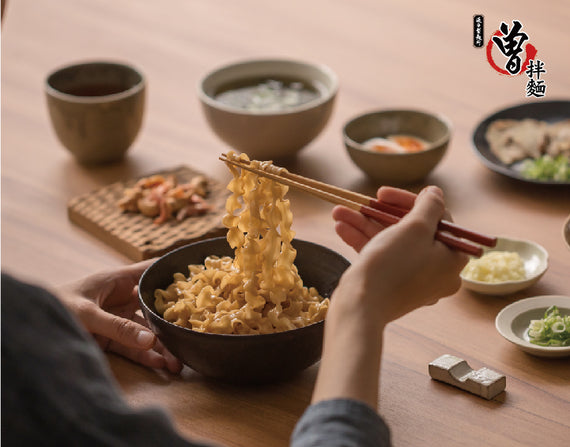
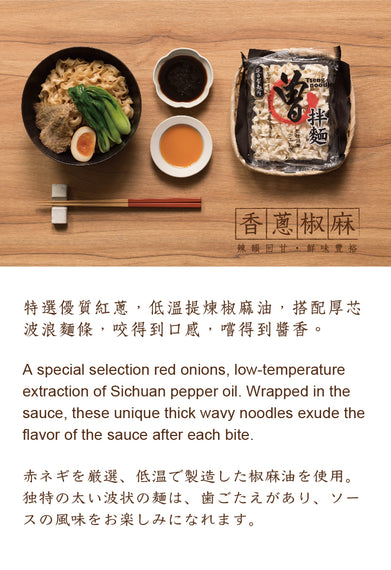
Enjoy thick, chewy Taiwanese-style noodles tossed with aromatic scallion oil and a savory Sichuan-pepper sauce. This four-pack makes a quick pantry meal with bold flavor and plenty of room for your favorite toppings.
What’s inside
- 4 individual noodle servings
- Scallion oil and Sichuan-pepper sauce packets
- 116g per pack, 464g total
- Made in Taiwan
Simple preparation
- Cook the noodles according to the package directions.
- Drain thoroughly and transfer to a bowl.
- Add the sauce packets and toss until the noodles are evenly coated.
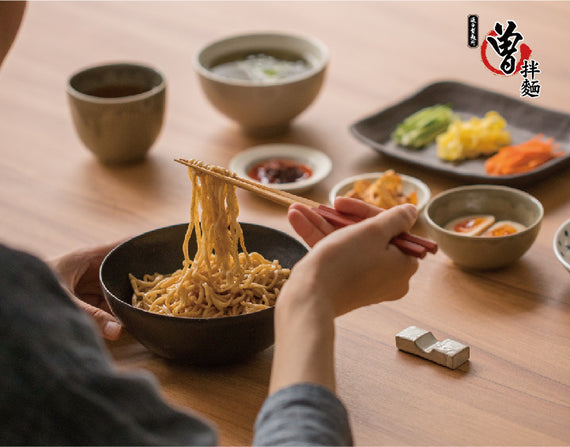
- Finish with scallions, a soft-boiled egg, sesame seeds, greens, or your preferred protein.
Serving ideas
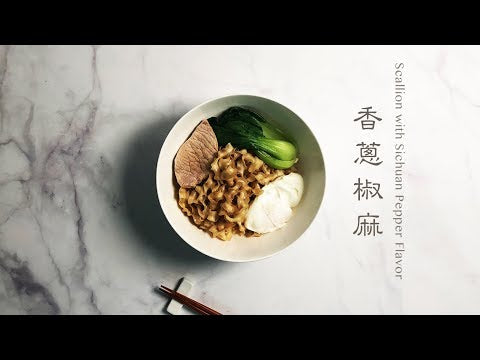
- Add a soft-boiled egg and green onions for a quick noodle bowl.
- Top with blanched greens, mushrooms, tofu, or sliced chicken.
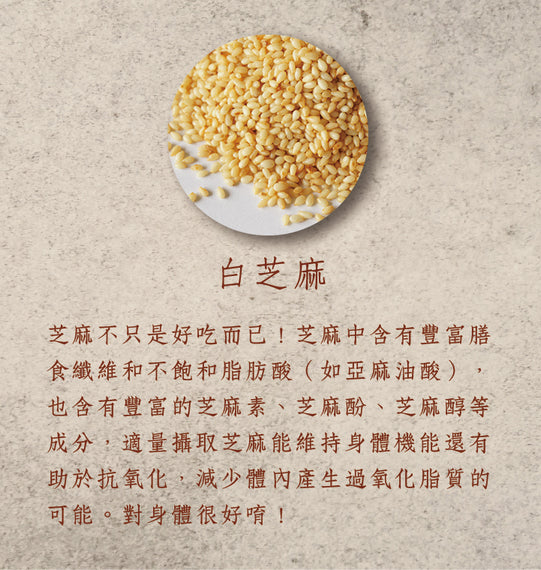
- Add sesame seeds or a small splash of sesame oil for extra aroma.
Product details
- Brand: PaMi Zeng
- Flavor: Scallion & Sichuan Pepper / 香蔥椒麻
- Pack size: 4 packs
- Net weight: 116g x 4 packs (464g total)
- Country of origin: Taiwan
Explore more PaMi Zeng noodles
Try the same brand in different flavor profiles:
- PaMi Zeng Sesame Oil Sichuan Pepper Vegan Noodles
- PaMi Zeng White Sesame Flavor Noodles
- PaMi Zeng Shallot and Minced Pork Flavor Noodles
- Tseng Rice Noodles Spicy Flavor
- Tseng Seafood Laksa Flavor Noodles
Refer to the package for current ingredients, allergen information, nutrition details, and preparation instructions.
Related Products
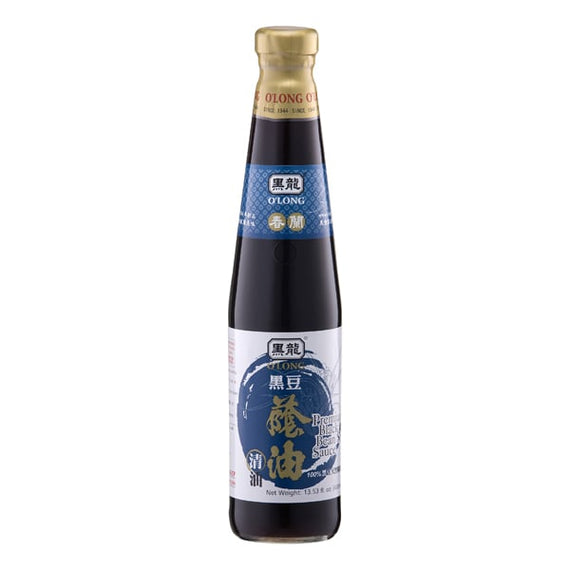
O’Long Premium Black Bean Soy Sauce — Regular (特級春蘭黑豆蔭油清) — 400ml
O’Long’s entry into pure-brewed...
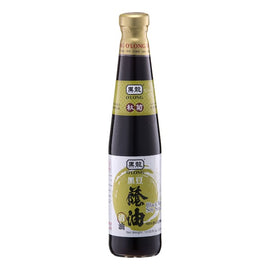
O’Long Black Bean Soy Sauce — Regular (秋菊黑豆蔭油清) — 400ml
O’Long’s everyday workhorse black bean so...
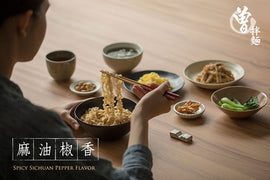
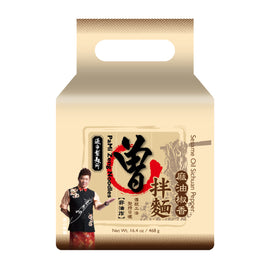
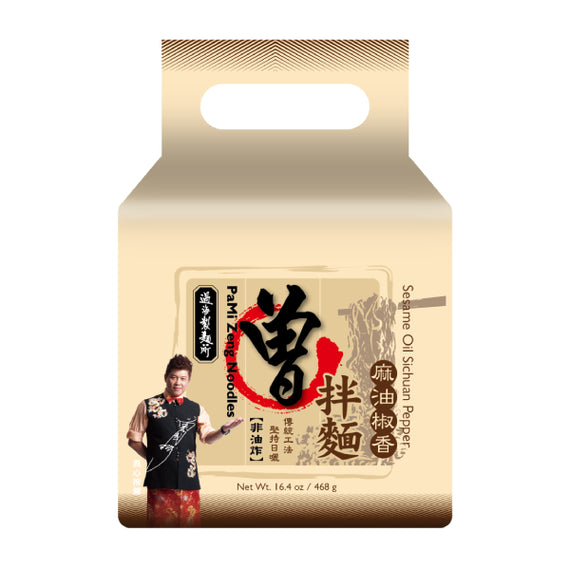
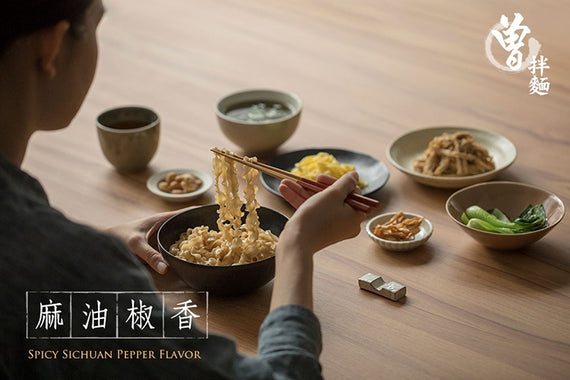
PaMi Zeng Sesame Oil & Sichuan Pepper Noodles 曾拌麵 麻油椒香
Enjoy thick, wavy Taiwanese-style nood...
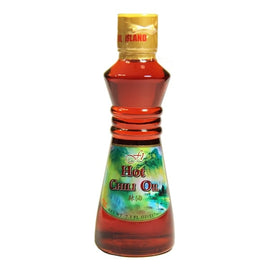
Fruitful Island Hot Chili Oil — 217ML (福壽 辣油)
Bold, fiery, and intensely flavoured. Fruitful Isl...
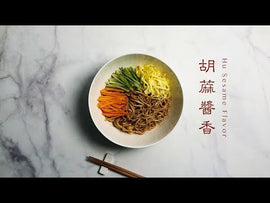
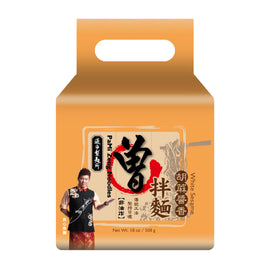
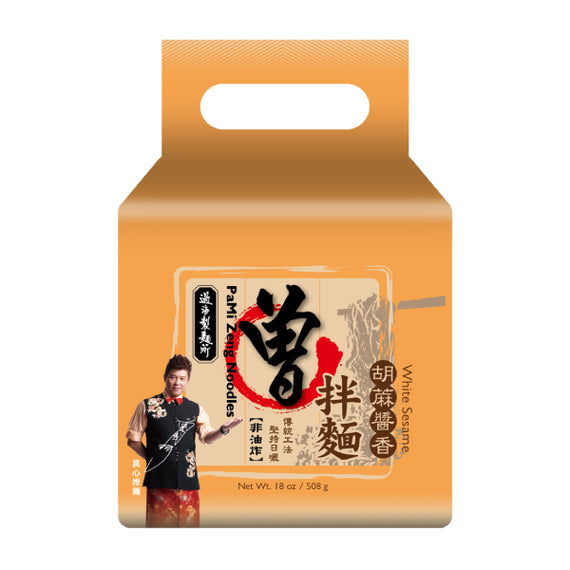
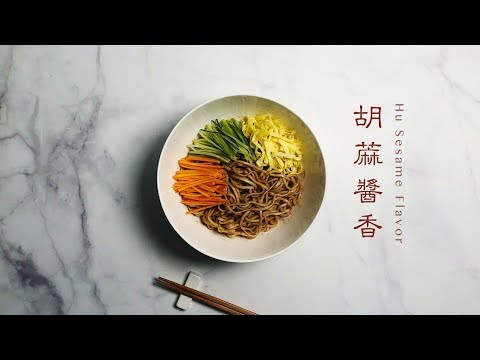
PaMi Zeng White Sesame Flavor Noodles 曾拌麵 胡麻醬香
Enjoy thick, wavy Taiwanese-style noodles coated i...
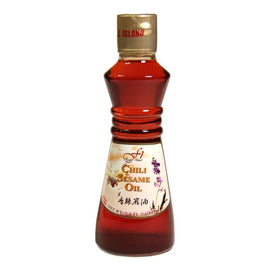
Fruitful Island Chili Sesame Oil — 217ML (福壽 香辣麻油)
The warm, nutty richness of sesame oil with a...
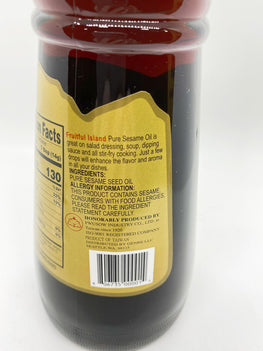
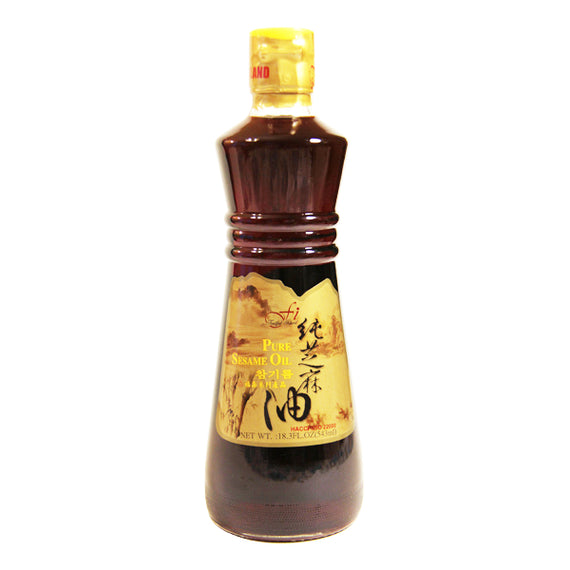
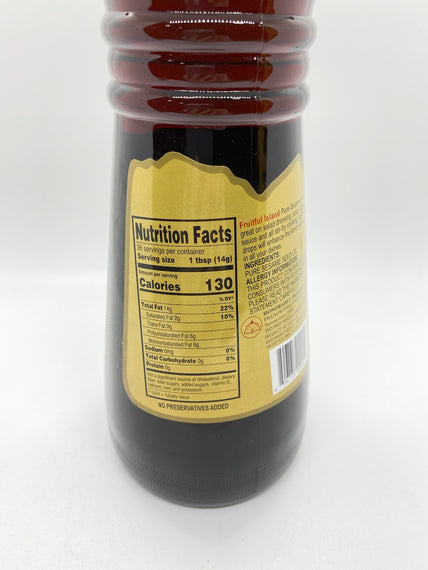
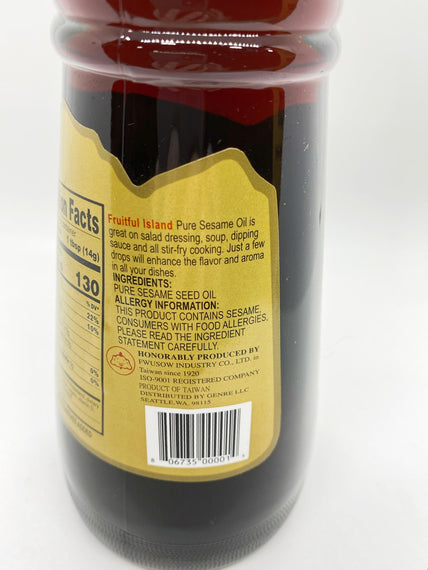
Fruitful Island Pure Sesame Oil — 543ML (福壽 純芝麻油)
100% pure sesame oil — no additives, no blendi...


Koon Chun Superior Oyster Flavor Sauce 冠珍蠔油皇Bring rich, savory depth to everyday cooking with Koo...
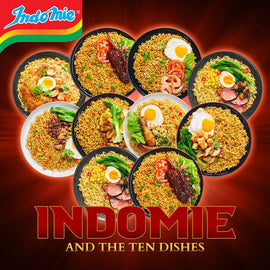
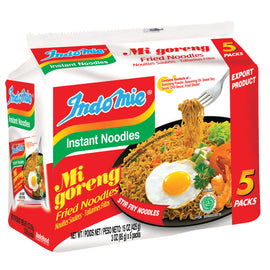
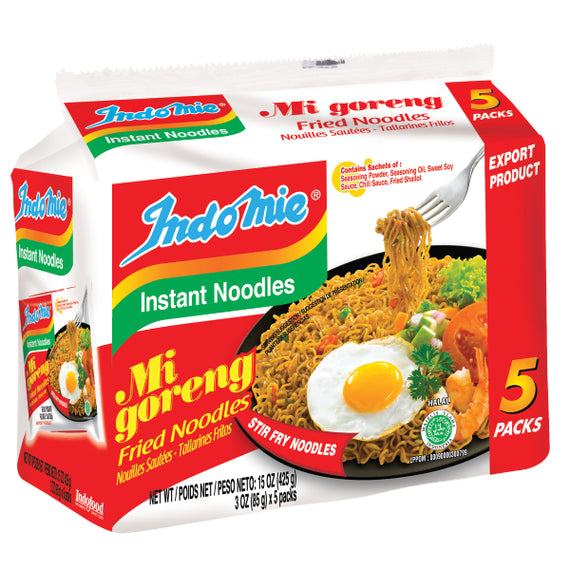
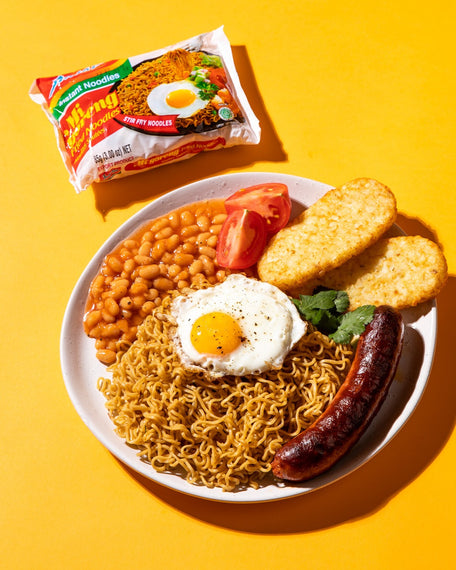
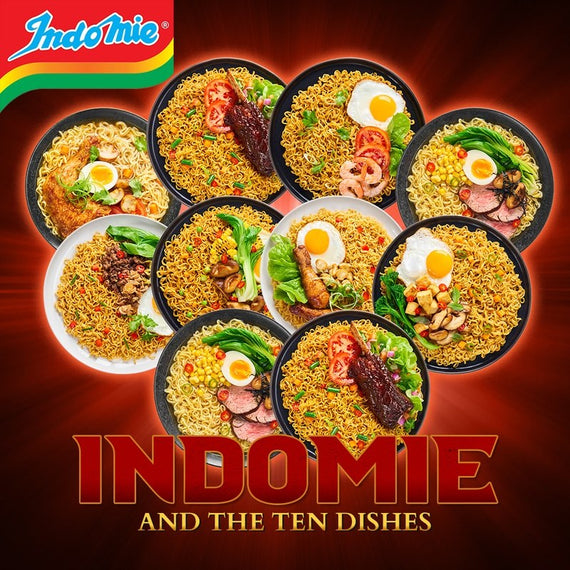
Indomie Mi Goreng Original Stir-Fried Noodles 營多撈麵 原味幹撈麵 — 5 Packs (85g each)
The world's most ic...
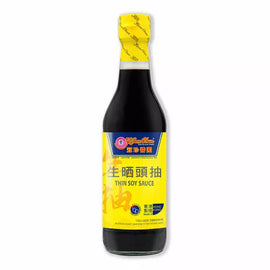
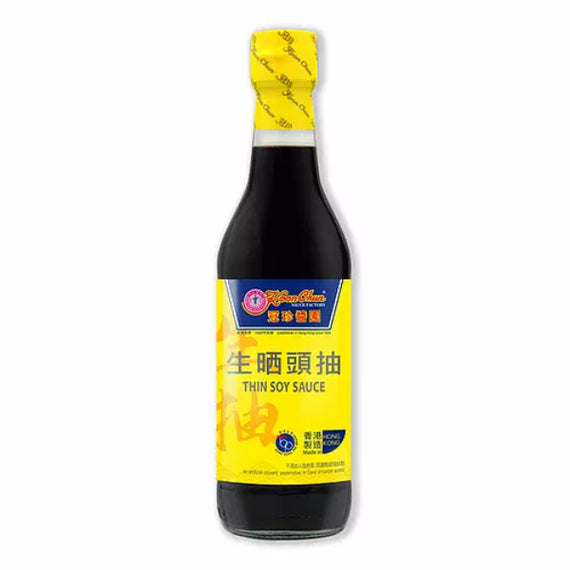


Koon Chun Thin Soy Sauce (Raw, Sun-Dried) 冠珍生晒頭抽Bring bright, savory soy flavor to everyday cooki...