Product successfully added to your shopping cart

The Complete Guide to Making XO Sauce at Home
XO sauce is often called the "caviar of Chinese cuisine"—a luxuriously umami-packed condiment made from dried seafood, cured ham, aromatics, and chilies. It was invented in Hong Kong in the 1980s as a way to repurpose expensive ingredients into something spreadable, and it quickly became a status symbol. The name "XO" comes from "extra old" cognac, implying premium quality.
The problem: Authentic XO sauce is expensive to buy and often contains preservatives or lower-quality substitutes.
The solution: Making it at home allows you to control the ingredients, adjust the spice level, and create something far superior to most store-bought versions.
This guide covers everything from traditional methods using luxury ingredients to smart substitutions that keep costs manageable.
Part 1: Understanding XO Sauce—What Makes It XO?
XO sauce is not a single recipe but a framework. The essential components are:
| Component | Purpose | Traditional Ingredient | Substitutions |
|---|---|---|---|
| Dried seafood | Umami base, funky depth | Dried scallops (conpoy), dried shrimp | Dried fish, dried oysters, or high-quality dried shrimp only |
| Cured meat | Savory saltiness, richness | Jinhua ham or Yunnan ham | Prosciutto, Serrano ham, country ham, or bacon (blanched) |
| Alliums | Aromatic foundation | Shallots, garlic, onions | Yellow onion, scallion whites |
| Chilies | Heat and color | Fresh red chilies, dried chili flakes | Thai bird's eye, Fresno, gochugaru (Korean chili flakes) |
| Oil | Carrier and preservative | Neutral oil (peanut, vegetable) | Canola, grapeseed, avocado (not olive—flavor too strong) |
| Seasoning | Balance | Oyster sauce, light soy sauce, sugar | Fish sauce, dark soy sauce, rock sugar |
| Aromatics | Complexity | Dried tangerine peel (optional) | Fresh orange zest (briefly dried) |
The soul of XO sauce is the dried scallop. Without it, you have a different (though still delicious) chili condiment. Dried scallops provide a sweet, intensely marine flavor that cannot be replicated.
Part 2: Ingredient Deep Dive—How to Choose and Prepare
Dried Scallops (Conpoy, 干贝)
-
What to look for: Large, amber-colored, firm but slightly flexible. They should smell sweet and oceanic, not fishy or ammoniated.
-
Size matters: Larger scallops are more expensive but have superior texture. For sauce, medium sizes are fine.
-
Preparation: Must be rehydrated. Soak in cold water for 4–6 hours or overnight in the refrigerator. Alternatively, steam them with a splash of Shaoxing wine for 20 minutes to soften quickly. Reserve the soaking liquid—it's liquid gold.
Dried Shrimp (Hae bee, 虾米)
-
What to look for: Pink-orange, intact, not broken into dust. Smell should be sweet, not sharp.
-
Preparation: Rinse briefly to remove surface dust. Soak in warm water for 20–30 minutes until pliable. Drain, chop finely. Do not discard soaking water—use it in place of some liquid in the recipe.
Jinhua / Yunnan Ham
-
What it is: Chinese dry-cured hams, aged for months. Similar to prosciutto but saltier and firmer.
-
Substitution: Prosciutto di Parma or San Daniele works beautifully. Serrano ham is excellent. Country ham (American) must be soaked first to reduce salt. Do not use deli ham or cooked ham—it will disintegrate into mush.
-
Preparation: Finely minced. Fat should be included—it renders into the oil and carries flavor.
Dried Tangerine Peel (Chenpi, 陈皮)
-
What it is: Aged sun-dried citrus peel. The older, the more fragrant and less bitter. Truly aged chenpi (10+ years) is astronomically expensive; 1–2 year aged is fine for home use.
-
Role: Adds a subtle, haunting citrus note that cuts through the richness. It is optional but traditional in high-end versions.
-
Preparation: Soak in warm water until softened (15–30 minutes). Scrape off any white pith (bitter). Finely mince.
Chilies
-
Fresh: Red chilies provide color and fresh heat. Remove seeds for milder heat, keep for aggressive spice.
-
Dried: Chili flakes or ground chilies add persistent heat and color. Korean gochugaru gives a beautiful red hue and mild fruitiness.
-
Balance: XO sauce should be savory-first, spicy-second. Heat should not overwhelm the seafood.
Oil
-
Why so much oil: Oil is both cooking medium and preservative. XO sauce is essentially a confit of seafood and aromatics. The oil keeps the sauce shelf-stable and carries flavor.
-
Best choices: Peanut oil (traditional), canola, grapeseed, avocado. Avoid olive oil (too strong), sesame oil (burns), butter (spoils).
Part 3: Equipment You'll Need
-
Heavy-bottomed skillet or wok – Even heat prevents burning the aromatics.
-
Sharp knife – Everything must be uniformly minced.
-
Fine-mesh sieve or spider strainer – For removing solids from oil (if clarifying).
-
Glass jars – Sterilized. Wide-mouth is easier for scooping.
-
Digital scale – Dried seafood is sold by weight; measuring by volume is inaccurate.
Part 4: The Master Recipe—Traditional XO Sauce
This recipe yields approximately 500 ml (2 cups). Scale up or down as needed.
Ingredients
Dried Seafood & Ham:
-
100 g dried scallops (conpoy)
-
50 g dried shrimp
-
50 g Jinhua ham or prosciutto (finely minced)
Aromatics:
-
2 heads garlic (about 16–20 cloves), finely minced
-
4 large shallots, finely minced (about 1 cup minced)
-
2–4 fresh red chilies, finely minced (adjust to heat preference)
-
2 tbsp dried chili flakes (optional, for color and heat)
-
1 tbsp dried tangerine peel, soaked and minced (optional)
Liquid Seasoning:
-
2 tbsp oyster sauce
-
1 tbsp light soy sauce
-
1–2 tsp sugar (to taste)
-
2 tbsp Shaoxing wine (or dry sherry)
-
2 tbsp reserved scallop soaking liquid
Oil:
-
300–400 ml neutral oil (enough to cover solids by at least 1 cm)
Step-by-Step Process
Phase 1: Prepare the Dried Seafood
-
Rinse dried scallops and shrimp briefly under cold water to remove surface dust.
-
Soak scallops in cold water for 4–6 hours or overnight in the refrigerator. Alternatively, for faster results: place scallops in a small heatproof bowl, add 100 ml water and 1 tbsp Shaoxing wine. Steam for 20 minutes. Cool completely.
-
Drain scallops, reserving the liquid. Do not discard this liquid—it is intensely flavorful.
-
Shred the scallops. The traditional method: hold a scallop horizontally and use your fingernails or a small fork to tease apart the fibers. You want fine shreds, not chunks. This takes time. A shortcut: pulse gently in a food processor, but stop before it becomes powder.
-
Soak dried shrimp in warm water for 20–30 minutes. Drain, pat dry, and finely chop. Do not over-process; you want small pieces, not paste.
Phase 2: Prepare the Aromatics
-
Mince garlic and shallots as finely as possible. Uniform size ensures even cooking.
-
Mince fresh chilies. Remove seeds for less heat, keep for more.
-
If using dried tangerine peel: soak until soft, scrape off white pith with a knife, mince finely.
Phase 3: Slow-Confiting the Seafood
-
Heat oil in a wok or heavy skillet over low heat. The oil should be warm but not hot (about 100°C / 212°F). You are confiting, not frying.
-
Add shredded scallops and chopped shrimp. Stir to separate. Cook gently for 15–20 minutes. The oil should barely bubble. The seafood will release flavor into the oil and begin to crisp slightly at the edges.
-
Remove seafood with a slotted spoon. Set aside. Leave the oil in the pan.
Phase 4: Cook the Aromatics
-
Increase heat to medium-low. Add minced shallots to the oil. Cook slowly, stirring frequently, until translucent and softened (about 8–10 minutes). Do not brown.
-
Add garlic. Cook for another 5–7 minutes. Garlic browns faster than shallots; watch carefully. The mixture should be golden, not brown.
-
Add fresh chilies and dried chili flakes. Cook for 2 minutes until fragrant.
-
Add minced ham. Cook for 3–4 minutes. The ham fat will render into the oil.
-
Add dried tangerine peel (if using). Cook 1 minute.
Phase 5: Combine and Season
-
Return the cooked scallops and shrimp to the pan. Stir to combine.
-
Add oyster sauce, soy sauce, sugar, Shaoxing wine, and reserved scallop soaking liquid. Stir well.
-
Reduce heat to low. Simmer gently for 20–30 minutes. Stir occasionally to prevent sticking. The sauce is done when the oil separates slightly and pools around the solids, and the flavors have melded. Taste and adjust seasoning—it should be savory, slightly sweet, with a gentle heat.
Phase 6: Jar and Store
-
Cool completely before transferring to jars. Do not seal while hot; condensation will create mold risk.
-
Ensure solids are fully submerged in oil. The oil acts as an oxygen barrier. If necessary, add more fresh oil (not used cooking oil) to cover.
-
Refrigerate. XO sauce improves after a few days as flavors continue to meld.
Part 5: The Smart "Budget-Friendly" Version
Traditional XO sauce is expensive. Dried scallops can cost $60–$100 USD per pound. This version reduces cost while maintaining the spirit of the sauce.
Substitutions:
-
Reduce dried scallops to 40 g, increase dried shrimp to 80 g.
-
Use bacon (blanched to remove excess smoke and salt) instead of Jinhua ham.
-
Add 2 tbsp fish sauce for extra umami (add at the seasoning stage).
-
Include 1 tbsp fermented black beans (douchi), rinsed and chopped, for fermented depth.
Process remains identical. This version is less sweet, more savory, and still utterly delicious.
Part 6: Pro Tips—What Separates Good XO from Great XO
1. Low and slow is non-negotiable.
High heat burns garlic and shallots, creating bitterness. XO sauce should taste sweet and aromatic, not acrid. If you see browning beyond pale gold, your heat is too high.
2. Uniform mincing matters.
If garlic pieces are larger than shallot pieces, they will cook at different rates. By the time the shallots are soft, the garlic may be burnt. Take the time to cut everything to roughly the same size.
3. Reserve seafood soaking liquid.
Never discard the water from rehydrating scallops or shrimp. It is packed with soluble amino acids. Use it in place of plain water in any recipe that calls for liquid.
4. Oil quality affects shelf life.
Fresh oil is essential. Old, rancid oil will spoil the sauce. If making large batches, consider using rice bran oil or high-oleic sunflower oil—they are more stable.
5. Do not skip the sugar.
Sugar balances the intense saltiness of the seafood and ham. Start with 1 tsp, taste, add more if needed. Rock sugar gives a cleaner sweetness than granulated.
6. Patience with cooling.
Do not hot-pack XO sauce. The heat will continue cooking the seafood and can create condensation inside the jar. Cool to room temperature, stir, then jar.
Part 7: Troubleshooting
| Problem | Cause | Solution |
|---|---|---|
| Bitter taste | Garlic or shallots burned | Heat too high; next batch, cook on lower heat. Current batch: add pinch of sugar to mask. |
| Too salty | Ham too salty, or over-reduced | Add more oil and a touch more sugar. Serve sparingly as seasoning, not bulk. |
| Not enough umami | Skimped on dried seafood | Add 1 tbsp fish sauce or 1 tsp MSG. Yes, MSG is authentic in modern XO. |
| Mold growth in jar | Solids not fully submerged in oil; or jar not sterilized | Scoop off mold and 1 cm of sauce beneath. Remaining sauce is safe if covered in oil. Prevent by always pressing solids down and topping with oil. |
| Oil separates and looks greasy | Normal. Not a defect. | Stir before use. The solids settle; oil rises. This is how it's supposed to look. |
| Texture too mushy | Seafood over-processed; or cooked too long | Next batch, shred scallops by hand. Do not use food processor to powder. |
Part 8: How to Use XO Sauce
XO sauce is a seasoning, not a main ingredient. A little goes a long way.
Classic applications:
-
Stir-fried vegetables: Toss a spoonful into gai lan, bok choy, or asparagus at the end.
-
Fried rice: Stir through at the very end, off heat, to preserve aroma.
-
Noodles: Plain egg noodles tossed with XO sauce and soy sauce.
-
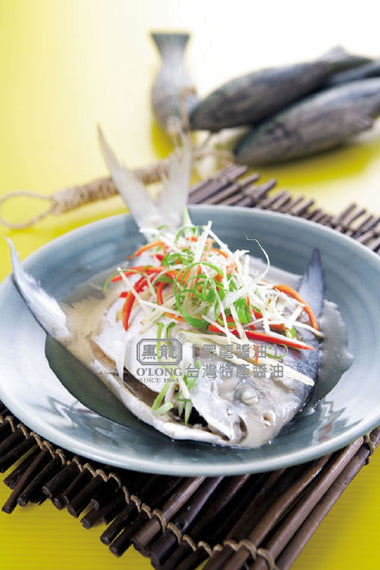
Steamed dishes: Spoon over steamed fish, tofu, or chicken.
-
Dumpling dipping sauce: Mix with black vinegar and ginger.
-
Congee: A dollop transforms plain rice porridge.
-
Scrambled eggs: Stir in just before setting.
Modern applications:
-
Deviled eggs: Mix into the yolk filling.
-
Seared scallops: Top with a small spoonful.
-
Roasted vegetables: Toss carrots or potatoes before roasting.
-
Mayonnaise: Whisk into homemade mayo for seafood sandwiches.
Part 9: Storage and Shelf Life
Refrigerator:
-
Properly submerged in oil: 6–12 months.
-
Not fully submerged: 1–2 months (use clean spoon each time).
Freezer:
-
XO sauce freezes beautifully. Portion into ice cube trays, freeze, pop out, store in freezer bag. 2+ years.
Signs of spoilage:
-
Off smell (rancid oil smells like old nuts or crayons)
-
Mold on surface (white spots possible; green/black = discard)
-
Fermented/sour taste
To extend shelf life:
-
Always use a clean, dry spoon. Never double-dip.
-
After each use, press solids down and add a thin layer of fresh oil to seal.
-
Store in small jars so you're not repeatedly opening a large batch.
Part 10: Variations and Regional Styles
Spicy XO (Sichuan-influenced):
-
Add 1 tbsp Doubanjiang (fermented broad bean paste) at the garlic stage.
-
Add ground Sichuan peppercorns at the end for numbing effect.
Seafood-only XO (no pork):
-
Omit ham entirely. Increase dried scallops and shrimp by 50%.
-
Add 1 tbsp fish sauce for salinity.
Vegetarian "XO" (not traditional but useful):
-
Substitute dried shiitake mushrooms (rehydrated, minced) for scallops.
-
Substitute salted fermented tofu (furu) for ham.
-
Add kombu (kelp) soaking liquid for umami.
-
Note: This is delicious but not XO sauce. Call it "umami mushroom chili crisp."
Cantonese Classic:
-
Heavy on dried scallops, light on chili. Heat is subtle; seafood is the star.
-
Often includes dried oysters (ho si) for additional marine depth.
Conclusion: You Are Now an XO Sauce Maker
Making XO sauce at home is a rite of passage in Cantonese cooking. It requires patience, precision, and a willingness to invest in good ingredients. But the reward is a jar of liquid gold that elevates everything it touches.
Start with the master recipe. Respect the low heat. Shred the scallops by hand. And do not skip the soaking liquid.
Once you've made it yourself, you will understand why this sauce commands such reverence—and why store-bought versions never quite measure up.
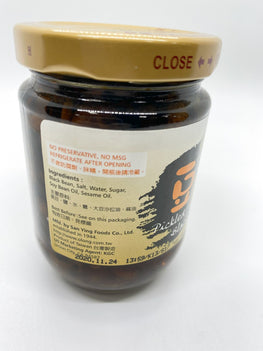
Product of Taiwan
Net Weight 170g