Product successfully added to your shopping cart

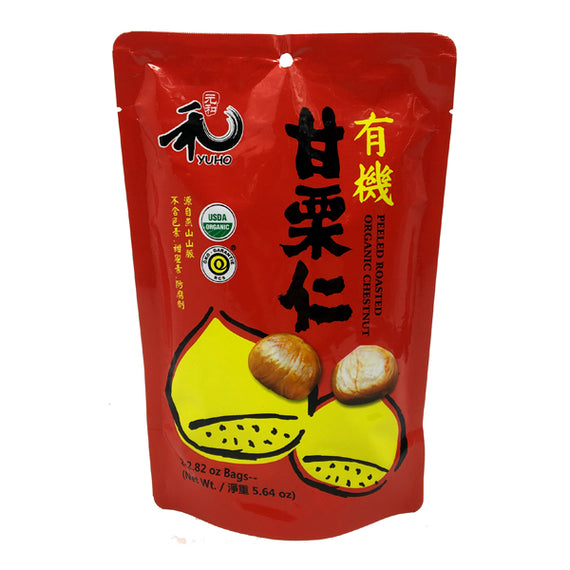
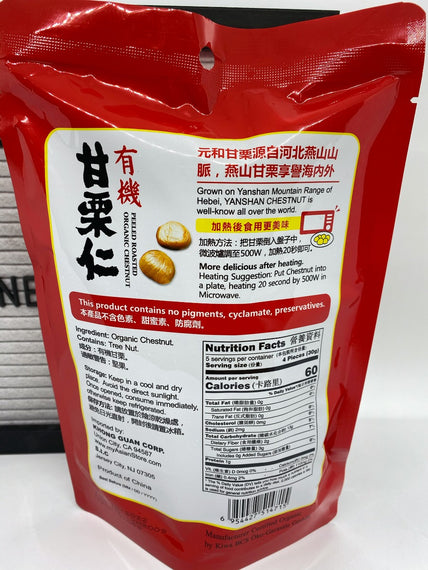
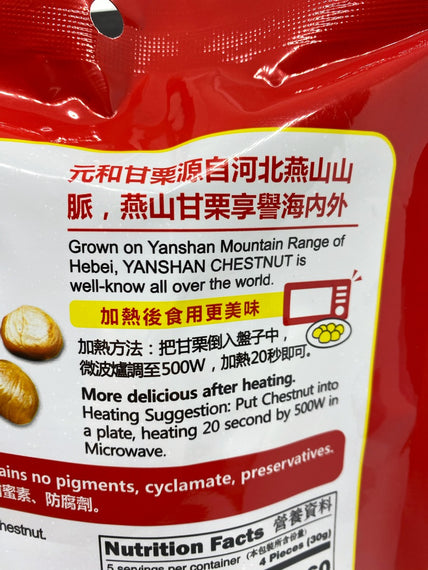
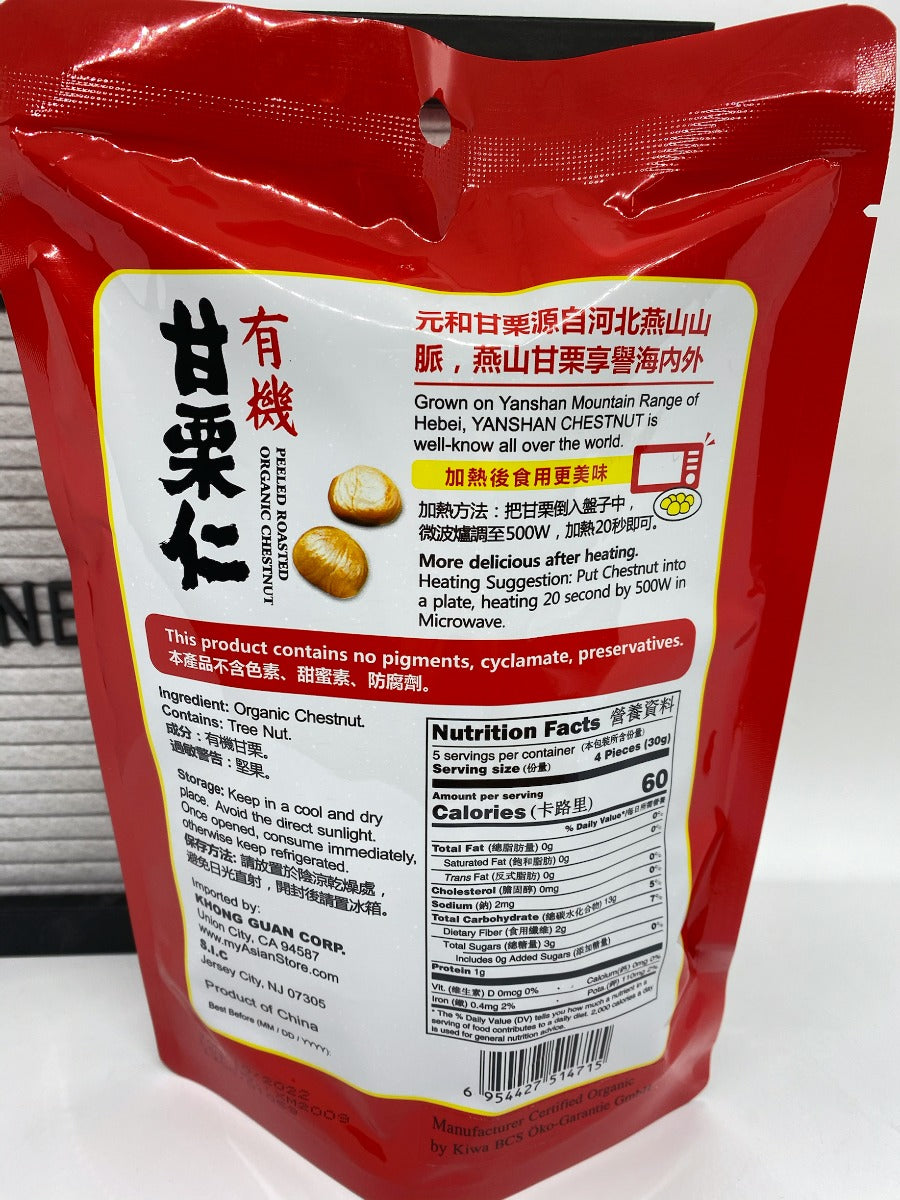
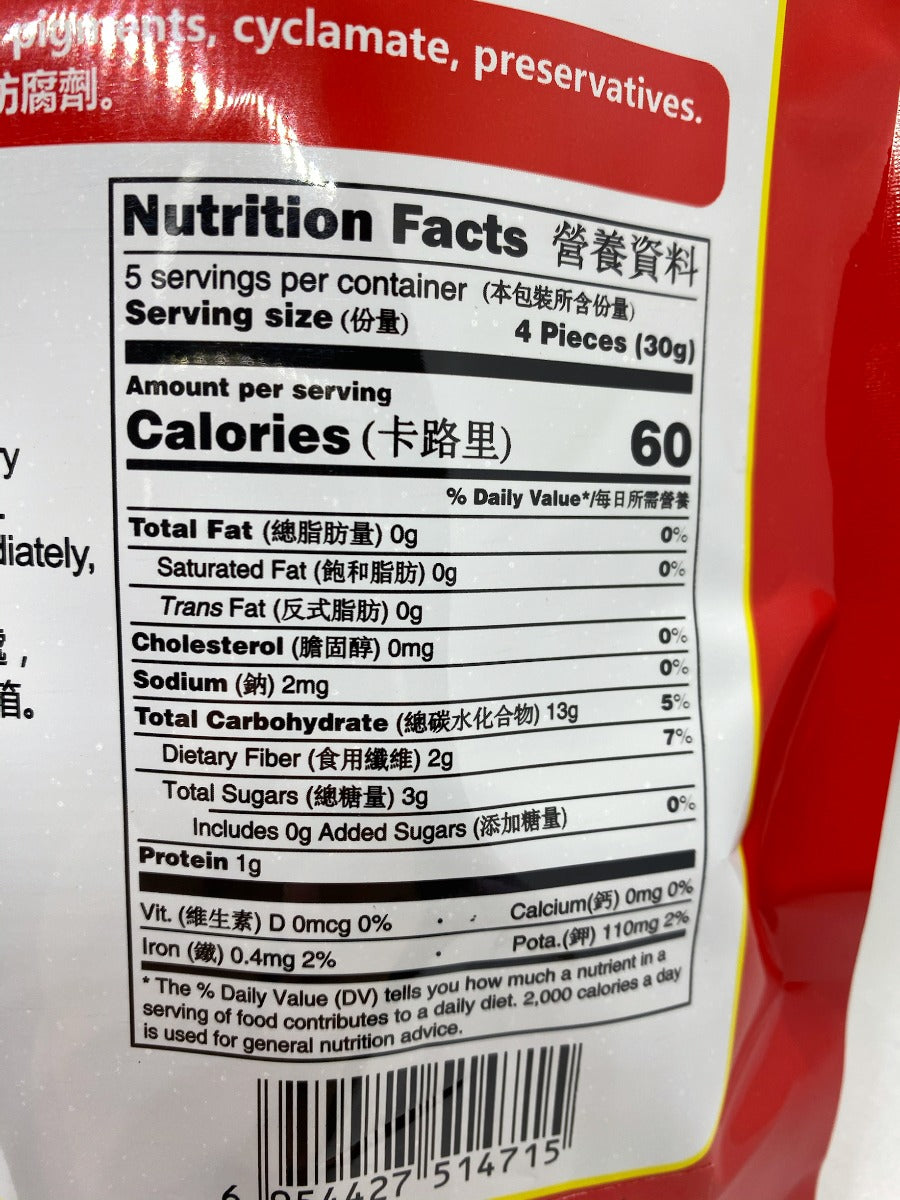
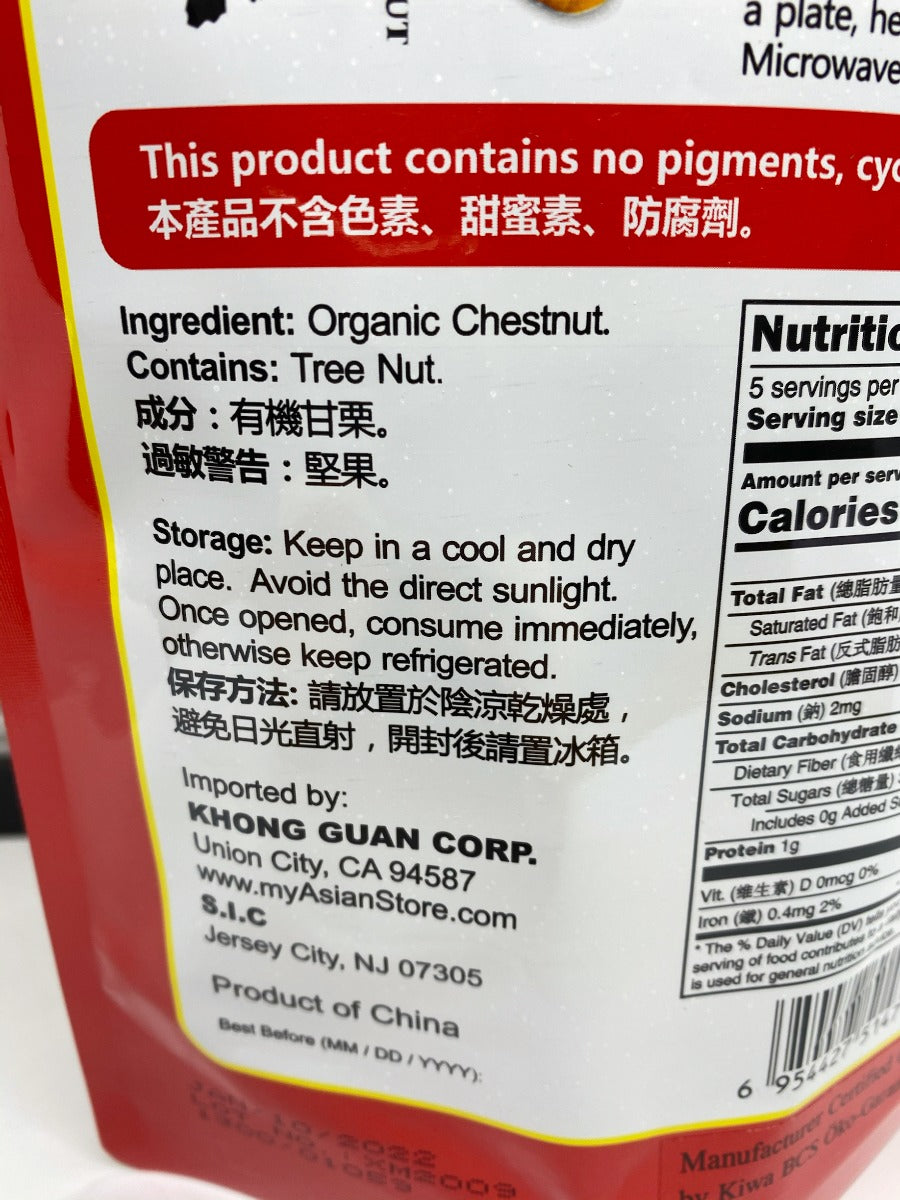
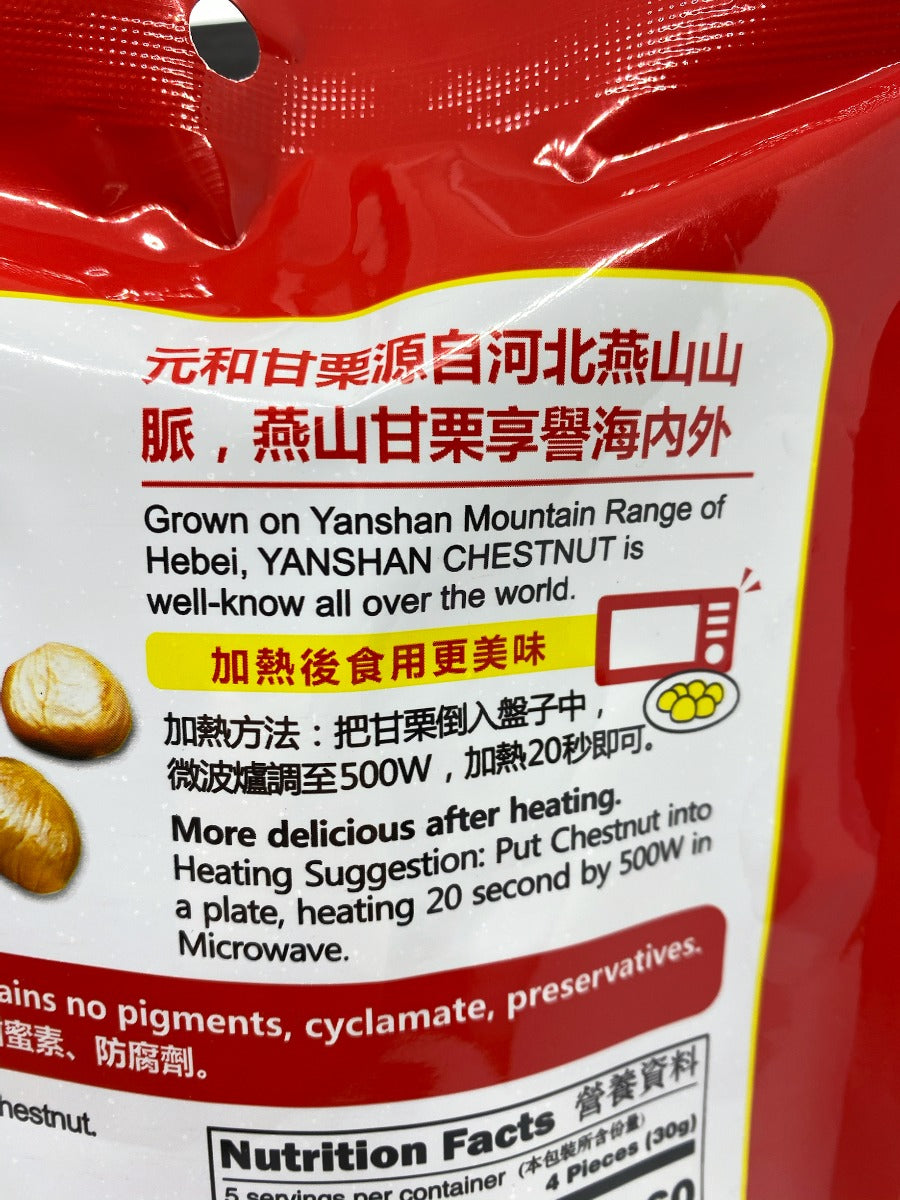
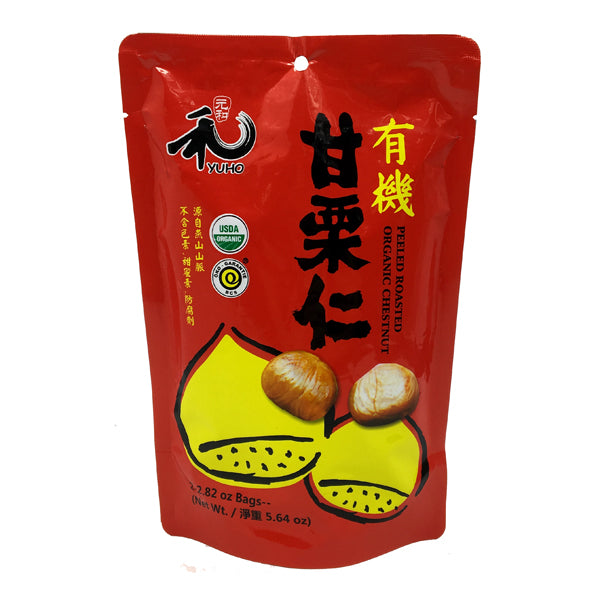
YUHO Organic Peeled Chestnuts 元和 有機甘栗仁 5.64OZ
Regular price
$4.99
YUHO Organic Peeled Chestnuts (元和 有機甘栗仁) – 5.64oz / 159gReady-to-eat organic chestnuts, peeled and prepared for you. YUHO's Organic Peeled Chestnuts are certified organic, non-GMO, and gluten-free — a naturally sweet, wholesome snack that's as versatile as it is delicious. Enjoy them straight from the bag, add them to soups...
YUHO Organic Peeled Chestnuts (元和 有機甘栗仁) – 5.64oz / 159g
Ready-to-eat organic chestnuts, peeled and prepared for you. YUHO's Organic Peeled Chestnuts are certified organic, non-GMO, and gluten-free — a naturally sweet, wholesome snack that's as versatile as it is delicious. Enjoy them straight from the bag, add them to soups and stews, or use them in traditional Chinese festive recipes.
Product Details
- Net Weight: 159g (5.64 oz)
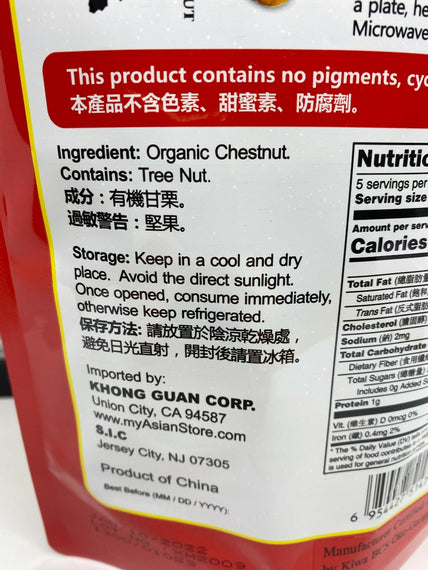
- Country of Origin: China
- Brand: YUHO (元和)
- Certification: Certified Organic — no synthetic pesticides, no GMOs
Why Chestnuts?
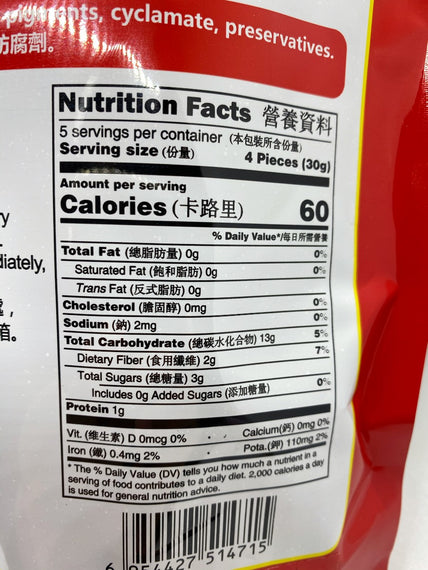
- 🌰 Naturally low in fat: Unlike most nuts, chestnuts are low in fat and calories — a lighter, guilt-free snack
- 🌾 Rich in complex carbohydrates: A sustained energy source that keeps you fuller for longer
- 🌿 Excellent source of fiber: Supports healthy digestion
- ✨ Packed with vitamins & minerals: Including Vitamin C, B vitamins, potassium, and magnesium
- ✅ Gluten-free & non-GMO: Certified organic — no synthetic pesticides or artificial additives
How to Enjoy
- 👜 Straight from the bag: Ready-to-eat as a wholesome snack
- 🍲 Soups & stews: A classic ingredient in Chinese nourishing soups (湯水) and braised dishes
- 🍚 Rice & congee: Add to rice or congee for natural sweetness and texture
- 🎂 Festive baking: A traditional ingredient in mooncake fillings and Lunar New Year desserts
About YUHO
YUHO (元和) specializes in premium organic Asian pantry ingredients, bringing certified organic quality to traditional Chinese staples.
Note: This is a food product. Consumers with dietary restrictions should carefully read the actual package before consuming.
Related Products


Hong Kong-Style Black Tea
Brew a bold, smooth cup at home with HONG KONG (STYLE) BLACK TEA. With ...


Golden Duck Chili Crab Meat Seaweed Tempura (香辣蟹肉天婦羅脆海苔) – 3.57oz / 101gGolden Duck's most iconic...


Golden Duck Salted Egg Crab Meat Seaweed Tempura (蟹肉和蛋天婦羅脆海苔) – 3.57oz / 101gGolden Duck's signat...


GOLDEN DUCK Salted Egg Potato Ridges
Turn snack time up a notch with thick, ridged potato chips c...


GOLDEN DUCK Salted Egg Fish Skin
Crunch into a light, crisp Asian snack coated with rich salted e...

Nice Choice Pineapple Cake 鳳梨酥 227g
A classic Taiwanese pineapple cake (鳳梨酥, fèng lí sū) — a butt...


Yamata Crab Roe Flavor Broad Beans (蟹黃味蚕豆瓣) – 70gThe snack that stops you mid-reach. Yamata's Cra...


Golden Duck Sour Cream & Sriracha Potato Crisps – 125gCool meets heat in the best possible wa...


Golden Duck Kombu Seaweed Butter Potato Crisps – 125gPremium potato crisps from one of Singapore'...
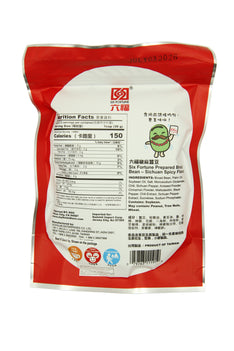
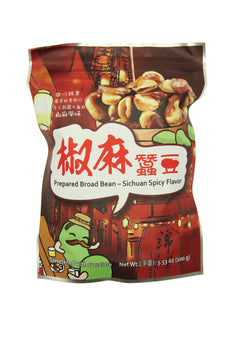
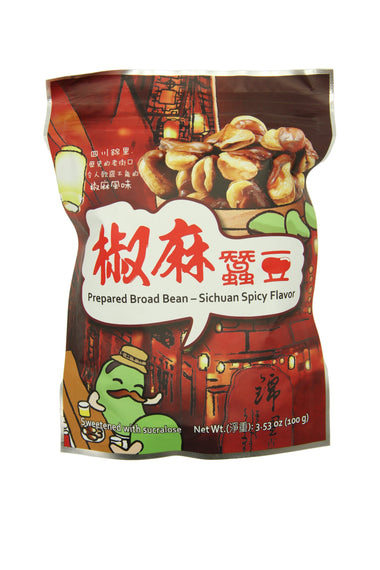
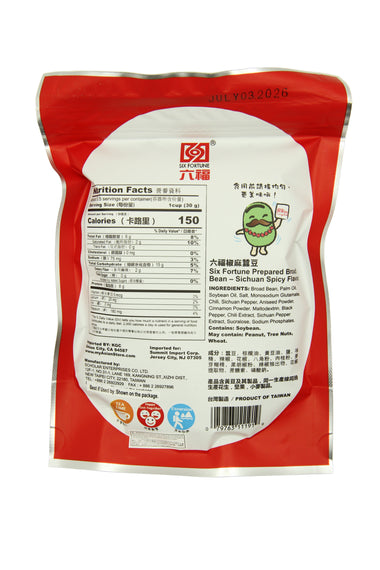
Six Fortune Sichuan Spiced Broad Beans 六福椒麻蚕豆 — Resealable Bag 100g
Roasted broad beans (fava bea...