Product successfully added to your shopping cart

Snacks
Over the Hump: How a Midweek Ritual Can Carry You to Friday
There is a stretch of the week that doesn’t get enough credit. It isn’t the bright optimism of Monday or the relief of Friday. It’s Wednesday afternoon—that heavy, still silence where the weekend is just out of reach.
We call it Hump Day. And while the name suggests a summit to be conquered, the reality is often less dramatic. It’s a waiting game. The coffee from this morning has gone cold, the to-do list is half-finished, and the energy of the past two days has evaporated.
But perhaps the midweek slump isn’t a problem to be solved. Perhaps it is simply a moment waiting to be filled.
The Quiet Hour
There is a tradition in many Asian households that doesn’t have a direct English translation. It isn’t quite "tea time" in the British sense, nor is it the rushed American coffee break. It is simply the act of pausing—usually in the afternoon—with something warm in a cup and something savory within reach.
It is a grandmother in Taiwan slowly pouring hot water over loose oolong leaves, watching them unfurl. It is a salaryman in Tokyo tearing open a single-serve drip coffee bag at his desk, the smell of roasted beans cutting through the sterile office air. It is a student in Seoul peeling back the foil on a yogurt drink, taking a brief moment of silence before diving back into books.
This isn’t about caffeine hits or productivity hacks. It is about the small act of choosing to stop.
The Language of Leaves and Beans
There is a reason why so many of us instinctively reach for tea or coffee when the day begins to drag. Unlike the cold can of soda from a vending machine, a brewed drink requires a tiny bit of effort. You boil the water. You wait. You watch the color change.
That minute of waiting is where the reset happens.
Genmaicha, the Japanese brown rice tea, is a particular companion for the mid-afternoon. The popped rice gives it a toasty, almost nutty aroma that smells less like a stimulant and more like a warm blanket. It is low in caffeine but high in comfort—a drink that doesn’t jolt you awake, but rather reminds you to breathe.
Vietnamese robusta coffee, on the other hand, is not subtle. It is dark, chocolatey, and unapologetically strong. When dripped slowly through a phin filter and poured over a thick layer of condensed milk, it becomes something closer to dessert than fuel. It demands to be sipped. It refuses to be rushed.
Neither of these drinks are native to the Western cubicle. But perhaps they should be.
The Texture of Afternoon
A drink alone is a pause. A drink with something to eat is a ritual.
The global pantry has shifted over the last decade. What was once an exotic import found only in specialty shops is now the quiet companion to countless afternoons. The snack drawer in offices and homes has become a map of cultural curiosity.
Japanese rice crackers—senbei—offer a crunch that is both light and deeply satisfying. They are savory, often brushed with soy sauce or wrapped in seaweed, and they don’t leave greasy fingerprints on your keyboard. They are the perfect counterpoint to a clear, hot tea.
Taiwanese pineapple cakes are something else entirely. Encased in a crumbly, buttery pastry, the filling is sweet and slightly fibrous, tasting of tropical sunshine. They are traditionally given as gifts during the Lunar New Year, but perhaps they are better suited to an ordinary Wednesday. Joy shouldn’t have to wait for a holiday.
And then there is dried mango. Chewy, tangy, and unsweetened in its purest form. It is the snack of someone who wants to feel virtuous while also admitting that the afternoon needs saving.
The Unwinding
The beauty of the midweek ritual is that it asks nothing of you.
Unlike Monday, which demands planning, or Friday, which demands celebration, Wednesday simply asks you to get through it. There is no pressure to be productive or social. There is only the cup, the snack, and the remaining hours.
In many ways, this is the most authentic expression of self-care. Not the elaborate Sunday reset or the expensive face mask, but the quiet acknowledgment that the middle of the week is hard, and you deserve a moment of softness within it.
A Note on the Weekend
The weekend will come. It always does.
But there is a particular disappointment in arriving at Friday afternoon exhausted and empty, having spent the previous two days merely surviving rather than living. The midweek pause—however small—prevents that.
It turns the week into something other than an obstacle course. It transforms the hump from a burden into a brief, quiet plateau where you can sit, breathe, and taste something good.
How to Build Your Own Midweek Ritual
There is no wrong way to do this. But if you are looking for a place to start:
-
Choose a vessel. A proper cup, not a paper one. Something that feels good in your hands.
-
Choose a flavor. Something floral if you need calm. Something roasted if you need grounding.
-
Choose a texture. Crunchy, chewy, or flaky. The contrast makes the drink taste better.
-
Leave your phone. Even five minutes of uninterrupted taste resets the brain more effectively than scrolling.
The specific tea, the specific snack, the specific brand—these details matter less than the act itself. But if you find yourself curious about the flavors of Asia, from the smoky oolongs of Taiwan to the honey-butter snacks of Korea, they are no longer difficult to find.
Places like MyAsianStore.com have quietly built bridges across oceans. What was once a souvenir from a trip abroad is now a pantry staple, delivered to your door. Not because you need it to survive, but because the week is long, and you deserve something that tastes like elsewhere.
The weekend is coming. But first, there is this afternoon. Make it a good one.


Hong Kong-Style Black Tea Brew a bold, smooth cup at home with HONG KONG (STYLE) BLACK TEA. With 100 sachets in each package, this black...


Golden Duck Chili Crab Meat Seaweed Tempura (香辣蟹肉天婦羅脆海苔) – 3.57oz / 101gGolden Duck's most iconic snack — and one of Singapore's most celebrated premium snack...


Golden Duck Salted Egg Crab Meat Seaweed Tempura (蟹肉和蛋天婦羅脆海苔) – 3.57oz / 101gGolden Duck's signature ingredient meets their most iconic format. Salted Egg Crab Meat...


GOLDEN DUCK Salted Egg Potato Ridges Turn snack time up a notch with thick, ridged potato chips coated in rich salted egg seasoning. GOLDEN DUCK...


GOLDEN DUCK Salted Egg Fish Skin Crunch into a light, crisp Asian snack coated with rich salted egg seasoning. GOLDEN DUCK Salted Egg Fish Skin...

Nice Choice Pineapple Cake 鳳梨酥 227g A classic Taiwanese pineapple cake (鳳梨酥, fèng lí sū) — a buttery, crumbly shortcrust pastry filled with a sweet,...


Yamata Crab Roe Flavor Broad Beans (蟹黃味蚕豆瓣) – 70gThe snack that stops you mid-reach. Yamata's Crab Roe Flavor Broad Beans (Fava Beans) deliver a rich,...


Golden Duck Sour Cream & Sriracha Potato Crisps – 125gCool meets heat in the best possible way. Golden Duck's Sour Cream & Sriracha Potato Crisps...


Golden Duck Kombu Seaweed Butter Potato Crisps – 125gPremium potato crisps from one of Singapore's most celebrated snack brands. Golden Duck's Kombu Seaweed Butter Potato...
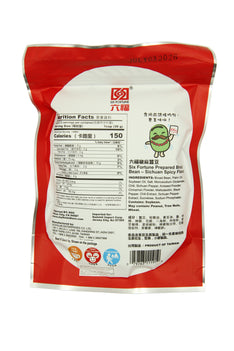
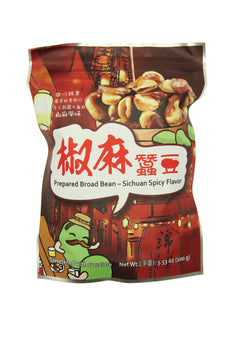
Six Fortune Sichuan Spiced Broad Beans 六福椒麻蚕豆 — Resealable Bag 100g Roasted broad beans (fava beans) seasoned with the classic Sichuan mala combination — the...

Leslie's Clover Chips Ham & Cheese (玉米片 火腿及芝士口味) – 145gA Filipino snack institution. Leslie's Clover Chips have been a staple of Filipino snack culture for...
Leslie's Clover Chips Ham & Cheese (玉米片 火腿及芝士口味) – 30-Pack Case (30 x 145g)Stock up on one of the Philippines' most iconic snacks. This 30-pack...

Leslie's Clover Chips BBQ Flavor (玉米片 燒烤口味) – 145gThe Filipino snack institution, in the flavor everyone loves. Leslie's Clover Chips BBQ brings the sweet, smoky,...
Leslie's Clover Chips BBQ Flavor (玉米片 燒烤口味) – 30-Pack Case (30 x 145g)Stock up on one of the Philippines' most popular Clover Chips flavors. This...

Leslie's Clover Chips Cheese Flavor (玉米片 芝士口味) – 30-Pack Case (30 x 145g)Stock up on one of the Philippines' most beloved Clover Chips flavors. This...
Leslie's Clover Chips Cheese Flavor (玉米片 芝士口味) – 145gBold, cheesy, and impossibly light. Leslie's Clover Chips Cheese is one of the Philippines' most beloved snack...
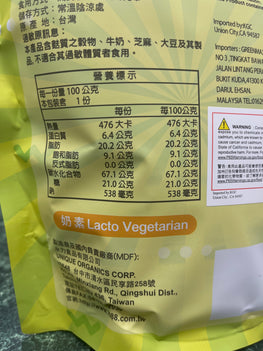
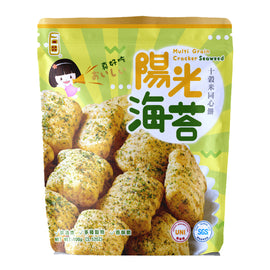
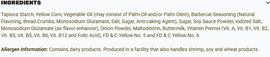
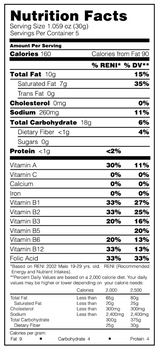
Yikoutian Seaweed Flavor Multi-Grain Cracker (一口田 十穀米同心餅 陽光海苔) – 100gA Taiwanese multi-grain puff cracker that earns the "multi-grain" label. Yikoutian's (一口田) Seaweed Flavor Cracker blends...
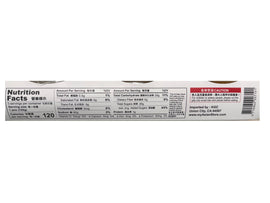
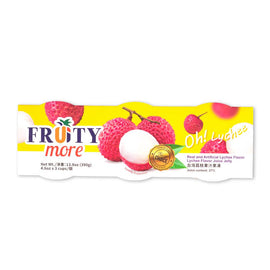
Fruitymore Lychee Fruit Juice Jelly (荔枝果汁果凍) – 3 Cups (13.8oz)Sweet, floral, and refreshingly light. Fruitymore's Lychee Fruit Juice Jelly (荔枝果汁果凍) captures the delicate, perfumed sweetness...
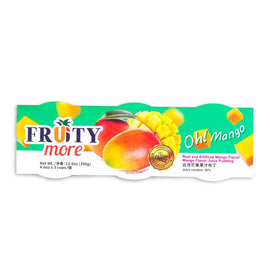
Fruitymore Mango Pudding (芒果布丁) – 3 Cups (13.8oz)Smooth, tropical, and sunshine-sweet. Fruitymore's Mango Pudding (芒果布丁) delivers the intense, sun-ripened sweetness of ripe mango in a...
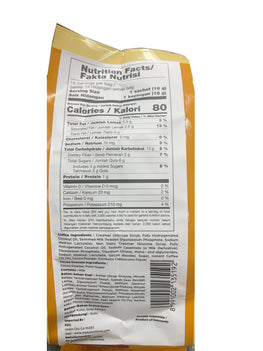
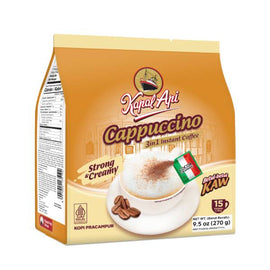
Kapal Api Cappuccino 3-in-1 (印尼帆船 三合一卡布奇諾) – 270gIndonesia's most iconic coffee brand, in its most beloved instant format. Kapal Api (帆船 — "Fire Ship") has...
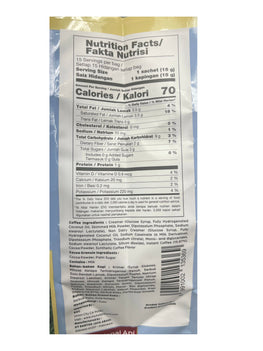
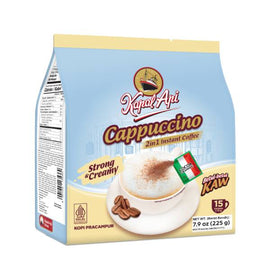
Kapal Api Cappuccino 2-in-1 (印尼帆船 二合一卡布奇諾) – 225g | No Added SugarThe iconic Kapal Api cappuccino experience — without the sugar. Kapal Api's 2-in-1 Cappuccino...
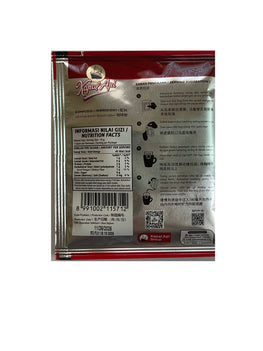
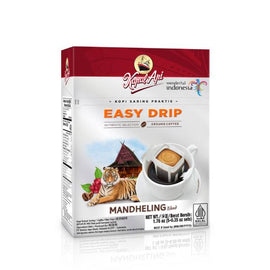
Kapal Api Easy Drip Mandheling Blend (印尼帆船 曼特寧掛耳咖啡) – 5 drip bags × 10g (50g) Freshly brewed Sumatra Mandheling coffee, no equipment needed. Kapal Api's...


Kapal Api Easy Drip Bali Blend (印尼帆船 巴厘島掛耳咖啡) – 5 drip bags × 10g (50g) Freshly brewed Bali coffee — bright, clean, and aromatic. Kapal...
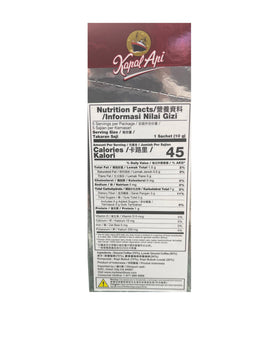

Kapal Api Easy Drip Luwak Blend (印尼帆船 麝香貓掛耳咖啡) – 5 drip bags × 10g (50g) The legendary Kopi Luwak experience, in a convenient pour-over bag....
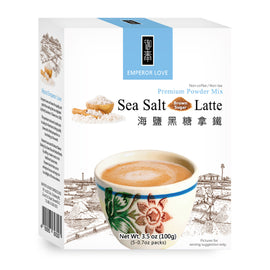
Emperor Love Sea Salted Brown Sugar Latte (御奉 海鹽黑糖拿鐵) — 240g BoxThe sweet-and-salty latte, elevated. Emperor Love's (御奉) Sea Salted Brown Sugar Latte combines a...
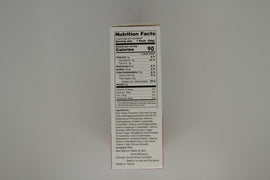
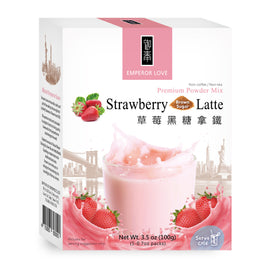
Emperor Love Strawberry Brown Sugar Latte (御奉 草莓黑糖拿鐵) — 240g BoxThe fruity, caramel-rich latte. Emperor Love's (御奉) Strawberry Brown Sugar Latte combines a premium Indian...
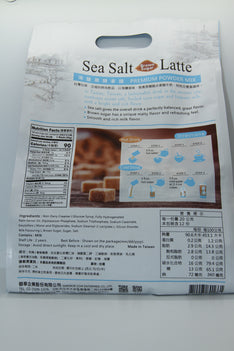
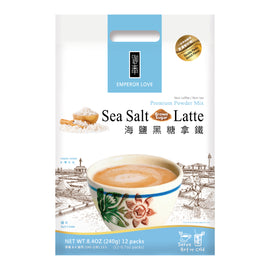
Emperor Love Sea Salted Brown Sugar Latte — Bag 240g (御奉海鹽黑糖拿鐵 袋裝) The sweet-and-salty latte in a resealable bag. Emperor Love’s Sea Salted Brown Sugar...
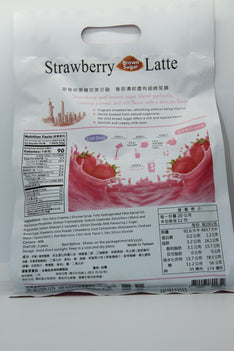
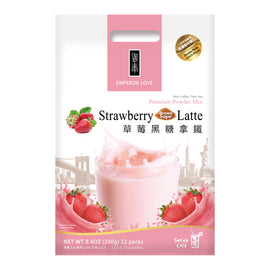
Emperor Love Strawberry Brown Sugar Latte — Bag 240g (御奉草莓黑糖拿鐵 袋裝) The fruity, caramel-rich latte in a resealable bag. Emperor Love’s Strawberry Brown Sugar Latte...


Yamata Salted Black Soybeans (鹽味黑豆) – 70gThe snack that punches well above its weight. Yamata's Salted Black Soybeans are carefully roasted black soybeans with a...
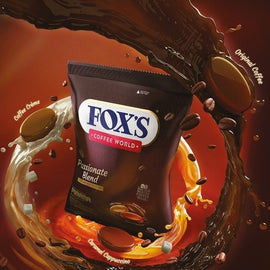
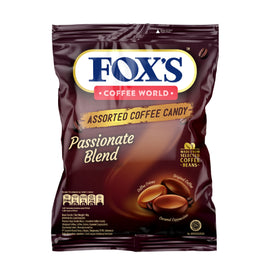
Fox's Coffee World Passionate Blend (熱情混合口味咏啡糖) — 90gThree coffee flavors, one pack. Fox's Coffee World Passionate Blend is an assorted coffee candy featuring three distinct...
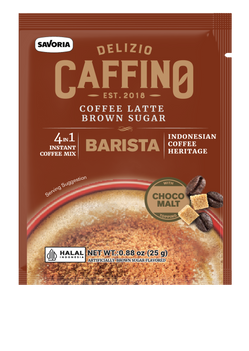
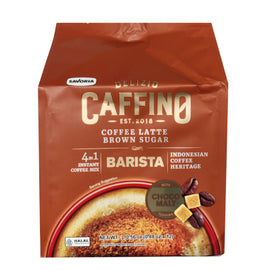
Caffino Barista Coffee Latte — Brown Sugar (黑糖拿鐵咖啡) Café-style brown sugar latte in a sachet. Caffino Barista Coffee Latte Brown Sugar is a 3-in-1 instant...
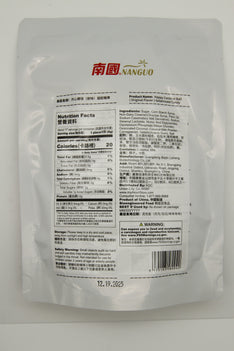
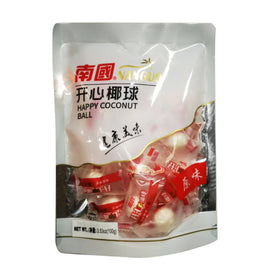
NANGUO Happy Coconut BallEnjoy a playful coconut candy in a convenient 100g pack. NANGUO Happy Coconut Ball is an easy treat for sharing, gifting, tea...

NANGUO Coconut Gelatinized CandyTry a coconut confection with a distinctive gelatinized candy style. NANGUO Coconut Gelatinized Candy comes in a convenient 200g pack for sharing,...
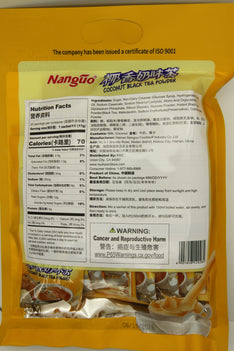
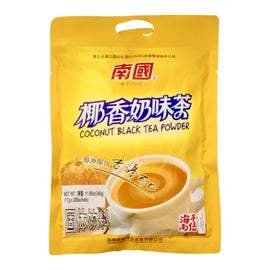
NANGUO Coconut Milk Black TeaEnjoy a smooth tea break with NANGUO Coconut Milk Black Tea. The familiar depth of black tea meets a creamy coconut...
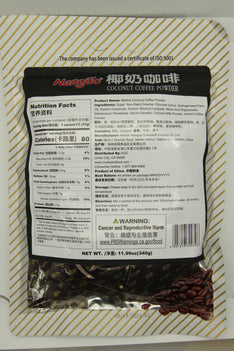
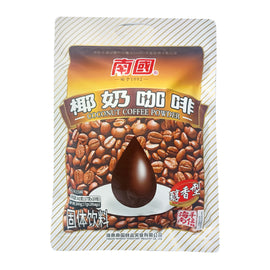
Nanguo Mellow Coconut Coffee Powder (南國 醇香椰奶咏啡) — 340gHainan coconut meets instant coffee. Nanguo (南國) is one of China's most recognized Hainan coconut brands, known...
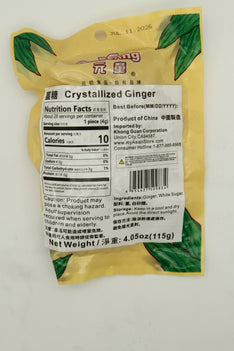
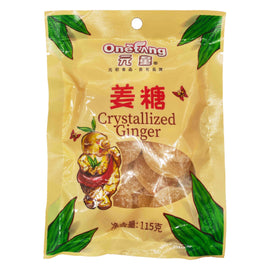
The Enduring Love for Crystallized Ginger: A Story of Fire, Sugar, and Soul Crystallized ginger—known also as candied ginger, sugar ginger, or ginger chews—is more than...
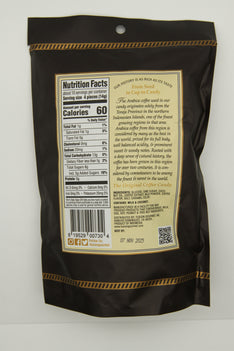
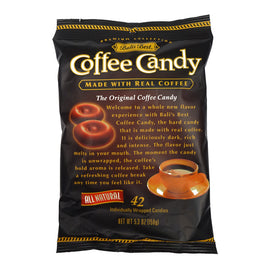
Bali's Best Coffee Candy 咊啡糖 — 150gRich, dark, and intensely coffee. Bali's Best Coffee Candy is made with real Sumatran coffee — one of Indonesia's...
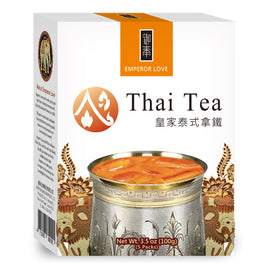
Emperor Love Thai Milk Tea 御奉 皇家泰式拿鐵 — 5 Sachets, 100gRich, creamy, and authentically Thai. Emperor Love (御奉) Thai Milk Tea (皇家泰式拿鐵) is made from...
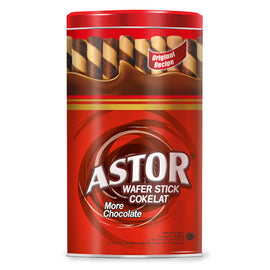
ASTOR Chocolate Wafer Sticks — 11.64 oz TinCrisp, light wafer sticks filled with smooth chocolate cream and finished with chocolate lines on the outside. A...
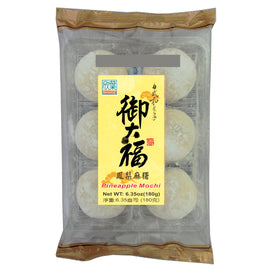
Formosa Yay Imperial Mochi — Pineapple 欣葉 鳳梨御大福麻糖 — 6 Pieces, 180gSoft, chewy, and tropical. Formosa Yay (欣葉, Xin Ye) is a well-known Taiwanese brand,...
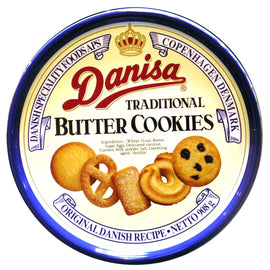
Danisa Butter Cookies 丹麥皇冠 曲奇餅举干 — 908g Large TinRich, buttery, and unmistakably classic. Danisa Butter Cookies (丹麥皇冠, Danish Crown) are made using an authentic Danish...
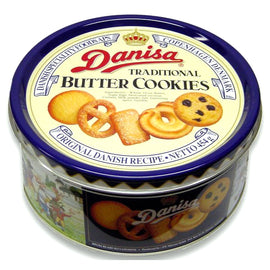
Danisa Butter Cookies 丹麥皇冠 曲奇餅举干 — 454g TinRich, buttery, and unmistakably classic. Danisa Butter Cookies (丹麥皇冠, Danish Crown) are made using an authentic Danish recipe...
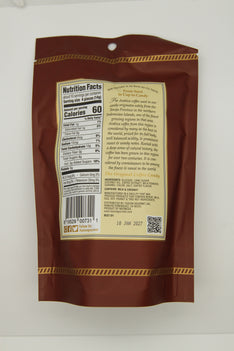
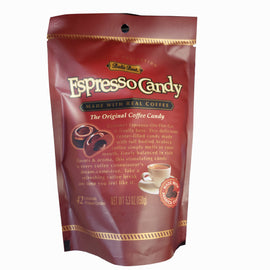
Bali's Best Espresso Candy 特濃咊啡糖 — 150gBold, dark, and intensely coffee — with a surprise inside. Bali's Best Espresso Candy is a hard coffee candy...
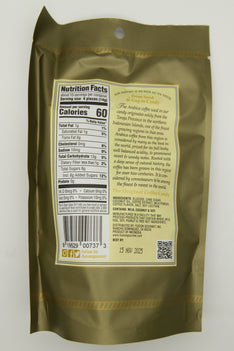
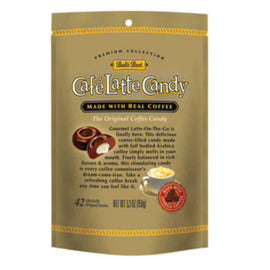
Bali's Best Latte Candy 拿鐵咊啡糖 — 150gCreamy, smooth, and richly coffee. Bali's Best Latte Candy is a center-filled hard candy made with real Sumatran Arabica...
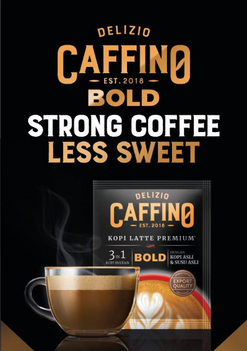
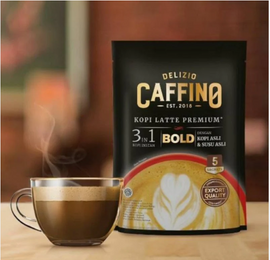
Caffino BOLD Premium Coffee Latte 特濃咖啡拿鐵 — 12 Sachets Strong, coffee-forward, and unapologetically bold. Caffino BOLD is a 3-in-1 instant latte made with real coffee...
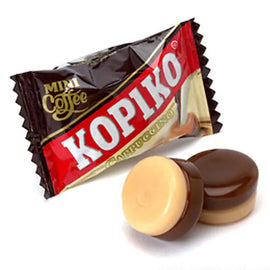
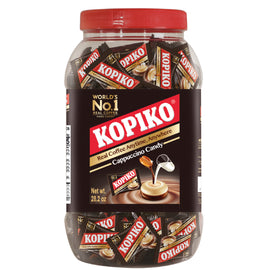
KOPIKO Cappuccino Coffee Candy 可比可 卡布奇諾咖啡糖 — 800g Jar Enjoy the smooth, creamy taste of cappuccino in a convenient hard candy. KOPIKO Cappuccino Coffee Candy...
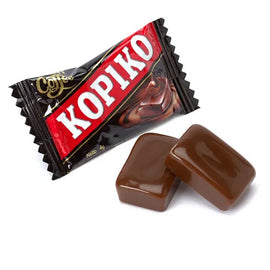
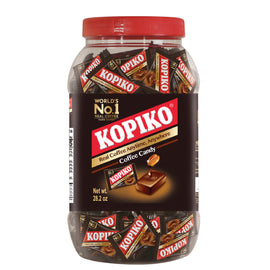
KOPIKO Original Coffee Candy 可比可 咖啡糖 — 800g Jar Bold coffee flavor in a convenient hard candy. Made with coffee extract and individually wrapped, KOPIKO...
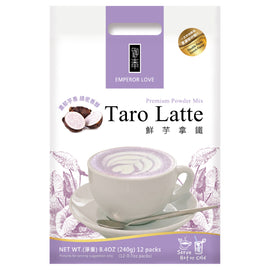
Emperor Love Taro Latte 御奉 芋頭拿鐵 — 12 Sachets, 240g Rich, creamy, and earthy. Emperor Love Taro Latte is an instant powder drink mix that...
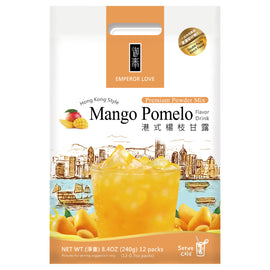
Emperor Love Hong Kong Style Mango Pomelo Drink Mix 御奉 港式楊枝甘露 — 12 Sachets, 240g The classic Hong Kong dessert drink in convenient sachet form....
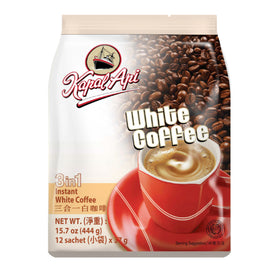
Kapal Api 3-in-1 White Coffee 帆船牌三合一白咖啡 — 12 Sachets, 444g Rich, aromatic, and creamy. Kapal Api 3-in-1 White Coffee combines coffee, creamer, and sugar in...
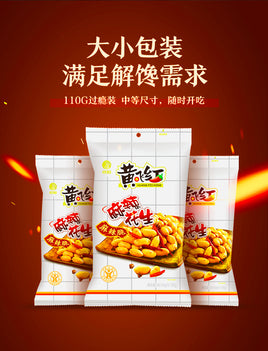
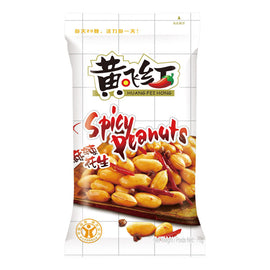
Huang Fei Hong Spicy Peanuts 黃飛紅 麻辣花生 — 70gThe original Sichuan spicy peanut in a grab-and-go size. Huang Fei Hong (黃飛紅) Spicy Peanuts are lightly...
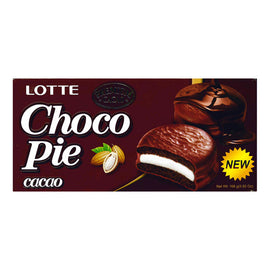
Lotte Choco Pie Premium Cacao with Marshmallow Filling 樂天 棉花糖夾心可可巧克力派 — 6 PacksThe iconic Korean chocolate marshmallow pie. Lotte Choco Pie (롯데 초코파이) is a...
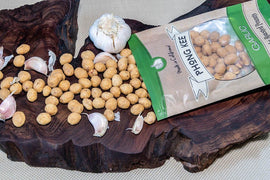
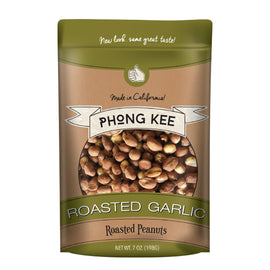
Phong Kee Roasted Garlic Peanuts 豐記 蒜蓉花生 — 198gCrunchy, savory, and deeply garlicky. Phong Kee (豐記) Roasted Garlic Peanuts are whole peanuts slow-roasted and coated...
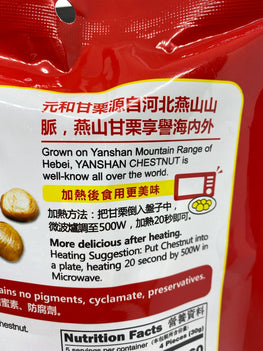
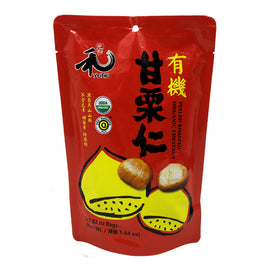
YUHO Organic Peeled Chestnuts (元和 有機甘栗仁) – 5.64oz / 159gReady-to-eat organic chestnuts, peeled and prepared for you. YUHO's Organic Peeled Chestnuts are certified organic, non-GMO,...
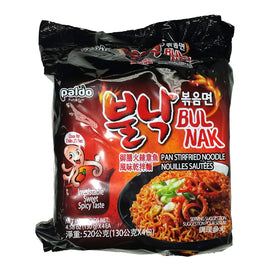
Paldo Sweet & Spicy Octopus Stir-fried Noodle (어산 낙지볶음면 / 御膳火辣章魚風味乾拌麵) — 4 PackSweet heat with a seafood kick. Paldo’s Sweet & Spicy Octopus Stir-fried...
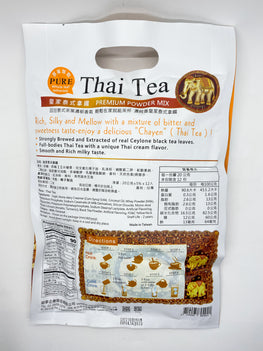
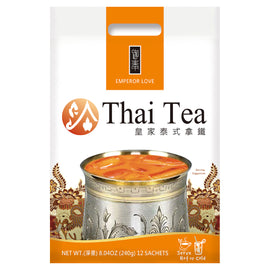
Emperor Love Thai Tea Latte — 12 Sachets (御奉皇家泰式奶茶) — 200g Emperor Love’s take on the beloved Thai milk tea — rich, sweet, and warmly...
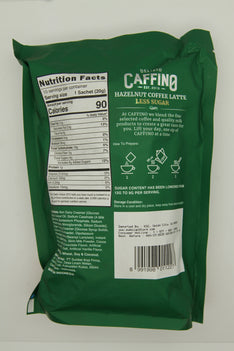
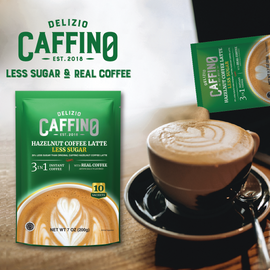
Caffino 3-in-1 Hazelnut Coffee Latte Less Sugar — 10 Sachets (三合一榛果拿鐵少糖) — 200g A nutty, café-style latte with less sugar. Caffino 3-in-1 Hazelnut Coffee Latte...

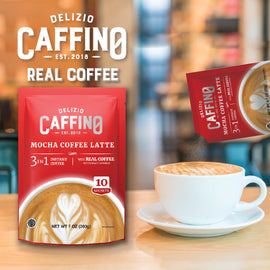
Caffino 3-in-1 Mocha Coffee Latte — 10 Sachets (三合一摩卡拿鐵) — 200g Coffee and chocolate in one convenient sachet. Caffino 3-in-1 Mocha Coffee Latte brings together...
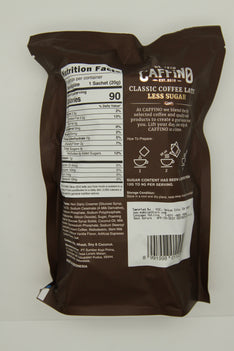
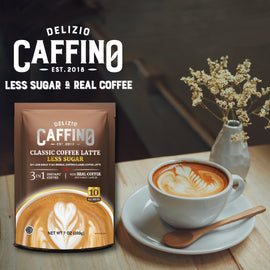
Caffino 3-in-1 Classic Coffee Latte Less Sugar — 10 Sachets (三合一拿鐵少糖) — 200g The everyday latte, with less sugar. Caffino 3-in-1 Classic Coffee Latte Less...
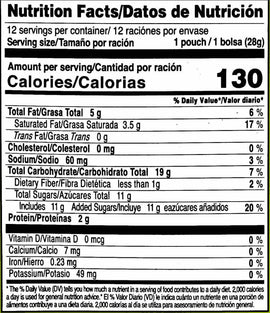
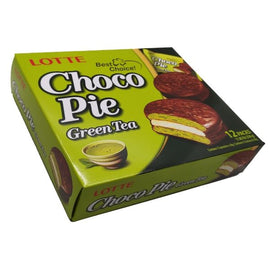
Lotte Green Tea Choco Pie (Matcha) 樂天 棉花糖夾心巧克力派 抄茶味 12 Packs The iconic Korean choco pie with a green tea twist. Lotte Green Tea Choco...
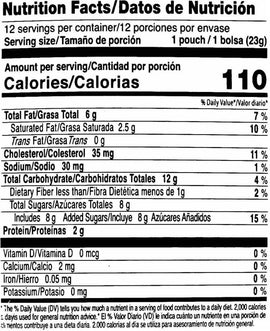
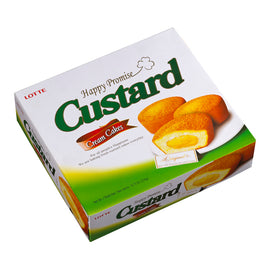
Lotte Custard Cream Cake 樂天 蛋黃派 12 Packs Light, pillowy, and delicately sweet. Lotte Custard Cream Cake (롯데 달골파이) is a beloved Korean snack cake...
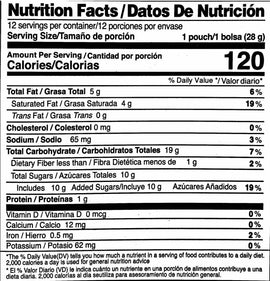
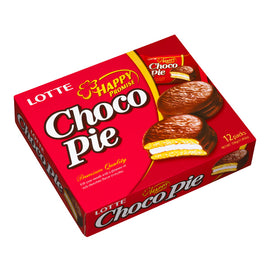
Lotte Choco Pie Classic Marshmallow 樂天 棉花糖夾心巧克力派 12 Packs The original. The icon. Lotte Choco Pie (롯데 초코파이) is one of South Korea’s most beloved...

Fort Knox Milk Chocolate Gold Coins 金幣巧克力 57g (15 coins) The classic gold foil-wrapped milk chocolate coin — smooth, creamy Dutch milk chocolate in a...
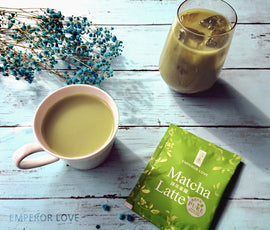
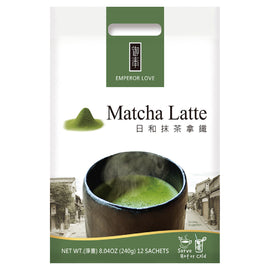
Emperor Love Matcha Latte — 12 Sachets (御奉日和抹茶拿鐵) — 252g Enjoy a smooth, creamy matcha latte wherever you are. Emperor Love Matcha Latte comes as...
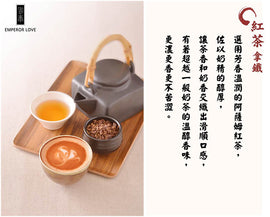
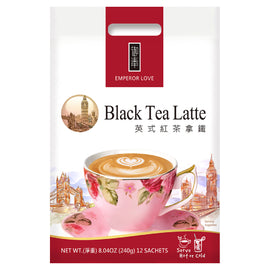
Emperor Love Black Tea Latte — 12 Sachets (御奉英式紅茶拿鐵) A rich, mellow black tea latte made from Indian high-altitude FBOP-grade black tea leaves grown at...
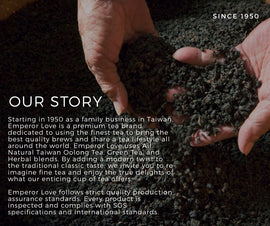
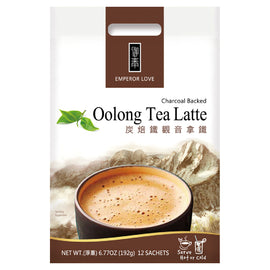
Emperor Love Charcoal Baked Oolong Tea Latte — 12 Sachets (御奉碳培鐵觀音拿鐵) A rich, smoky oolong latte crafted from Taiwan Tie Guan Yin tea leaves, slow-roasted...
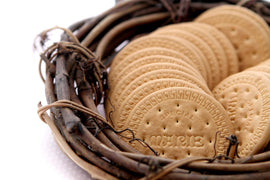
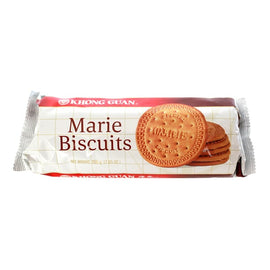
Khong Guan Marie Biscuits — 200G (康元 瑪麗餅) Light, lightly sweet, and endlessly versatile. Khong Guan Marie Biscuits are a classic Asian household staple —...
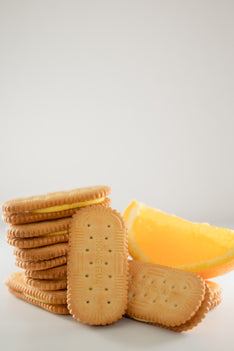
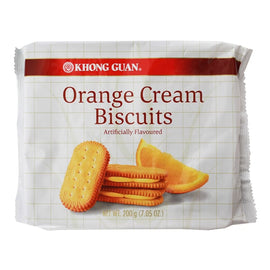
Khong Guan Orange Cream Biscuits — 200G (康元 香橙夾心餅乾) Crisp, lightly sweet biscuits with a fragrant, citrusy orange cream filling. Khong Guan Orange Cream Biscuits...
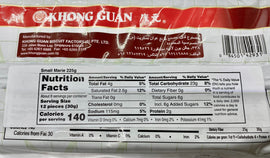
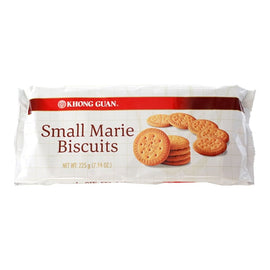
Khong Guan Small Marie Biscuits — 225G (康元 小瑪麗) The same classic Khong Guan Marie biscuit, in a smaller bite-sized format. Light, lightly sweet, and...
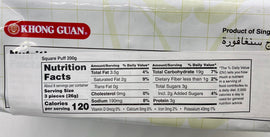
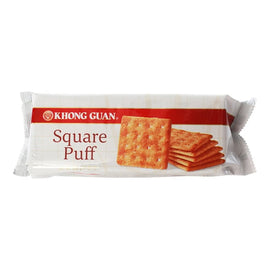
Khong Guan Square Puff Biscuits — 200G (康元 香酥卜) Light, airy, and satisfyingly crisp. Khong Guan Square Puff Biscuits are a classic puffed cracker with...
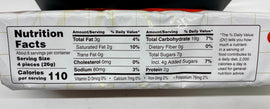
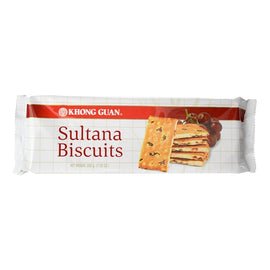
Khong Guan Sultana Biscuits — 200G (康元 提子餅) Crisp, lightly sweet, and dotted with plump sultana raisins. Khong Guan Sultana Biscuits are a long-time favourite...

Khong Guan Sultana Biscuits Mini Packs 康元葡萄餅 — 10 Mini PacksThe classic Khong Guan sultana biscuit in convenient individual mini packs. Light, crisp butter biscuits...
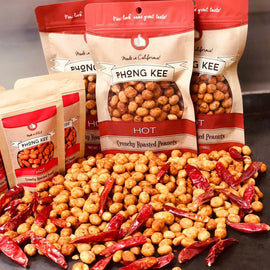
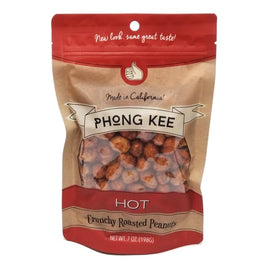
Phong Kee Spicy Fish Skin Peanuts 豐記 香辣魚皮花生 198g All the crunch of the Original Fish Skin Peanuts, now with heat. Whole peanuts in a...
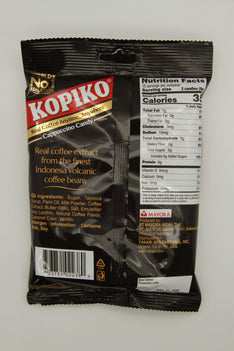
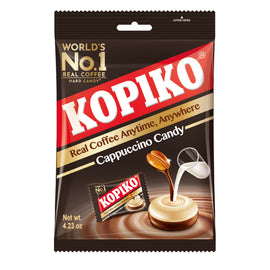
KOPIKO Cappuccino Candy 可比可 卡布奇諾咖啡糖 — 120gEnjoy the rich taste of coffee in a slow-melting hard candy. KOPIKO Cappuccino Candy combines coffee extract, creamy milk...
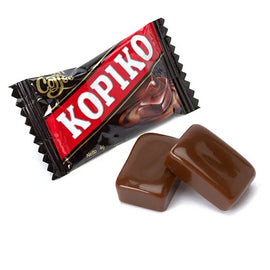
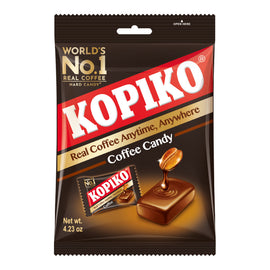
KOPIKO Coffee Candy 可比可 咖啡糖 — 120gEnjoy the rich taste of Indonesian coffee in a convenient, individually wrapped hard candy. KOPIKO Coffee Candy is made...
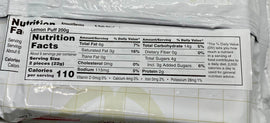
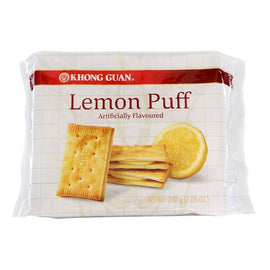
Khong Guan Lemon Puff Biscuits — 200G (康元 檸檬夾心餅) Light, crisp puff biscuits with a bright, tangy lemon cream filling. Khong Guan Lemon Puff Biscuits...
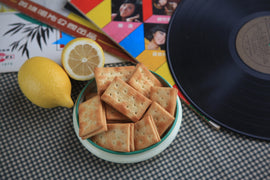
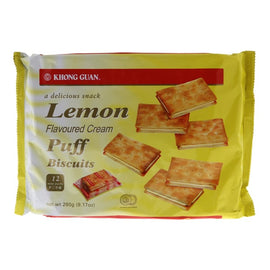
Khong Guan Lemon Puff Biscuits Mini Packs 康元 檬檬酥餅 260g (12 mini packs) Light, flaky puff biscuits with a sweet lemon cream center, individually sealed...
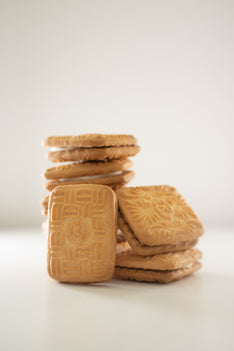
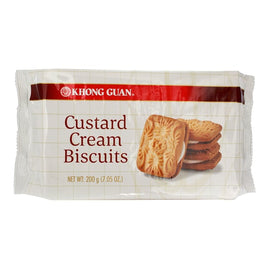
Khong Guan Custard Cream Biscuits — 200G (康元 卡士特餅乾) Crisp sandwich biscuits with a smooth, buttery custard cream filling. Khong Guan Custard Cream Biscuits are...
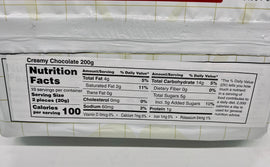
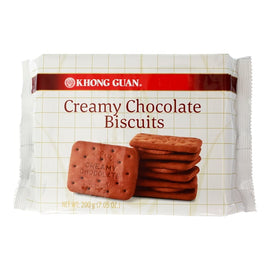
Khong Guan Creamy Chocolate Biscuits — 200G (康元 朱古力夾心餅) Crisp chocolate sandwich biscuits with a smooth, creamy chocolate filling. Khong Guan Creamy Chocolate Biscuits strike...
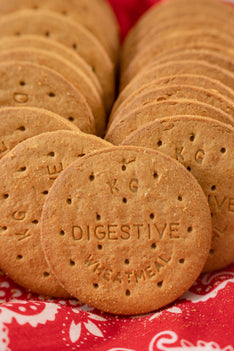
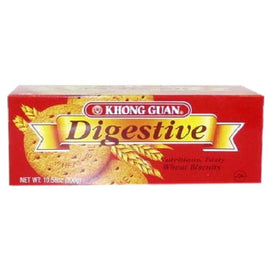
Khong Guan Digestive Biscuits — 300G (康元 消化餅) Nutritious, lightly sweet, and perfect alongside a hot drink. Khong Guan Digestive Biscuits are made with wholemeal...
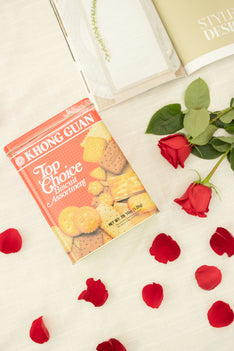
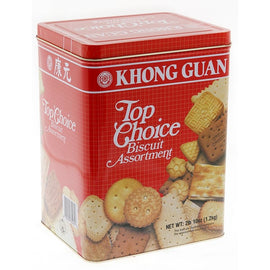
Khong Guan Top Choice Biscuit Assortment Tin — 1.2KG (康元 頂選什錦餅 桶装) The best of Khong Guan, in one generous tin. The Top Choice Biscuit...
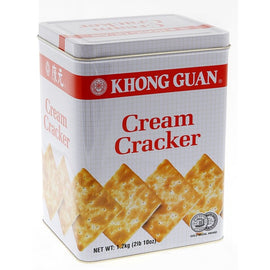
Khong Guan Cream Crackers Tin — 1.2KG (康元 蘇打餅 桶装) The iconic Khong Guan tin — a familiar sight in Asian households for over 75...
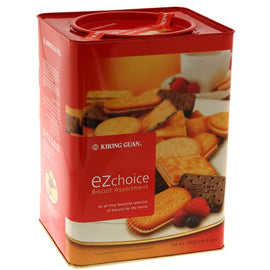
Khong Guan EZ Choice Biscuit Assortment Tin 康元 EZ Choice什錦餅 700g A generous 700g tin of classic Khong Guan biscuit varieties — sweet, creamy, and...
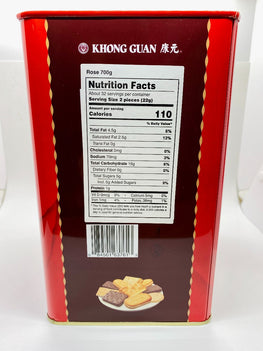
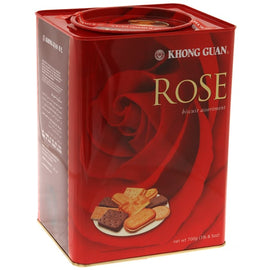
Khong Guan Rose Biscuit Assortment Tin — 700G (康元 玫瑰什錦餅 桶装) The iconic Khong Guan rose tin — a classic gift and household staple across...
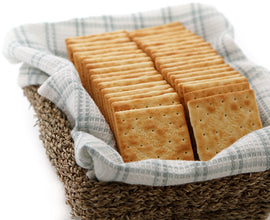
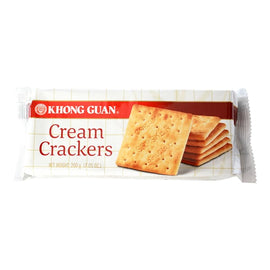
Khong Guan Cream Crackers — 200G (康元 蘇打餅) A timeless pantry staple from one of Asia's most trusted biscuit brands. Khong Guan Cream Crackers are...
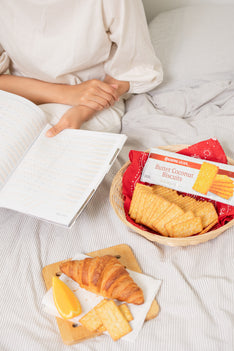
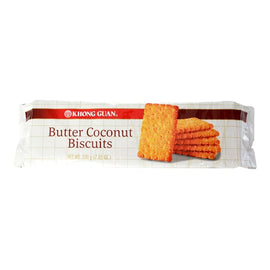
Khong Guan Butter Coconut Biscuits — 200G (康元 牛油椰子餅) Rich, buttery, and fragrant with coconut. Khong Guan Butter Coconut Biscuits are a classic Southeast Asian...
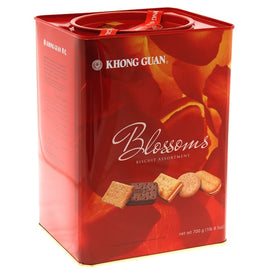
Khong Guan Blossoms Biscuit Assortment Tin — 700G (康元 Blossoms什錦餅 桶装) A beautiful assortment of Khong Guan’s best-loved biscuit varieties, presented in the iconic Blossoms...
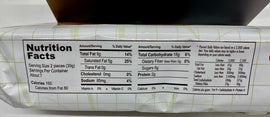
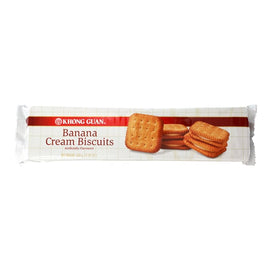
Khong Guan Banana Cream Biscuits — 200G (康元 香蕉夾心餅) Crisp, lightly sweet biscuits with a smooth, sweet banana cream filling. Khong Guan Banana Cream Biscuits...
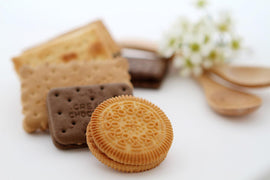
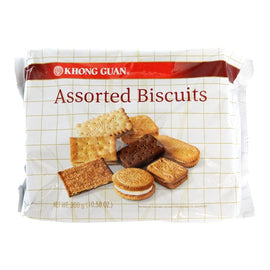
Khong Guan Assorted Biscuits — 300G (康元 什錦餅) A classic mix of Khong Guan’s best-loved biscuit varieties in one convenient pack. Assorted Biscuits are a...

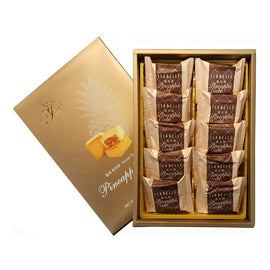
Isabelle Pineapple Cakes 伊莎貝爾 鳳梨酥 480g (10 pcs) Taiwan’s most beloved gift pastry. Isabelle’s Pineapple Cakes feature a delicate, buttery shortbread crust with a generous...