Product successfully added to your shopping cart

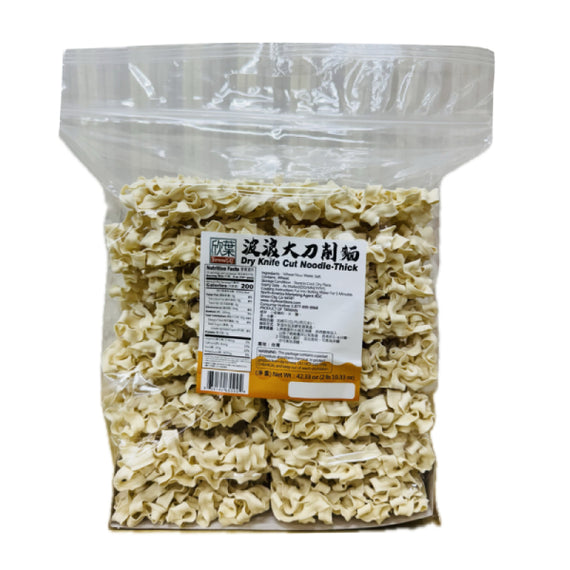
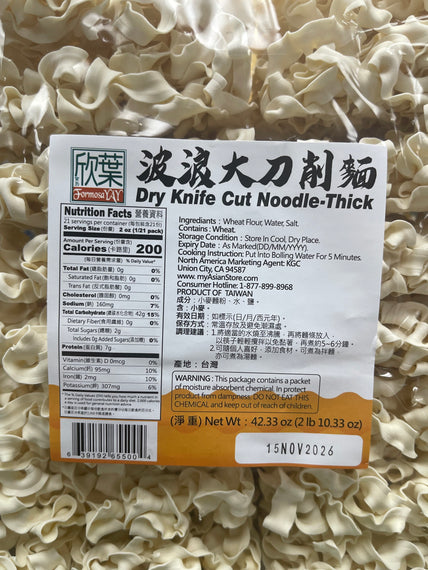
FORMOSA YAY DRY KNIFE THICK CUT NOODLE (resealable pack) 欣葉波浪大刀削麵
Regular price
$8.99
Formosa Yay Wavy Knife-Cut Thick Noodle (欣葉 波浪大刀削麵) – 2.65lb Resealable PackThe noodle built for bold Northern Chinese sauces. Formosa Yay's (欣葉) Wavy Knife-Cut Thick Noodle (波浪大刀削麵) is a thick, chewy, springy dried noodle modeled after the hand-shaved knife-cut noodles (刀削麵 dāo xiāo miàn) of Northern Chinese cuisine. The wavy...
Formosa Yay Wavy Knife-Cut Thick Noodle (欣葉 波浪大刀削麵) – 2.65lb Resealable Pack
The noodle built for bold Northern Chinese sauces. Formosa Yay's (欣葉) Wavy Knife-Cut Thick Noodle (波浪大刀削麵) is a thick, chewy, springy dried noodle modeled after the hand-shaved knife-cut noodles (刀削麵 dāo xiāo miàn) of Northern Chinese cuisine. The wavy (波浪) texture is the key feature — the ridges and curves grip sauce far better than a flat or straight noodle, ensuring every strand is fully coated. Made in Taiwan by Formosa Yay, a trusted Taiwanese noodle brand. Comes in a large 2.65lb resealable pack — ideal for families and regular noodle cooks.
Product Details
- Net Weight: 2.65lb (1.2kg) — large resealable pack
- Country of Origin: Taiwan
- Brand: Formosa Yay (欣葉) — trusted Taiwanese noodle brand
- Style: Wavy knife-cut thick noodle (波浪大刀削麵) — dried
- Packaging: Resealable bag — keeps noodles fresh between uses
Why Wavy & Thick?
- 🌊 Wavy texture (波浪): The ridges and curves grip sauce far better than flat noodles — every strand is fully coated, no sauce pooling at the bottom of the bowl
- 🍜 Thick cut (大刀削): Substantial, chewy bite — the noodle is a main event, not just a carrier. Holds up to rich, bold sauces without going soft
- ✨ Springy QQ texture: Cooks to a firm, resilient chew — the hallmark of a great Northern Chinese wheat noodle
Best Uses
- 🍜 Zhajiangmian (炸酱面): The definitive pairing — the thick, meaty fermented bean paste sauce clings perfectly to the wavy noodle. A classic Beijing dish that this noodle was made for
- 🥢 Cold sesame noodles (凉面): Boil, shock in cold water, toss with sesame paste, soy, black vinegar, and chili oil — the wavy texture holds the thick sauce beautifully
- 🍳 Stir-fried noodles (炒面): Thick noodles won't break down in the wok and develop excellent wok hei char on the ridges
- 🍲 Braised noodle dishes: Can simmer briefly in a braising liquid without turning soft — absorbs the sauce flavor deeply
Cooking Tips
- ⏲️ Cook al dente: Boil until just firm — they will continue cooking slightly after draining
- 💧 Cold shock for cold dishes: After boiling, rinse immediately in cold water to stop cooking and tighten the QQ texture — essential for cold noodle dishes
- 🧄 Classic toppings for Zhajiangmian: Shredded cucumber, bean sprouts, julienned radish — the crunch contrasts perfectly with the chewy noodle
- 🌶️ Sauce essentials: Good chili oil, Chinkiang black vinegar, soy sauce, and fresh garlic and scallions elevate any preparation
Note: Contains wheat. Consumers with gluten sensitivities should carefully read the actual package before consuming.
Related Products
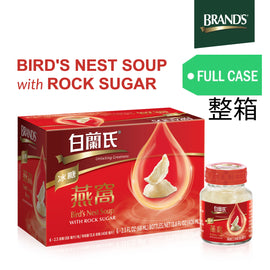
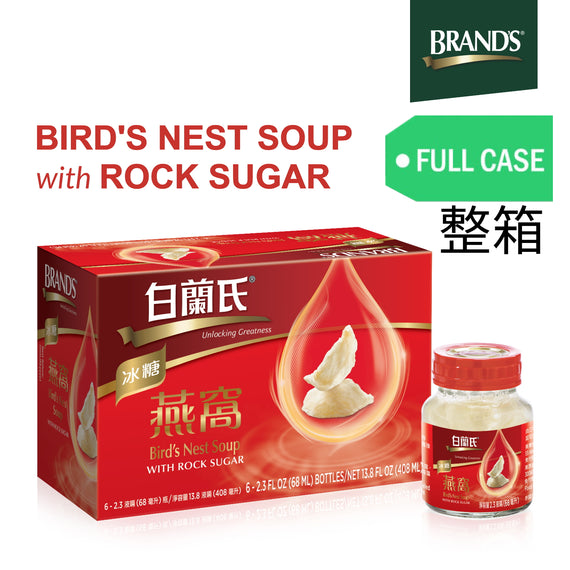
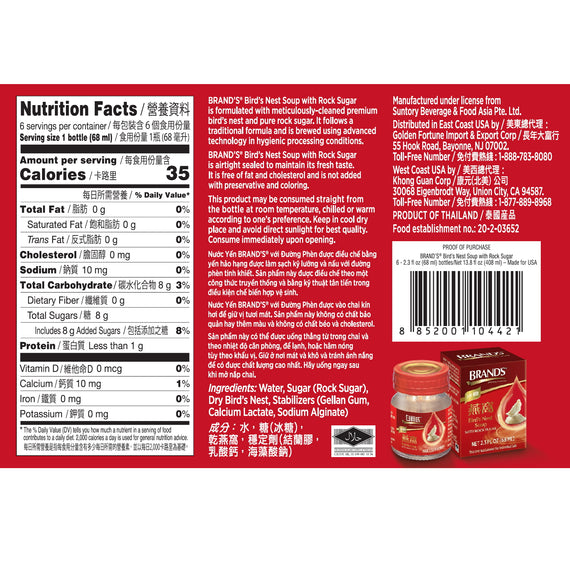
BRAND’S® Bird’s Nest Soup with Rock Sugar — 1 Case (48 Bottles) 白蘭氏冰糖燕窩(符1/48瓶)
BRAND’S® Bird’s N...
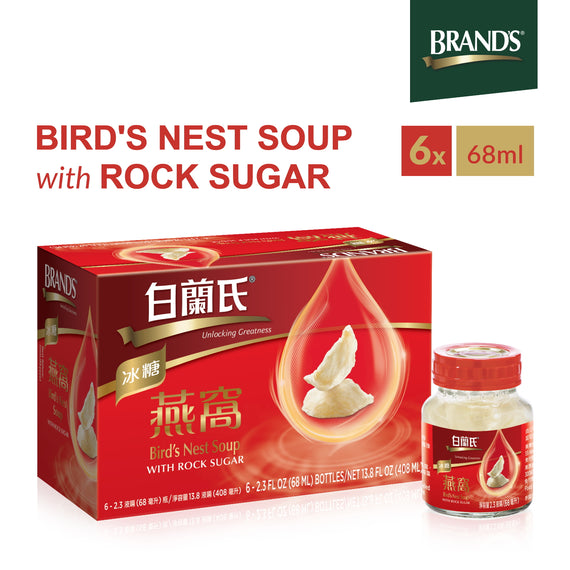
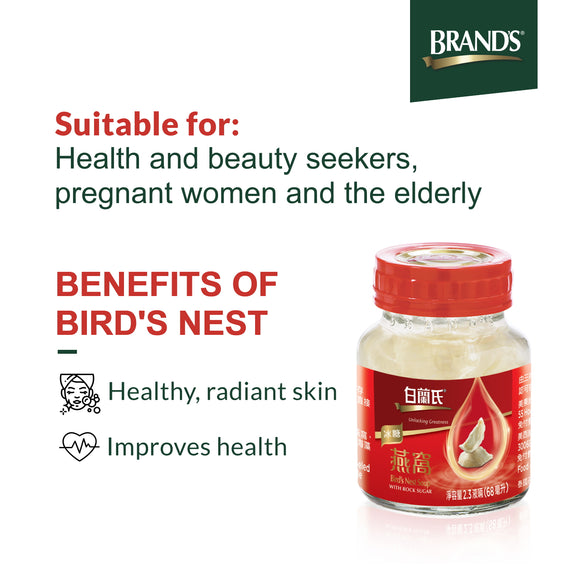
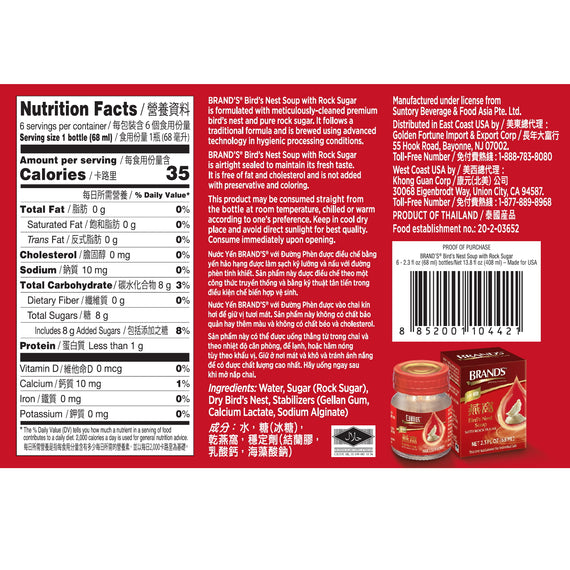
BRAND’S® Bird’s Nest Soup with Rock Sugar — 1 Pack (6 Bottles) 白蘭氏冰糖燕窩(6瓶)
BRAND’S® Bird’s Nest S...
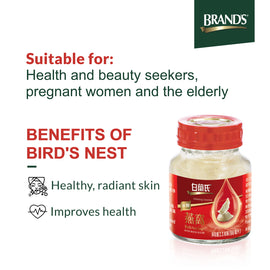
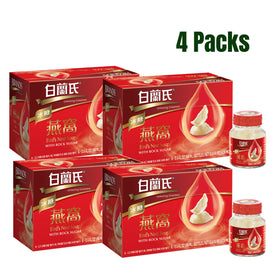
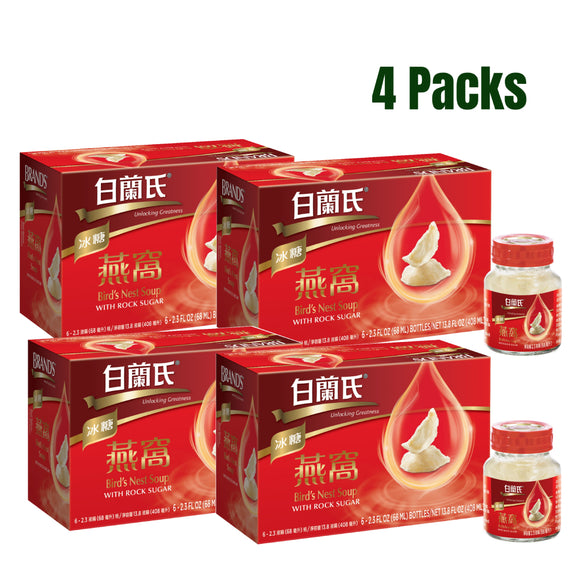
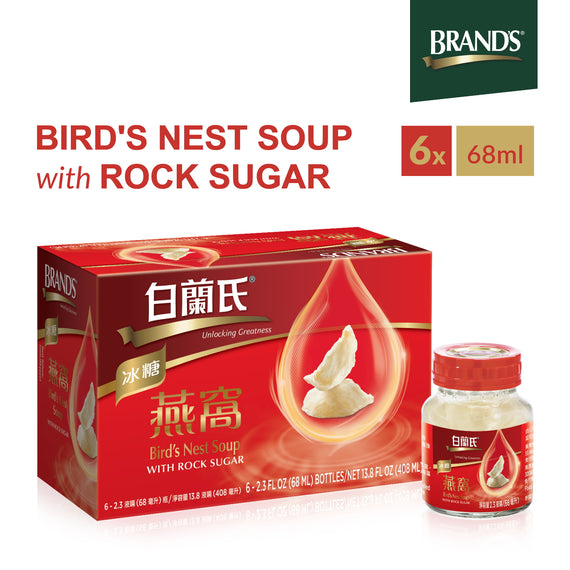
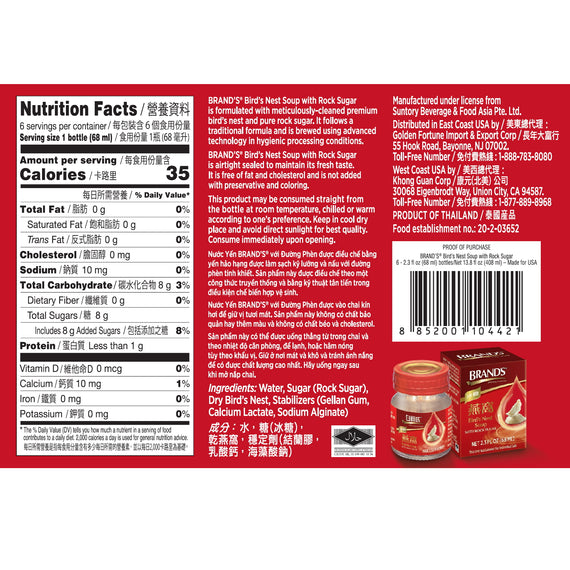
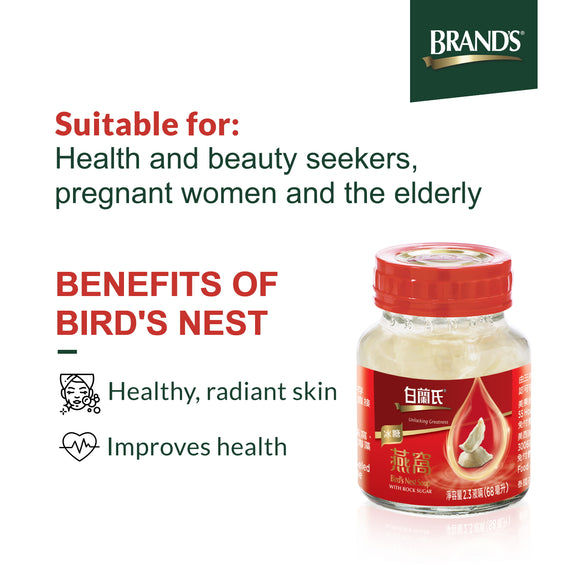
BRAND'S Bird's Nest Soup with Rock Sugar 白蘭氏冰糖燕窩 — 4 Packs (24 Bottles)
Stock up and save on Asia...
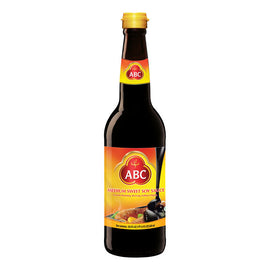
ABC Medium Sweet Soy Sauce 中甜醬油 — 21oz (595ml)Indonesia's iconic thick sweet soy sauce — Kecap Ma...
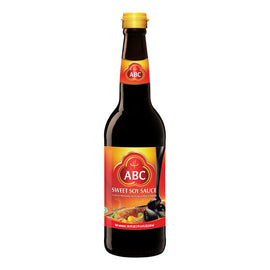
ABC Sweet Soy Sauce (Kecap Manis) 甜醬油 — 21 ozThe iconic Indonesian sweet soy sauce. ABC Kecap Man...
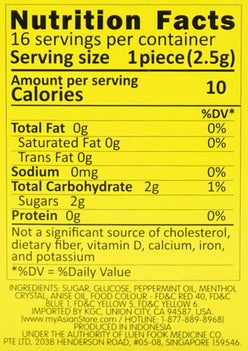
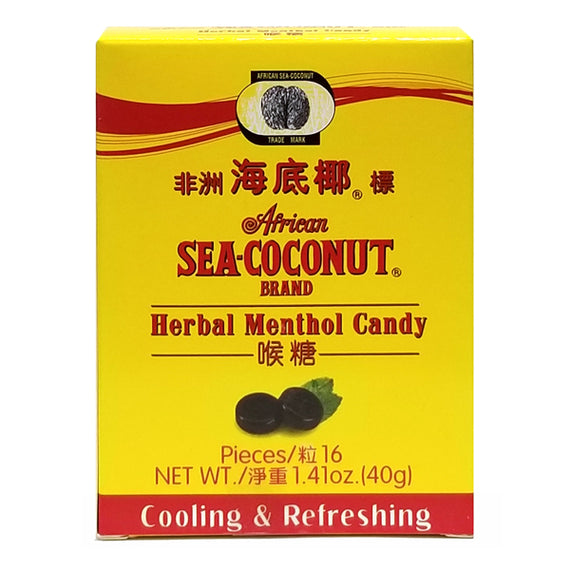
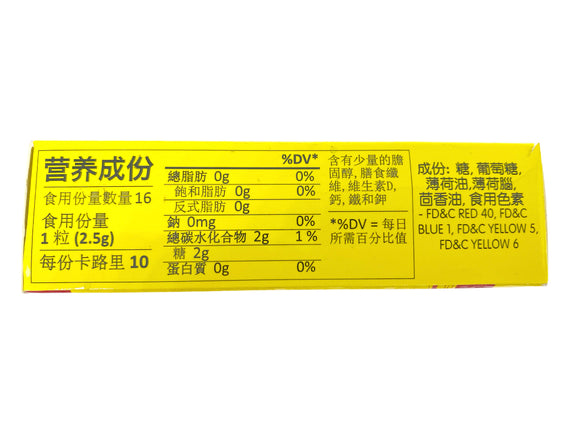
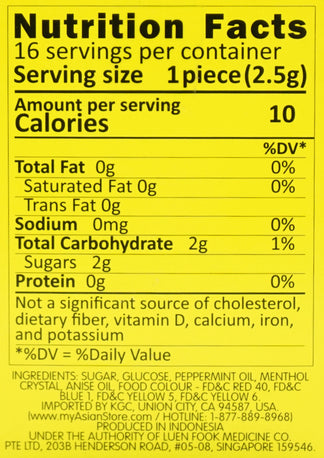
African Sea-Coconut Herbal Menthol Candy 非洲海底椰 喉糖 — 40g (16 Pieces)
Soothing, aromatic, and natur...

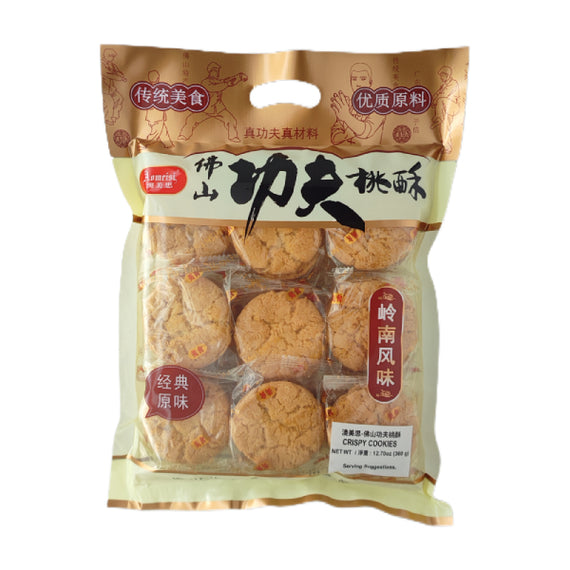


Aomeisi Kung Fu Tao Su Crispy Cookies (澳美思 功夫桃酥) — 360g
The classic Chinese walnut shortbread, do...
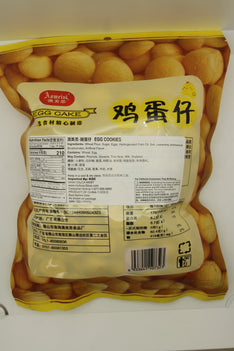
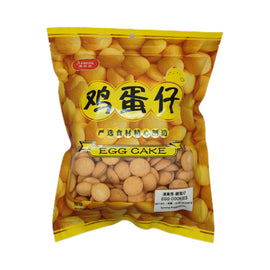


Aomeisi 雞蛋仔 Egg Cookies (澳美思 雞蛋仔) — 300g
The classic 雞蛋仔 flavor, in a crispy cookie. Aomeisi's (澳...
ASTOR Chocolate Wafer Sticks — 11.64 oz TinCrisp, light wafer sticks filled with smooth chocolate...
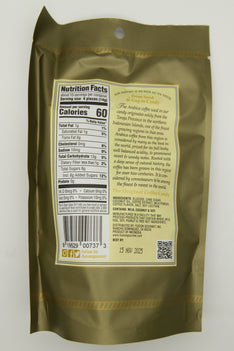
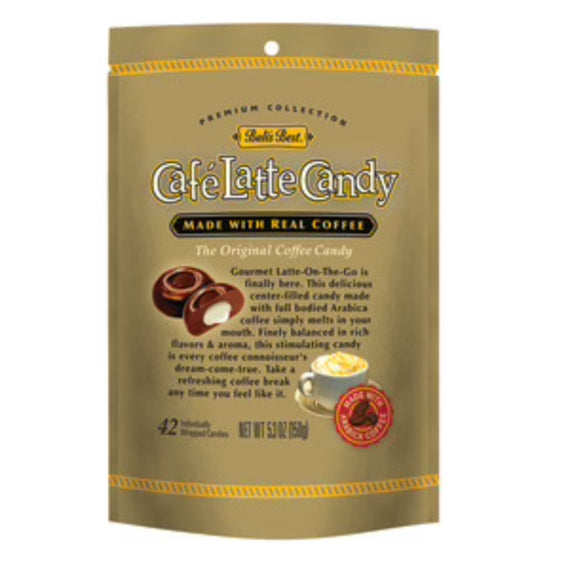
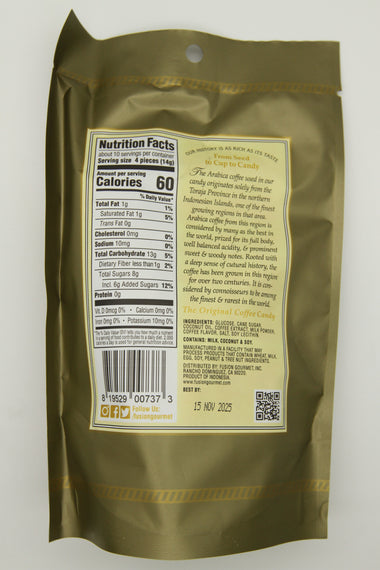


Bali's Best Latte Candy 拿鐵咊啡糖 — 150gCreamy, smooth, and richly coffee. Bali's Best Latte Candy is...