Product successfully added to your shopping cart

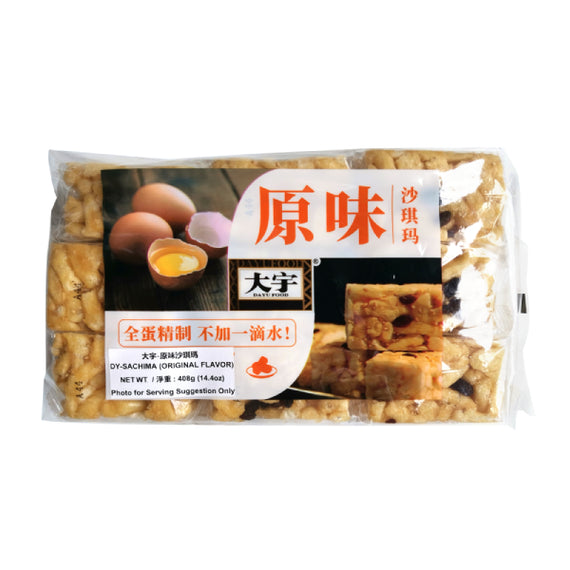
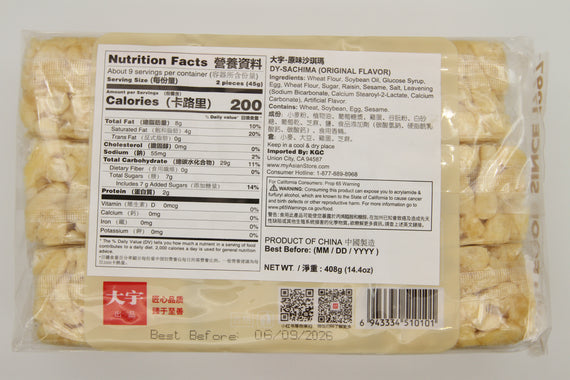
DAYU SACHIMA (ORIGINAL FLAVOR) 大宇原味沙琪瑪
Regular price
$7.99
Dayu Sachima Original Flavor (大宇 原味沙琼瑪) – 408gA beloved Chinese childhood classic — and one of our best sellers. Sachima (沙琼瑪) is a traditional Chinese pastry made from thin strips of deep-fried dough bound together with maltose syrup into a soft, honey-sweet bar. Dayu's Original Flavor is the purest expression:...
Dayu Sachima Original Flavor (大宇 原味沙琼瑪) – 408g
A beloved Chinese childhood classic — and one of our best sellers. Sachima (沙琼瑪) is a traditional Chinese pastry made from thin strips of deep-fried dough bound together with maltose syrup into a soft, honey-sweet bar. Dayu's Original Flavor is the purest expression: clean, lightly sweet, and deeply nostalgic. The kind of snack that disappears from the bag before you realize it.
Product Details
- Net Weight: 408g
- Country of Origin: China
- Brand: Dayu (大宇)
- Flavor: Original (原味) — classic, lightly sweet, no added flavoring
What Does Sachima Taste & Feel Like?
If you've never tried sachima before, the closest Western reference point is a Rice Krispies Treat — but replace the puffed rice with tiny, delicate funnel cake croutons, and soak the whole thing in honey until it becomes soft, pliable, and gently chewy. Here's what to expect:
- 🍯 The bite: Immediate yield — spongy and dense, your teeth sink through with almost no resistance. Not crunchy, not bouncy — softly compressing
- ✨ The interior: Thin fried dough strands create a delicate crispy-meets-chewy sensation — like a funnel cake that's been sitting in syrup, pleasantly fragile then softening into a brioche-like chew
- 🍫 The mouthfeel: Slightly sticky from the maltose binder (like a soft caramel), then melt-in-your-mouth as the syrup dissolves — rich, sweet, and lightly oily from the fry. Similar to praline or halva
Perfect For
- 🎂 Lunar New Year gifting: Sachima is a traditional festive treat — the 408g size makes it ideal for sharing and gifting
- ☕ Tea pairing: The light sweetness pairs beautifully with Chinese tea, cutting through the richness perfectly
- 👶 Childhood memories: A staple of Chinese school snack boxes and family gatherings — instantly nostalgic for anyone who grew up with it
- 💻 Everyday snacking: Satisfying without being heavy — a small piece goes a long way
Note: Contains wheat, egg, and maltose. Consumers with dietary restrictions should carefully read the actual package before consuming.
Related Products
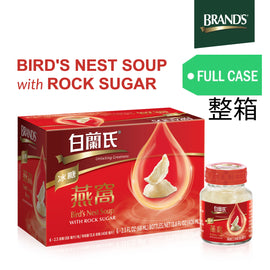
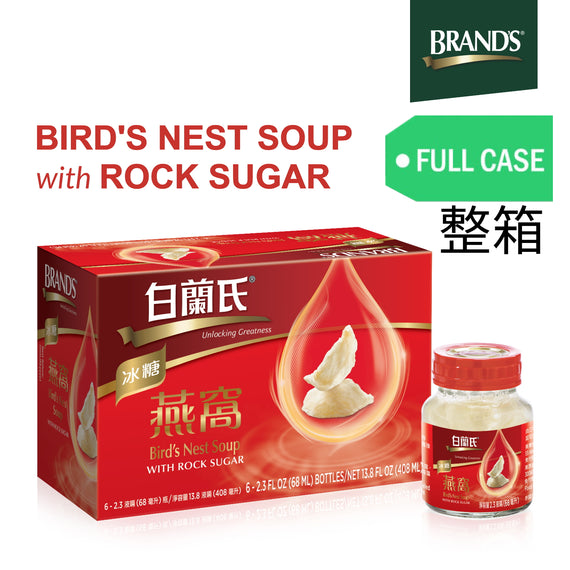
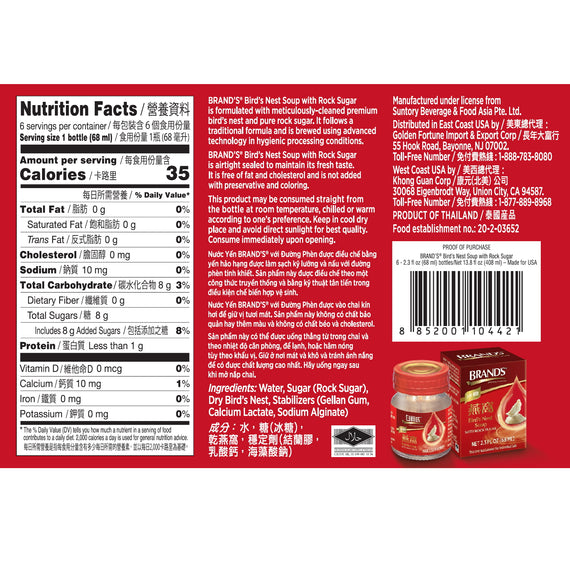
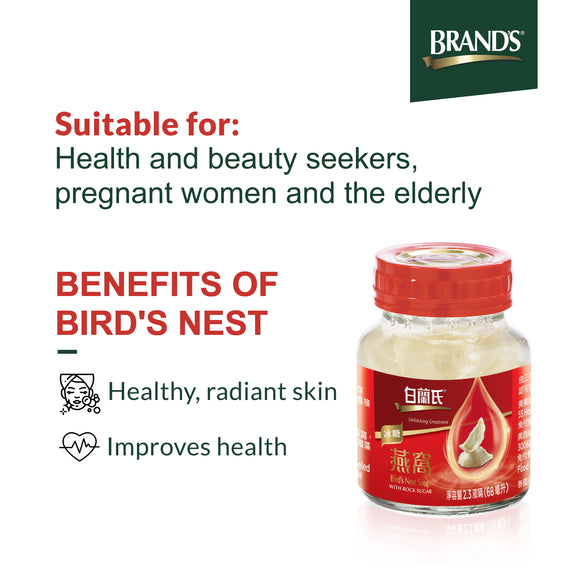
BRAND’S® Bird’s Nest Soup with Rock Sugar — 1 Case (48 Bottles) 白蘭氏冰糖燕窩(符1/48瓶)
BRAND’S® Bird’s N...
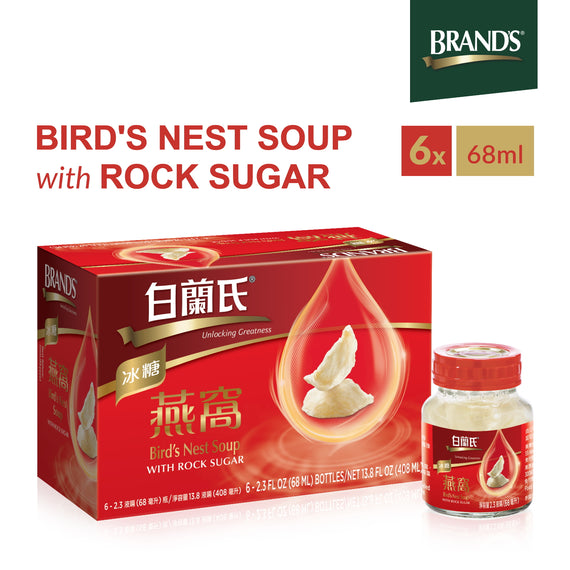
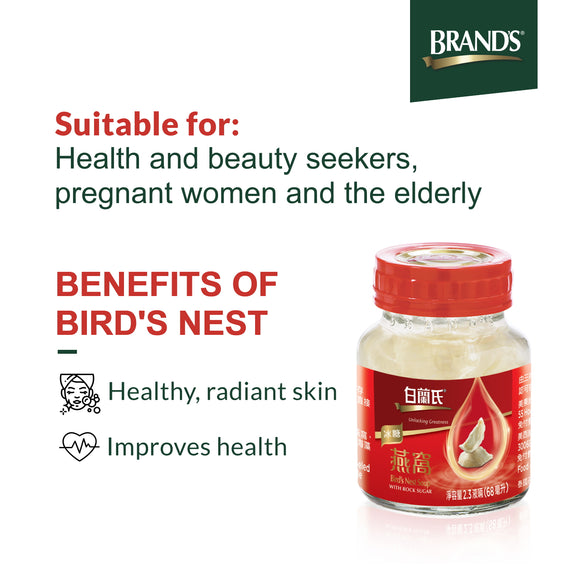
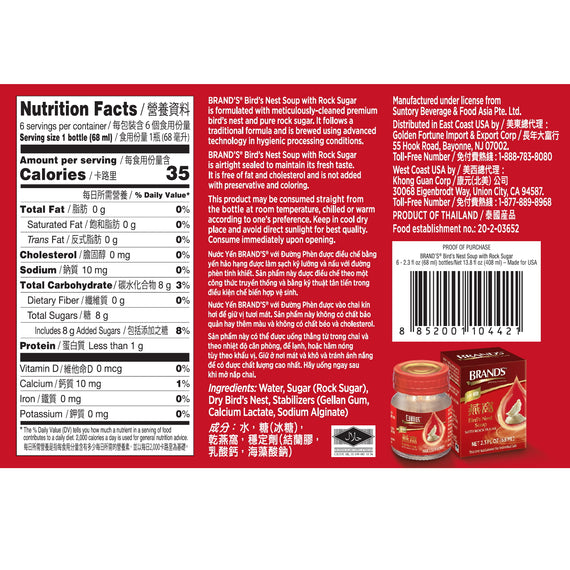
BRAND’S® Bird’s Nest Soup with Rock Sugar — 1 Pack (6 Bottles) 白蘭氏冰糖燕窩(6瓶)
BRAND’S® Bird’s Nest S...
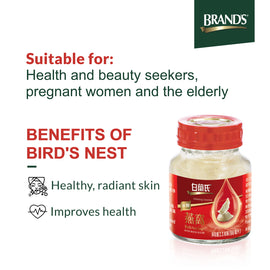
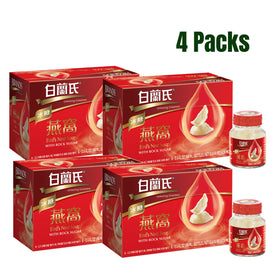
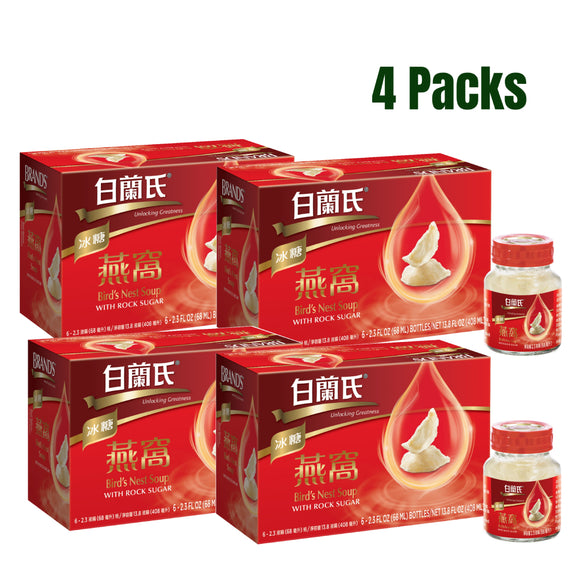
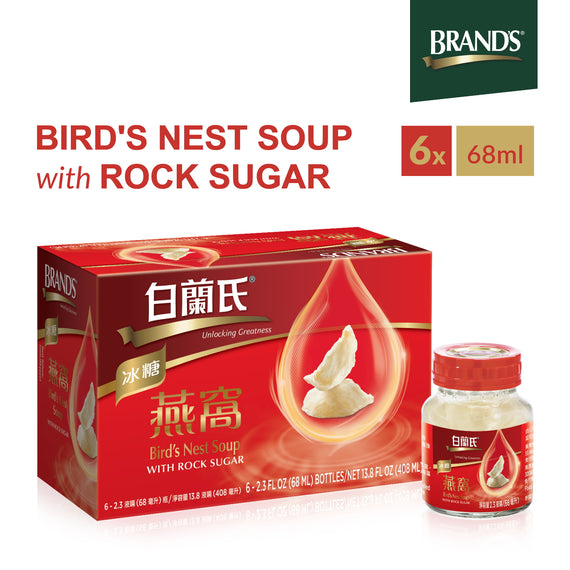
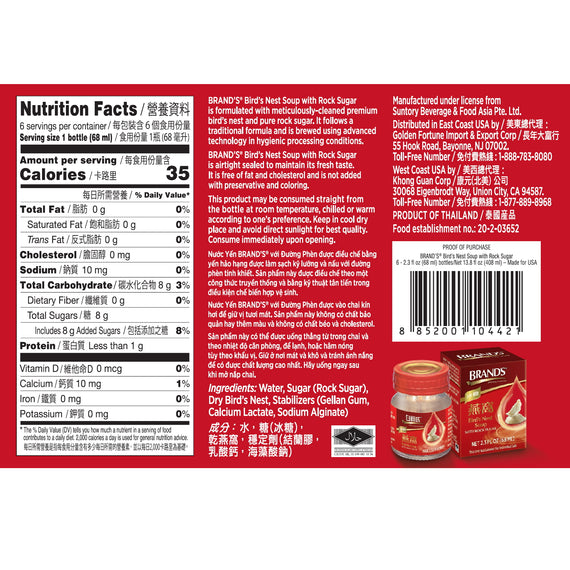
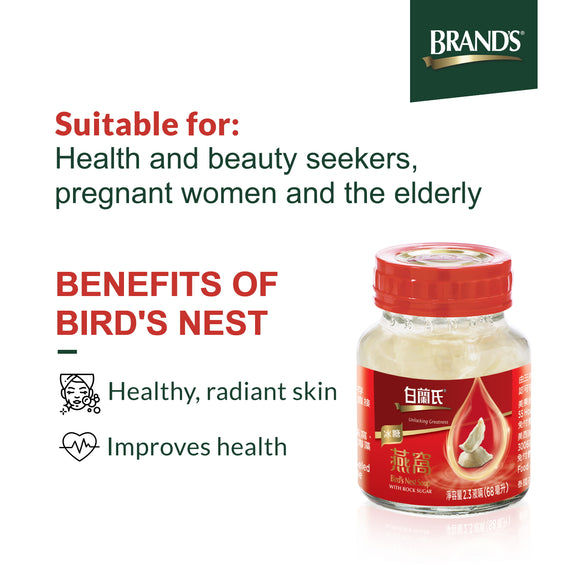
BRAND'S Bird's Nest Soup with Rock Sugar 白蘭氏冰糖燕窩 — 4 Packs (24 Bottles)
Stock up and save on Asia...
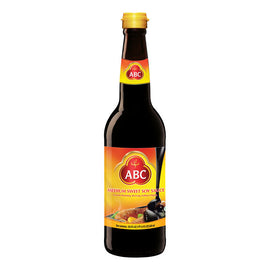
ABC Medium Sweet Soy Sauce 中甜醬油 — 21oz (595ml)Indonesia's iconic thick sweet soy sauce — Kecap Ma...
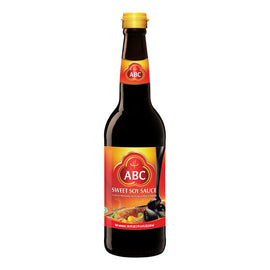
ABC Sweet Soy Sauce (Kecap Manis) 甜醬油 — 21 ozThe iconic Indonesian sweet soy sauce. ABC Kecap Man...
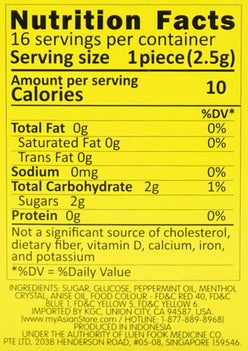
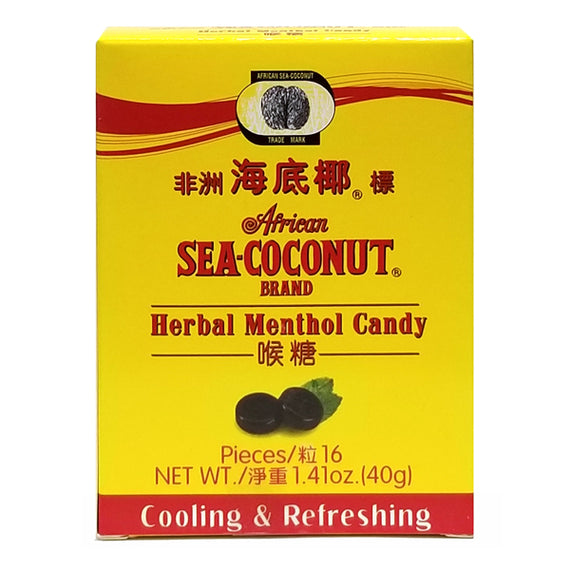
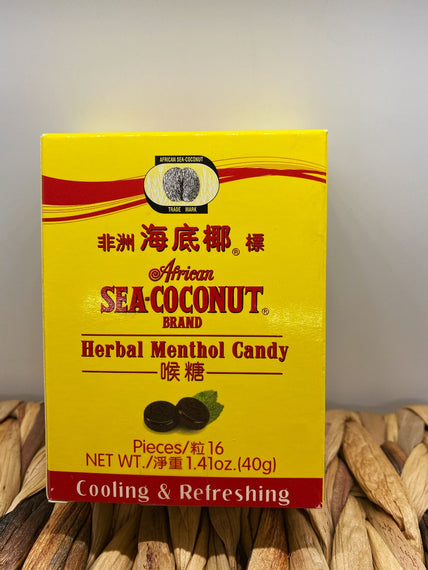
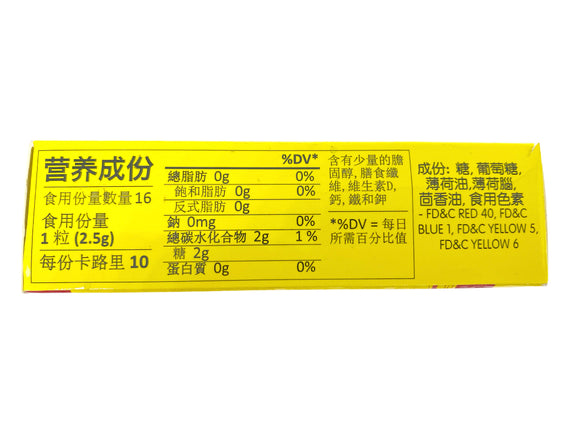
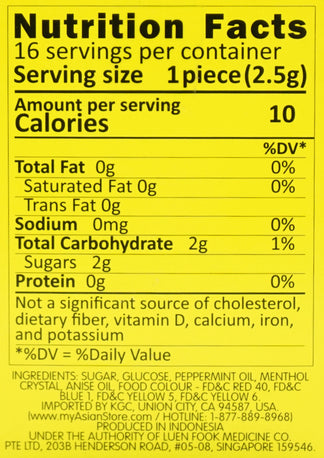
African Sea-Coconut Herbal Menthol Candy 非洲海底椰 喉糖 — 40g (16 Pieces)
Soothing, aromatic, and natur...

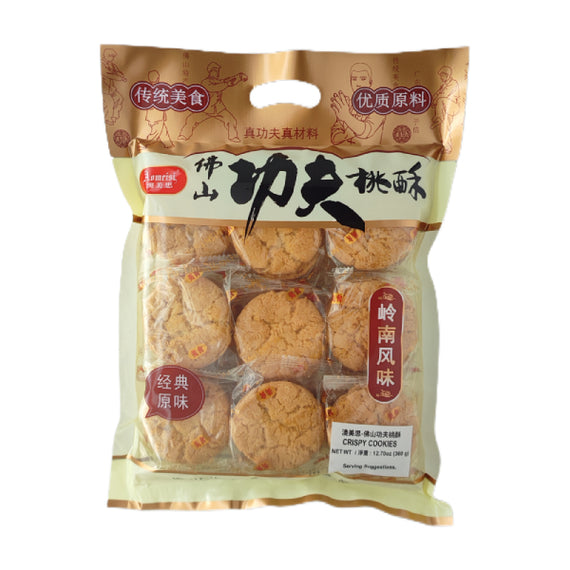


Aomeisi Kung Fu Tao Su Crispy Cookies (澳美思 功夫桃酥) — 360g
The classic Chinese walnut shortbread, do...
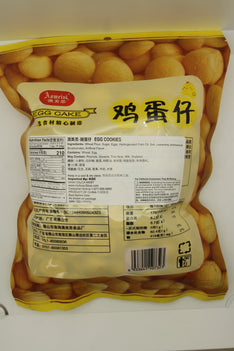
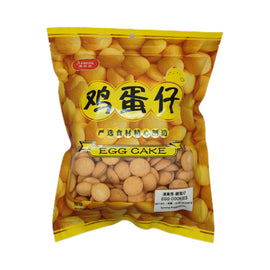


Aomeisi 雞蛋仔 Egg Cookies (澳美思 雞蛋仔) — 300g
The classic 雞蛋仔 flavor, in a crispy cookie. Aomeisi's (澳...
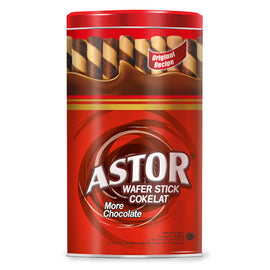
ASTOR Chocolate Wafer Sticks — 11.64 oz TinCrisp, light wafer sticks filled with smooth chocolate...
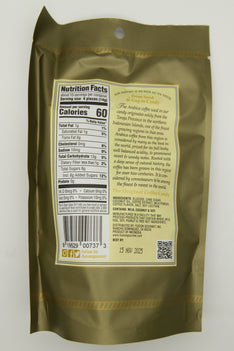
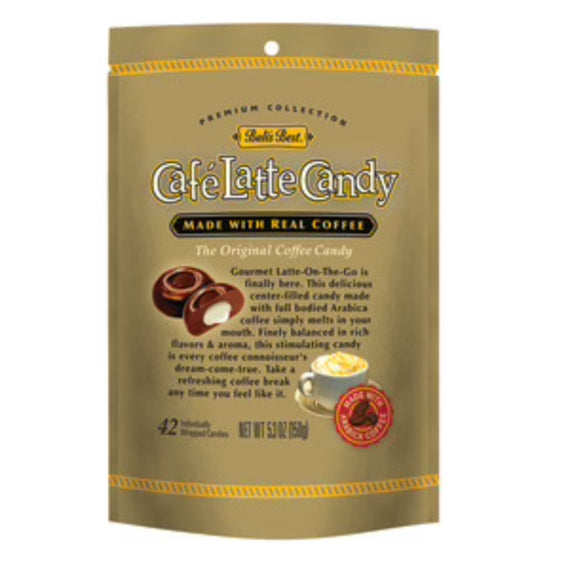
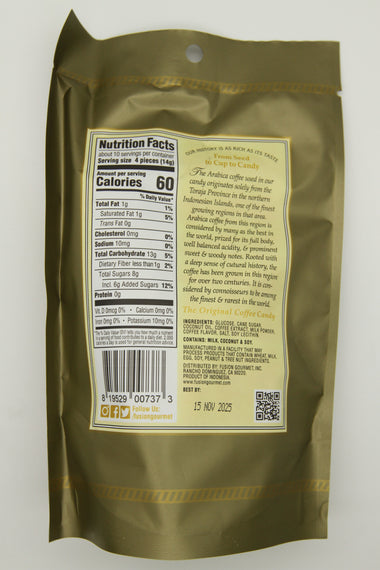


Bali's Best Latte Candy 拿鐵咊啡糖 — 150gCreamy, smooth, and richly coffee. Bali's Best Latte Candy is...