Product successfully added to your shopping cart

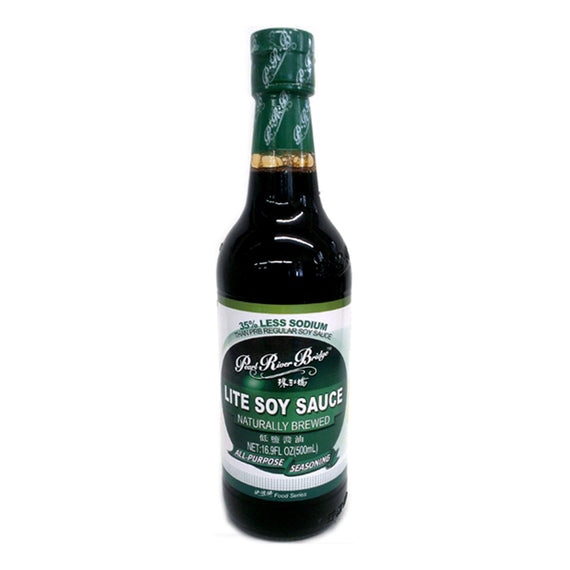
PEARL RIVER BRIDGE Lite Soy Sauce 珠江橋 低鹽醬油 500ML
Regular price
$9.99
What is Lite Soy Sauce? Lite Soy Sauce is a reduced-sodium version of regular soy sauce. The "lite" refers specifically to its lower salt content, not its color, consistency, or flavor profile. Key Difference from Light Soy Sauce: This is the critical distinction. "Light Soy Sauce" is a type of soy sauce (thin,...
What is Lite Soy Sauce?
Lite Soy Sauce is a reduced-sodium version of regular soy sauce. The "lite" refers specifically to its lower salt content, not its color, consistency, or flavor profile.
-
Key Difference from Light Soy Sauce: This is the critical distinction. "Light Soy Sauce" is a type of soy sauce (thin, salty, for seasoning). "Lite/Low-Sodium Soy Sauce" is a dietary modification of any type of soy sauce (usually based on a regular/light soy sauce) with about 25-40% less sodium.
How Is It Made?
Producers use a few methods to reduce the sodium content while trying to preserve the familiar soy sauce flavor:
-
Dilution & Re-Fermentation: The brewed soy sauce is diluted with water and sometimes goes through a secondary, shorter fermentation to allow flavors to develop again.
-
Salt Replacement: Potassium chloride (a salt substitute) may be added to mimic the salty taste without adding sodium.
-
Selective Brewing/Blending: The brewing process might be adjusted, or different batches with naturally lower salt content may be blended.
The trade-off: The reduction in salt often results in a flatter, less complex, and sometimes slightly sweeter or more metallic taste (if potassium chloride is used). The texture can also be thinner.
How It Stands Apart from Other Soy Sauces
| Feature | Lite / Low-Sodium Soy Sauce | Regular / Light Soy Sauce (for comparison) | Dark Soy Sauce |
|---|---|---|---|
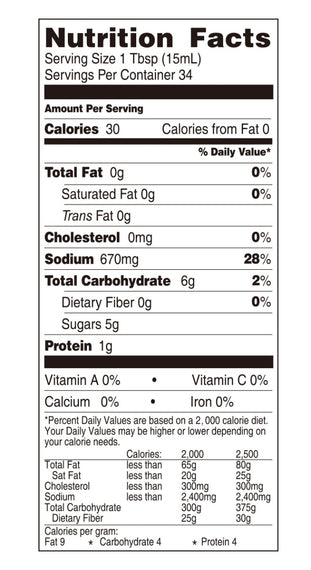
| Defining Trait | Lower Sodium Content (e.g., ~600mg vs. ~900mg per tbsp). | Standard Sodium Content, thin texture, primary seasoning. | Added color & sweetness, thicker texture. |
| Flavor Profile | Milder, less pungent, can taste slightly flat or artificial. | Pungent, salty, upfront umami. | Less salty, sweet, malty, complex. |
| Primary Role | A health-conscious substitute where sodium intake is a concern. | The all-purpose seasoning and salt source. | A coloring and flavor-enriching agent. |
| Best Used When | You want soy flavor with less sodium in a finished dish or marinade. | You need the authentic, robust salty-umami backbone of a dish. | You need deep color and caramelized sweetness. |
How to Use Lite Soy Sauce in an American Kitchen
Its use is strategic: for managing dietary needs without completely sacrificing flavor.
1. For Health-Conscious Cooking & Diets:
-
Use it in any recipe where soy sauce is a minor component of a sauce, marinade, or dressing (e.g., stir-fry sauce, teriyaki glaze, Asian-inspired salad dressing). It provides the familiar flavor with less sodium impact.
-
Important Tip: Because it's less potent, you might need to use slightly more than a recipe calls for to achieve a noticeable soy flavor, which can offset some of the sodium savings. Balance it with other umami boosters (see below).
2. As a Controlled-Sodium Ingredient:
-
It’s excellent in dishes where you want to control the salt level precisely but still desire the unique fermented flavor of soy. You can add it first, then adjust final seasoning with a pinch of regular salt if needed.
3. What to AVOID Using It For:
-
As a Direct 1:1 Substitute in Authentic Recipes: For classic Asian dishes where soy sauce is a core flavor (e.g., dipping sauce for dumplings, classic fried rice), it will deliver an inferior, less vibrant result.
-
In Preservation or Curing: Its lower salt content makes it unsafe for traditional preservation methods.
-
When "Wok Hei" is Key: In high-heat stir-frying, the chemical reactions from the full salt and amino acid content are part of creating the authentic flavor.
4. "Hacking" Lite Soy Sauce for Better Flavor:
To compensate for its flatter taste, boost its umami when using it in your cooking:
-
Add a dash of Fish Sauce or Oyster Sauce: A tiny amount adds back the deep savoriness.
-
Stir in a pinch of MSG or Mushroom Powder: This directly boosts the umami without just adding sodium chloride.
-
Use with Aromatics: Sauté it with plenty of fresh garlic, ginger, and scallions to build a flavor foundation.
-
Finish with Sesame Oil: A drizzle at the end adds richness and aroma.
Buying & Substitution Tips
-
Buying: Widely available in the "Asian" or "International" aisle of any supermarket. Kikkoman is the most common brand.
-
Label Reading: Always check the label. Ensure it says "Less Sodium," "Reduced Sodium," or "Lite." Do not confuse it with "Light" (which may refer to color).
-
Best Substitute for Lite Soy Sauce: If a recipe calls for lite soy sauce and you don't have it, mix 3 parts regular soy sauce with 1 part water. This will approximate the diluted saltiness, though not the specific re-fermented flavor.
In summary: Lite Soy Sauce is a practical, health-driven adaptation. It's a useful tool for everyday American cooking where you want the essence of soy flavor with less sodium, but it is not a suitable replacement for the full-flavored, traditional soy sauces (Light or Dark) in recipes where their unique power is essential. Use it wisely with flavor-boosting tricks to get the best results.
Net Weight: 500ml
Country of Origin: China
Ingredients:
Soybeans, Sugar, Wheat Flour, Water, Salt, Monosodium L-glutamate, Disodium 5’guanylate & Disodium 5’-inosinate, & Potassium Sorbate ( Less than 1/10 of 1% as food preservative).
CONTAINS: Soy, Wheat
Related Products
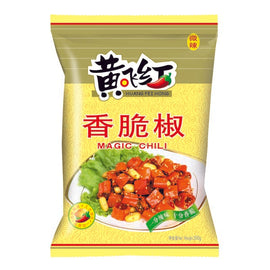
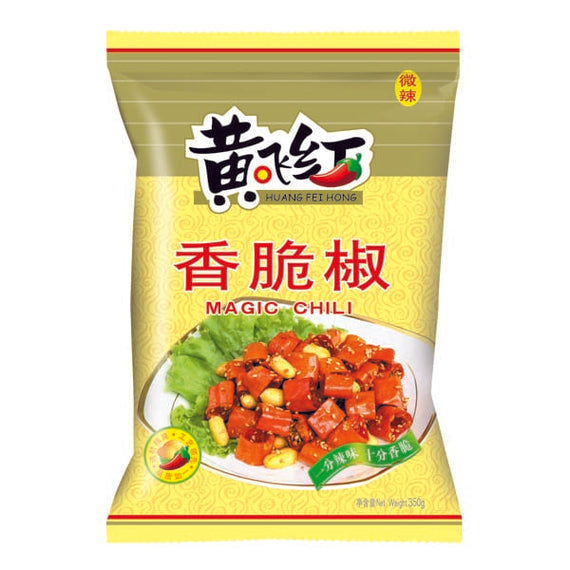
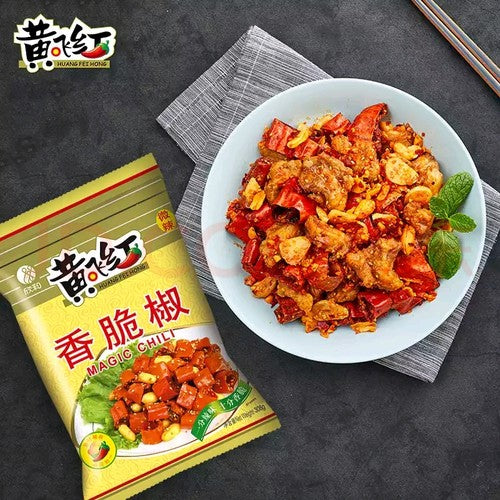
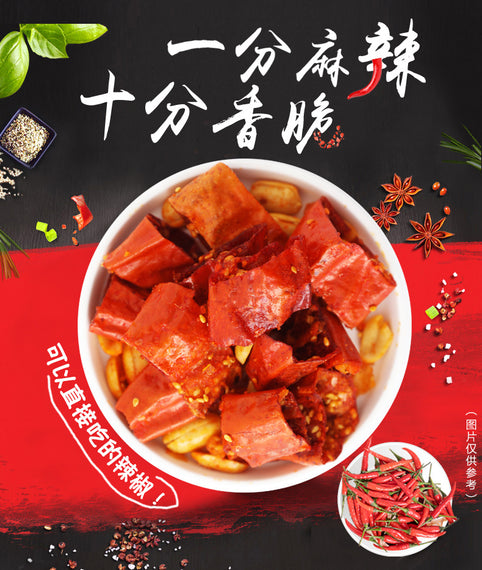
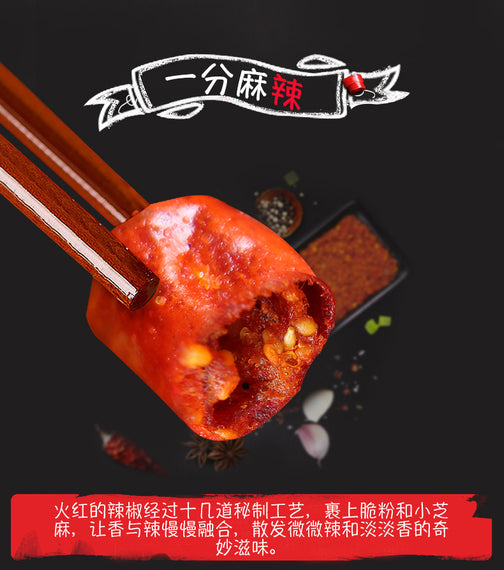
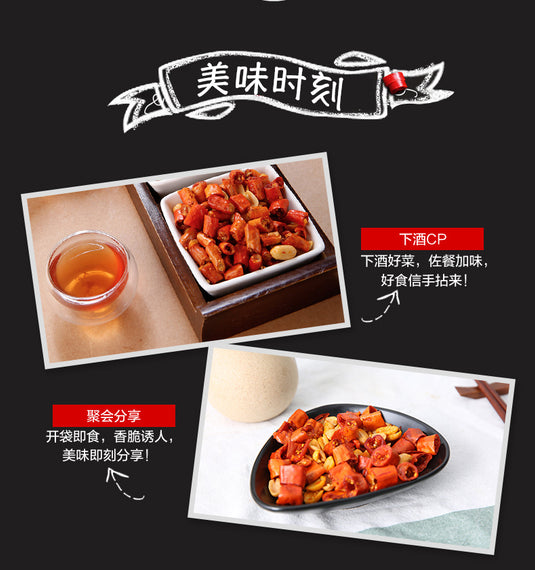
🌶️ Huang Fei Hong Magic Chili – The Crunchy, Spicy Snack You Can’t Stop Eating!
If you haven’t tr...
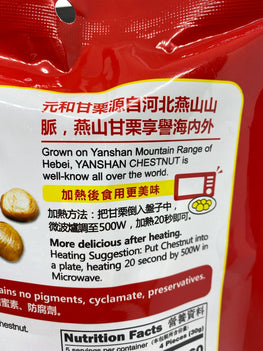
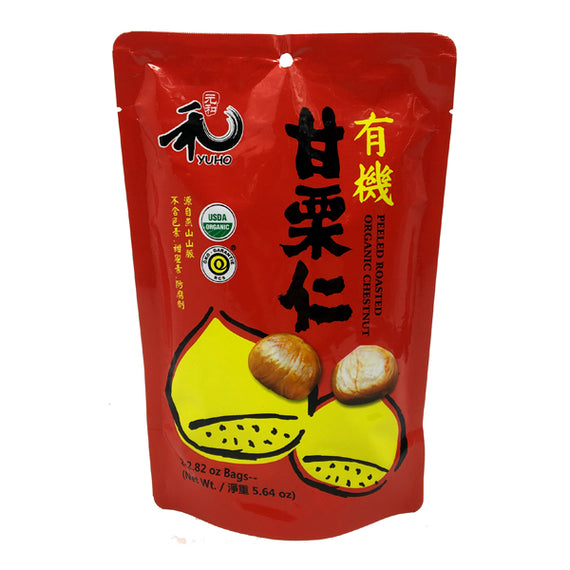
Organic Certification in China
Overview and Governing Framework
Organic certification in China is...
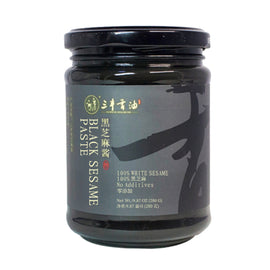
Incorporating sesame paste (which is different from tahini, though they're close relatives) into...
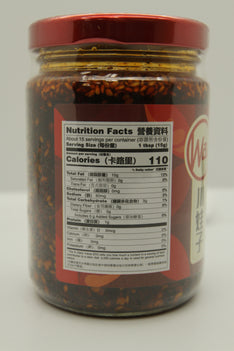
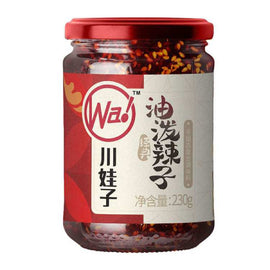
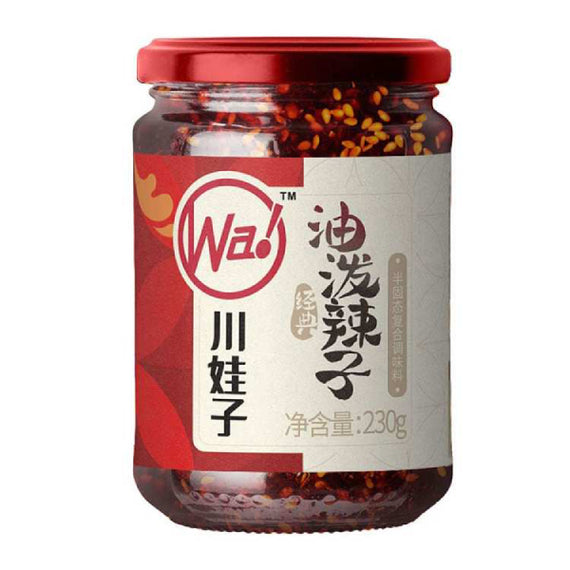
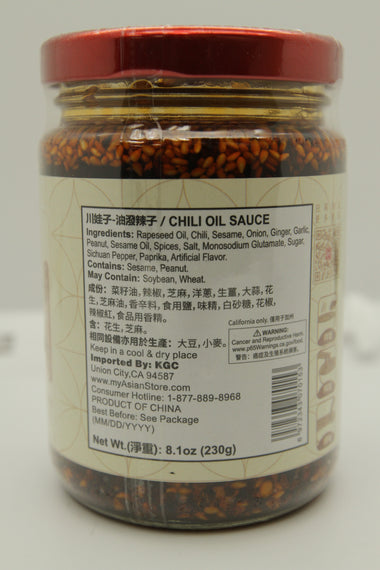
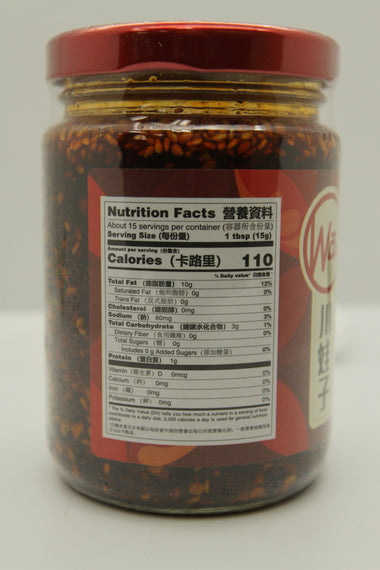
Unlock Sichuan Magic in Your Kitchen: Your CHUAN WA ZI Chili Oil Sauce Everyday Adventure!
Tired ...
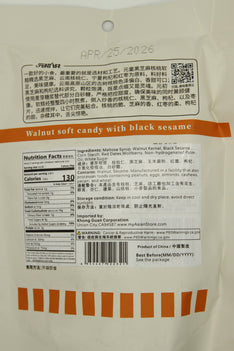
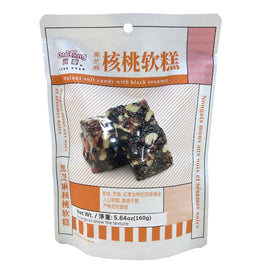
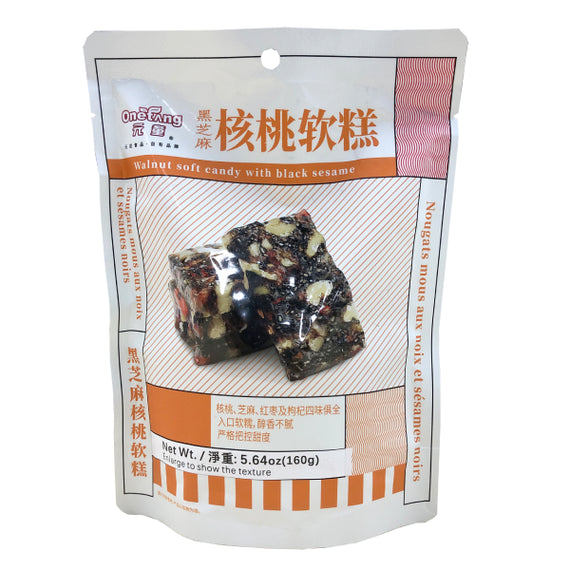
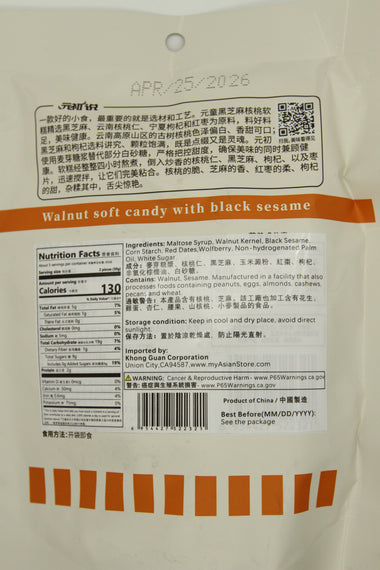
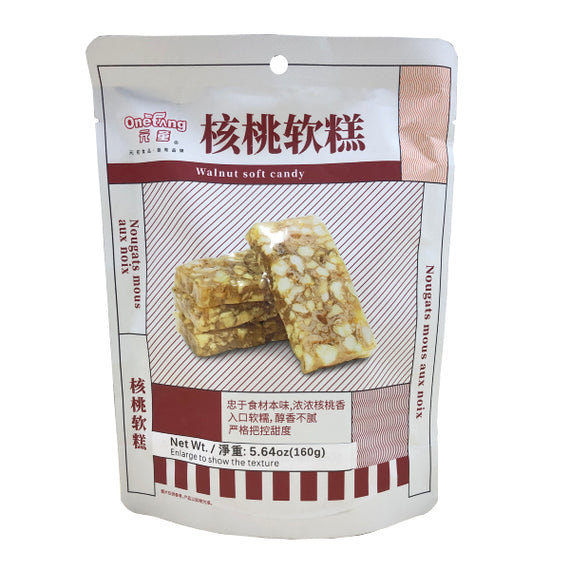
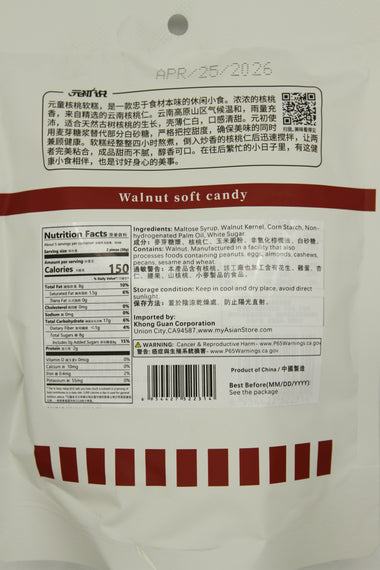
Net Weight: 160g
Country of origin: China
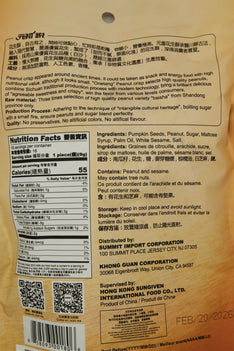
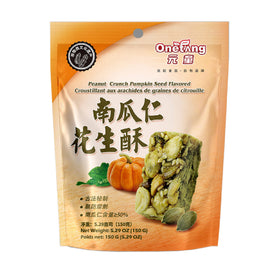
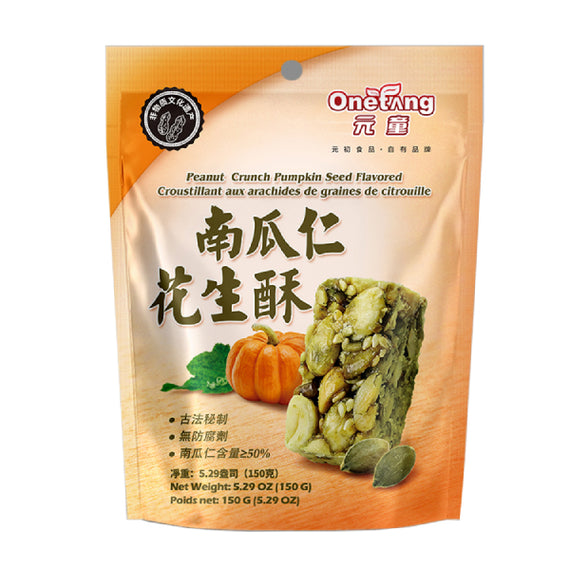
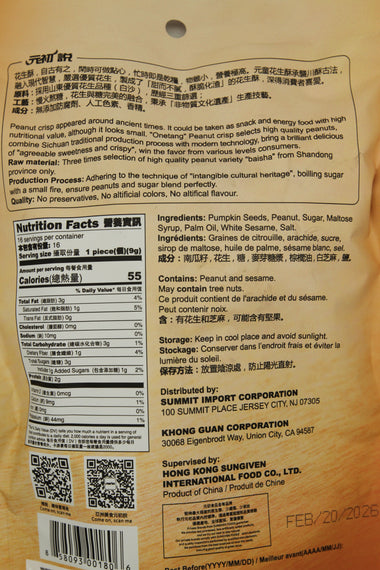
Nourish Your Gut with Ancient Wisdom: The Pumpkin Seed & Peanut Brittle Story
In the world of...
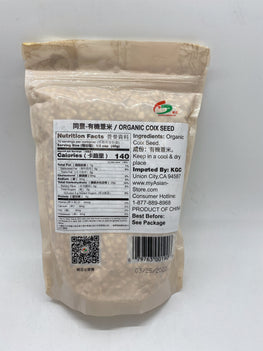
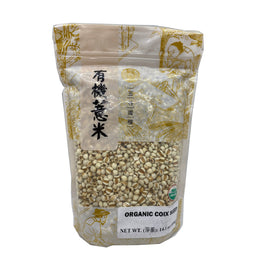
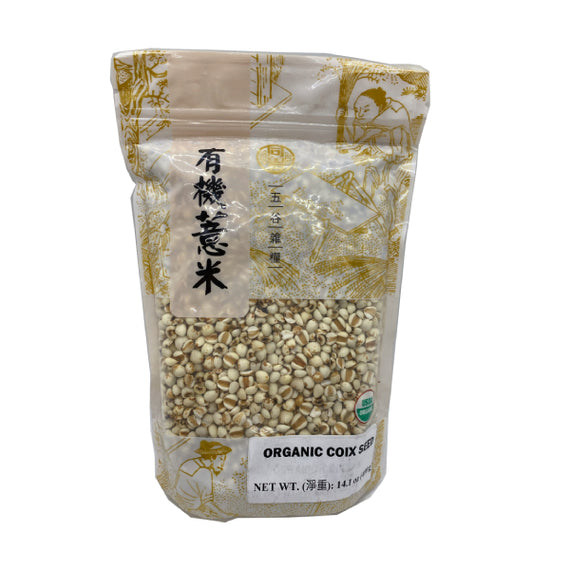
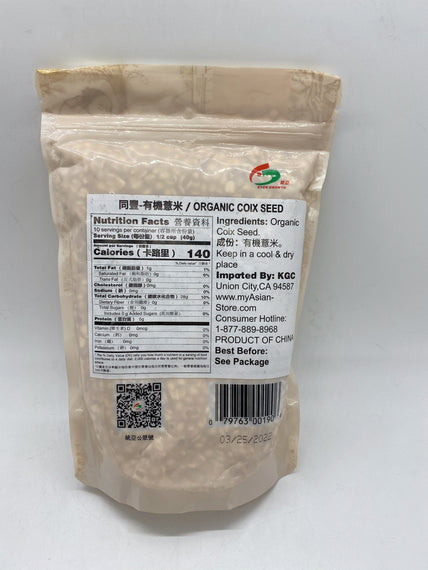
The TCM Perspective: The Premier Dampness-Resolving Herb
In Traditional Chinese Medicine, Yi Yi R...


Beyond Granola: Meet Your New Power Snack - SUNGIVEN Peanut Crunch with Black Sesame
Tired of the...

Love That Ginger-Scallion Sauce on Your White Cut Chicken? Meet Its Aromatic Cousin.
If you're a...