Product successfully added to your shopping cart


PaMi Zeng Noodles SHALLOT (AND MINCE PORK FLAVOR) NOODLES 曾拌麵紅蔥肉燥風味
Regular price
$15.99
PaMi Zeng Noodles Shallot & Mince Pork (曾拌麵 紅譔肉燥風味) — 508gThe authentic taste of a Taiwanese night market, in a bag. Zeng Noodles (曾拌麵) are a premium Taiwanese dry-toss noodle (拌麵) celebrated for their exceptional QQ texture and intensely aromatic sauces. The Red Shallot & Mince Pork flavor (紅譔肉燥風味) is...
PaMi Zeng Noodles Shallot & Mince Pork (曾拌麵 紅譔肉燥風味) — 508g
The authentic taste of a Taiwanese night market, in a bag. Zeng Noodles (曾拌麵) are a premium Taiwanese dry-toss noodle (拌麵) celebrated for their exceptional QQ texture and intensely aromatic sauces. The Red Shallot & Mince Pork flavor (紅譔肉燥風味) is one of their most iconic — a rich, fragrant shallot oil paired with sweet braised pork mince (肉燥), recreating the beloved 古早味 (old-fashioned Taiwanese home-cooking taste) that generations grew up with. Made in Taiwan.
Product Details
- Net Weight: 508g
- Country of Origin: Taiwan
- Brand: Zeng (曾) — PaMi Zeng Noodles (曾拌麵)
- Style: Dry-toss noodle (拌麵) — served without broth, tossed with sauce
- Flavor: Red Shallot & Mince Pork (紅譔肉燥風味)
What Makes Zeng Noodles Different
- 🌞 Non-fried, sun-dried: Unlike standard instant noodles that are deep-fried to dehydrate, Zeng noodles are naturally sun-dried — no frying oil, cleaner flavor, better texture
- 🌊 Bilateral wave shape: Multilayered pressing creates a distinctive bilateral wave noodle — the ridges grip the sauce on every strand and create more surface area for flavor
- ✨ QQ texture: The hallmark of a great Taiwanese noodle — springy, bouncy, firm, and satisfying. Not soft or mushy like fried instant noodles
The Red Shallot & Mince Pork Flavor
- 🧅 Shallot oil (譔油): Rich, thick, and intensely fragrant — the aroma of fried shallots (紅譔頭) is the defining character of this flavor. Authentic, not artificial — the smell of a hot wok, not a powder packet
- 🥩 Sweet braised pork mince (肉燥): Savory-sweet lu rou fan-style pork mince sauce — the classic Taiwanese comfort flavor that pairs perfectly with the shallot oil
- 🍮 古早味 (old-fashioned taste): The combination of shallot fragrance and sweet pork mince recreates the nostalgic home-cooking flavor of traditional Taiwanese cuisine
How to Prepare
- Boil noodles in water until al dente — cook slightly less than the package suggests for the best QQ texture
- Drain well — shake off excess water so the sauce coats evenly
- Toss immediately with the included sauce packets while noodles are hot
- Mix thoroughly until every strand is coated — the wave shape ensures full coverage
- Top with a soft-boiled egg, sliced scallions, or pickled vegetables for a complete bowl
Perfect For
- 🍙 Taiwanese food lovers: The authentic 古早味 shallot & pork mince flavor — a taste of home
- 🍜 Noodle enthusiasts: A significant step up from standard instant noodles in both texture and flavor complexity
- 🎁 Gifting: A premium pantry gift for anyone who loves Taiwanese cuisine or quality noodles
Note: Contains wheat and soy. Consumers with dietary restrictions should carefully read the actual package before consuming.
Related Products
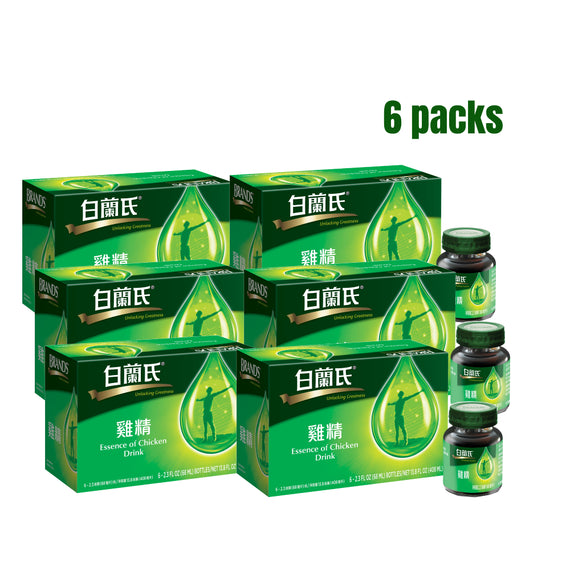
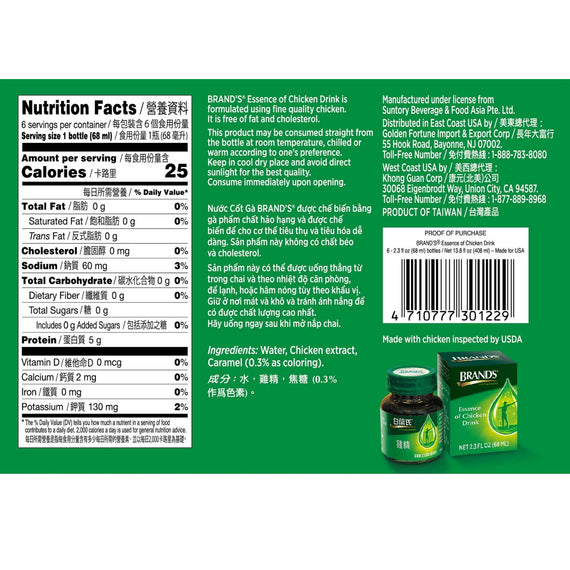
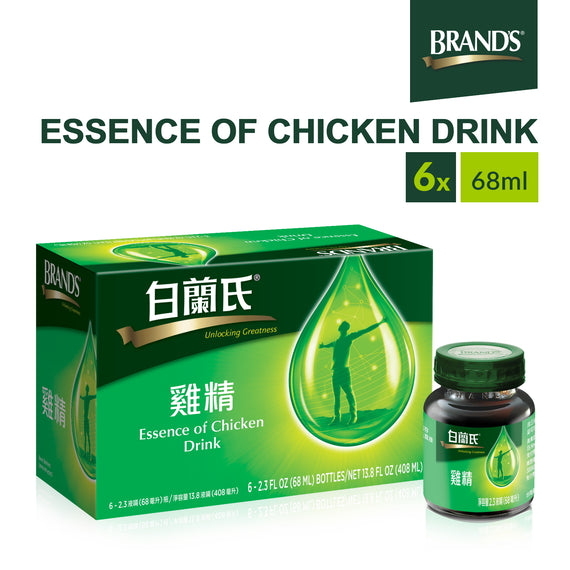
BRAND'S Essence of Chicken Drink 白蘭氏雞精 — 6 Packs (36 Bottles)A pantry and wellness staple trusted...

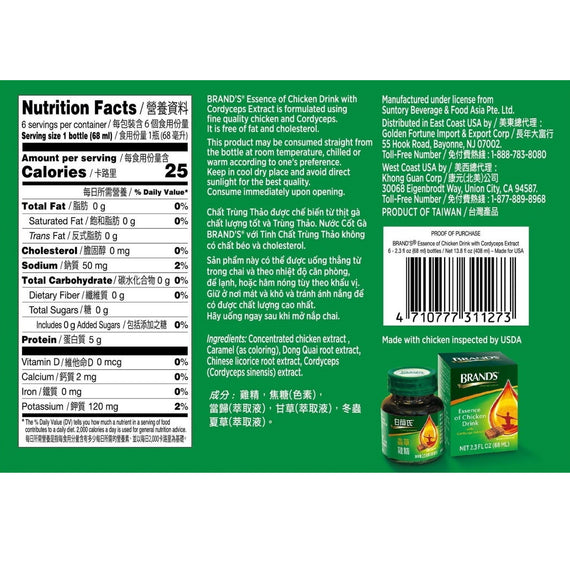

BRAND'S Essence of Chicken with Cordyceps 白蘭氏蟲草雞精 — 6 Packs (36 Bottles)
The best-value bundle of...
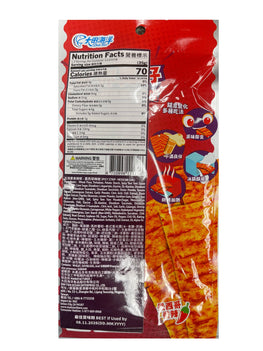
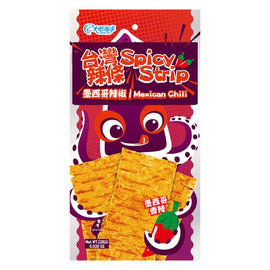
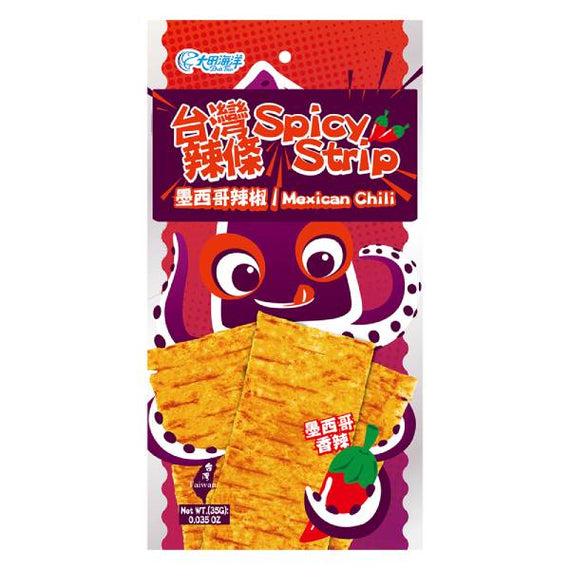
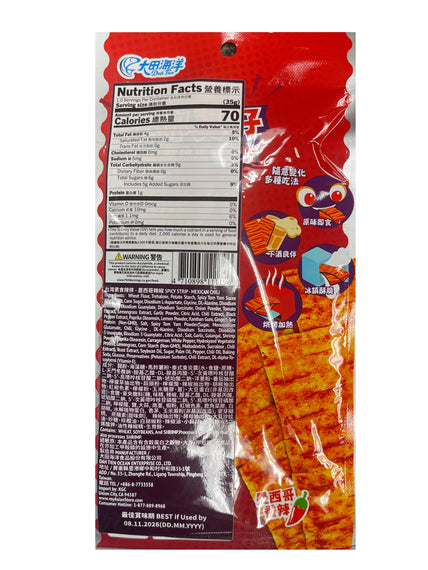
Dah Tien Spicy Strip — Mexican Chili (大田 墓西哥辣條) — 35gA Taiwanese twist on Mexican chili flavor. D...
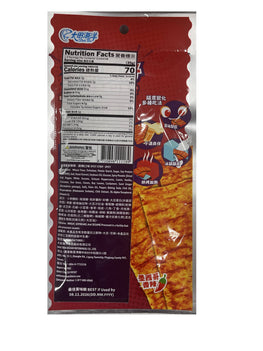
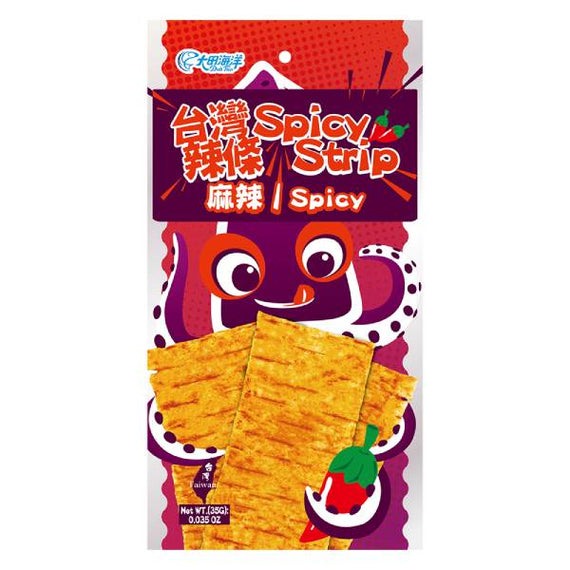
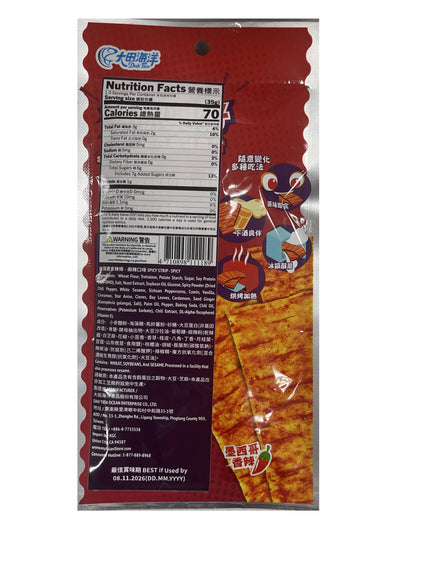
Dah Tien Spicy Strip (大田 辣條) — 35gThe classic Taiwanese spicy gluten strip (辣條). Dah Tien's (大田) ...
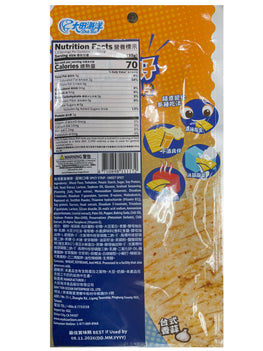
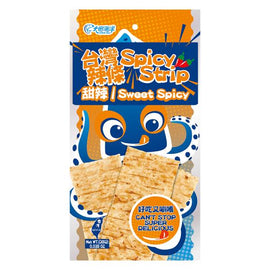
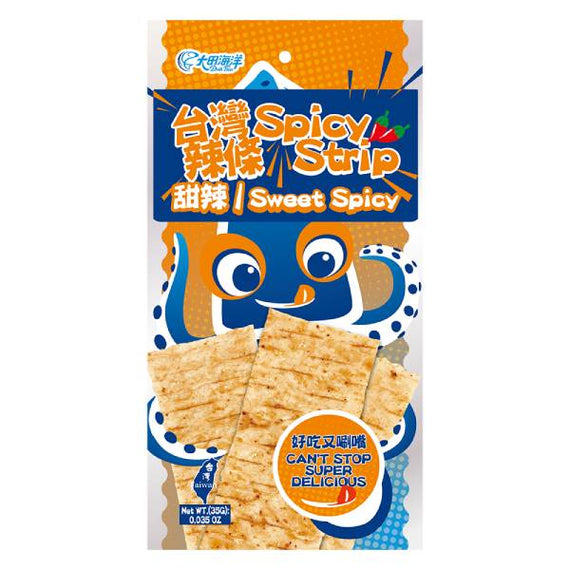
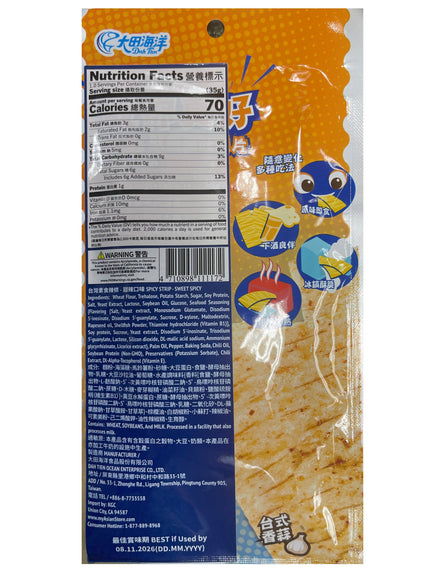
Dah Tien Spicy Strip — Sweet Spicy (大田 甜辣條) — 35g
The sweeter side of the classic Taiwanese spicy...


Emperor Heroic Moon Assorted Mooncakes (武英之月) – 8pcs, 368gBold, classic flavors for the discernin...
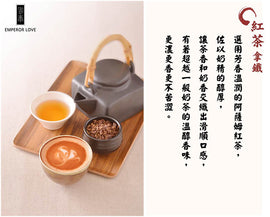
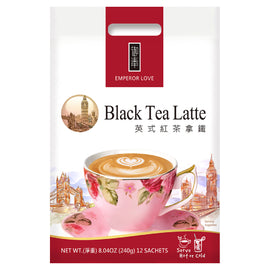
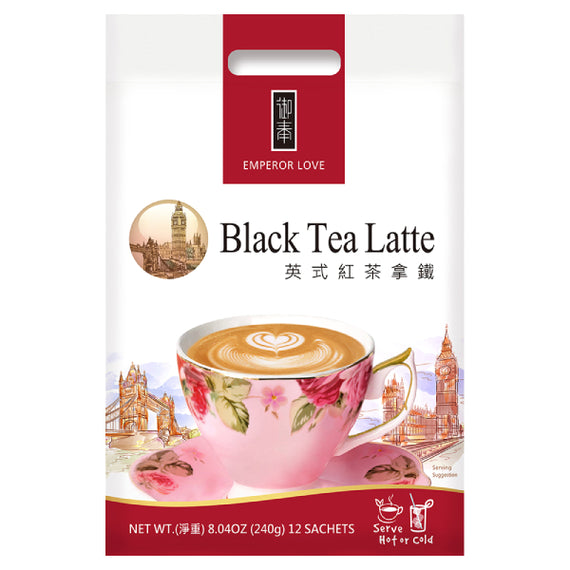
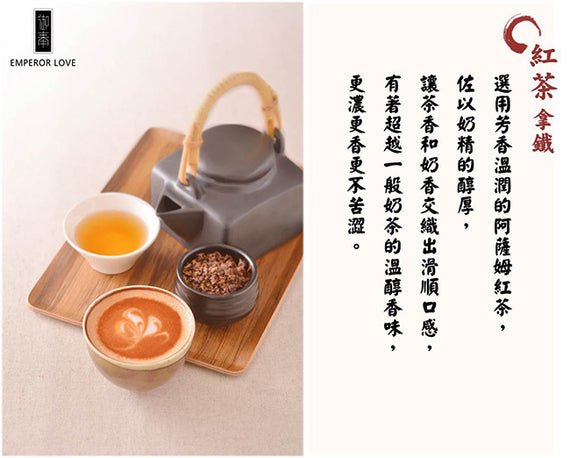
Emperor Love Black Tea Latte — 12 Sachets (御奉英式紅茶拿鐵)
A rich, mellow black tea latte made from In...
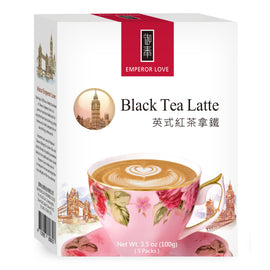
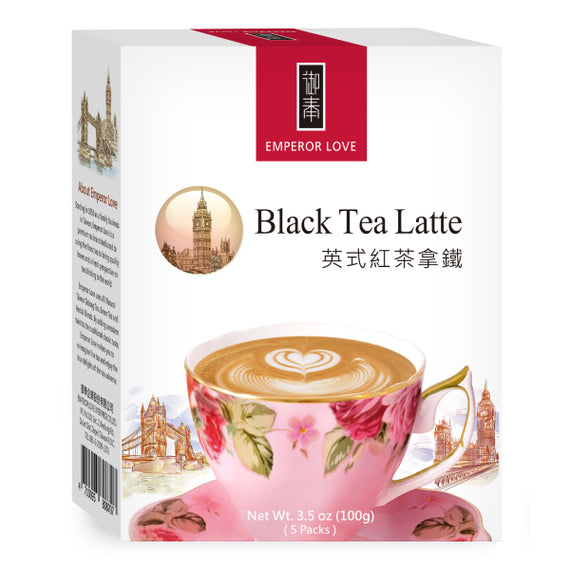
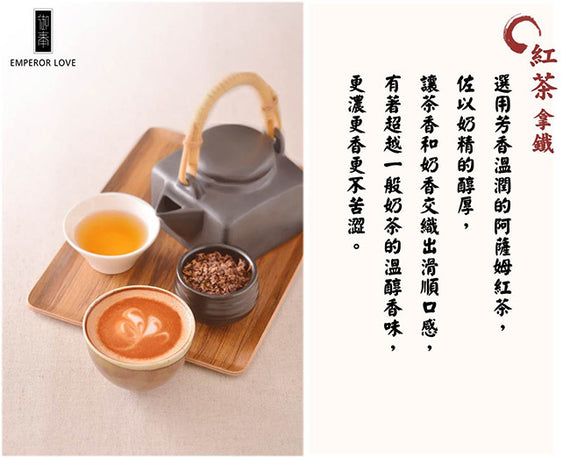
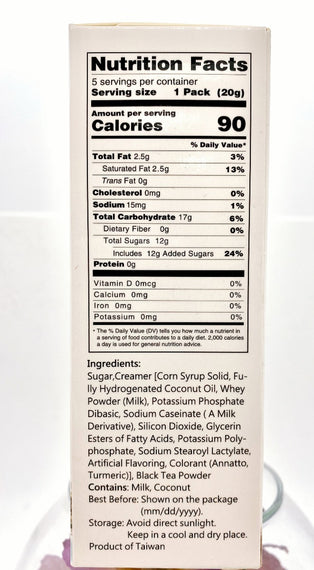
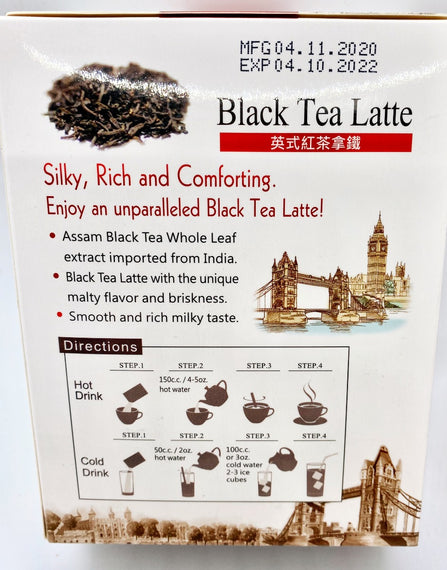
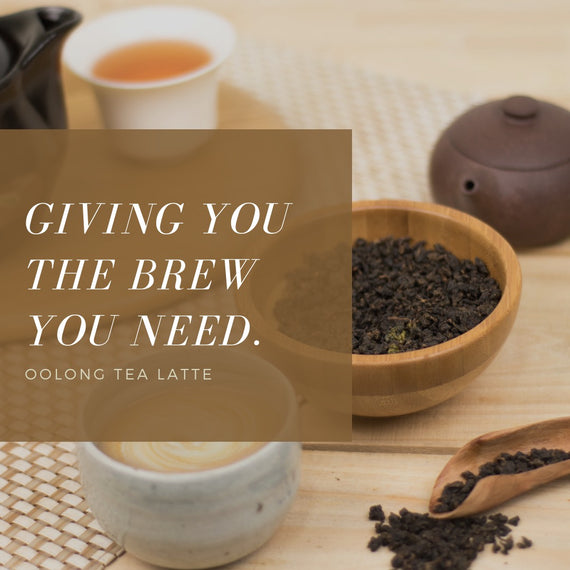
Emperor Love Black Tea Latte 御奉 英式紅茶拿鐵Enjoy a smooth, creamy black tea latte at home with Emperor...
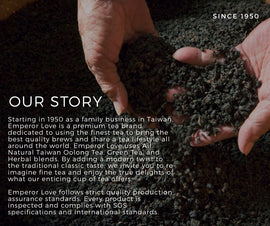
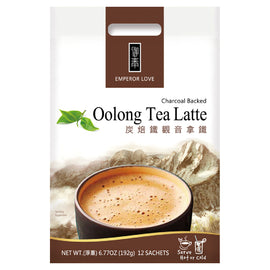
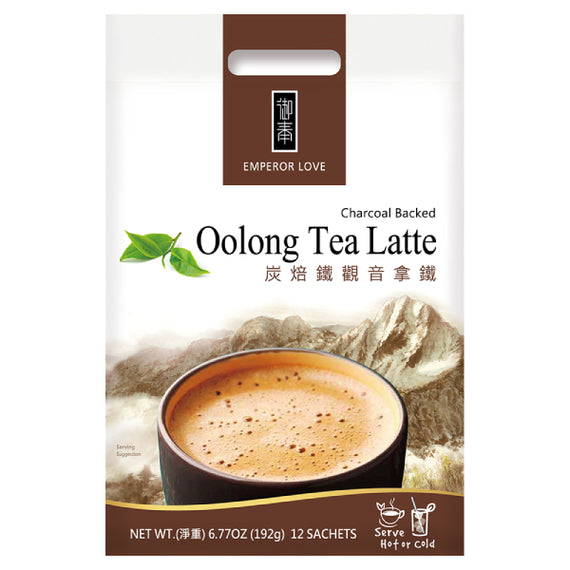
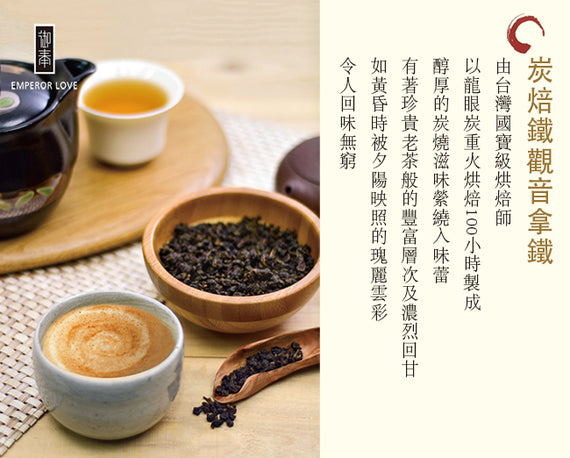
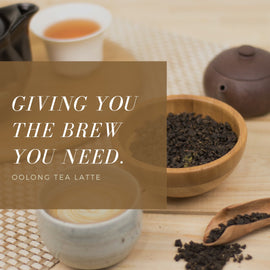
Emperor Love Charcoal Baked Oolong Tea Latte — 12 Sachets (御奉碳培鐵觀音拿鐵)
A rich, smoky oolong latte ...
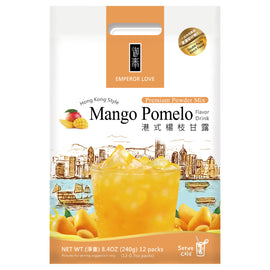

Emperor Love Hong Kong Style Mango Pomelo Drink Mix 御奉 港式楊枝甘露 — 12 Sachets, 240g
The classic Hong...