Product successfully added to your shopping cart

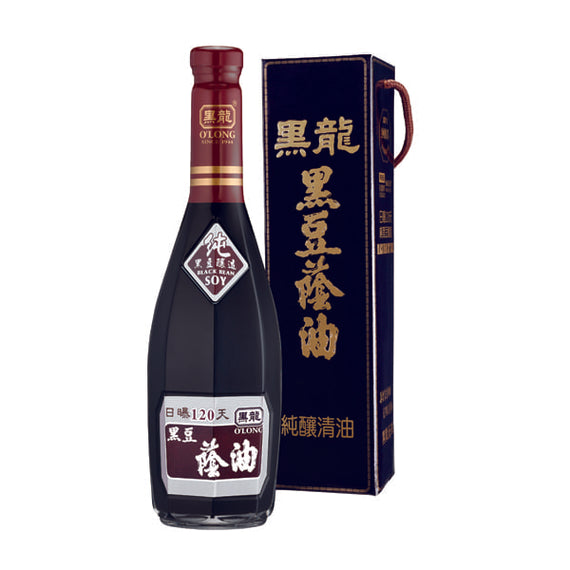
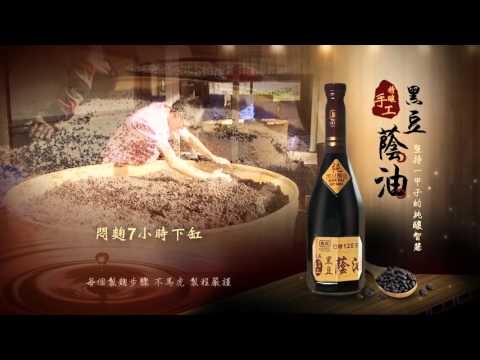
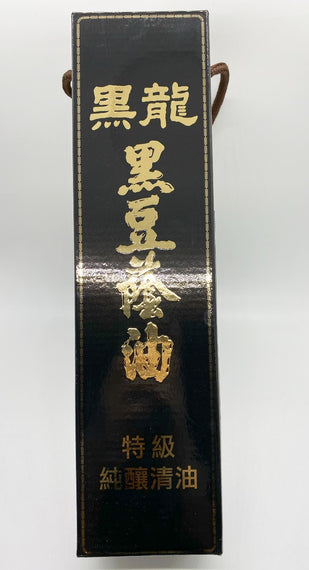
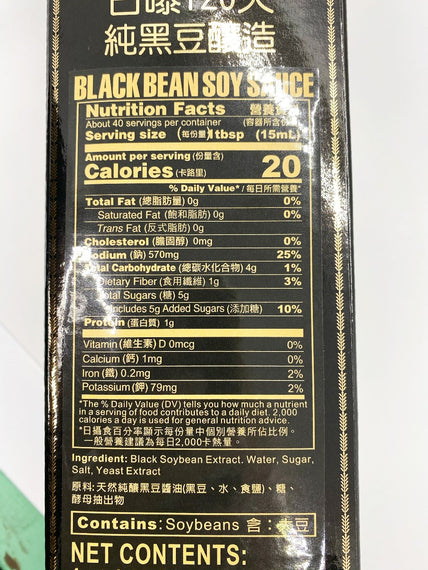
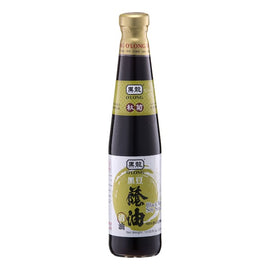
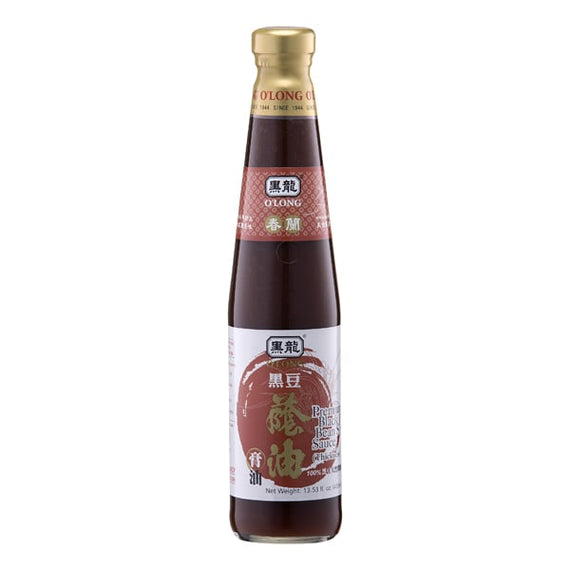
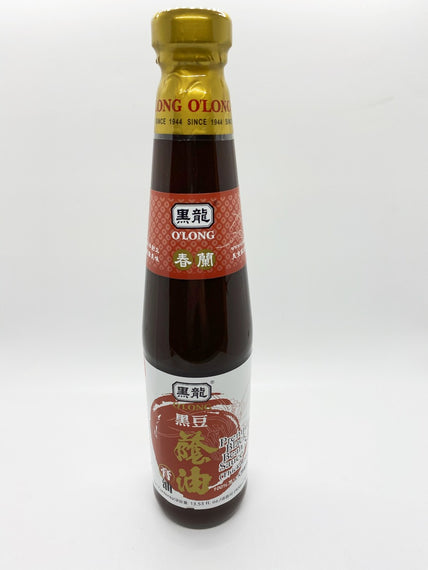
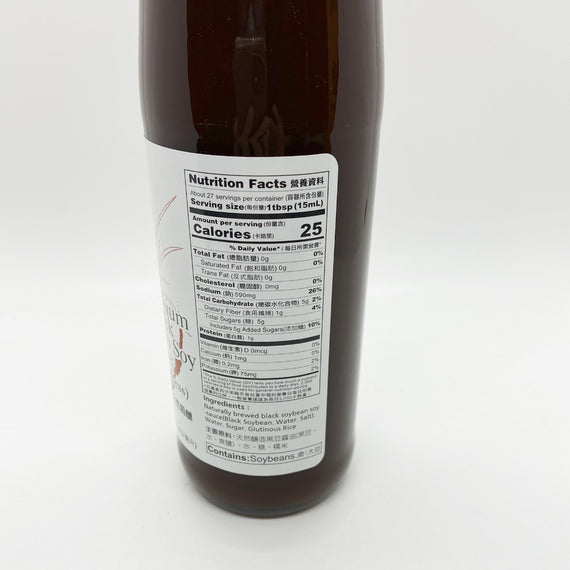
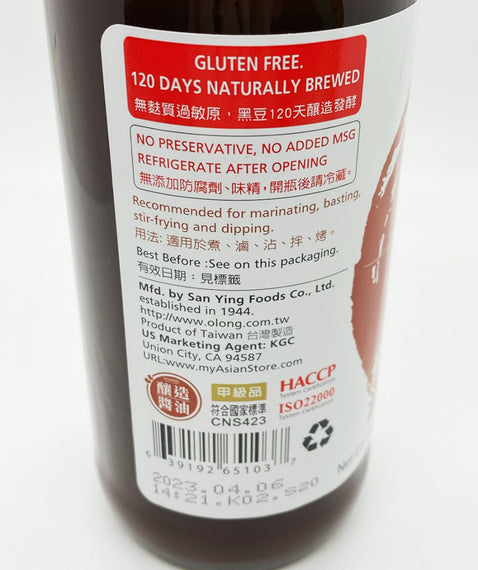
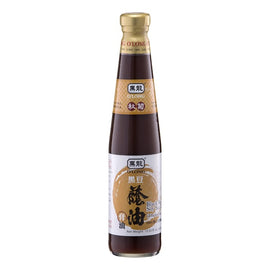
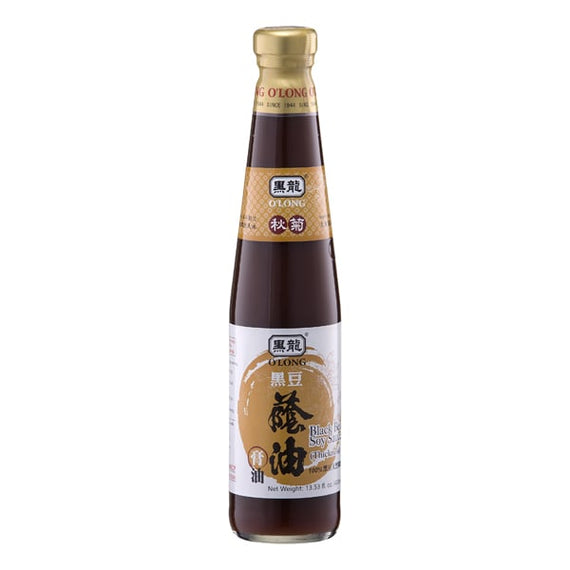
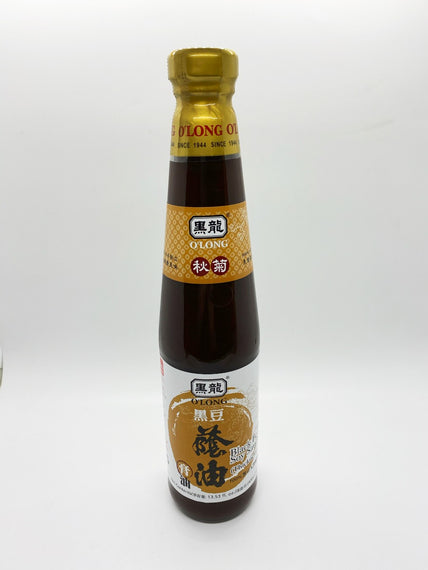
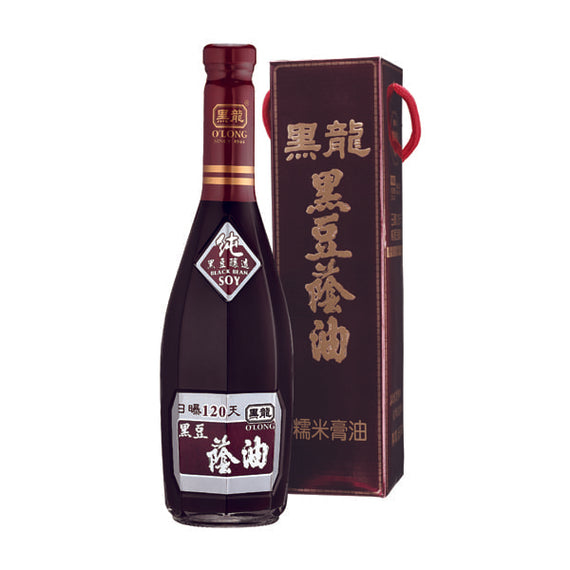
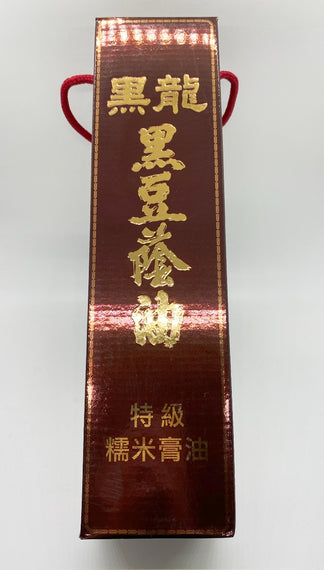
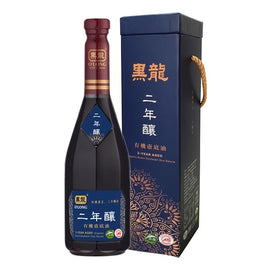
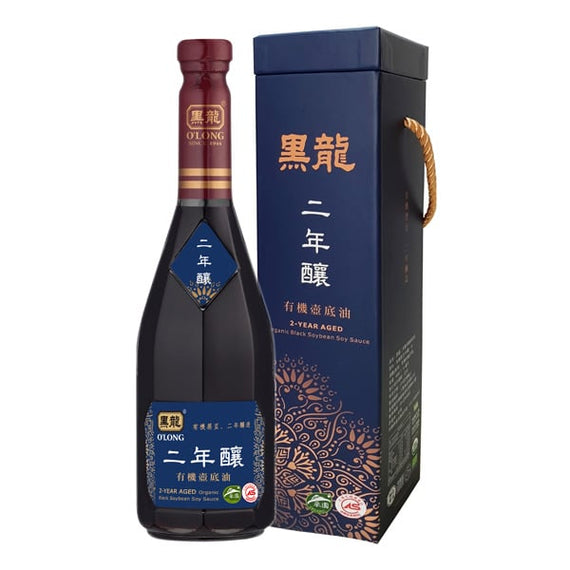
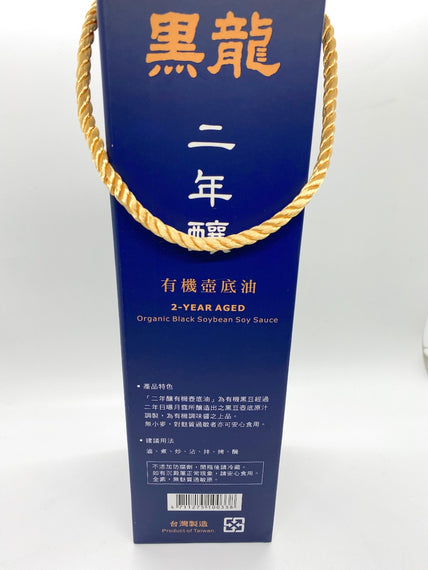
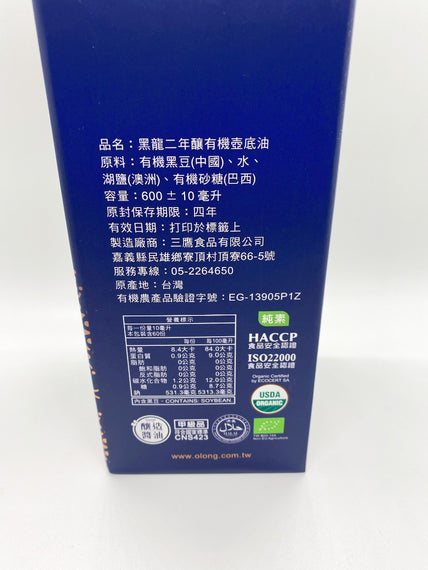
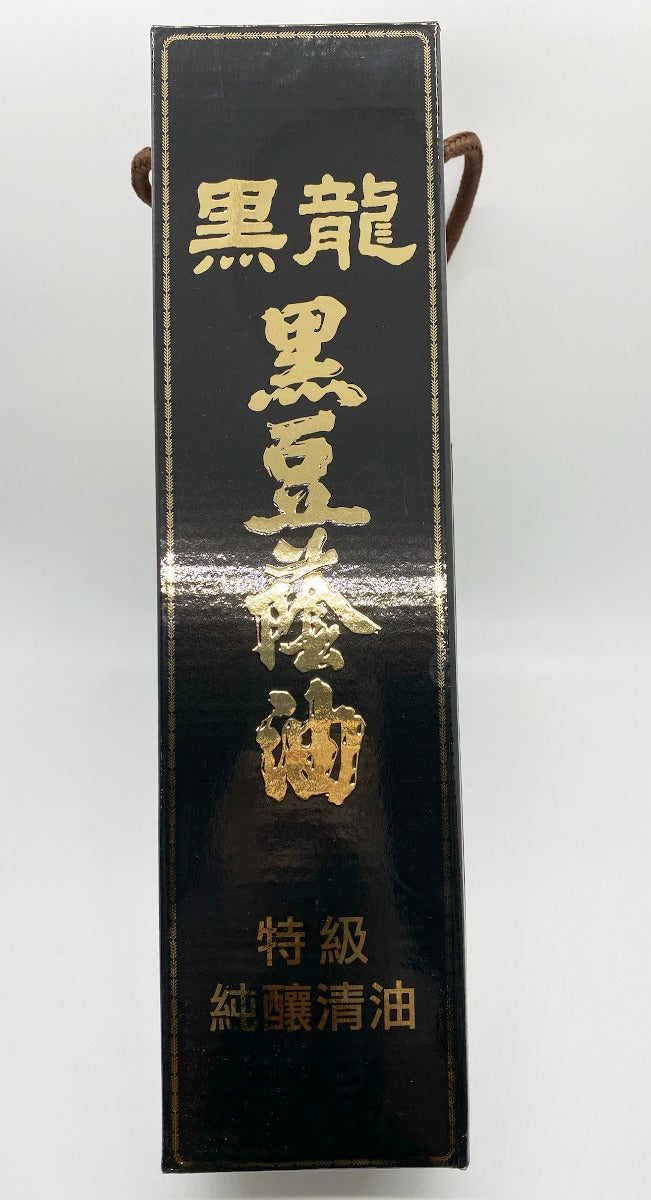
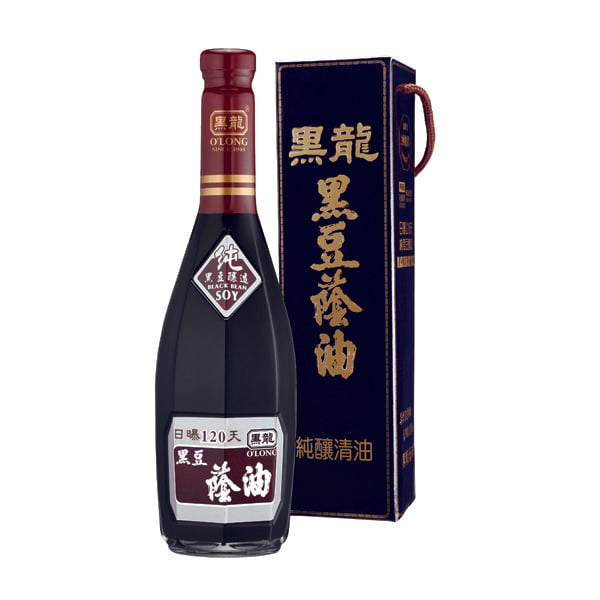
O'LONG Gift Box Naturally Brewed Black Bean Soy Sauce (Regular) 黑龍 特級黑豆蔭油(清油)禮盒裝 600ML
Regular price
$19.99
The Soy Sauce Spectrum: Mastering 膏油 vs. 清油 in Your Kitchen In the world of Asian cuisine, soy sauce is far more than a simple salty condiment. It is the foundational umami, the color artist, and the flavor architect of countless dishes. Two of its most crucial and often confused...
The Soy Sauce Spectrum: Mastering 膏油 vs. 清油 in Your Kitchen
In the world of Asian cuisine, soy sauce is far more than a simple salty condiment. It is the foundational umami, the color artist, and the flavor architect of countless dishes. Two of its most crucial and often confused variants are 膏油 (Gāo Yóu - Thick Soy Sauce) and 清油 (Qīng Yóu - Light Soy Sauce). Understanding their distinct personalities is the key to elevating your cooking from good to authentically spectacular.
The Fundamental Divide: A Tale of Two Sauces
At their core, the difference lies in texture, flavor intensity, and purpose.
清油 (Qīng Yóu) - Light Soy Sauce: The Flavor Workhorse
-
What it is: This is the "default" soy sauce in most Chinese kitchens. It's thin, fluid, and relatively lighter in color (though still brown). It is the first extraction from fermented soybeans, making it the most refined and complex in flavor.
-
Taste Profile: Salty first, with a rounded umami finish. Its flavor is sharper, brighter, and more immediately impactful on the palate.
-
Key Function: Seasoning. It’s used to add the primary salty-umami base to dishes during cooking or as a table condiment.
膏油 (Gāo Yóu) - Thick Soy Sauce: The Color & Glaze Artist
-
What it is: Also known as "dark soy sauce" or "soy sauce paste." It is light soy sauce that has been aged longer, often with added molasses or caramel, and sometimes thickened with starch. It is viscous, glossy, and almost black in color.
-
Taste Profile: Less salty, slightly sweet, with a deep, mellow umami. The aging and additives give it a distinctive caramelized, malty sweetness.
-
Key Function: Coloring and glazing. It provides rich, reddish-brown hues and a glossy sheen, while adding a subtle depth of flavor.
Application Mastery: When to Use Which
Wield 清油 (Light Soy Sauce) For:
-
Stir-fries: A splash early on seasons the ingredients at their core. (e.g., Beef with Broccoli, Chicken with Cashews).
-
Marinades: Its penetrating saltiness and flavor tenderize and season meat, poultry, and tofu.
-
Dipping Sauces: The base for any table-side sauce, often mixed with vinegar, chili, ginger, or sesame oil.
-
Soup & Broth Seasoning: Adds the essential savory depth to wonton soup, noodle broths, and hot pots.
-
Steamed Dishes: Drizzled over steamed fish or tofu just before serving for a burst of flavor.
Pro Tip: For the purest flavor in delicate dishes like steamed seafood or clear soups, seek out "Premium Light Soy Sauce" or "Fresh Light Soy Sauce" (生抽).
Employ 膏油 (Thick Soy Sauce) For:
-
Braises & Red-Cooking (紅燒): This is its kingdom. It gives classic dishes like Hong Shao Rou (braised pork belly) their signature dark caramel color and sticky, glossy coating.
-
Noodle Dishes: Tossed with noodles (like Zhajiangmian) to create a rich, clinging sauce and beautiful color.
-
Creating "Wok Hay": A tiny amount added at the end of stir-frying can deepen the color and add a beautiful sheen without making the dish overly salty.
-
Glazing & Finishing: Brush it on char siu (BBQ pork) or roast poultry during the last stage of cooking for a stunning, lacquered finish.
Pro Tip: Use sparingly. A teaspoon or two is often enough. Adding too much can overpower a dish with color and sweetness.
The Chef's Strategy: How to Best Utilize Them
The true magic happens when you use them in tandem. Think of Light Soy Sauce as your flavor foundation and Thick Soy Sauce as your color and finish.
The Classic 1-2 Punch for Stir-fries & Braises:
-
Season with Light: Start by adding light soy sauce during cooking to build the dish's savory base.
-
Color with Thick: A drizzle of thick soy sauce in the final stages unifies the dish, adds a complex sweetness, and delivers that restaurant-quality glossy, appetizing color.
Practical Example: A Simple Chicken Stir-fry
-
Marinate chicken strips in light soy sauce, cornstarch, and rice wine.
-
Stir-fry, then add vegetables. Season with a splash more light soy sauce and a pinch of sugar.
-
Just before serving, add ½ to 1 teaspoon of thick soy sauce around the rim of the wok. Let it caramelize for a second, then toss everything together. Watch the dish transform with a professional-grade sheen.
Storage & Selection Tips
-
Storage: Keep both in a cool, dark place. Refrigeration after opening can prolong freshness and flavor, especially for premium varieties.
-
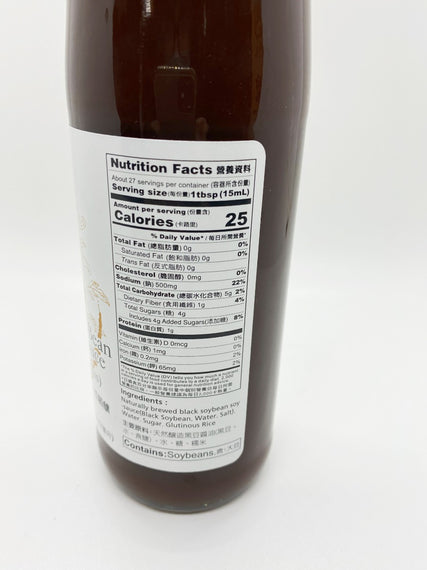
Buying: Look for brands that list whole soybeans, wheat, salt, and water as primary ingredients. Avoid those with excessive additives or artificial colors.
-
Regional Note: Cantonese cuisine heavily relies on this light/thick combination. In other regions like Taiwan, you might encounter "Yìn Yóu" (壺底油), a superior, aged light soy sauce prized for its deep umami.
Conclusion: Embrace the Duo
Don't see膏油 and 清油 as interchangeable, but as the dynamic duo of your savory pantry. One builds the soul of the flavor, the other crafts its beautiful appearance. By mastering their individual strengths and powerful synergy, you gain control over the two essential dimensions of great cooking: taste and visual appeal. Start experimenting with this powerful pair, and unlock a deeper, more authentic dimension in your culinary creations.
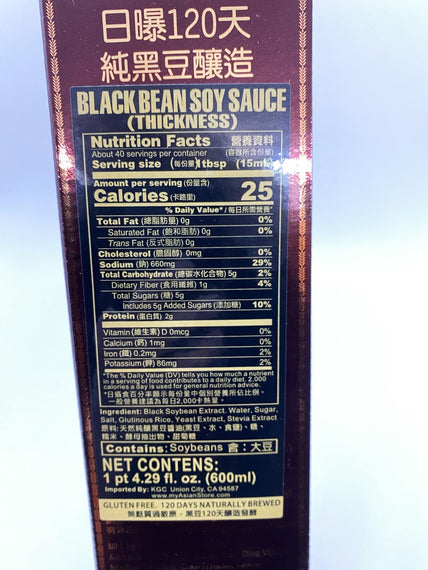
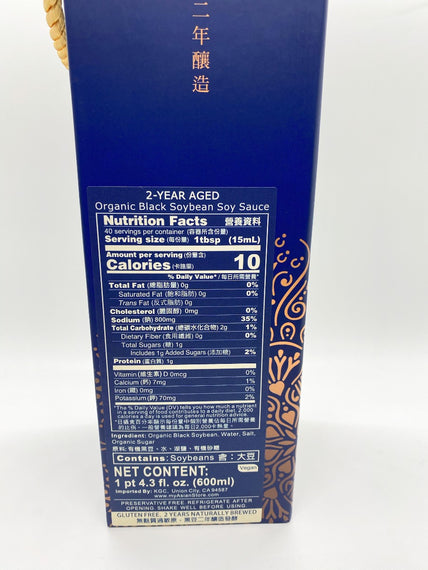
Net Weight: 600 ML
Country of Origin: Taiwan


About O'LONG
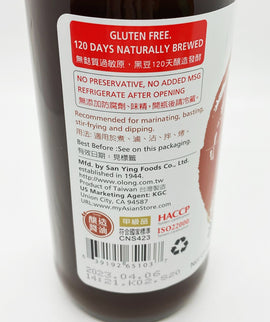
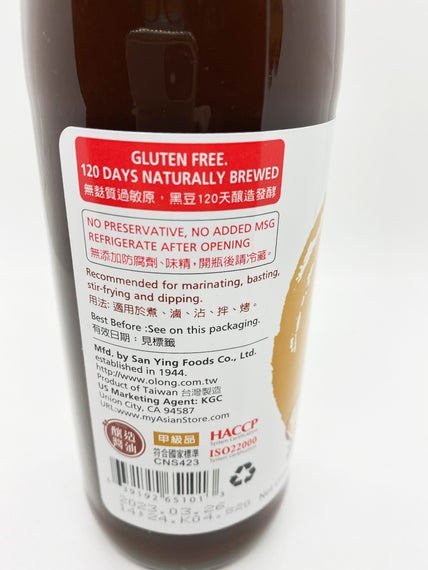
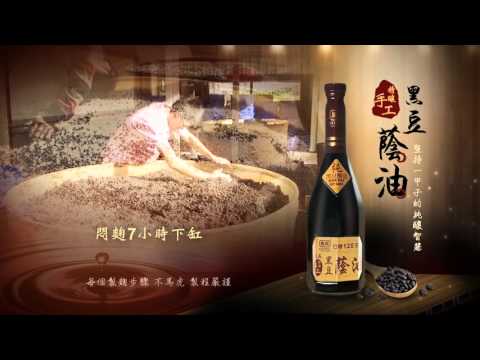
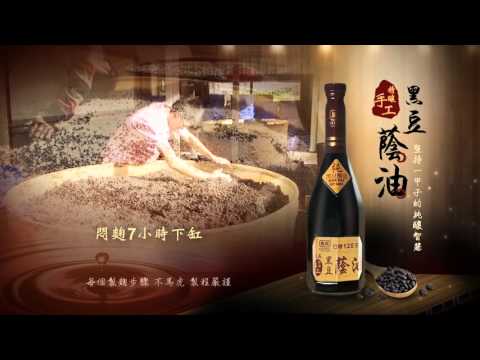
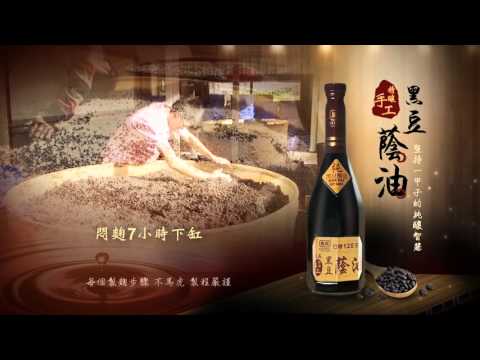
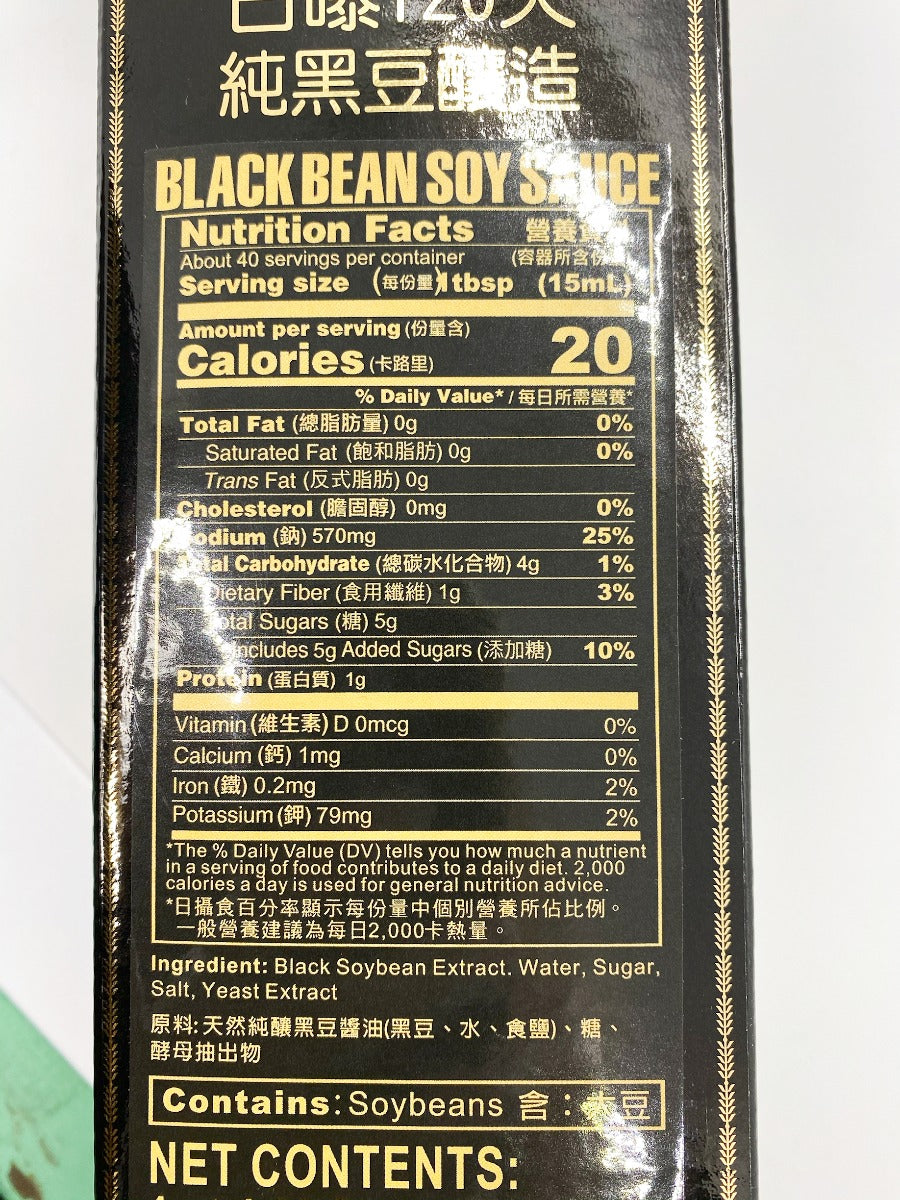
San Ying Foods co., Ltd. Is the parent company of O’LONG and was founded in 1944. For more than 60 years, it has been one of the most experienced and well-known soy sauce manufacturers in Taiwan. San Ying Foods follows Chinese home-made recipes to ferment black soybeans for their various products and achieve the extraordinary black bean soy sauce taste that consumers look for. Even as the facilities move towards modern methods, San Ying Foods still strongly insists on the principle of following the traditional processes of a 120-day sun exposure and natural brewing to maintain the original and particular flavor of soy sauce and absolutely no preservatives, MSG, saccharin or pigment to maintain body health and nutrition of their consumers. San Ying Foods is committed to produce and sell safe, healthy and nutritious food to the public.
Related Products
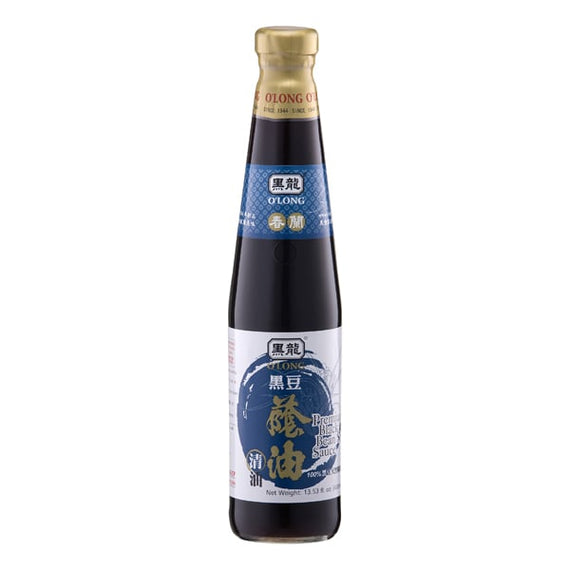
Net Weight: 13.53 FL. OZ.Country of Origin: Taiwan
O'Long Black Bean Soy Sauce (Thick) i...
The Art of Black Bean Soy Sauce: Unlocking the Magic of Black Dragon’s Qiuju & Premium C...
Mastering the Art of Application: A Deep Dive into Thick Soy Sauce (膏油)
Thick soy sauce is not a ...
O'Long Black Bean Soy Sauce (Thick) is a thicker version of the naturally brewed by black soybean...
The Artisan's Craft: How 膏油 (Thick Soy Sauce) Is Made
Understanding the production of 膏油 (Gāo Yóu...
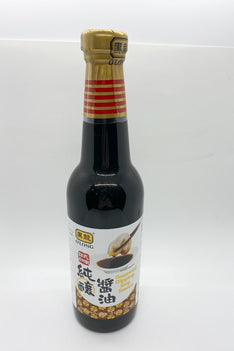
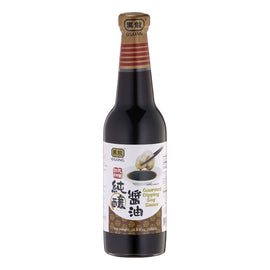
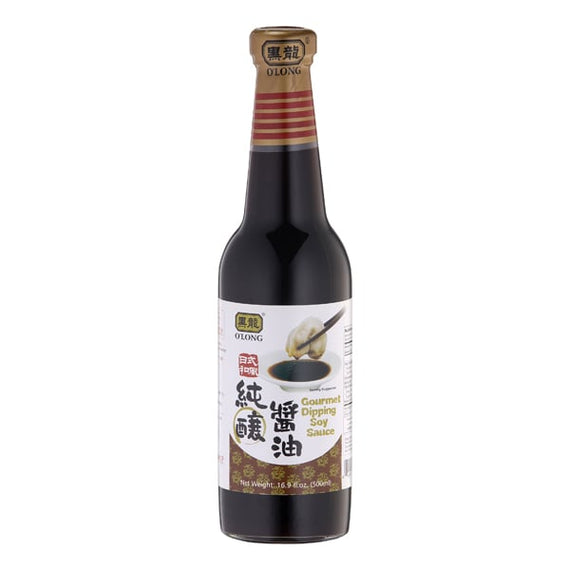
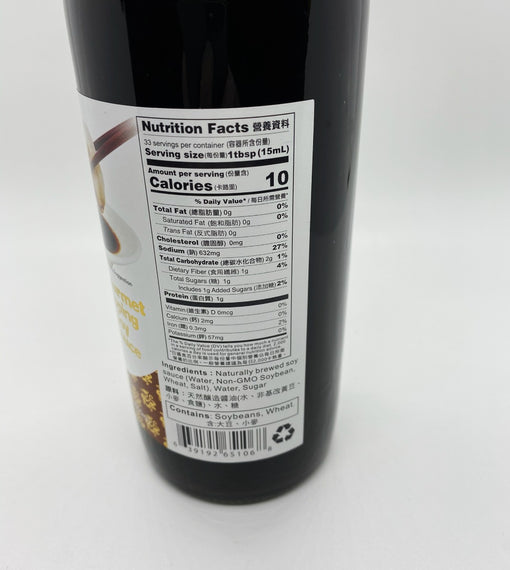
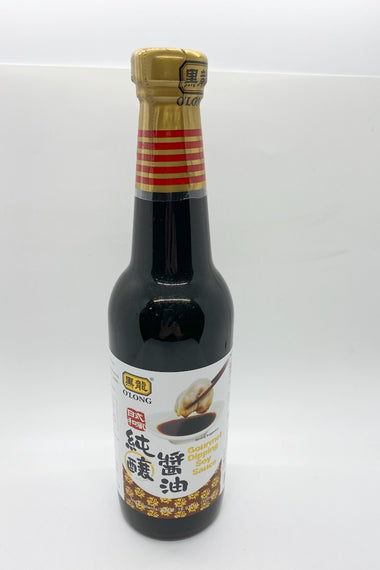
Gourmet Dipping Soy Sauce: The Connoisseur's Condiment
While steamed fish soy sauce is a speciali...
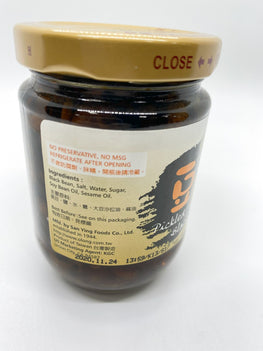
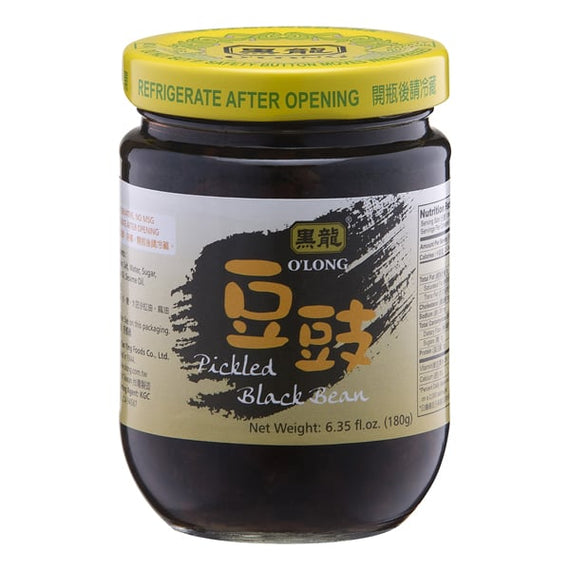
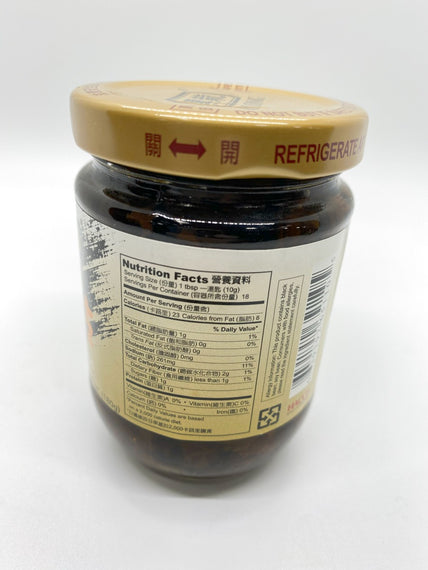
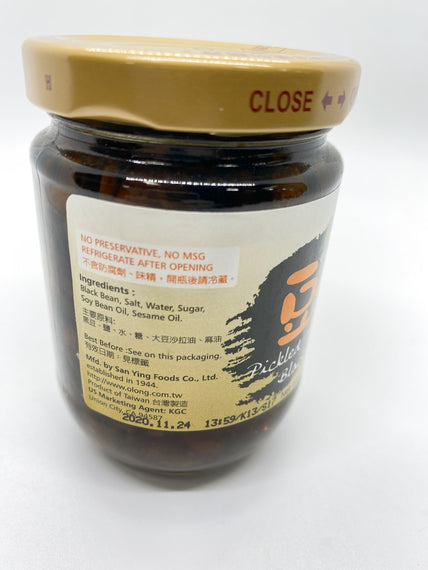
The Secret Ingredient: Unlocking Umami with O'LONG Pickled Black Beans
If you’ve ever savored the...
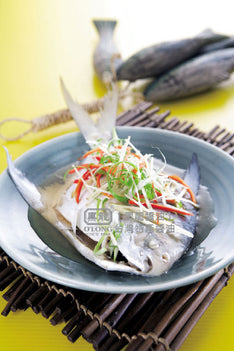
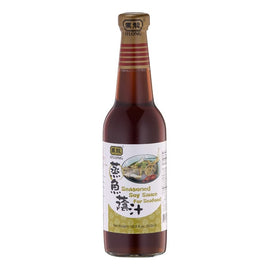
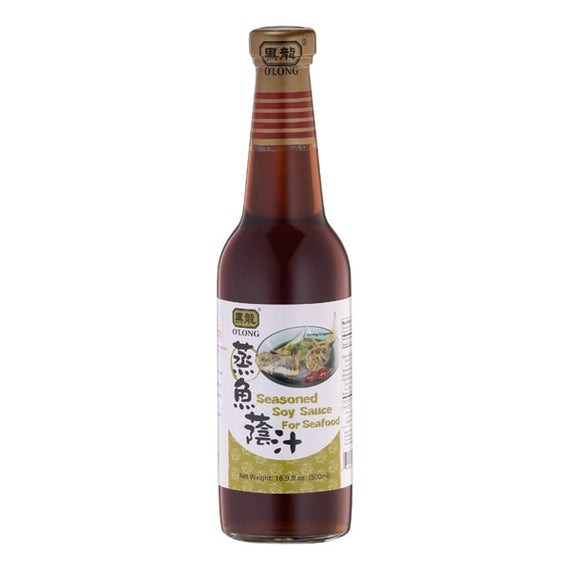
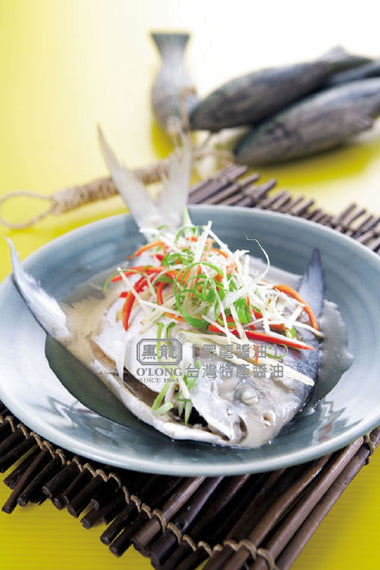
The Art of Steaming Fish: Why a Special Soy Sauce Makes All the Difference
In the delicate world ...
The Gold Label Soy Sauce stands between the Thin Soy Sauce and Black Soy Sauce. This soy sauce is...
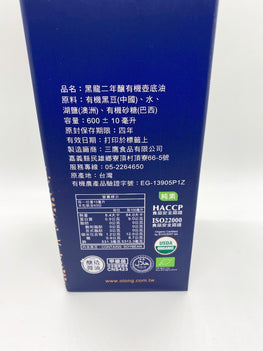
The Silent Alchemy: Unlocking the Deep Soul of Soy Sauce Through Aging
In a world of instant grat...