Product successfully added to your shopping cart

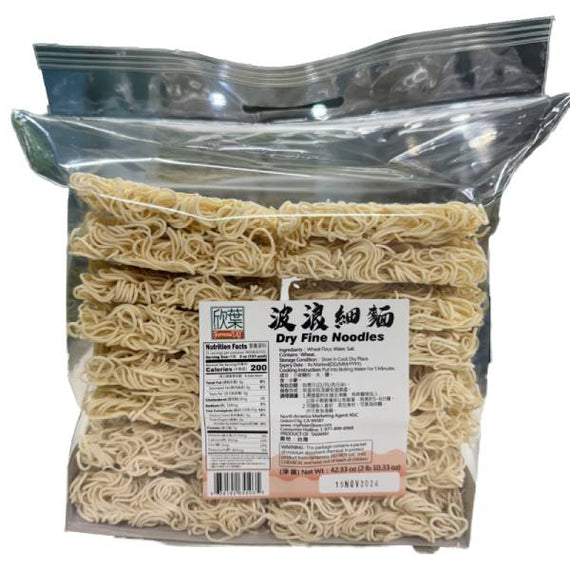
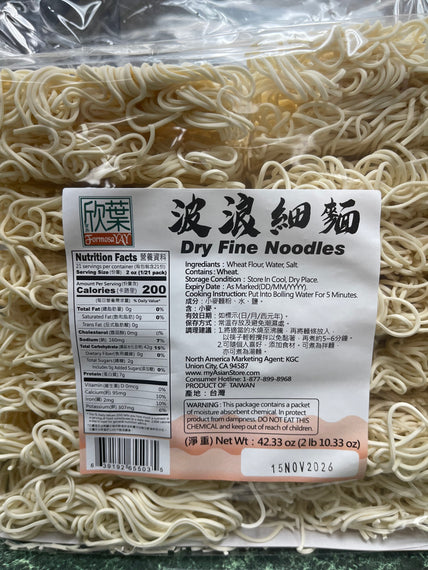
FORMOSA YAY DRY FINE NOODLE with(resealable pack) 欣葉波浪細麵
Regular price
$8.99
Formosa Yay Wavy Fine Noodle (欣葉 波浪細麵) – 2.65lb Resealable PackThe delicate, quick-cooking wavy noodle. Formosa Yay's (欣葉) Wavy Fine Noodle (波浪細麵) is a thin, springy dried noodle with the same distinctive wavy texture as the brand's ramen and knife-cut noodles — but in a finer, more delicate cut. The...
Formosa Yay Wavy Fine Noodle (欣葉 波浪細麵) – 2.65lb Resealable Pack
The delicate, quick-cooking wavy noodle. Formosa Yay's (欣葉) Wavy Fine Noodle (波浪細麵) is a thin, springy dried noodle with the same distinctive wavy texture as the brand's ramen and knife-cut noodles — but in a finer, more delicate cut. The wavy texture grips sauce and broth on every strand, while the thin profile means it cooks quickly and delivers a lighter, more refined mouthfeel. Made in Taiwan by Formosa Yay, a trusted Taiwanese noodle brand. Comes in a large 2.65lb resealable pack — ideal for families and regular noodle cooks.
Product Details
- Net Weight: 2.65lb (1.2kg) — large resealable pack
- Country of Origin: Taiwan
- Brand: Formosa Yay (欣葉) — trusted Taiwanese noodle brand
- Style: Wavy fine noodle (波浪細麵) — dried, unseasoned, thin cut
- Packaging: Resealable bag — keeps noodles fresh between uses
Why Wavy & Fine?
- 🌊 Wavy texture (波浪): The ridges and curves grip sauce and broth far better than straight noodles — maximum flavor on every strand
- 🍜 Fine cut (細麵): Thinner and more delicate than the ramen or knife-cut noodles — lighter mouthfeel, faster cooking, and a more refined texture
- ⚡ Quick-cooking: Cooks in 3–5 minutes — ideal for fast weeknight meals
- 🍜 Unseasoned: No flavor packet — a blank canvas for any sauce or broth
Best Uses
- 🍳 Cantonese soy sauce pan-fried noodles (豉油皇炒面): Par-boil, then pan-fry in a hot wok with soy sauce, oyster sauce, and bean sprouts — the fine wavy noodle develops crispy edges and excellent wok hei. A lighter, more delicate version of the classic than the ramen noodle
- 🍲 Light soup noodles: The thin cut is ideal for clear broths — chicken, pork bone, or dashi — where a delicate noodle complements rather than overwhelms the broth
- 🥢 Cold noodle salads (凉面): Boil, shock in cold water, toss with sesame paste, soy, black vinegar, and chili oil — the fine wavy texture holds the sauce while staying light and refreshing
- 🍜 Scallion oil noodles (讔油拌麵): The classic Shanghainese preparation — hot scallion-infused oil, soy sauce, and black vinegar tossed with fine noodles. The thin cut is the traditional choice for this dish
Cooking Tips
- ⏲️ Cook al dente: Fine noodles overcook quickly — taste 1 minute before the suggested time and drain when just firm
- 💧 Cold shock for cold dishes: After boiling, rinse immediately in cold water to stop cooking and tighten the texture
- 🍳 For pan-fried noodles: Par-boil, drain well, and let dry slightly before the wok — excess moisture prevents proper charring
- 🍜 Finish in sauce: Add drained noodles to your sauce in the pan with a splash of starchy cooking water — toss vigorously for 60 seconds to coat every strand
Formosa Yay Noodle Lineup
- 🌊 Wavy Fine Noodle (this product): Thinnest cut — delicate, quick-cooking, best for light soups, cold noodles, and scallion oil noodles
- 🍜 Wavy Ramen Noodle: Medium thickness — springy and versatile, best for pan-fried noodles and ramen bowls
- 🌲 Wavy Knife-Cut Thick Noodle: Thickest cut — chewy and substantial, best for Zhajiangmian and braised dishes
Note: Contains wheat. Consumers with gluten sensitivities should carefully read the actual package before consuming.
Related Products
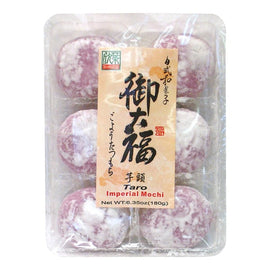
Formosa Yay Imperial Mochi — Taro Filling, 6 Pieces (180g)Soft, pillowy, and gently sweet. Formos...
Formosa Yay Imperial Mochi — Red Bean Filling, 6 Pieces (180g)Soft, pillowy, and gently sweet. Fo...
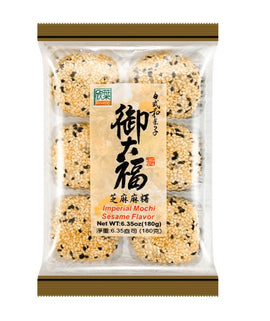
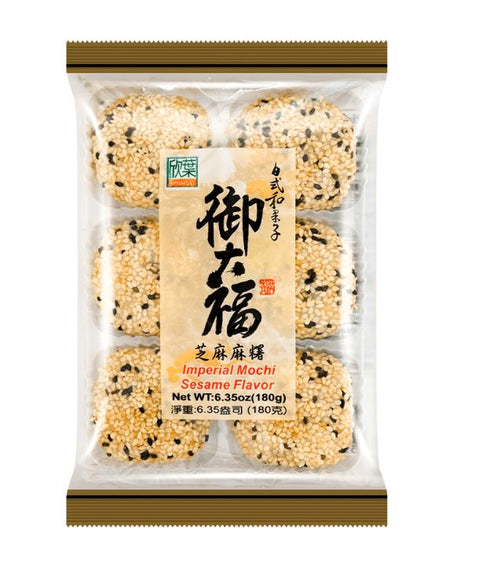
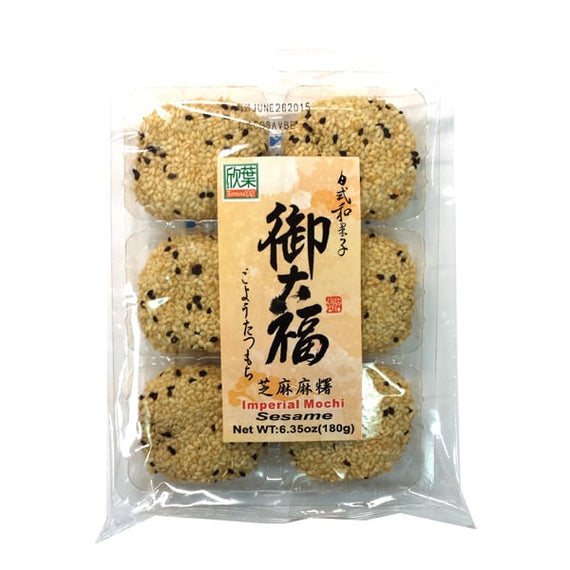
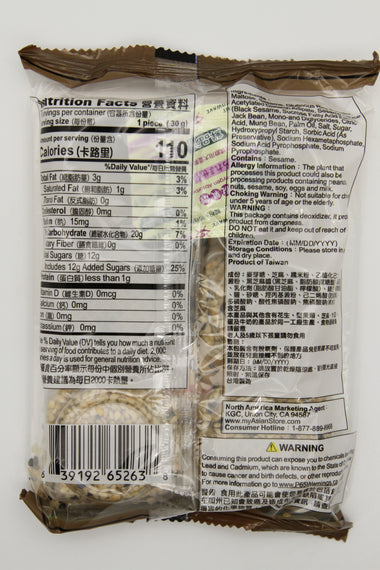
Formosa Yay Imperial Mochi (Sesame) 台灣欣葉 苝麻御大福麻薑 180g (6 PCS)
Soft, pillowy, and deeply nutty. A ...
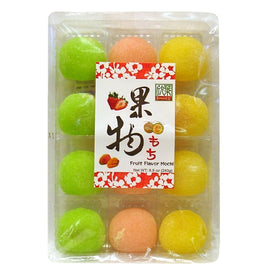
Formosa Yay Imperial Mochi — Fruit Flavored, 12 Pieces (180g)Bright, fruity, and fun. Formosa Yay...
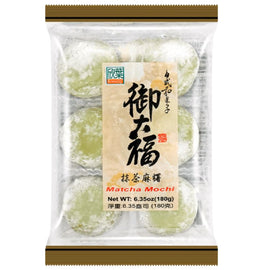
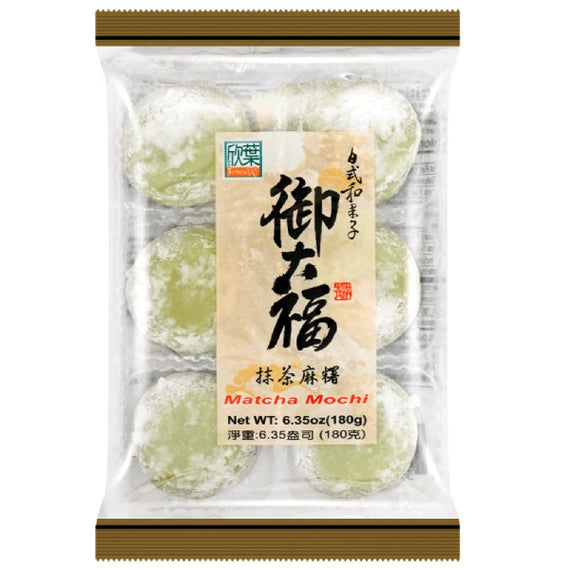
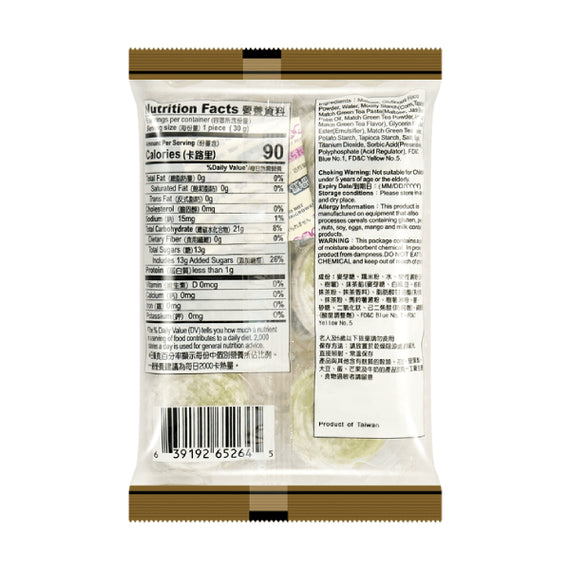
Formosa Yay Matcha Mochi — 6 Pieces (180g)Earthy, subtly bitter, and gently sweet. Formosa Yay Ma...
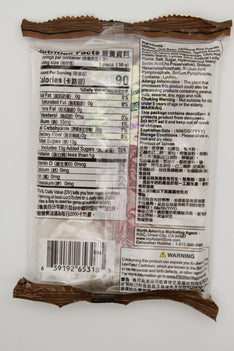
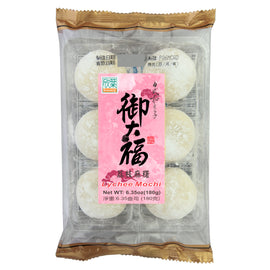
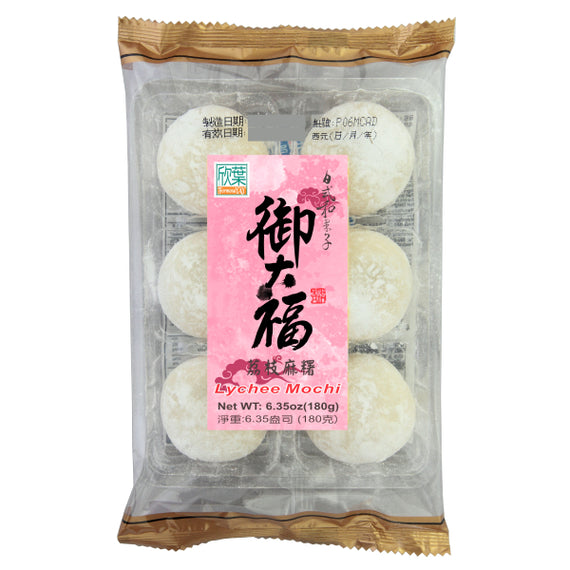
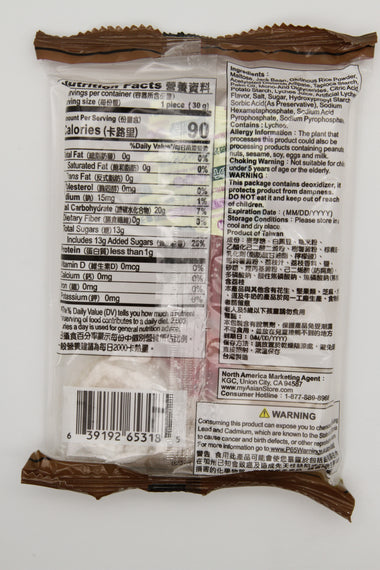
Formosa Yay Imperial Mochi — Lychee 欣葉 荔枝御大福麻糖 — 6 Pieces (180g)Floral, fragrant, and delicately ...
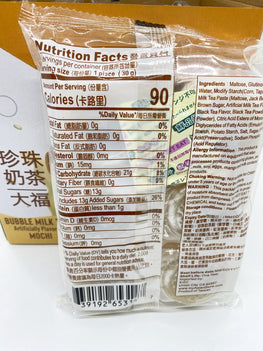
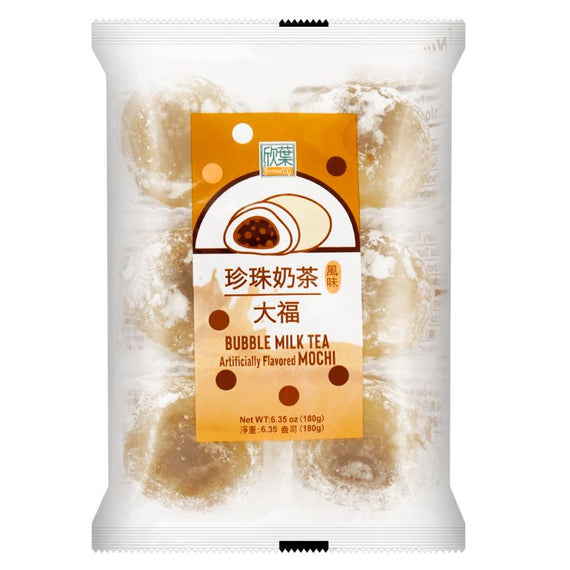
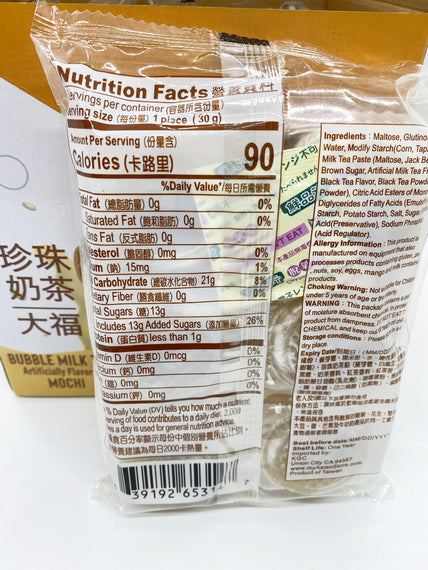
Formosa Yay Imperial Mochi (Bubble Milk Tea) 台灣欣葉 珍珠奶茶御大福麻薑 180g (6 PCS)
The joy of bubble tea in...
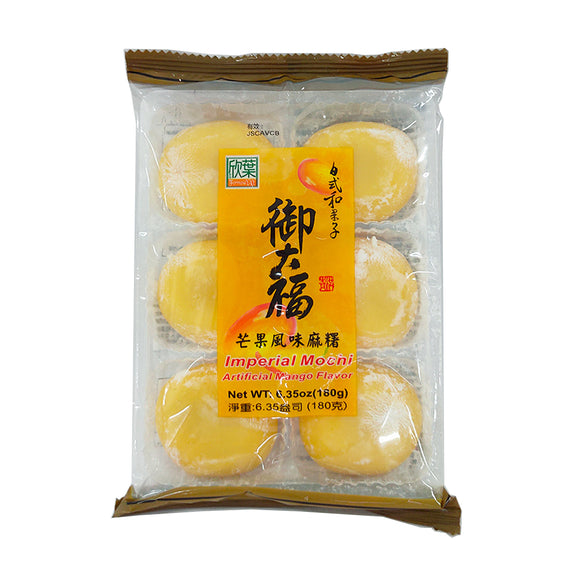
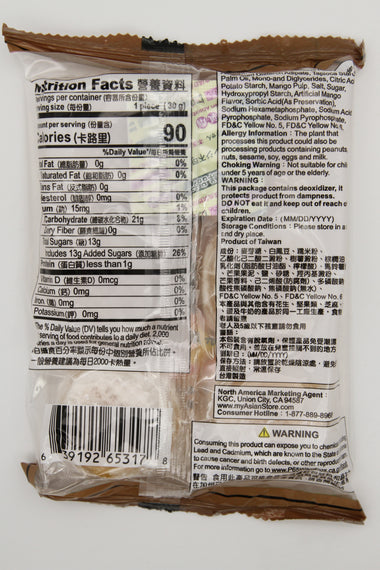
Formosa Yay Imperial Mochi — Mango 欣葉 芒果御大福麻糖 — 6 Pieces (180g)
Tropical, creamy, and refreshing....
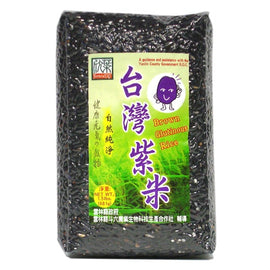
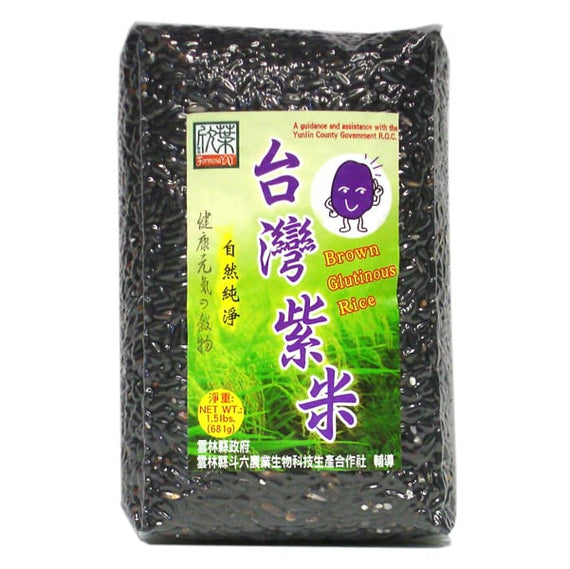
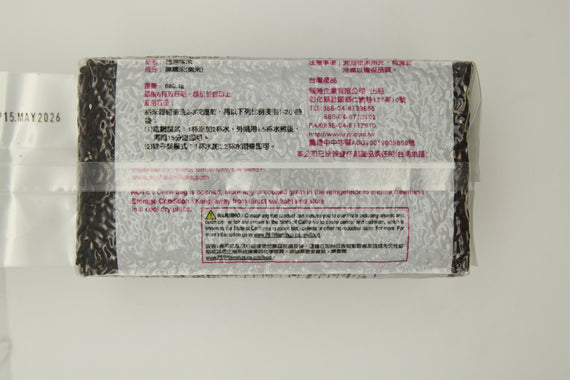
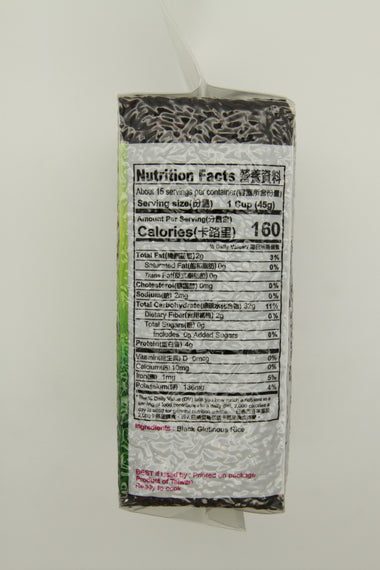
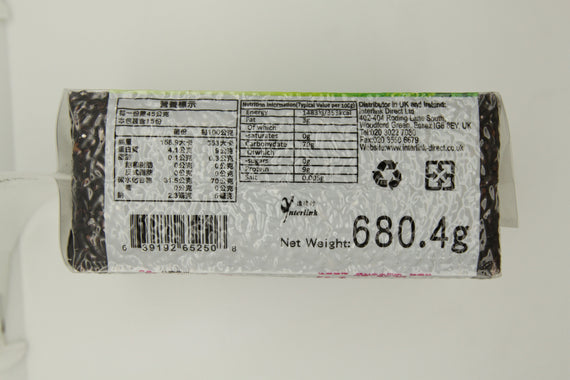
Formosa Yay Taiwan Brown Glutinous Purple Rice 台灣欣葉 台灣紫米 680g
Whole-grain, naturally purple stick...
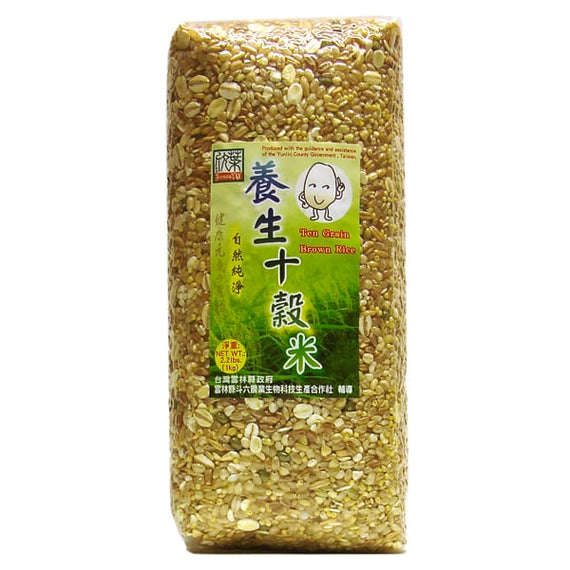
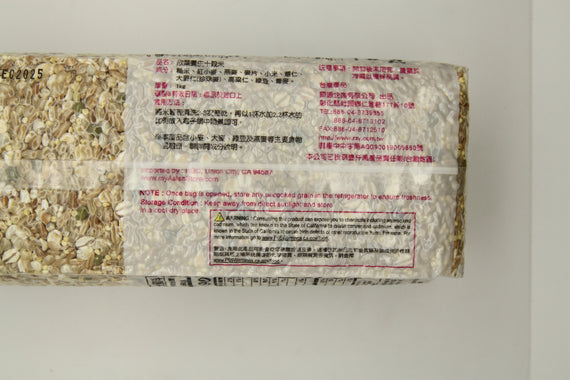
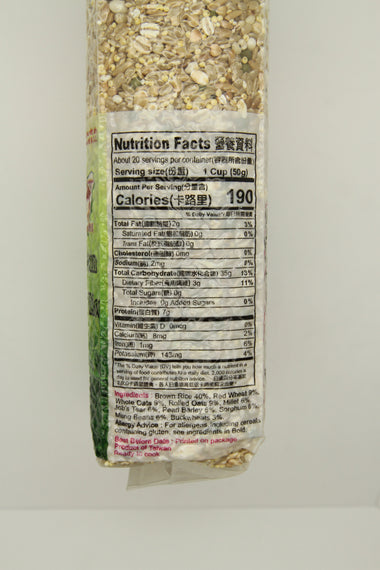
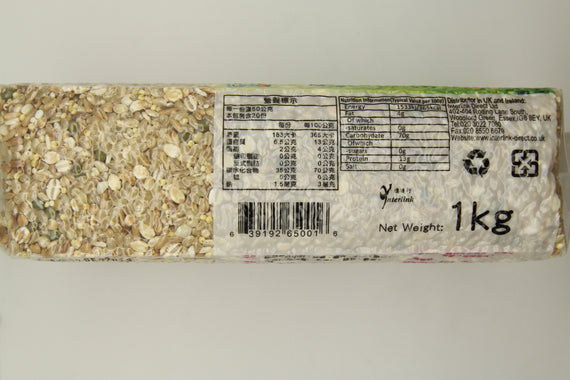


Formosa Yay Taiwan Ten Grain Brown Rice 台灣欣葉 養生十穀米 2.2lb (1kg)
A premium multi-grain whole grain ...