Product successfully added to your shopping cart



Pearl River Bridge Delicious Light Soy Sauce 珠江橋特級鮮味生抽 500ml
Regular price
$4.99
What is Light Soy Sauce? Light soy sauce is the primary, all-purpose soy sauce used for seasoning. The "light" refers not to its sodium content, but to its lighter color, thinner consistency, and saltier, more direct flavor compared to dark soy sauce. It is the undisputed foundation of flavor in countless dishes. Key Differences...
What is Light Soy Sauce?
Light soy sauce is the primary, all-purpose soy sauce used for seasoning. The "light" refers not to its sodium content, but to its lighter color, thinner consistency, and saltier, more direct flavor compared to dark soy sauce. It is the undisputed foundation of flavor in countless dishes.
Key Differences from Dark Soy Sauce:
-
Color & Consistency: Pale to medium brown, and completely liquid with no syrupy thickness.
-
Flavor: Salty, pungent, and bursts with upfront umami. It lacks the caramelized sweetness of dark soy.
-
Purpose: Used primarily for seasoning and salting a dish. It provides the foundational savory (umami) taste.
How It's Made & History
Light soy sauce represents the classic, original form of soy sauce.
-
Ancient Origins: Soy sauce (jiangyou 酱油) evolved from earlier fermented pastes in China over 2,000 years ago. The basic process of fermenting soybeans with salt, water, and koji mold (and often wheat) created this flavorful liquid seasoning.
-
The Traditional Process: It is typically the first extraction from the fermented soybean mash. This first press yields the purest, most flavorful, and saltiest liquid. It is aged but does not undergo the extended caramelization or molasses addition that dark soy sauce does.
-
The Standard: In most of China, when a recipe simply says "soy sauce," it implies light soy sauce. It's known as shēng chōu (生抽), which translates to "fresh extraction" or "raw pump," highlighting its first-press status.
Traditional Uses in Asian Cuisine
Light soy sauce is the flavor architect. It's used at almost every stage of cooking.
-
Seasoning During Cooking: The primary salt and umami source in stir-fries, soups, braises, and noodle dishes.
-
Marinades: Its salinity and enzymes help penetrate and flavor proteins without dramatically altering their color.
-
Dipper & Finishing Sauce: Served pure or as the base for dipping sauces (e.g., with dumplings, mixed with vinegar and chili oil). It's also drizzled over blanched vegetables, tofu, or steamed fish as a simple finish.
-
In Concert with Dark Soy: In many dishes, light soy sauce provides the saltiness, while dark soy provides the color. A classic combo is 2 parts light to 1 part dark for a balanced stir-fry.
How to Use Light Soy Sauce in an American Kitchen
Think of it as your high-umami replacement for table salt in savory dishes. It adds complexity where plain salt cannot.
1. The Ultimate All-Purpose Seasoning:
-
Stir-fries & Sautés: Splash it into the wok or pan instead of salt when cooking vegetables, chicken, beef, or shrimp. It instantly creates a savory base.
-
Soup & Broth Booster: Add 1-2 teaspoons to homemade or store-bought chicken, vegetable, or mushroom broth to instantly deepen the flavor.
-
Better Eggs: Add a few drops to scrambled eggs or omelets before cooking for incredible depth (a classic Chinese home cooking trick).
2. Create Vibrant Marinades and Glazes:
-
Mix with minced garlic, ginger, a touch of honey or sesame oil, and use as a quick 30-minute marinade for any protein.
-
Combine with brown sugar, lime juice, and chili for a Southeast Asian-inspired glaze for grilled chicken or fish.
3. Make Exceptional Dressings and Dips:
-
Salad Dressing: Whisk with rice vinegar, neutral oil, a touch of sesame oil, and ginger for a far superior Asian-style salad dressing.
-
Universal Dipping Sauce: The classic trio: Light soy sauce + Chinese black vinegar + chili crisp oil. Perfect for dumplings, potstickers, or even as a drizzle for pizza.
-
Aioli & Mayo Mix-in: Stir a teaspoon into mayonnaise or aioli for a quick umami-packed spread for burgers or sandwiches.
4. Reinvent Simple Sides & Snacks:
-
Avocado or Tomato "Seasoning": Drizzle lightly over sliced tomatoes or avocado instead of (or with) salt.
-
Popcorn Seasoning: Use a spray bottle to very lightly mist hot popcorn with light soy sauce, then toss with powdered spices for an umami-packed snack.
-
Butter & Noodles: Toss hot cooked pasta with butter, a splash of light soy sauce, and black pepper for a shockingly delicious 3-minute meal.
Buying & Substituting Tips
-
Buying: The most common type found in Western supermarkets is a Japanese-style soy sauce (like Kikkoman), which is similar to and can be used as light soy sauce. For authentic Chinese light soy, look for brands like Pearl River Bridge Superior Light Soy Sauce or Lee Kum Kee Premium Soy Sauce.
-
CRUCIAL NOTE: Do not confuse "Light Soy Sauce" with "Lite" or "Low-Sodium" Soy Sauce. "Light" refers to color; "Lite" refers to reduced salt content.
-
Storage: Keep in a cool, dark place. Refrigeration can extend its freshness and flavor after opening.
-
Substitute (In a Pinch): Tamari (Japanese wheat-free soy sauce) is the closest in flavor profile, though slightly less sharp. Fish sauce can provide umami in a pinch, but use less and expect a different aromatic profile. There is no perfect substitute.
Quick Comparison: Light vs. Dark Soy Sauce
| Feature | Light Soy Sauce | Dark Soy Sauce |
|---|---|---|
| Primary Role | Seasoning (adds salt & umami) | Coloring & Glazing (adds color & rich sweetness) |
| Color | Pale to medium brown | Very dark, almost black |
| Consistency | Thin, watery | Thicker, slightly syrupy |
| Flavor | Salty, pungent, upfront umami | Less salty, sweet, malty, complex |
| Common Use | In dips, during cooking, in marinades | In braises, for glazing, in stir-fries for color |
In summary, Light Soy Sauce is the indispensable, salty-umami backbone. If your kitchen were a painter's palette, light soy sauce would be the primary color you mix into everything, while dark soy sauce is the specific shade used for depth and shadow. No well-stocked pantry, for either Asian or creative American cooking, should be without it.
Net Weight: 500ml
Country of Origin: China
Ingredients:
Water, Soybeans, Salt, Wheat Flour, Monosodium L-glutamate, Sugar, Disodium 5’guanylate & Disodium 5’-inosinate, & Potassium Sorbate ( Less than 1/10 of 1% as food preservative).
CONTAINS: Soy, Wheat
Related Products
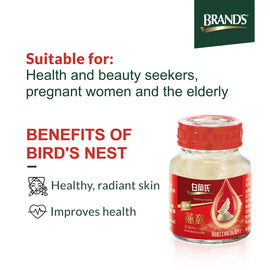
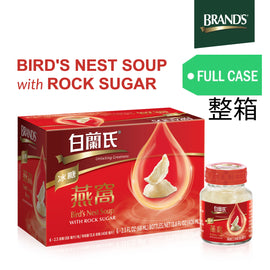
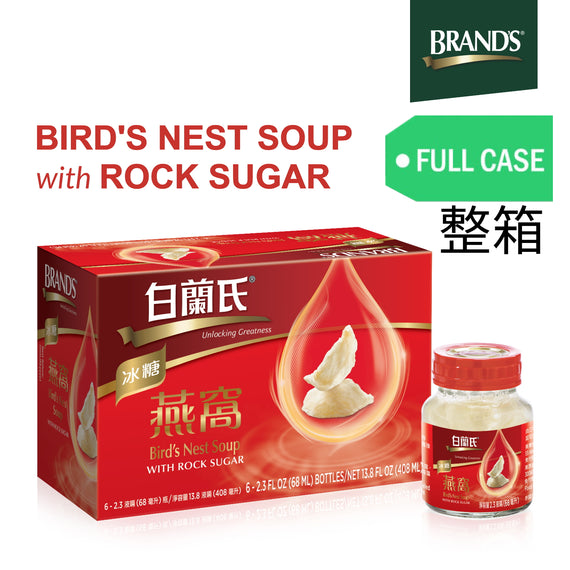
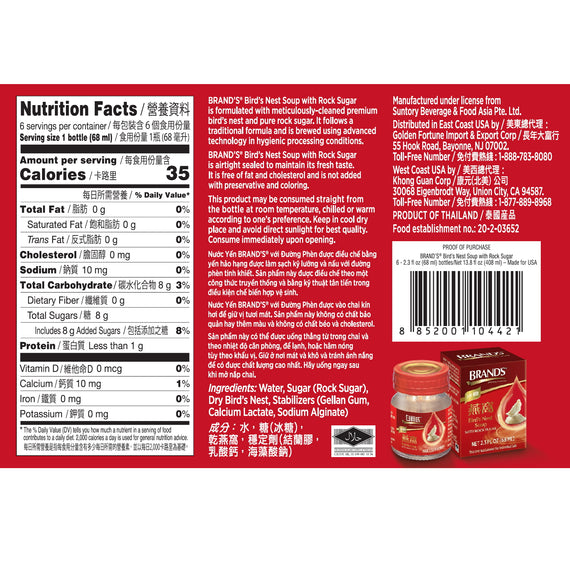
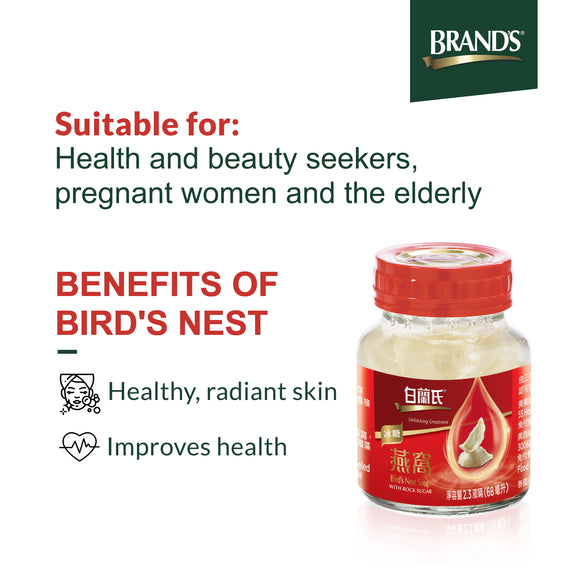
Net Weight: 8 PACKS * [ 2.3 FL OZ * 6 BOTTLES ]
Country of Origin: Thailand
BRAND'S® BIRD'...
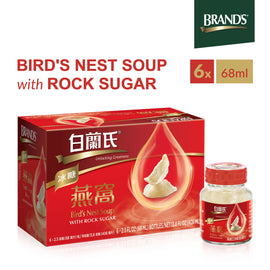
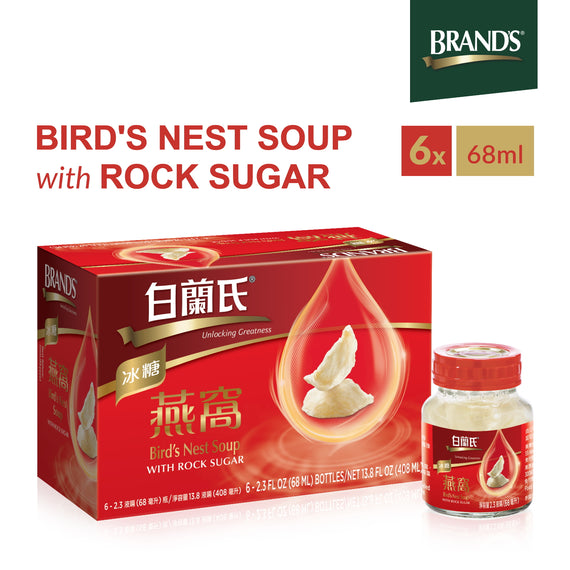
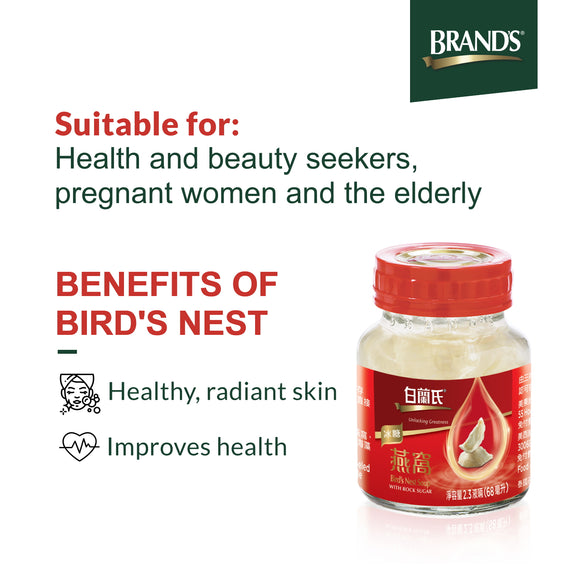
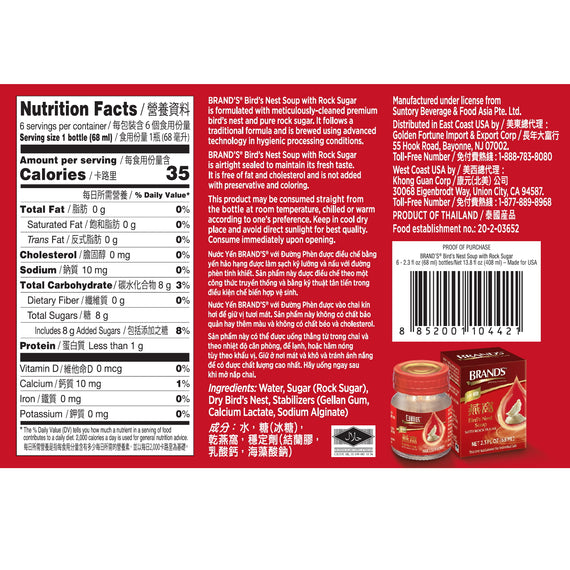
Net Weight: 1 PACK * [ 2.3 FL OZ * 6 BOTTLES ]
Country of Origin: Thailand
BRAND'S® BIRD'S NEST...
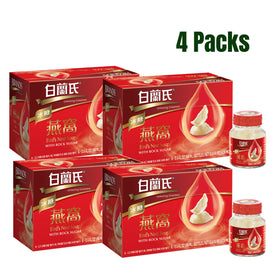
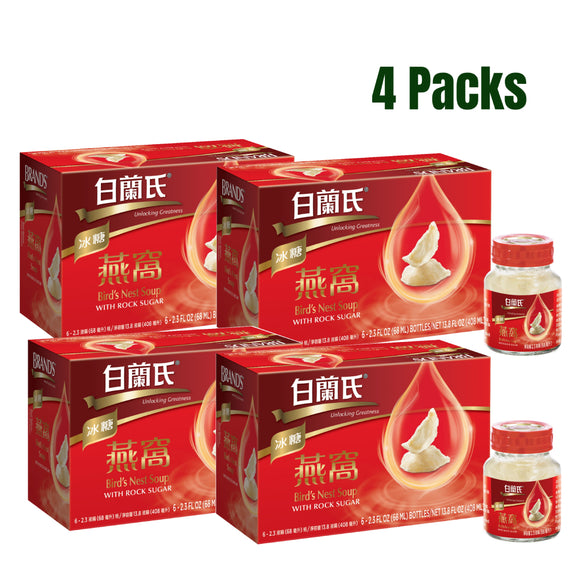
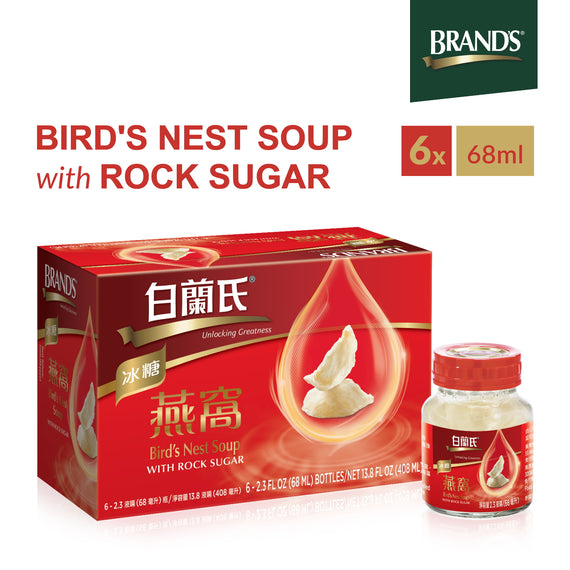
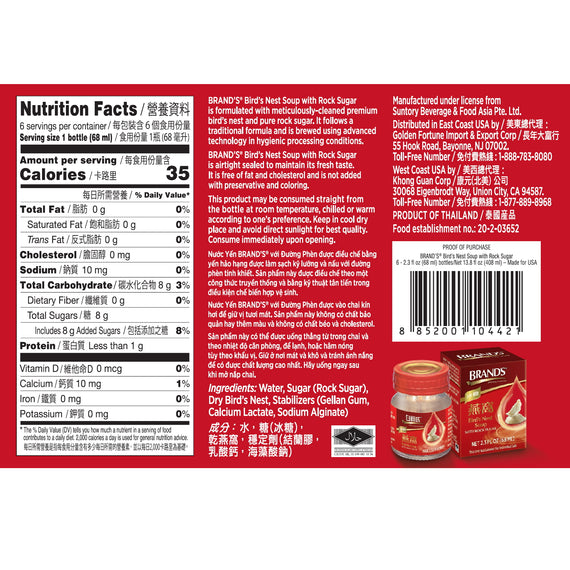
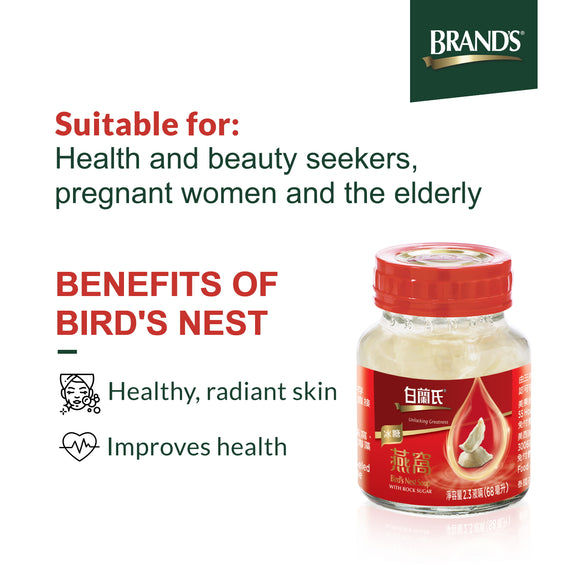
BRAND'S® Birds Nest Soup with Rock Sugar (白蘭氏冰糖燕窩) – 4-Pack Bundle, 24 BottlesStock up and save o...
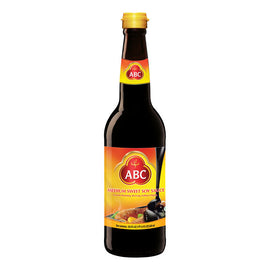
ABC Medium Sweet Soy Sauce (中甜醬油) – 21ozThe iconic Indonesian sweet soy sauce — thick, glossy, an...
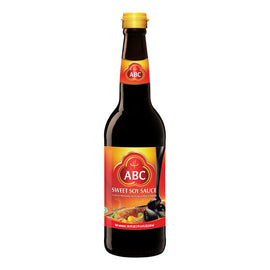
Sweet Soy Sauce: The Glossy, Syrupy Elixir of Umami
Sweet soy sauce is a distinct category altoge...

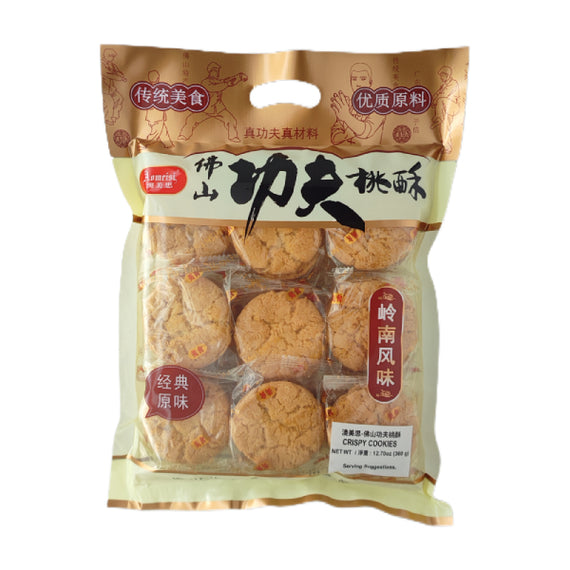


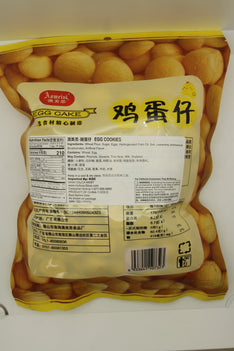
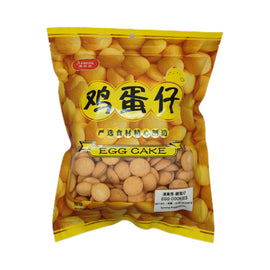
Discover Crunchy Bliss: Why AOMEISI Crispy Cookies Are Your Next Favorite Treat
Imagine this: a s...


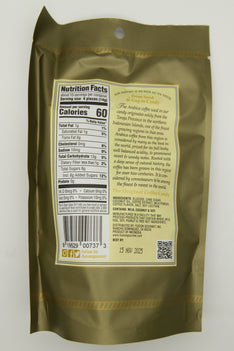
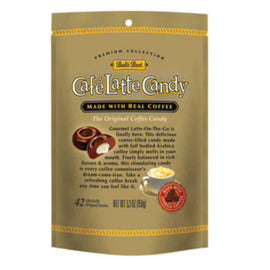
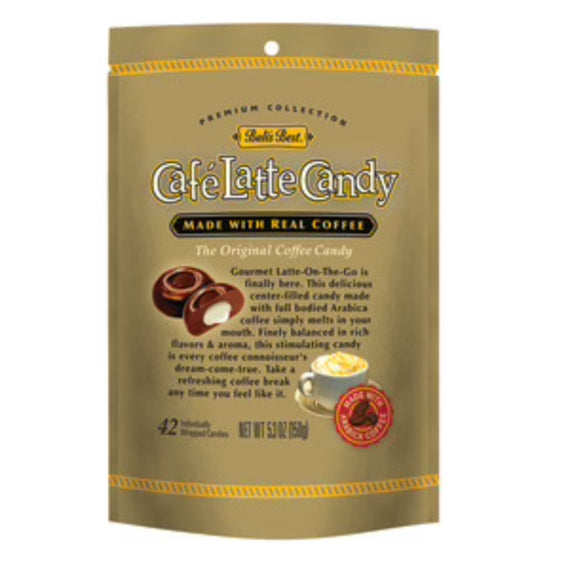
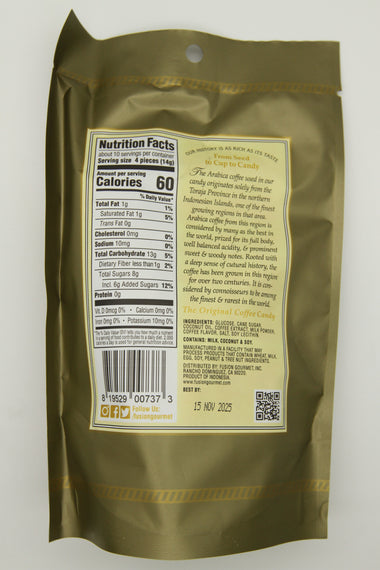
Net Weight: 150g Country of Origin: Indonesia
Made with real coffee. The original coffee candy....
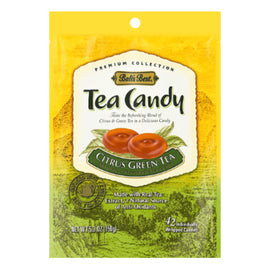
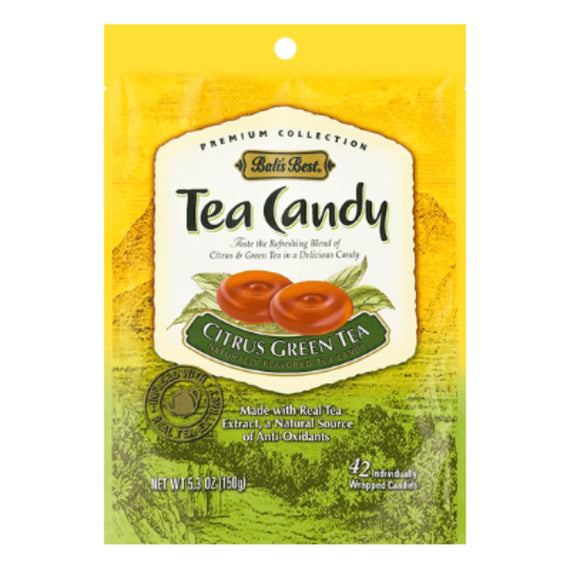
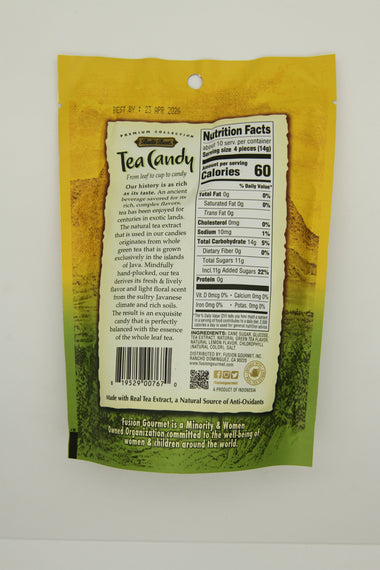
Bali's Best Citrus Green Tea Candy: A Sunlit Burst of Refreshment
Imagine the clean, soothing tas...
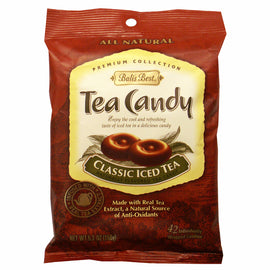
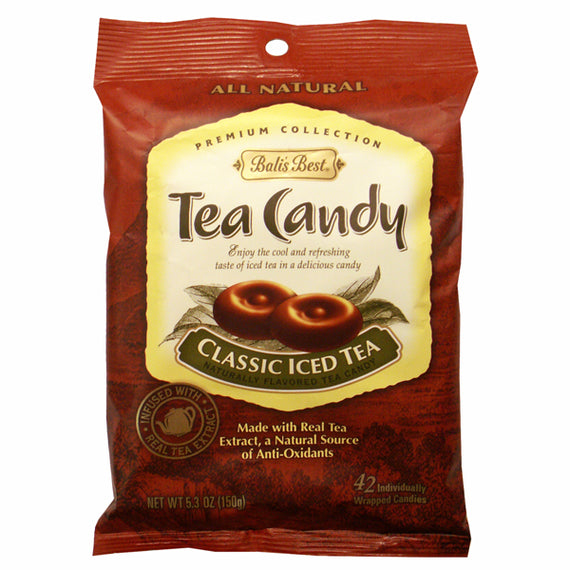
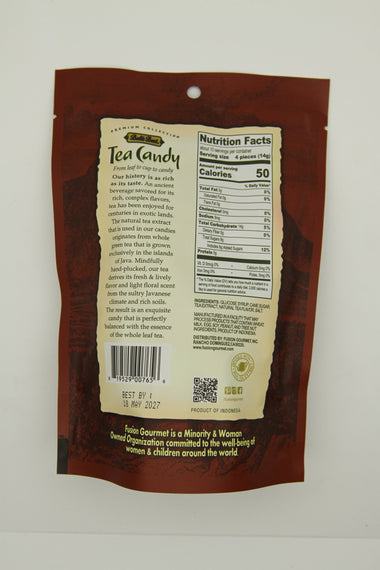


Bali's Best Classic Iced Tea Candy: The Taste of a Sweet Tea Summer, in a Little Wrapper
Imagine ...