Product successfully added to your shopping cart


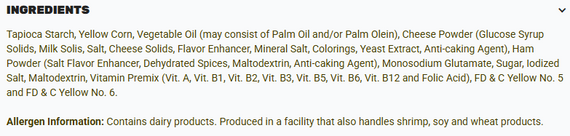
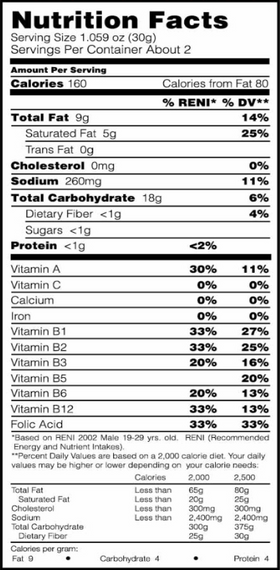
LESLIE'S CLOVER CHIPS HAM & CHEESE 玉米片火腿及芝士口味 (145g)
Regular price
$4.59
Leslie's Clover Chips Ham & Cheese (玉米片 火腿及芝士口味) – 145gA Filipino snack institution. Leslie's Clover Chips have been a staple of Filipino snack culture for decades — instantly recognizable by their distinctive clover shape and the light, airy, shatteringly crisp texture that comes from their corn and tapioca starch base....
Leslie's Clover Chips Ham & Cheese (玉米片 火腿及芝士口味) – 145g
A Filipino snack institution. Leslie's Clover Chips have been a staple of Filipino snack culture for decades — instantly recognizable by their distinctive clover shape and the light, airy, shatteringly crisp texture that comes from their corn and tapioca starch base. The Ham & Cheese flavor delivers a savory, slightly smoky, cheesy punch that makes these impossible to stop at just one handful.
Product Details
- Net Weight: 145g
- Country of Origin: Philippines
- Brand: Leslie's — iconic Filipino snack brand
- Flavor: Ham & Cheese (火腿及芝士) — savory, smoky, and cheesy
- Base: Corn & tapioca starch — naturally lighter and crispier than potato chips
What Makes Clover Chips Different
- 🍀 The clover shape: The distinctive four-leaf clover form isn't just for looks — it creates more surface area for seasoning and a uniquely light, airy structure that shatters cleanly with every bite
- 🌽 Corn & tapioca base: Tapioca starch gives these chips their signature shatteringly crisp texture — lighter and airier than a potato chip, with a neutral base that lets the Ham & Cheese seasoning shine through fully
- 🧀 Ham & Cheese flavor: Savory, slightly smoky ham notes balanced with a rich, cheesy finish — a crowd-pleasing combination that works for all ages
About Leslie's
Leslie's is one of the Philippines' most beloved snack brands, with Clover Chips as their flagship product. A childhood staple for generations of Filipinos — and a gateway snack for anyone discovering Filipino snack culture for the first time.
Perfect For
- 🍺 Beer and cold drinks — the savory ham and cheese flavor is a natural pairing
- 🎉 Parties and sharing — the 145g bag is perfect for a snack bowl
- 👶 Filipino nostalgia — an instant childhood memory for anyone who grew up with Clover Chips
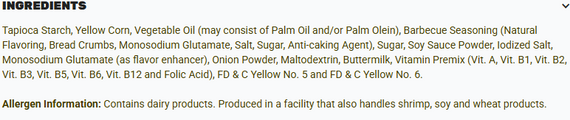
Note: Contains corn, tapioca, dairy (cheese), and wheat. Consumers with dietary restrictions should carefully read the actual package before consuming.
Related Products


Golden Duck Kombu Seaweed Butter Potato Crisps – 125gPremium potato crisps from one of Singapore'...


Golden Duck Salted Egg Crab Meat Seaweed Tempura (蟹肉和蛋天婦羅脆海苔) – 3.57oz / 101gGolden Duck's signat...


GOLDEN DUCK Salted Egg Fish Skin
Crunch into a light, crisp Asian snack coated with rich salted e...


Golden Duck Sour Cream & Sriracha Potato Crisps – 125gCool meets heat in the best possible wa...


Golden Duck Chili Crab Meat Seaweed Tempura (香辣蟹肉天婦羅脆海苔) – 3.57oz / 101gGolden Duck's most iconic...


GOLDEN DUCK Salted Egg Potato Ridges
Turn snack time up a notch with thick, ridged potato chips c...


Leslie's Clover Chips BBQ Flavor (玉米片 燒烤口味) – 145gThe Filipino snack institution, in the flavor e...

Leslie's Clover Chips Ham & Cheese (玉米片 火腿及芝士口味) – 30-Pack Case (30 x 145g)Stock up on one of...
Leslie's Clover Chips BBQ Flavor (玉米片 燒烤口味) – 30-Pack Case (30 x 145g)Stock up on one of the Phil...




Leslie's Clover Chips Cheese Flavor (玉米片 芝士口味) – 30-Pack Case (30 x 145g)Stock up on one of the P...