Product successfully added to your shopping cart



IMPERIAL PALACE Mooncake 2pcs White Lotus Seed with Double Egg Yolk + Red Bean Paste Mooncakes 京華 家好月圓 雙黃白蓮蓉+紅豆沙月餅 12.6OZ
Regular price
$11.99
The Symbolism of the Full Moon in Chinese Culture In Chinese culture, the full moon is far more than a celestial body; it is a profound, multi-layered cultural symbol that has shaped philosophy, art, literature, and social customs for thousands of years. Its most dominant and enduring meanings are reunion, completeness,...
The Symbolism of the Full Moon in Chinese Culture
In Chinese culture, the full moon is far more than a celestial body; it is a profound, multi-layered cultural symbol that has shaped philosophy, art, literature, and social customs for thousands of years. Its most dominant and enduring meanings are reunion, completeness, and harmony.
Core Symbol: Reunion and Completeness
The foundational symbolism of the full moon lies in its shape—the circle. In Chinese culture, the circle is the most revered geometric form, representing perfection, wholeness, and unity. This concept is deeply woven into the Chinese language. The word for "perfect" or "flawless" is yuánmǎn (圆满), which literally translates to "full-circle-fulfilled." The character for "round" (圆, yuán) is also used to mean "thorough," "all-encompassing," and "satisfactory."
Because of this linguistic and visual connection, the full moon is considered an exceptionally auspicious omen. It symbolizes abundance, harmony, and good fortune. It is no coincidence that traditional well-wishes often pair the moon with other symbols of completeness; one of the most common blessings is huāhǎo, yuèyuán, rén chángshòu (花好月圆人长寿)—"Flowers are blooming, the moon is full, and people enjoy long life."
Philosophical and Cosmic Symbolism
In traditional Chinese philosophy, the moon is the ultimate embodiment of Yin—the feminine, passive, dark, and cooling principle, in contrast to the sun’s bright and active Yang. While Yin and Yang constantly flux and alternate, the full moon represents a moment of ideal balance and perfection within this cycle.
Furthermore, the full moon reflects the ancient Chinese cosmological view of a cyclical universe. The ancients believed in a "round heaven and square earth" (tiānyuán dìfāng, 天圆地方). The circle symbolized the completeness and cyclic nature of the heavens—the eternal rhythm of birth, growth, decay, and renewal. The waxing and waning of the moon were seen as the most vivid, observable manifestation of this cosmic law. A full moon, therefore, is the peak of that cycle—a moment of total harmony between heaven and earth.
Mythology: Chang'e, the Jade Rabbit, and Wu Gang
The full moon is also the centerpiece of some of China's most beloved myths, which give it a deeply human and emotional resonance.
-
Chang'e (嫦娥) – The Moon Goddess: The most famous legend tells of Chang'e, the beautiful wife of the heroic archer Hou Yi. After Hou Yi shot down nine of the ten suns that were scorching the earth, he was given an elixir of immortality. To protect it from a greedy apprentice, Chang'e swallowed the elixir herself and floated upward to the moon, where she has lived ever since. Her story is one of eternal love, sacrifice, and separation, adding a layer of wistful romance and longing to the moon's image.
-
The Jade Rabbit (玉兔, Yùtù): Chang'e is not alone. Accompanying her is the Jade Rabbit, who stands beneath a cassia tree, forever pounding herbs with a mortar and pestle to create the elixir of life. The rabbit is a symbol of selflessness and devotion, and its silhouette is still said to be visible on the moon's surface during the Mid-Autumn Festival.
-
Wu Gang (吴刚) – The Woodcutter: Another lesser-known but equally poignant myth tells of Wu Gang, a man who was banished to the moon and ordered to chop down a self-healing cassia tree as punishment for his hubris. He is doomed to chop forever, as the tree heals its wounds instantly. This myth adds a layer of moral reflection and eternal toil to the lunar narrative.
Art and Literature: A Muse for Poets and Painters
The full moon has been an inexhaustible source of inspiration for Chinese artists and poets for over two millennia. It is perhaps in classical poetry that the moon achieves its most profound emotional depth.
-
Homesickness and Longing: The full moon is the ultimate poetic vehicle for expressing the pain of separation. The most universally known example is Li Bai's (李白) "Thoughts on a Quiet Night" (Jìngyè Sī, 静夜思):
"Before my bed, the moonlight is so bright,
I mistook it for frost on the ground.
Raising my head, I gaze at the bright moon,
Lowering my head, I think of my hometown." -
Universal Connection: The poet Su Shi (苏轼) of the Song Dynasty wrote his masterpiece "Prelude to Water Melody" (Shuǐdiào Gētóu, 水调歌头) while gazing at the full moon during the Mid-Autumn Festival, missing his distant brother. His famous closing lines have become the eternal wish of all separated loved ones:
"May we all live long and share the beauty of this full moon together,
Even though we are thousands of miles apart."
(但愿人长久,千里共婵娟) -
Visual Arts: In traditional Chinese painting, the full moon is rarely depicted as a mere landscape element. It is almost always shown in its full, round form, serving as a powerful visual metaphor for completeness. A full moon often accompanies images of plum blossoms, pine trees, or hermit scholars, creating a mood of serene contemplation and spiritual harmony. In contrast, a waning or obscured moon was explicitly used to symbolize grief, loss, and regret.
The Mid-Autumn Festival (中秋节, Zhōngqiū Jié)
The cultural significance of the full moon culminates in the Mid-Autumn Festival, celebrated on the 15th day of the 8th lunar month. This is the night when the moon is believed to be at its fullest, brightest, and most beautiful. It is, quite simply, a festival dedicated to the full moon and its values.
-
Family Reunion: The Mid-Autumn Festival is, second only to the Lunar New Year, the most important family gathering of the year. It is a time when families travel great distances to sit together, share a meal, and enjoy each other's company.
-
Moon Gazing (赏月, Shǎngyuè): The central activity of the festival is going outdoors at night to admire the full moon. This act is not passive; it is an active communion with the heavens and a way to send silent wishes to absent family members or friends.
-
Mooncakes (月饼, Yuèbǐng): The quintessential food of the festival is the mooncake—a dense, round pastry filled with sweet bean paste, lotus seed paste, or salted egg yolks. Its circular shape directly mirrors the full moon and symbolizes the unity and completeness of the family. Traditionally, families share one large mooncake, cutting it into as many pieces as there are family members, reinforcing their bond.
-
Other Full Moon Festivals: While the Mid-Autumn Festival is the most prominent, it is not the only celebration of the full moon. The Lantern Festival on the 15th day of the 1st lunar month celebrates the first full moon of the New Year, marking the end of the Spring Festival season. The Ghost Festival (Zhongyuan Festival) on the 15th day of the 7th lunar month also features a full moon, but its focus is on honoring deceased ancestors rather than celebrating living family unity.
Conclusion: A Living Symbol
In essence, the full moon in Chinese culture is an enduring, living symbol that transcends mere astronomy. It is a mirror reflecting the deepest cultural values of family, unity, and harmony. It connects the celestial with the human, the philosophical with the emotional, and the ancient with the modern. To this day, whenever the full moon rises, it serves as a silent reminder of loved ones, a cosmic wish for completeness, and a universal symbol of hope for a fulfilled and happy life.
Net Weight: 12.6 oz
Country of Origin: China
Contents:
1x Double Egg Yolk Lotus Seed Paste Mooncake
1x Red Bean Paste Mooncake


Related Products
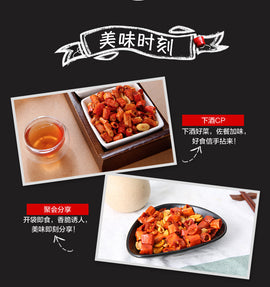
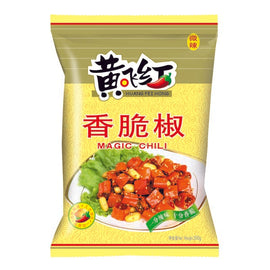
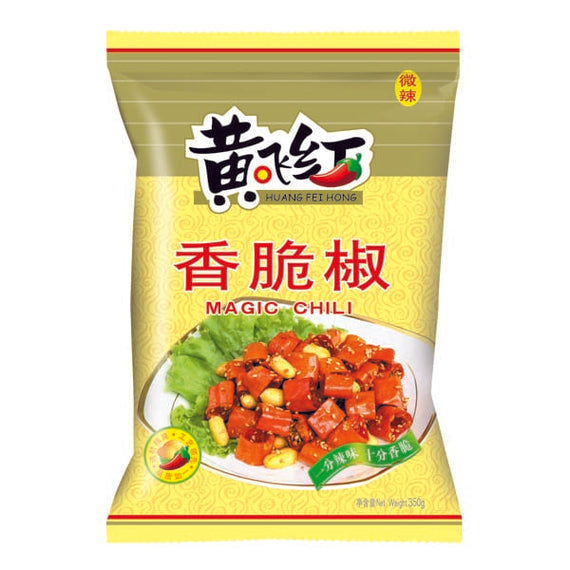
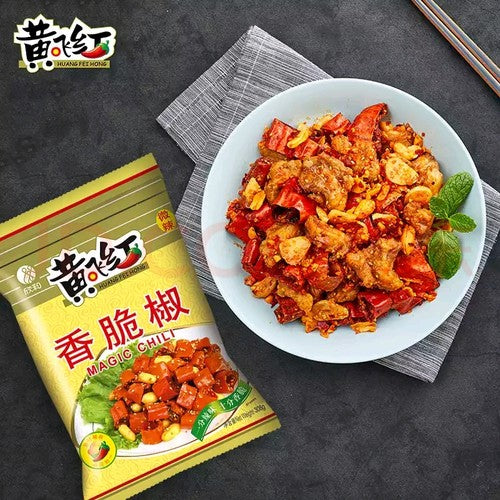
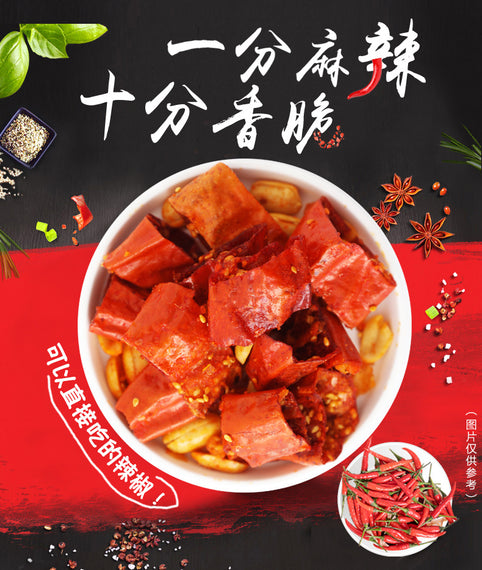
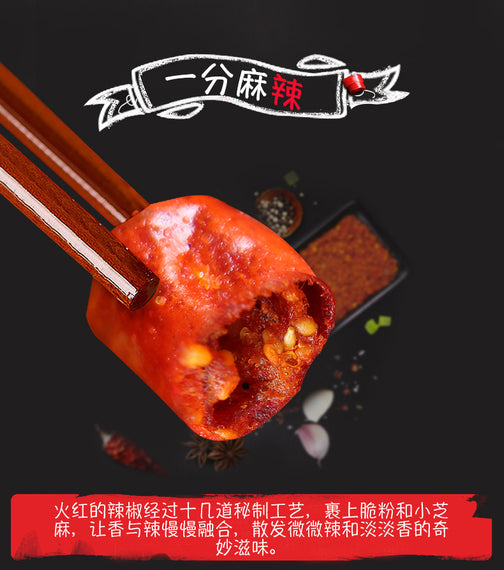
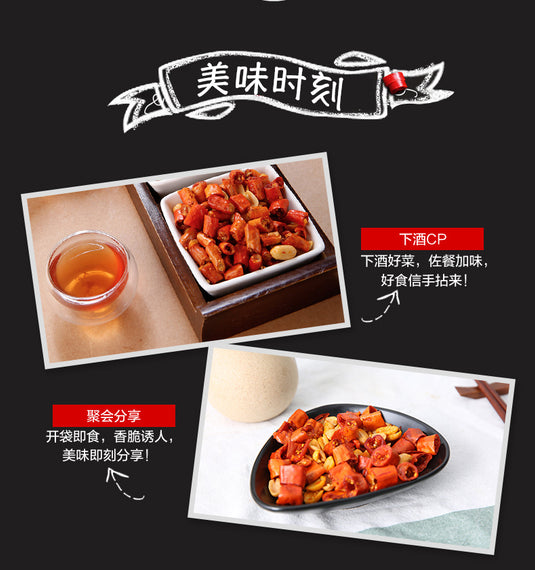
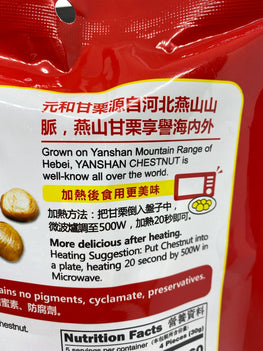
🌶️ Huang Fei Hong Magic Chili – The Crunchy, Spicy Snack You Can’t Stop Eating!
If you haven’t tr...
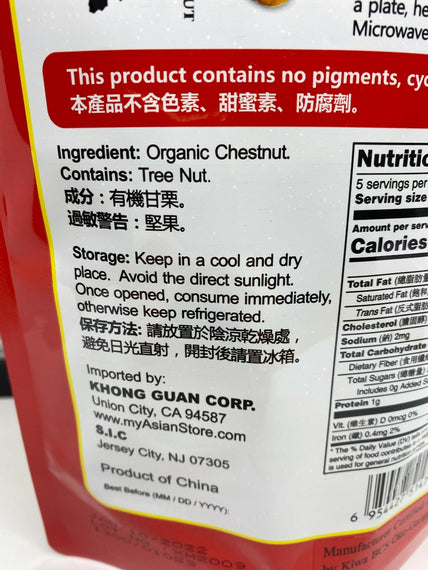
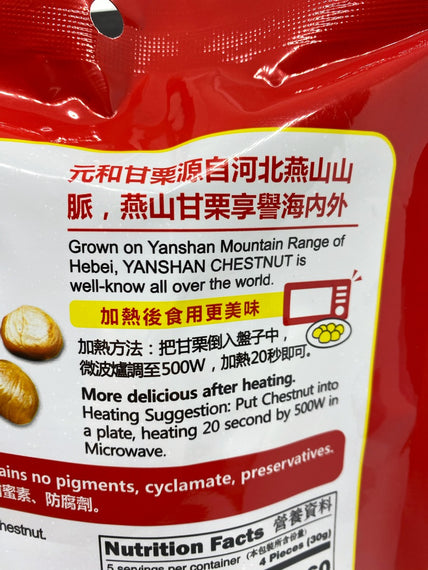
Organic Certification in China
Overview and Governing Framework
Organic certification in China is...
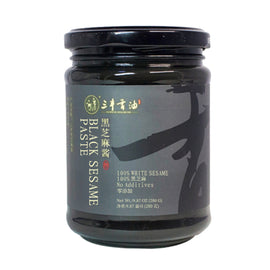
Incorporating sesame paste (which is different from tahini, though they're close relatives) into...
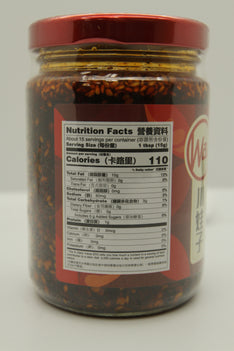
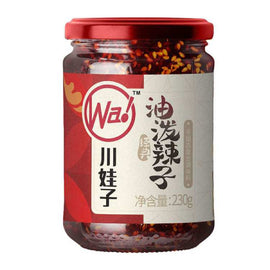
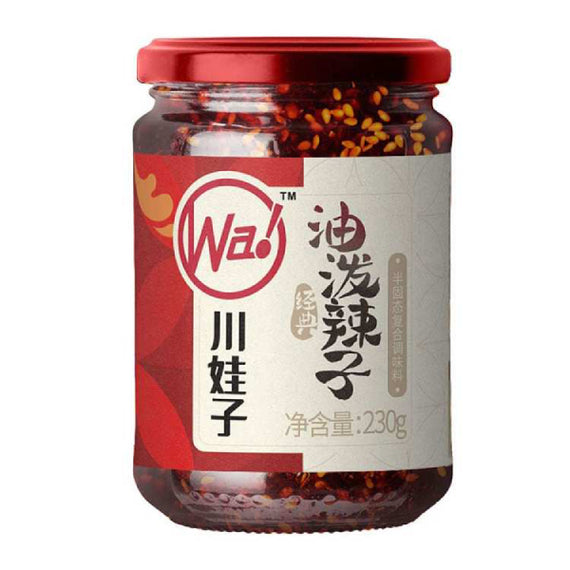
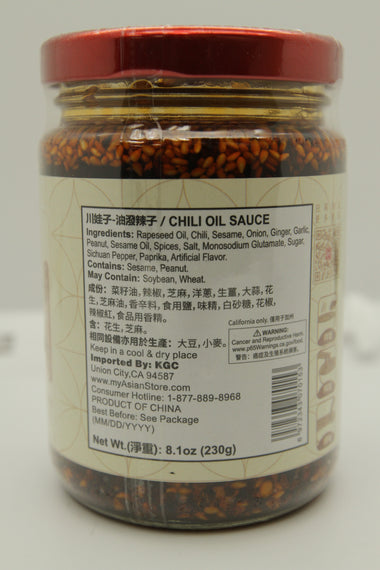
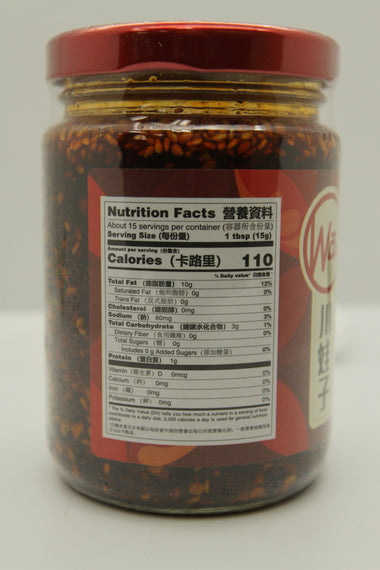
Unlock Sichuan Magic in Your Kitchen: Your CHUAN WA ZI Chili Oil Sauce Everyday Adventure!
Tired ...
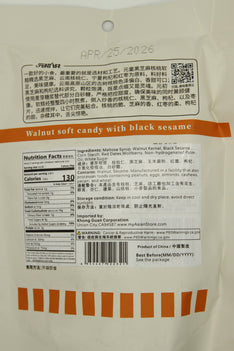
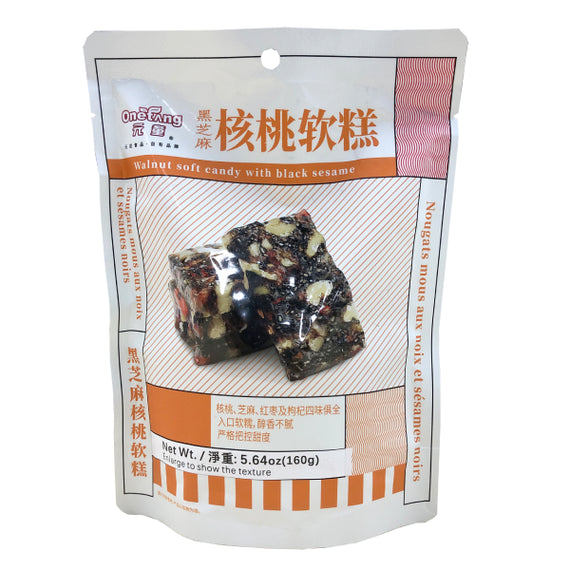
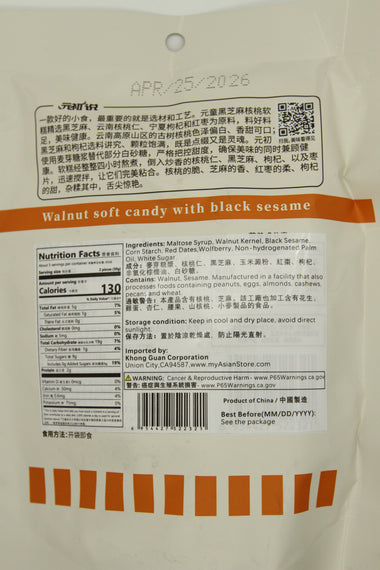
Net Weight: 160g
Country of origin: China
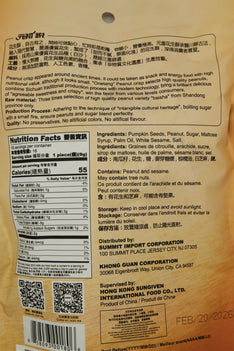
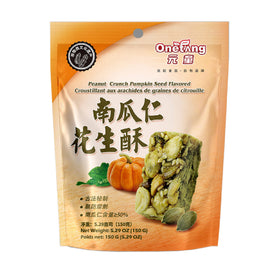
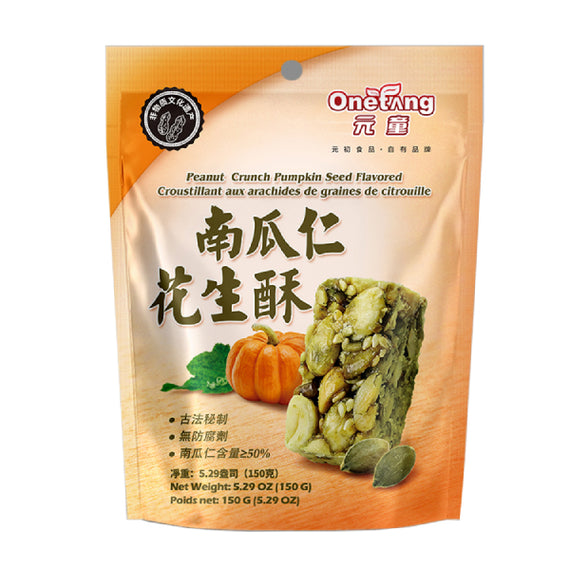
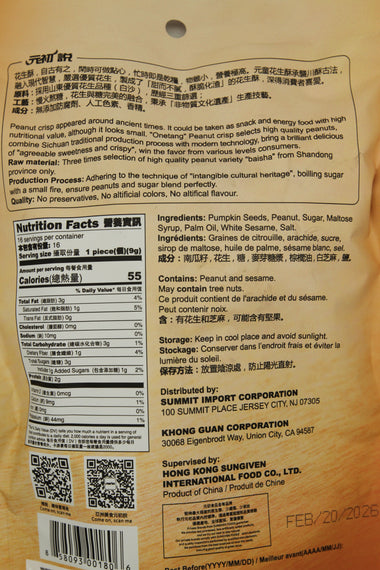
Nourish Your Gut with Ancient Wisdom: The Pumpkin Seed & Peanut Brittle Story
In the world of...
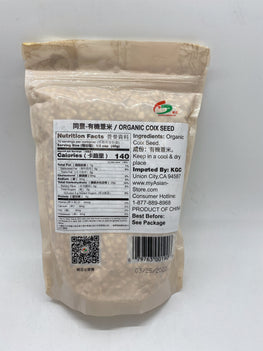
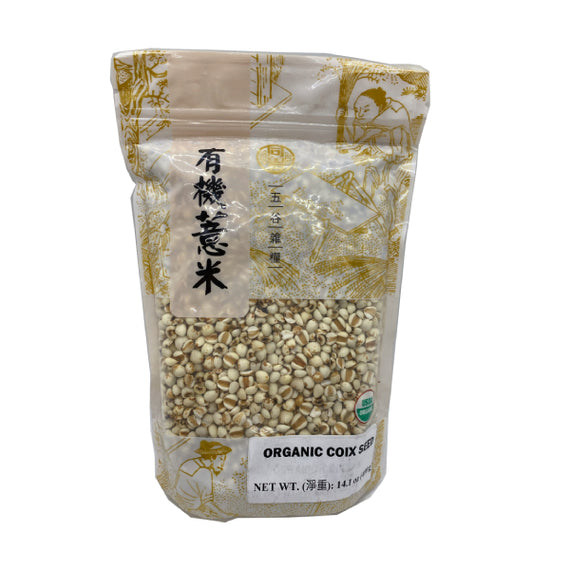
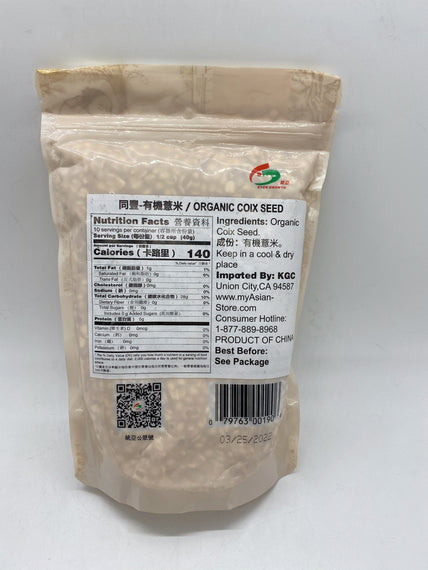
The TCM Perspective: The Premier Dampness-Resolving Herb
In Traditional Chinese Medicine, Yi Yi R...


Beyond Granola: Meet Your New Power Snack - SUNGIVEN Peanut Crunch with Black Sesame
Tired of the...


Contents:4x Red Bean Paste MooncakesNet Weight: 24.7 ozCountry of Origin: China