Product successfully added to your shopping cart



1 Case: BRAND'S® Essence of Ginseng (Case/48 Bottles) 白蘭氏養蔘飲(箱/48瓶)
Regular price
$189.99
Understanding Qi: Your Body's Vital Energy and How to Restore It Naturally Imagine your body has an internal battery that powers everything you do—from thinking and digesting food to fighting off a cold. In Traditional Chinese Medicine (TCM), that battery is called Qi (pronounced "chee") . It's your body's innate energy or...
Understanding Qi: Your Body's Vital Energy and How to Restore It Naturally
Imagine your body has an internal battery that powers everything you do—from thinking and digesting food to fighting off a cold. In Traditional Chinese Medicine (TCM), that battery is called Qi (pronounced "chee") . It's your body's innate energy or "life force" that flows through specific pathways, much like a circulatory system for your vitality .
When your Qi is strong and flowing smoothly, you feel energetic, resilient, and balanced. When it becomes weak or depleted, TCM practitioners call this condition Qi deficiency—a state where your body lacks adequate life force to maintain normal function .
What Exactly Is Qi?
In Western terms, you can think of Qi as the sum of your body's vital life processes. It's the intelligence that maintains homeostasis—your body's ability to regulate its internal environment to stay healthy and balanced .
According to TCM, Qi governs several essential functions:
-
Movement and metabolism - fueling physical activity and cellular processes
-
Digestion and nutrient absorption - transforming food into energy
-
Immunity - defending against external pathogens
-
Mental clarity and focus - powering cognitive function
Several types of Qi exist within the body, each associated with specific organs. Spleen Qi governs digestion and nutrient absorption. Lung Qi controls breath and immune defense. Kidney Qi relates to long-term vitality, growth, and reproduction. When any of these become deficient, distinct but overlapping symptoms can appear .
Signs and Symptoms of Qi Deficiency
How do you know if your internal battery is running low? Qi deficiency can manifest in many ways, affecting your energy, digestion, immunity, and mental state. Based on clinical research in TCM, here are the most common signs to look for :
Qi Deficiency by Organ System
In TCM, identifying which type of Qi is deficient helps tailor treatment more effectively :
-
Spleen Qi Deficiency: Fatigue after eating, bloating, loose stools, heaviness in limbs
-
Lung Qi Deficiency: Shortness of breath, weak voice, frequent colds, spontaneous sweating
-
Kidney Qi Deficiency: Low back pain, frequent urination, tinnitus, reduced libido
-
Heart Qi Deficiency: Palpitations, anxiety, poor memory, fatigue with mental effort
What Causes Qi Deficiency?
Several lifestyle factors can drain your Qi reserves :
-
Overwork - both physical and mental, without adequate recovery time
-
Chronic stress - leading to burnout and depleted energy
-
Poor diet - processed foods, irregular meals, or eating while stressed
-
Insufficient sleep - irregular schedules or poor-quality rest
-
Emotional strain - worry, grief, and fear can deplete specific organ systems
-
Frequent illness - slow recovery from infections drains energy reserves
Think of Qi deficiency as being "burned out"—a condition that can cause the symptoms associated with chronic stress and fatigue .
How Traditional Chinese Medicine Restores Qi
TCM doesn't treat Qi deficiency with a one-size-fits-all solution. Instead, it focuses on rebuilding energy at the root level through several approaches :
Acupuncture stimulates key meridian points to boost energy, regulate organ function, and improve circulation. Points like ST36 (Zusanli) are commonly used to strengthen Spleen Qi .
Chinese herbal medicine plays a central role in rebuilding energy reserves. Formulas are tailored to the individual's specific pattern of deficiency .
Dietary therapy emphasizes warm, cooked, nutrient-dense foods that are easy to digest. Congees, stews, and root vegetables are favored over raw foods that can weaken digestive function .
Gentle movement practices like Qi Gong and Tai Chi help circulate energy without strain, building internal awareness and strengthening the body's ability to heal .
How Brand's® 白蘭氏養蔘饮 Can Help Support Your Qi
This is where ancient TCM wisdom meets modern convenience. Brand's® 養蔘饮 (Yang Shen Yin) is formulated based on a classical TCM principle to directly address Qi deficiency.
The Classical Formula: 生脉饮 (Sheng Mai Yin)
The product draws inspiration from Sheng Mai Yin (literally "Generate Pulse Drink"), a traditional herbal formula historically associated with Emperor Qianlong's wellness practices . In TCM literature, variations of this formula have been used to address patterns of Qi deficiency, with documented applications in supporting vitality and energy .
This masterfully balanced formula features three key ingredients working synergistically:
-
🧑⚕️ Ginseng (人蔘 - Ren Shen): The star of the formula. Ginseng is a powerful adaptogen known for its ability to tonify Qi, boost energy, and help the body resist stress. It contains ginsenosides, active compounds that support vitality and stamina. Think of it as the component that provides the fundamental "fuel" to recharge your battery .
-
💧 Dwarf Lilyturf Root (麥門冬 - Mai Men Dong): Ginseng's energy can sometimes be too "hot" or stimulating for some people. Mai Men Dong is added to moisten and nourish, acting as a cooling counterpart. It helps generate fluids and ensures the energy boost doesn't come with heat or irritability—effectively "balancing" the formula .
-
🌳 Schisandra Berry (五味子 - Wu Wei Zi): This unique berry's name means "five-flavor fruit." In this formula, it serves a crucial role: helping to preserve and consolidate Qi. Think of it as the component that helps your body hold on to the energy Ginseng provides, preventing it from leaking out .
Together, this trio creates what TCM describes as "三效互補互生"—"three effects that complement and generate each other" :
-
Ginseng boosts the Qi
-
Mai Men Dong balances the energy and prevents overheating
-
Wu Wei Zi preserves the Qi, helping the body retain what it gains
This is why Brand's describes their formula as helping "補氣固氣" (tonify and secure the Qi), supporting both the generation and retention of vital energy .
Who Can Benefit from Brand's 養蔘饮?
Brand's 養蔘饮 is designed for modern, fast-paced lifestyles. It's a convenient, ready-to-drink option for anyone experiencing the symptoms of Qi deficiency :
-
Busy professionals needing to recharge during demanding workdays
-
Students requiring focus and mental clarity during study sessions
-
Anyone combating fatigue from熬夜 (staying up late) or long travel
-
Those recovering from periods of high stress or insufficient rest
-
Daily wellness maintenance to support your body's natural resilience
The product contains zero fat and zero cholesterol, making it an easy addition to your daily routine .
Practical Usage Information
-
Recommended intake: One bottle daily, either at room temperature, chilled, or warmed
-
When to take: Before or after meals, according to personal preference
-
Important note: Due to the ginseng content, this product is not recommended during pregnancy
Addressing Common Concerns
"Doesn't ginseng cause overheating?"
This is a common question, and it's precisely why the formula includes Mai Men Dong. The cooling properties of Dwarf Lilyturf Root help balance ginseng's warming nature, addressing concerns about heat or irritability that some people experience with plain ginseng products .
"How is this different from other ginseng products?"
Most single-ingredient ginseng products only provide the "boost" component. Brand's 養蔘饮 offers a comprehensive approach: Ginseng to boost, Mai Men Dong to balance, and Wu Wei Zi to preserve. This synergistic combination aims to provide more complete and sustainable energy support .
Lifestyle Practices to Support Your Qi
While products like Brand's 養蔘饮 can help replenish Qi, lasting energy comes from daily habits. TCM emphasizes the importance of both "energy deposits" and avoiding "energy withdrawals" :
Energy Deposits (Support Qi):
-
Eating proper, nutrient-rich meals at regular times
-
Maintaining strong digestion with warm, cooked foods
-
Getting adequate, restorative sleep (7-9 hours)
-
Taking breaks throughout the day
-
Practicing deep, slow breathing
-
Engaging in gentle exercise like walking, yoga, or Qi Gong
Energy Withdrawals (Drain Qi):
-
Consuming poor or processed nutrition
-
Eating irregularly or while stressed
-
Sleeping poorly or insufficiently
-
Overworking without recovery time
-
Shallow, rapid breathing patterns
Qi-Nourishing Foods
According to TCM, certain foods particularly support healthy Qi :
-
Root vegetables: sweet potatoes, carrots, taro
-
Whole grains: rice, oats, quinoa
-
Legumes: lentils, adzuki beans
-
Warming proteins: bone broth, chicken, moderate amounts of beef
-
Gentle spices: ginger, cinnamon, nutmeg to support circulation
Foods to minimize include refined sugar, processed foods, excessive dairy, and cold or raw foods that can weaken digestive function .
When to Seek Support
Recognizing that your body may be Qi deficient is an important first step. While TCM offers valuable tools for understanding and addressing energy patterns, it's also wise to consult with healthcare providers who can rule out underlying medical conditions that may be causing your symptoms .
Working with a qualified TCM practitioner can provide personalized guidance on acupuncture, herbal support, and dietary recommendations tailored to your specific pattern of imbalance .
Conclusion: Recharging Your Body's Battery
Understanding Qi gives us a helpful framework for thinking about energy—not just as feeling tired or alert, but as a fundamental life force that requires proper nourishment, rest, and care. When Qi becomes deficient, the body sends clear signals: fatigue, weak digestion, lowered immunity, and mental fog.
Traditional Chinese Medicine offers time-tested approaches to restoring balance, including herbal formulas like the one found in Brand's® 養蔘饮. By combining Ginseng's boosting power, Mai Men Dong's balancing coolness, and Wu Wei Zi's preserving action, this classical formula addresses Qi deficiency from multiple angles—helping to build, balance, and maintain your vital energy.
Whether through herbal support, dietary changes, or simply allowing yourself more rest, paying attention to your Qi can help you feel more energized, resilient, and truly balanced in your daily life.
This article is for informational purposes only and is not intended as medical advice. Always consult with a qualified healthcare provider before starting any new health regimen, especially if you are pregnant, nursing, or have existing health conditions.
Net Weight: 8 PACKS * [ 2.0 FL OZ * 6 BOTTLES ]
Bottles Country of Origin: Thailand


ABOUT THIS PRODUCT BRAND'S® Essence of Ginseng is a planted-based ginseng beverage. Modified from traditional Chinese recipe, it is uniquely formulated with two types of ginseng (Asian Ginseng & American Ginseng), Mai Men Dong and Schisandra. Essence of Ginseng is free of fat and cholesterol. This product may be consumed straight from the bottle at room temperature, chilled or warm according to one's preference. Keep in a cool dry place away from direct sunlight for best quality. Consume immediately upon opening.
ABOUT BRAND'S® With over 180 years of history, BRAND'S® Essence of Ginseng is trusted by generations of customers. It is made of quality ginseng and is specially formulated for easy absorption and digestion by the human body. As for the creator of the essence of ginseng, BRAND’S® promises to only serve the best:
Heavily invested in R&D and state-of-art manufacturing facilities
Strict quality control over the manufacturing process – from raw materials to finished products, each bottle of product undergoes at least 185 quality control checkpoints
Highly selective in term of the chicken used in the product
Market leader in the category in Hong Kong, Taiwan, Singapore, and Thailand for many years
All fats and cholesterols are removed; no added preservatives or artificial flavoring
Triple protection cap preserves the freshness of the product
Ingredients: Water, Sugar, Trehalose, Pectin, Schisandra extract, Asian ginseng extract, Ophiopogon extract, American ginseng extract, Trisodium Citrate, Maltodextrin, Malic Acid, Citric Acid, Longan extract, Red Date Extract
Disclaimer: Every effort has been made to ensure the ingredients listed about are accurate. However, consumers with dietary restrictions are reminded to carefully read the actual package before consuming in case of typographical errors or formulation chages by the manufacturer.
Related Products
The Modern Energy Crisis: Why Coffee Isn’t Cutting It Anymore & The Century-Old Secret Making...
5 Ways to Elevate Your Cooking with Brand’s Chicken Essence
Move over, bouillon cubes and powdere...


Beyond the Hype: A Deep Dive into the Medicinal Uses of Cordyceps
Cordyceps, often called the “zo...


The 180-Year-Old Secret to All-Day Energy (That Isn’t Coffee)
You’ve tried the energy drinks. Y...
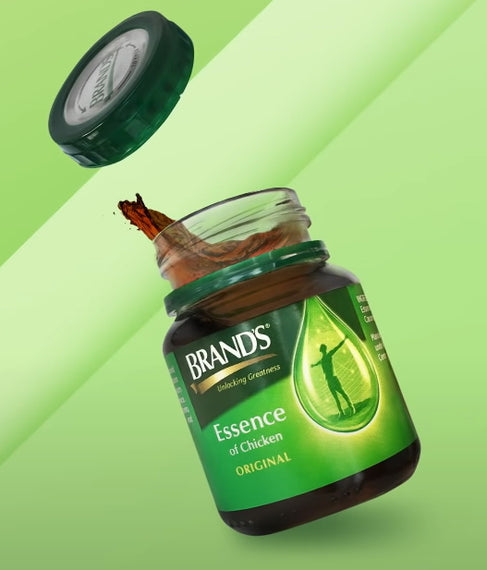
What is Chicken Essence?
It's not a regular chicken stock. It is a pure, concentrated extraction ...
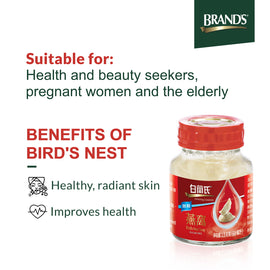
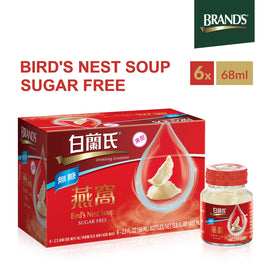
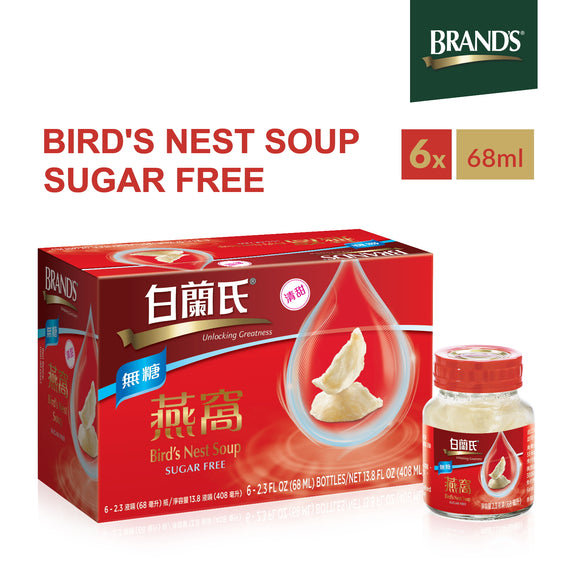
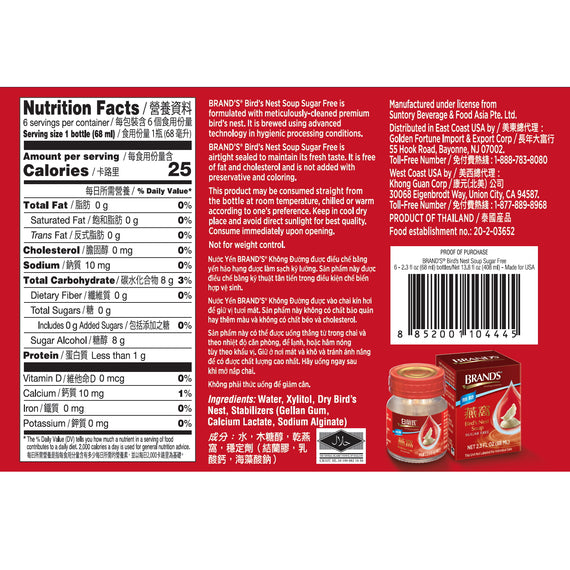
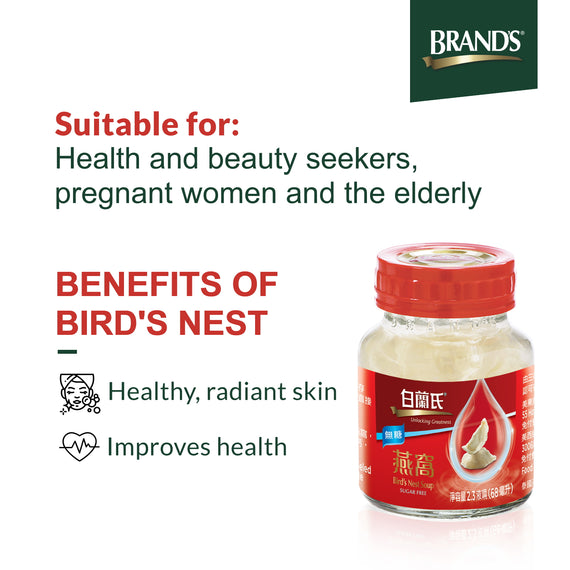
Beyond a Luxury: Brand’s® Sugar-Free Bird's Nest Soup – The Modern Elixir of Radiant Wellness
For...
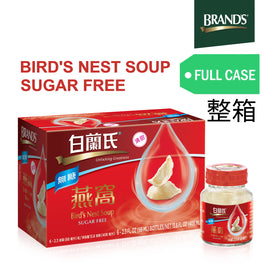
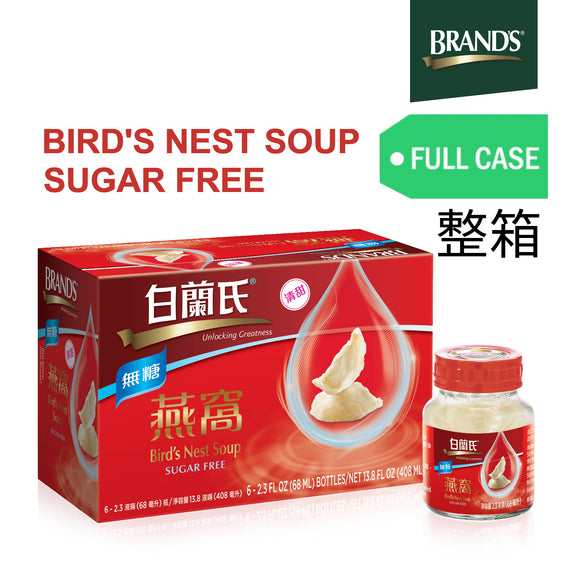
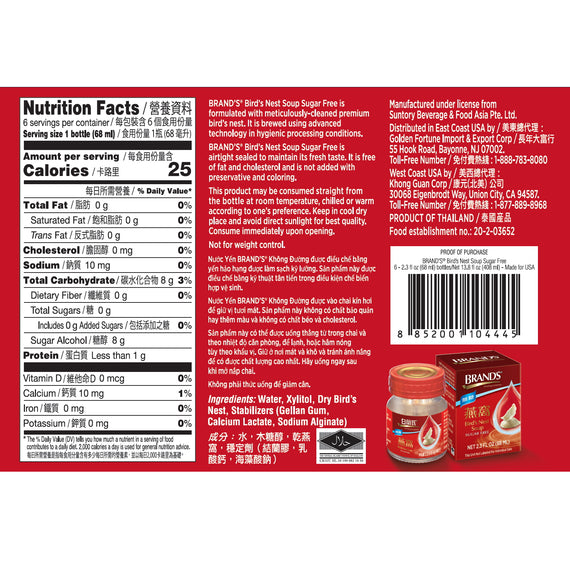
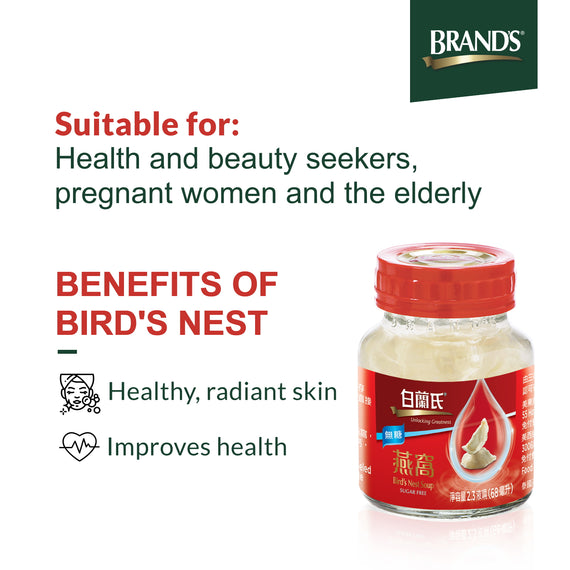
5 Elegant Desserts Reimagined with Brand’s® Sugar-Free Bird's Nest Soup
Think bird's nest soup is...


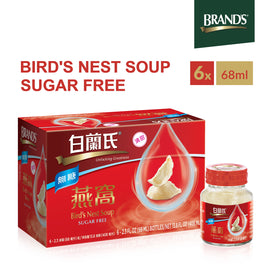
Net Weight: 1 PACK * [ 2.3 FL OZ * 6 BOTTLES ]
Bottles Country of Origin: Thailand
ABOUT THIS...

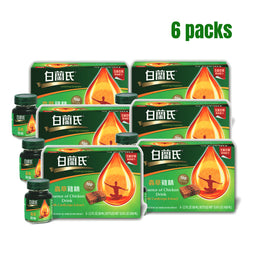
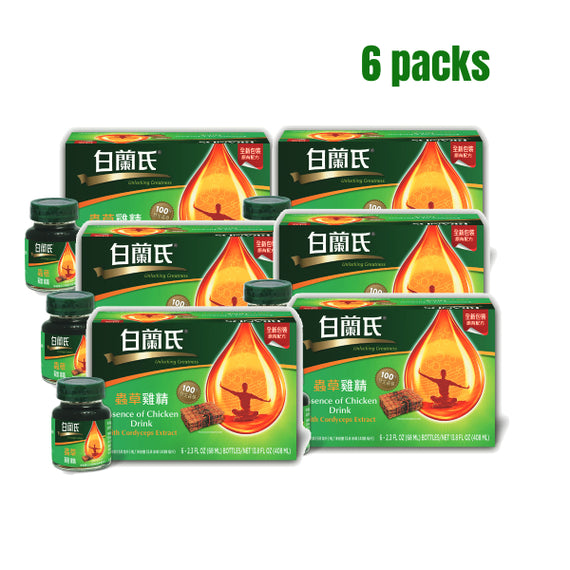
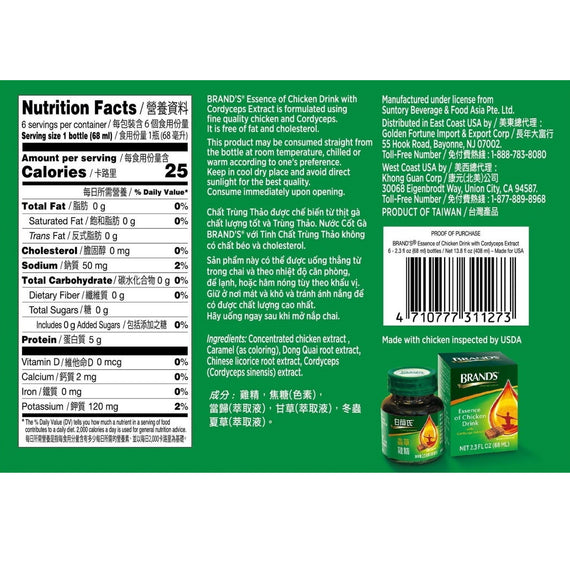

Elevate Your Energy, Naturally: Discover BRAND'S® Essence Of Chicken with Cordyceps
Forget the cr...
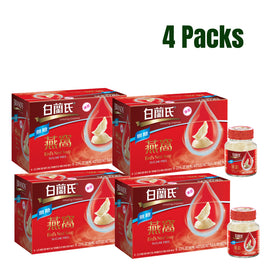
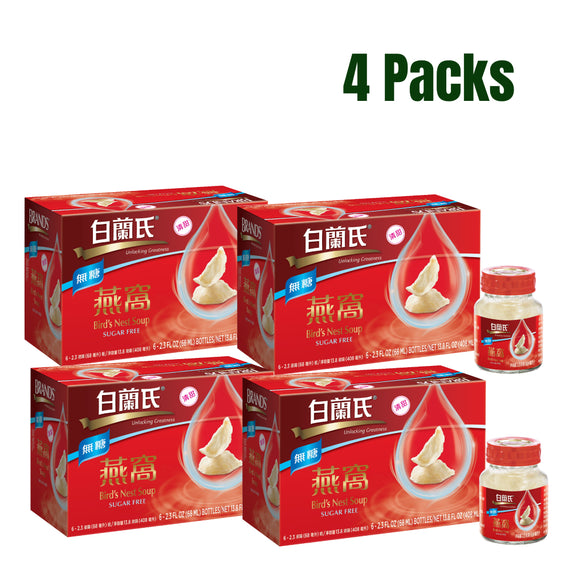
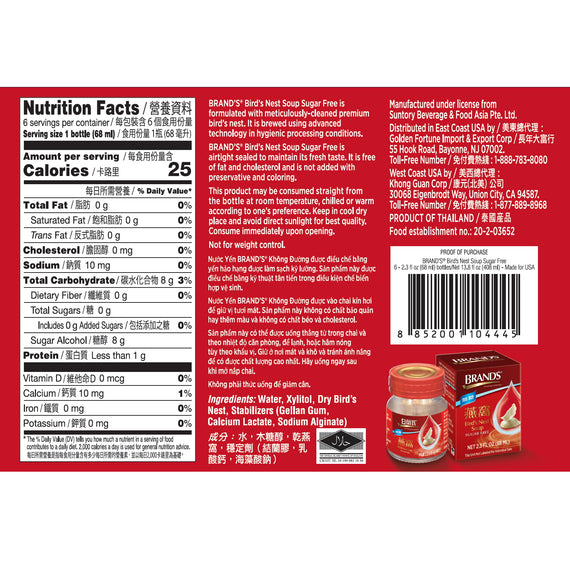
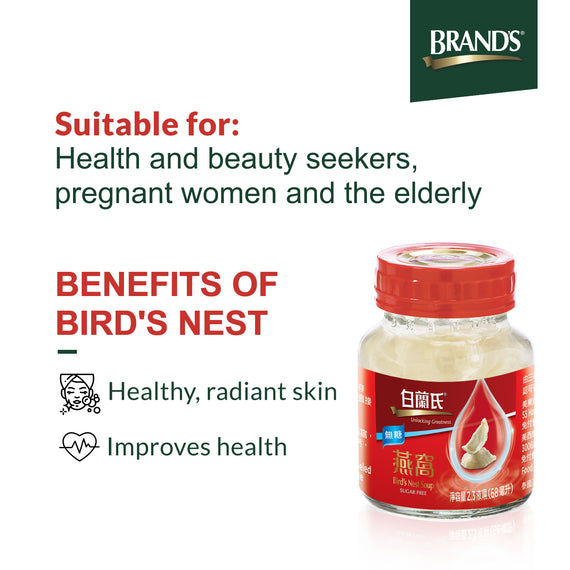
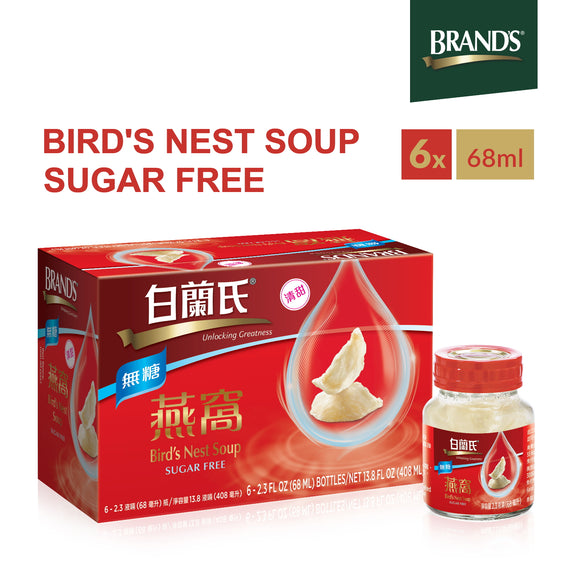


Net Weight: 4 PACKS * [ 2.3 FL OZ * 6 BOTTLES ]
Country of Origin: Thailand