Product successfully added to your shopping cart

SESAME SEED OILS
The Complete Guide to Sesame Oil: How It’s Made and How to Choose the Right One
Sesame oil is one of the oldest condiments known to humanity, used for over 3,000 years. But not all sesame oils are created equal. The difference between a pale, almost invisible bottle and a dark, aromatic one isn’t just color—it’s an entirely different product with a different purpose.
This guide explains exactly how sesame oil is made, the two radically different production methods, and—most importantly—how to choose the right bottle for your cooking.
Part 1: How Sesame Oil Is Made
Sesame oil production follows two distinct paths. One produces a neutral, high-smoke-point cooking oil; the other produces a fragrant, dark seasoning oil. Understanding this split is the key to using it correctly.
Method A: Traditional Roasted Sesame Oil (Asian Style)
Used for: Korean, Chinese, Japanese cooking—flavor-first applications.
This is the oil most people think of when they hear “sesame oil.” It is not for frying; it is for finishing.
Step 1: Cleaning
Raw sesame seeds are sifted to remove stones, twigs, and dust. White, black, or brown seeds can be used, though white seeds are most common for oil.
Step 2: Roasting
This is the defining step. Seeds are roasted in large drums at 180–220°C (350–430°F) . The duration varies:
-
Light roast: 10–15 minutes → golden oil, mild nuttiness.
-
Dark roast: 20–30 minutes → deep brown/black oil, intense smoky aroma.
Roasting transforms the seeds via the Maillard reaction. Amino acids and sugars react, creating hundreds of aromatic compounds—pyrazines, thiazoles, furans. This is what gives toasted sesame oil its distinctive, almost meaty fragrance.
Step 3: Pressing
Hot roasted seeds are fed into an expeller press. Mechanical pressure squeezes out the oil. No solvents are used. The temperature from friction and the retained seed heat can reach 60–80°C, which is still considered “cold pressed” in some definitions, though it’s technically warm.
Step 4: Filtration & Settling
The crude oil contains sediment. It is filtered through mesh or cloth, then rested in tanks to allow fines to settle. Some premium producers skip fine filtration, leaving a little sediment for flavor.
Step 5: Bottling
The oil is bottled without refining. It retains its dark color, strong aroma, and antioxidants (sesamol, sesamin). No preservatives are needed.
Yield: 1 kg of sesame seeds yields approximately 400–500 ml of roasted oil.
Method B: Modern Refined Sesame Oil (Western/Industrial Style)
Used for: High-heat cooking, mayonnaise, “vegetable oil” blends.
This oil is virtually unknown to home cooks as “sesame oil” because it is usually labeled simply as “vegetable oil” or hidden in blends.
Step 1: Cleaning & Hulling
Seeds are cleaned and often dehulled (the outer skin removed) to reduce bitterness and color.
Step 2: Cooking
Seeds are steamed or dry-cooked at mild temperatures (100–120°C). No browning occurs. The goal is to condition the seeds for maximum oil release, not flavor development.
Step 3: Pressing & Solvent Extraction
-
First, seeds are mechanically pressed to extract about half the oil.
-
The remaining pressed cake is broken up and mixed with hexane (a petroleum-derived solvent). Hexane dissolves the residual oil.
-
The solvent-oil mixture is heated; hexane evaporates (and is recycled), leaving crude oil behind.
Step 4: Refining
The crude oil undergoes:
-
Degumming: Water and acid remove phospholipids (gums).
-
Neutralizing: Alkali removes free fatty acids (soap stock is discarded).
-
Bleaching: Clay filters out pigments (carotenoids, chlorophyll). The oil becomes pale yellow or clear.
-
Deodorizing: Steam distillation at high temperature strips away volatile aroma compounds. The oil becomes odorless.
Step 5: Bottling
The result is a neutral, shelf-stable, high-smoke-point oil (210°C+). It tastes like nothing. It is cheap, stable, and often blended with canola or soybean oil.
Summary Comparison
| Feature | Roasted Sesame Oil | Refined Sesame Oil |
|---|---|---|
| Color | Golden amber to dark brown | Pale yellow or clear |
| Aroma | Strong, nutty, smoky | Virtually none |
| Taste | Distinct sesame | Neutral |
| Smoke point | 175–190°C (low) | 210°C+ (high) |
| Processing | Pressed only | Solvent + refining |
| Price | Moderate to high | Low |
| Shelf life | 12–24 months | 24+ months |
| Culinary use | Finishing, marinades, dressings | Frying, sautéing, blending |
Part 2: How to Choose the Right Sesame Oil for You
There is no “best” sesame oil—only the right tool for the job. Here is how to decode labels and match oil to application.
Step 1: Identify the Two Main Categories
Category A: Toasted / Roasted / Dark Sesame Oil
-
Label keywords: “Toasted,” “Roasted,” “Asian style,” “Dark,” “100% pure sesame” (though this is often misused).
-
Appearance: Deep amber, reddish-brown, or almost black.
-
Smell: Powerful, unmistakable.
-
Use: Drop it into soups, drizzle over rice, mix into dipping sauces, marinate meats, finish stir-fries off heat. Never deep-fry with it.
Category B: Refined / Light / White Sesame Oil
-
Label keywords: “Refined,” “Light,” “Pure sesame oil” (often indicates blending), “Vegetable oil” (if sesame is not primary).
-
Appearance: Pale straw or colorless.
-
Smell: Minimal to none.
-
Use: Stir-frying, deep-frying, making mayonnaise, baking—anywhere you want a neutral oil with high heat tolerance.
Step 2: Read the Label—Three Red Flags
1. “Pure Sesame Oil”
In many countries, “pure” legally means unblended. However, unscrupulous brands label refined sesame oil as “pure” even though it lacks the characteristic flavor. Look for “roasted” or “toasted” explicitly on the front.
2. Ingredient List
-
Good: “100% sesame seed oil.”
-
Suspect: “Sesame oil, soybean oil, canola oil.” Blended oils are cheaper and weaker in flavor. They are fine for frying but disappointing as a seasoning.
3. Country of Origin
-
Premium regions: Japan, Korea, Taiwan. These countries have strict grading and often use traditional pressing.
-
Commodity regions: China, India, Africa. Quality varies wildly. Excellent traditional oil is made in China, but so is cheap, diluted export oil. Judge by the specific brand, not origin alone.
Step 3: Match the Oil to the Dish
Use DARK roasted oil for:
-
Korean cuisine: Bibimbap, japchae, namul (seasoned vegetables).
-
Chinese cuisine: Hainanese chicken rice, wonton soup, scallion pancakes.
-
Japanese cuisine: Chawanmushi, ramen (a few drops).
-
Dressings: Sesame vinaigrette, sesame mayo.
-
Cold appetizers: Tofu salads, cucumber salads.
-
Finishing touch: Drizzle over roasted vegetables, eggs, rice bowls.
Use LIGHT refined oil for:
-
High-heat wok cooking: Stir-fried greens, fried rice (if you don’t want the smoky sesame flavor to dominate).
-
Deep-frying: Tempura, spring rolls (light oil does not burn or leave residue).
-
Baking: Muffins, cakes, pie crusts (neutral flavor).
-
Massage oils, soap making, cosmetics: Unscented base.
Use BOTH in one dish:
Professional chefs often use refined sesame oil for cooking and a tiny splash of roasted oil at the end. This gives you the texture benefit of a high-smoke-point oil plus the aroma of toasted sesame without bitterness.
Step 4: Identify Quality in Roasted Oil
Not all dark oils are equal. Here is how to spot premium roasted sesame oil:
1. Color
High-quality roasted oil should be translucent, not opaque. If it looks muddy or overly cloudy, it may be unfiltered (which some prefer) or poorly stored. Reddish-brown is ideal; pitch black often means over-roasting (burnt, bitter).
2. Aroma
It should smell sweet, nutty, and slightly smoky. If it smells acrid, metallic, or like burnt popcorn, it is old or scorched.
3. Taste
Put a drop on your tongue. Good oil is smooth, rich, and lingers pleasantly. Bad oil tastes sharp, bitter, or greasy.
4. Price
Sesame seeds are expensive. A 200 ml bottle of authentic roasted sesame oil should cost significantly more than the same volume of canola oil. If it’s cheap, it’s either refined or diluted.
Step 5: Storage—Oil Is Alive (Especially the Good Stuff)
Toasted sesame oil contains natural waxes and sediments. It is perishable.
-
Store in a cool, dark cabinet. Never above the stove—heat accelerates rancidity.
-
Refrigeration is optional. It will turn cloudy and thick (this is normal; it clears at room temperature). Refrigeration extends life but mutes aroma temporarily.
-
Smell before use. If it smells like crayons, old paint, or stale nuts, it has oxidized. Toss it.
-
Shelf life: Unopened, 1–2 years. Opened, best within 6 months.
Refined sesame oil is extremely stable. Store at room temperature away from light. It lasts years.
Part 3: Quick Decision Chart
| You want to… | Choose this oil… | Why |
|---|---|---|
| Drizzle over cold tofu | Dark roasted | Flavor is the point |
| Stir-fry vegetables at high heat | Light refined | Won’t burn or smoke |
| Make Korean barbecue marinade | Dark roasted | Essential aroma |
| Deep-fry chicken wings | Light refined (or peanut/canola) | Economical, neutral |
| Make a sesame vinaigrette | Dark roasted | Emulsifies flavor |
| Bake a neutral-flavored cake | Light refined | Won’t taste like sesame |
| Add a final flourish to ramen | Dark roasted | A few drops transform broth |
| Pan-fry fish | Light refined | Delicate flavor stays delicate |
Part 4: Frequently Asked Questions
Q: Can I fry with dark sesame oil?
Technically yes, but it’s wasteful and often unpleasant. The low smoke point (175–190°C) means it burns quickly, turning bitter and acrid. Use light oil for cooking; add dark oil at the end.
Q: What is “Sesame Oil” vs. “Sesame Seed Oil” on labels?
In many regions, these terms are interchangeable. However, “Sesame Oil” often implies the roasted version in Asian grocery stores, while “Sesame Seed Oil” is more likely to be the refined version in health food stores. Read the fine print.
Q: Is black sesame oil different?
Black sesame oil is made from black sesame seeds, roasted and pressed. It has a slightly more earthy, less sweet flavor than white seed oil. Nutritionally similar. Use it the same way.
Q: What is the difference between Korean and Japanese sesame oil?
-
Korean: Almost always deep-roasted, very dark, robust, slightly bitter edge. Meant to stand out in bold dishes.
-
Japanese: Generally lighter-roasted, more delicate, sweeter, cleaner. Meant to complement without overwhelming.
Both are toasted oils; the roast level varies by brand.
Q: My sesame oil has sediment at the bottom. Is it bad?
No. This is natural wax and protein residue from pressing. Unfiltered oils often have this. Shake well before use. It is a sign of minimal processing, not spoilage.
Conclusion: You Need Two Bottles
If you cook Asian food with any regularity, you need two different sesame oils:
-
A large bottle of affordable, refined sesame oil (or a blend) for everyday frying and stir-frying.
-
A small, high-quality bottle of dark, roasted sesame oil for finishing, marinades, and dipping.
The first one is a workhorse. The second one is liquid gold—use it sparingly, store it carefully, and never let it touch a hot wok.
Now you know exactly what to look for on the shelf, and how to make it yourself if you ever want to press your own seeds.
Beyond the Stir-Fry: 5 Surprising Ways to Unleash Sesame Oil in Your Kitchen For many home cooks, a bottle of toasted sesame oil sits in...
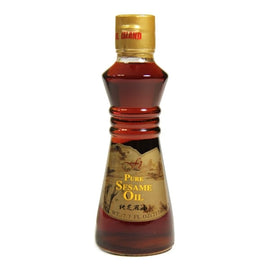
Net Weight: 7.3 FL OZ / 217 mLCountry of Origin: Taiwan 100% Pure Sesame All natural No additives Adds delicious flavor to your cooking Plant...
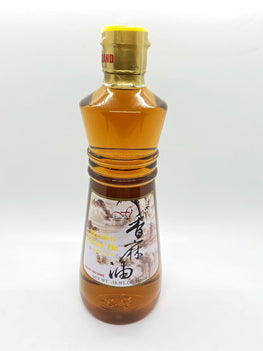
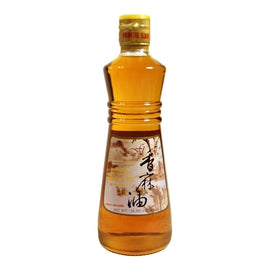
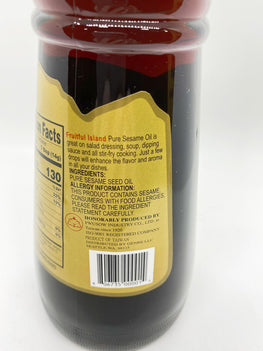
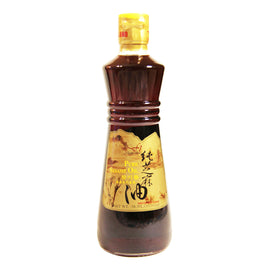
2 bottles maximum for each order. 每單限購2瓶哦。 Net Weight: 18.3 FL OZ / 543 mL Country of Origin: Taiwan 純天然、無香精增添料理風味通過ISO 22000、ISO 9001、HACCP國際品保制度認證古法傳承、濃郁香醇 pecially blended with...
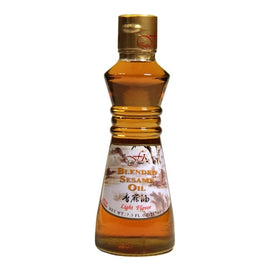
2 bottles maximum for each order. 每單限購2瓶哦。 Net Weight: 7.3 FL OZ / 217 mL Country of Origin: Taiwan 純天然、無香精增添料理風味通過ISO 22000、ISO 9001、HACCP國際品保制度認證古法傳承、濃郁香醇 Specially blended with Soybean...