Product successfully added to your shopping cart

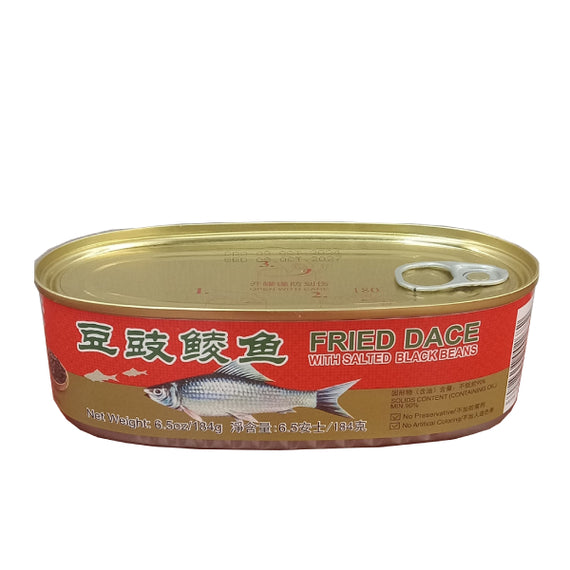
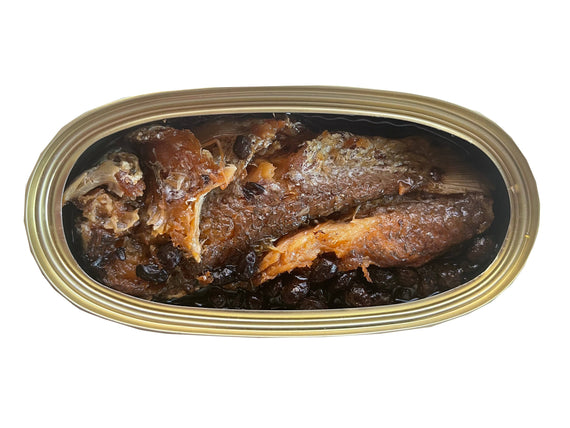

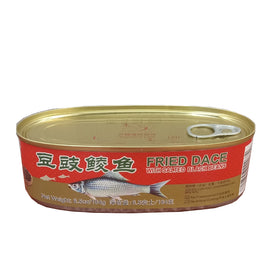
YUPIN FRIED DACE WITH BLACK BEANS 御品 豆豉鯪魚
Regular price
$4.99
Yupin Fried Dace with Black Beans (御品 豆豉鰪魚) – 184gThe Cantonese kitchen's most essential pantry staple — in a single can. Yupin Fried Dace with Black Beans (豆豉鰪魚) is the classic canned fish that generations of Chinese households have relied on: whole fried dace (a small freshwater carp from Southern...
Yupin Fried Dace with Black Beans (御品 豆豉鰪魚) – 184g
The Cantonese kitchen's most essential pantry staple — in a single can. Yupin Fried Dace with Black Beans (豆豉鰪魚) is the classic canned fish that generations of Chinese households have relied on: whole fried dace (a small freshwater carp from Southern China) preserved with deeply savory fermented black beans (豆豉 dòuchī). Yupin's version stands out with whole fish (not fragments), remarkably moist and tender texture, and noticeably less salty than traditional versions — letting the umami of the fish and black beans shine through.
Product Details
- Net Weight: 184g
- Country of Origin: China
- Brand: Yupin (御品) — distributed by Chinalink International Enterprises Ltd.
What Makes Yupin Different
- 🐟 Whole fish, not fragments: Many brands offer broken pieces — Yupin uses whole, petite dace that retain more moisture and deliver a firmer, meatier texture
- 💧 Moist and tender: Each fish flakes beautifully at the touch of chopsticks, releasing its rich oils exactly when you want them
- 🍯 Less salty, more umami: Reduced salt lets the natural richness of the dace and fermented black beans shine — you can enjoy it straight from the can without reaching for water
- ⚫ Fermented black beans (豆豉): Soft, luxuriously rich, and deeply savory — the unsung hero of every can
How to Use It
💡 Think of it as a condiment, not a main protein — like anchovies or fish sauce in solid form. A spoonful or two flavors an entire bowl of rice or congee. The bones are softened during processing and fully edible, providing calcium.
- 🍚 Rice bowl (豆豉鰪魚飯): The definitive preparation — place fish and black beans over hot steamed rice, let the oils melt in. A complete, deeply satisfying meal in five minutes
- 🍱 Congee topping: A classic Cantonese congee accompaniment — the fish and beans add protein and deep savory flavor to plain jook
- 🥬 Stir-fried greens: Sauté water spinach (ong choy) or Chinese broccoli, flake in dace and black beans with the can oil in the last few minutes — umami-rich oil coats every leaf
- 🍜 Noodles: Stir a small amount into plain noodles or ramen for an instant umami boost
- 🍆 Steamed eggplant or tofu: Mince and use sparingly as a flavor base — transforms simple vegetables into a complete dish
⚠️ New to fried dace? The aroma upon opening is strong and fermented — this is normal and desired. Fans of fish sauce, anchovies, kimchi, or blue cheese tend to love it immediately. Approach with curiosity and use it as a seasoning — it can become a treasured pantry secret.
Note: Contains fish (dace) and soy (fermented black beans). Consumers with dietary restrictions and fish allergies should carefully read the actual package before consuming.
Related Products
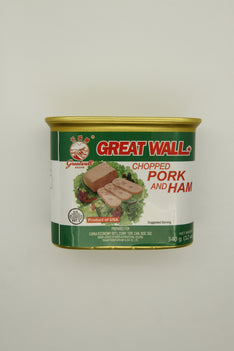
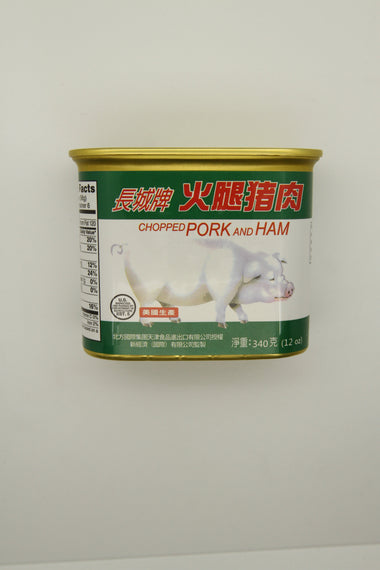
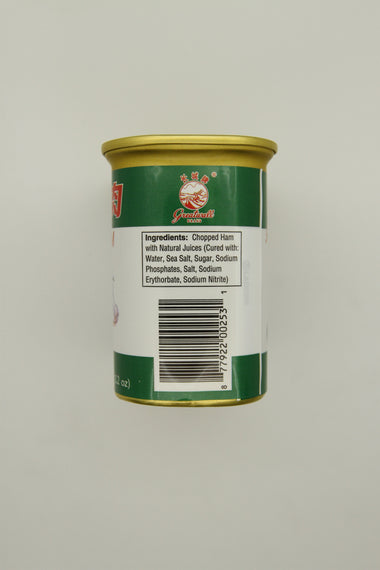
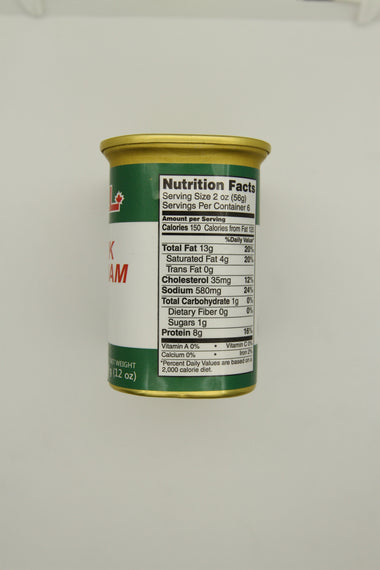
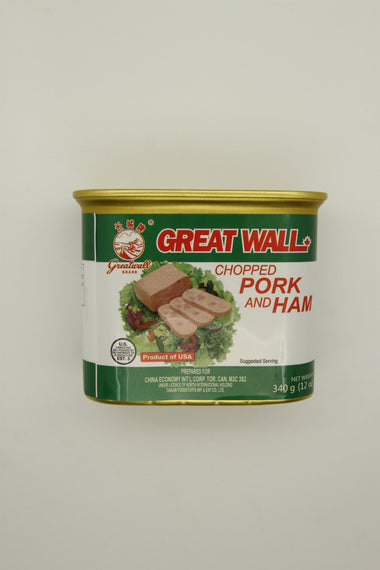
Great Wall Chopped Pork and Ham Loaf 長城牌 火腕豬肉 340g
A convenient canned luncheon meat made for qui...
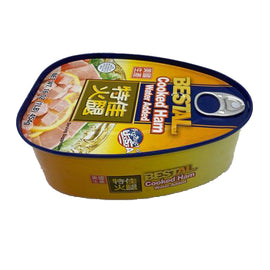
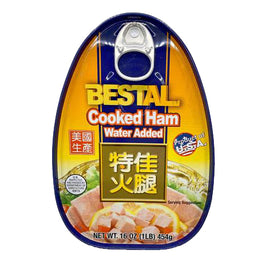
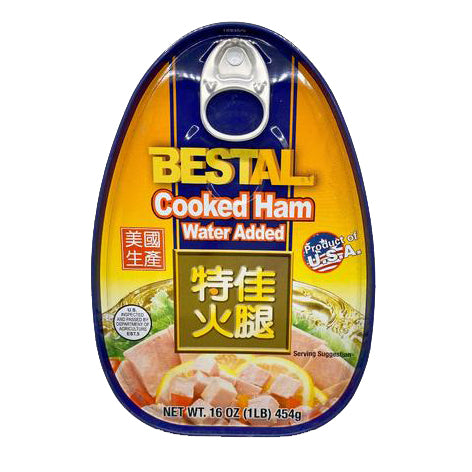

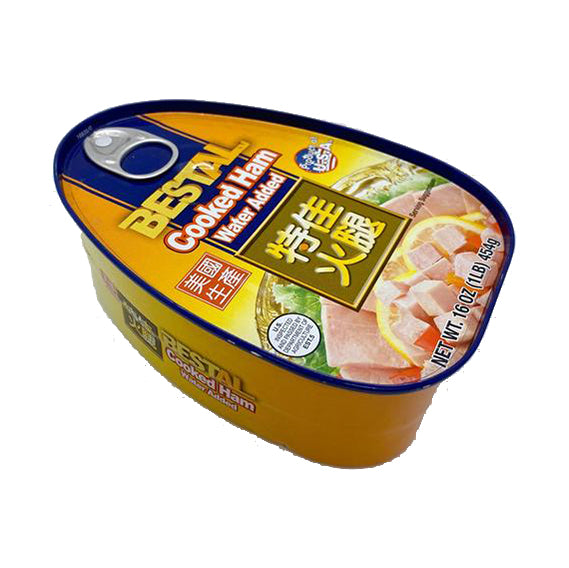
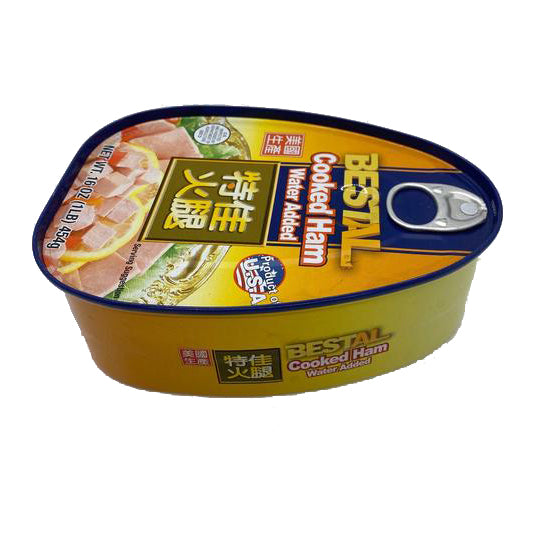
Bestal Cooked Ham 特佳火腕午餐肉 454g
A convenient pantry staple made with quality ham and added water f...

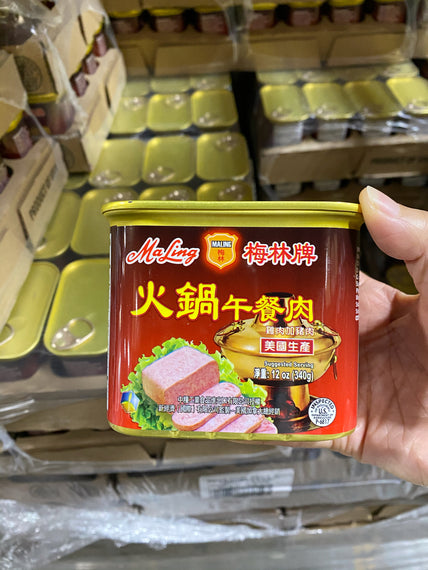
Ma Ling Hot Pot Loaf (Pork & Chicken) — 340gThe classic Chinese canned luncheon meat, purpose...



Yupin Fried Dace with Black Beans (御品 豆豉鰪魚) – 10-Can Case (10 x 184g)Stock up on the Cantonese ki...