Product successfully added to your shopping cart

Candy, Chocolate 糖果巧克力
The Art of Candy Making: A Complete Guide to the Usual Processes
Candy making is one of the most precise forms of cooking. Unlike soups or stews, where a pinch of this or that won't ruin the dish, candy making relies on exact temperatures, specific sugar concentrations, and controlled crystallization. One degree too high and your fudge becomes brittle; one stir too many and your fondant turns to rock.
This guide breaks down the usual processes behind all candies, from hard lollipops to creamy caramels, explaining the science and the steps so you can understand—and master—any recipe.
Part 1: The Fundamental Principle—Sugar, Water, and Heat
Every candy begins with the same basic ingredients: sugar (sucrose) and water. What happens next determines the final texture.
The Science in One Paragraph:
When sugar dissolves in water and is heated, the water evaporates. The remaining sugar becomes more and more concentrated. The final temperature the syrup reaches directly corresponds to the percentage of water left. More water = softer candy. Less water = harder candy. This is why candy thermometers exist.
The Stages of Sugar (The "Cold Water Test"):
| Stage | Temperature | Sugar Concentration | Behavior in Cold Water |
|---|---|---|---|
| Thread | 106–112°C (223–234°F) | 80% | Forms a thin, syrupy thread |
| Soft Ball | 112–116°C (234–241°F) | 85% | Forms a soft, pliable ball |
| Firm Ball | 118–121°C (244–250°F) | 87% | Forms a firm but deformable ball |
| Hard Ball | 121–130°C (250–266°F) | 92% | Forms a rigid, sticky ball |
| Soft Crack | 132–143°C (270–290°F) | 95% | Forms firm threads that bend slightly |
| Hard Crack | 146–154°C (295–310°F) | 99% | Forms brittle, rigid threads |
| Caramel | 160–177°C (320–350°F) | 100% | Liquid turns amber to dark brown |
Every candy is defined by which stage you stop at.
Part 2: The Two Main Families of Candy
All candies fall into one of two categories based on what you do with the syrup after it reaches temperature.
Family A: Crystalline Candies
Smooth, creamy, small sugar crystals
-
Examples: Fudge, fondant, penuche, marshmallow, divinity, rock candy
-
Goal: Create millions of tiny sugar crystals so the candy feels smooth, not gritty.
-
Enemy: Large, coarse crystals.
The Process for Crystalline Candies:
-
Cook the syrup to the correct stage (usually soft or firm ball).
-
Cool the syrup undisturbed to a specific temperature (usually 40–50°C / 110–120°F). Do not stir during cooling.
-
Agitate (beat, stir, or knead) vigorously. This triggers crystallization. The goal is to form many small crystals simultaneously.
-
Pour/Set before the mixture hardens.
Key Technique: "Seeding"
Some recipes add a small piece of pre-made candy (or powdered sugar) to the cooled syrup. These act as "seeds" around which crystals form, ensuring they remain small and uniform.
Family B: Non-Crystalline (Amorphous) Candies
Clear, glassy, chewy, or hard
-
Examples: Lollipops, hard candies, toffee, butterscotch, caramels, brittles
-
Goal: Prevent any sugar crystals from forming. Keep the sugar in a glassy, disordered state.
-
Enemy: Any crystal at all (makes the candy grainy and opaque).
The Process for Non-Crystalline Candies:
-
Cook the syrup to a much higher temperature (hard crack or caramel stage).
-
Add "interfering agents" (see below) to block crystallization.
-
Do not agitate. Never stir once the syrup is boiling, except to ensure even heating.
-
Pour immediately and let cool. The rapid setting traps the sugar molecules in a disorganized, glass-like state.
Key Technique: Interfering Agents
To prevent crystals, you add ingredients that physically get in the way:
-
Acid (cream of tartar, lemon juice, vinegar): Inverts sucrose into glucose and fructose, which resist crystallizing.
-
Corn syrup / Glucose syrup: Already a non-crystallizing sugar; its large molecules disrupt sucrose crystal formation.
-
Fat (butter, cream): Coats sugar molecules and prevents them from linking up.
-
Protein (egg whites, milk solids): Similar interference effect.
Part 3: The Usual Process—Step by Step
Regardless of the candy, the usual process follows this sequence:
Step 1: Dissolution
Combine sugar, water, and often corn syrup in a heavy-bottomed saucepan. Stir gently over low heat until the sugar completely dissolves. No sugar crystals should remain on the sides of the pan. Use a wet pastry brush to wash down any stray granules. One undissolved crystal can seed an entire batch.
Step 2: Boiling
Bring the syrup to a boil. Stop stirring. Attach a candy thermometer. Let it boil rapidly. The water evaporates, and the temperature rises.
Step 3: Interference (if needed)
For non-crystalline candies, add butter, cream, or acid at specific points. For caramels, cream is added near the end. For hard candy, acid is added just before pouring (heat destroys acid over time).
Step 4: Target Temperature
Watch the thermometer like a hawk. Remove from heat immediately at the correct temperature. Residual heat will carry the temperature up another degree or two.
Step 5: Cooling or Pouring
-
For non-crystalline candy: Pour immediately onto a slab, into molds, or onto a baking sheet. Do not scrape the pan; the last bit is often slightly crystallized.
-
For crystalline candy: Remove from heat. Let cool, undisturbed, to the specified temperature. Then beat.
Step 6: Setting
Allow the candy to cool completely and solidify. Do not move or disturb it during this phase.
Part 4: Specific Candy Processes
Here is how the usual process applies to specific candies.
1. Hard Candy / Lollipops
-
Category: Non-crystalline
-
Target temp: 149–154°C (300–310°F) – Hard crack
-
Process:
-
Dissolve sugar, water, corn syrup.
-
Boil without stirring to hard crack.
-
Remove from heat. Add color, flavor, and acid (citric acid) immediately; stir quickly but gently.
-
Pour into molds or onto a silicone mat.
-
-
Key challenge: Working fast. It sets in minutes. If it hardens in the pan, reheat gently with a touch of water.
2. Caramels
-
Category: Non-crystalline
-
Target temp: 118–122°C (245–252°F) – Firm ball
-
Process:
-
Cook sugar, corn syrup, and milk/cream together. (Unlike hard candy, you stir frequently to prevent dairy from scorching).
-
Add butter and salt.
-
Cook to firm ball. The color should be golden amber.
-
Pour into a lined pan. Cool completely before cutting.
-
-
Key challenge: Scorching. Use a heavy pot and stir constantly once dairy is added.
3. Fudge
-
Category: Crystalline
-
Target temp: 112–116°C (234–241°F) – Soft ball
-
Process:
-
Cook sugar, milk/cream, butter, and chocolate (if making chocolate fudge) to soft ball.
-
Cool undisturbed to 43–46°C (110–115°F). Do not stir. Do not bump the pan.
-
Add vanilla. Beat vigorously with a wooden spoon or mixer until the fudge thickens, loses its gloss, and begins to set.
-
Pour into a pan immediately. It will set smooth and creamy.
-
-
Key challenge: Patience. If you beat too early (syrup too hot), you get large, gritty crystals. If you wait too long, it sets in the pan.
4. Marshmallows
-
Category: Crystalline (aerated)
-
Target temp: 112–115°C (234–240°F) – Soft ball
-
Process:
-
Cook sugar, corn syrup, water to soft ball.
-
Meanwhile, begin whipping gelatin and water in a stand mixer.
-
Slowly pour the hot syrup into the whipping gelatin.
-
Whip on high speed until tripled in volume, thick, and lukewarm.
-
Pour into a pan dusted with powdered sugar.
-
-
Key challenge: Syrup temperature. If too cool, it won't incorporate. If too hot, it kills the gelatin.
5. Toffee / Butterscotch
-
Category: Non-crystalline
-
Target temp: 146–154°C (295–310°F) – Hard crack
-
Process:
-
Cook butter and sugar together (no water needed; butter provides the liquid).
-
Boil until amber and hard crack.
-
Pour onto a sheet, top with chocolate and nuts.
-
-
Key challenge: Butter burns easily. Watch carefully.
6. Nougat
-
Category: Crystalline (sometimes aerated)
-
Target temp: Varies (often hard ball)
-
Process:
-
Cook honey and sugar to hard ball.
-
Pour into whipped egg whites.
-
Beat until stiff and cool.
-
Add nuts, dried fruit.
-
-
Key challenge: Egg whites must be stabilized; syrup must be added in a thin, steady stream.
Part 5: Common Problems and Solutions
| Problem | Cause | Fix |
|---|---|---|
| Grainy / gritty texture | Unwanted crystallization (seeding) | Ensure all sugar dissolves before boiling. Wash down pan sides. Add corn syrup or acid. Do not stir during boiling. |
| Sticky candy that won't set | Did not cook to high enough temperature | Reheat with a little water to dissolve, then cook to correct temp. Humidity can also cause sticky candy; work on dry days. |
| Candy is too hard / brittle | Cooked too long / temperature too high | Next batch, pull off heat 1–2°F earlier. |
| Sugar crystallized on sides of pan | Splashed sugar dried and seeded the batch | Use a pastry brush dipped in water to wash sides down during first few minutes of boiling. |
| Fudge is oily / greasy | Over-beaten; butter separated | Beat just until emulsion forms; stop immediately. |
| Caramel is grainy | Sugar crystallized; or cream added too quickly | Add cream in a slow stream while stirring constantly. Ensure sugar fully dissolved before boiling. |
| Hard candy is cloudy, not clear | Moisture absorbed from air; or premature crystallization | Work quickly in low humidity. Store in airtight container with silica gel. |
Part 6: Essential Tools for Candy Making
You do not need much, but these three items are non-negotiable:
-
Accurate candy thermometer
-
Digital thermometers with a clip are best.
-
Analog thermometers should be tested in boiling water (100°C / 212°F at sea level) before each use.
-
-
Heavy-bottomed saucepan
-
Even heat distribution prevents hot spots that cause burning or uneven cooking.
-
Copper, stainless steel clad, or heavy aluminum are ideal.
-
-
Silicone spatula and pastry brush
-
Spatula for scraping every last bit of candy.
-
Pastry brush (dedicated, not used for savory) for washing down sugar crystals.
-
Nice to have:
-
Marble slab (for cooling brittles and toffees)
-
Silicone molds
-
Infrared thermometer (spot-check surface temperature)
Part 7: The "Usual Process" Cheat Sheet
| Candy Type | Category | Target Stage | Key Action | Crystallization |
|---|---|---|---|---|
| Lollipops | Non-crystalline | Hard crack | Pour immediately | Prevent |
| Hard candies | Non-crystalline | Hard crack | Pour immediately | Prevent |
| Caramels | Non-crystalline | Firm ball | Stir (dairy) | Prevent |
| Toffee | Non-crystalline | Hard crack | Pour immediately | Prevent |
| Fudge | Crystalline | Soft ball | Cool, then beat | Encourage small |
| Fondant | Crystalline | Soft ball | Cool, then knead | Encourage small |
| Marshmallow | Crystalline | Soft ball | Whip with gelatin | Encourage (aerated) |
| Divinity | Crystalline | Hard ball | Whip with egg whites | Encourage (aerated) |
| Rock candy | Crystalline | Saturated solution | Hang string in syrup | Encourage large |
Conclusion: Candy Making Is Temperature Control
The "art" of candy making is actually precision engineering. The recipes are simple. The ingredients are few. The only variable is heat and time.
If you take one thing from this guide, let it be this: buy a reliable thermometer and learn the stages of sugar. Once you can consistently hit 115°C for fudge and 150°C for hard candy, you are no longer a beginner. You are a candy maker.
Now go boil some sugar.
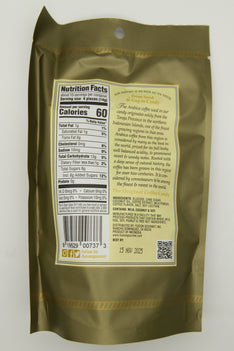
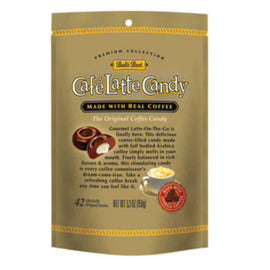
Net Weight: 150g Country of Origin: Indonesia Made with real coffee. The original coffee candy. Gourmet Cafe Latte-on-the-go is here. This delicious center-filled candy made with...
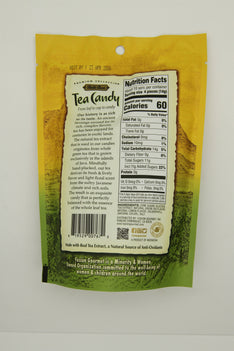
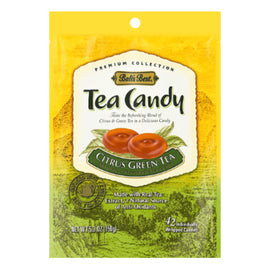
Bali's Best Citrus Green Tea Candy: A Sunlit Burst of Refreshment Imagine the clean, soothing taste of premium green tea, brightened by a splash of...
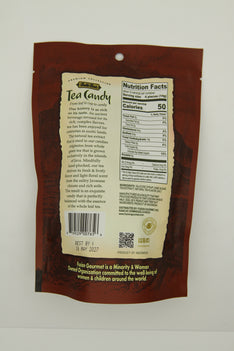
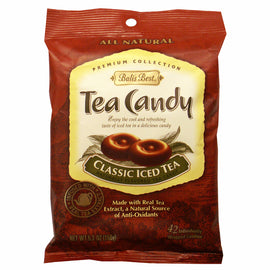
Bali's Best Classic Iced Tea Candy: The Taste of a Sweet Tea Summer, in a Little Wrapper Imagine the most refreshing sip of sweet tea...
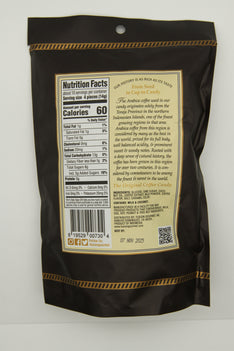
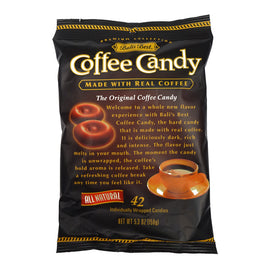
Net Weight: 150g Country of Origin: Indonesia Bali’s Best Coffee Candy is deliciously dark, rich, and intense. Coffee connoisseurs prize the Sumatra coffee we use in...
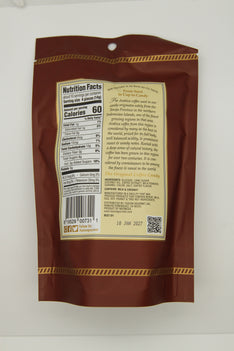
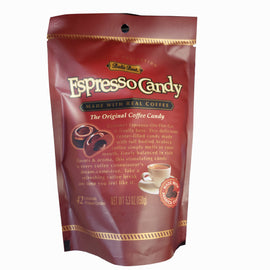
Bali's Best Espresso Candy: The Original Liquid Center Coffee Candy Imagine the perfect espresso shot. Now, imagine capturing that bold, aromatic intensity inside a single,...
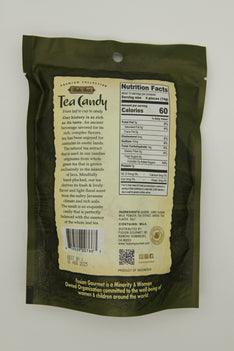
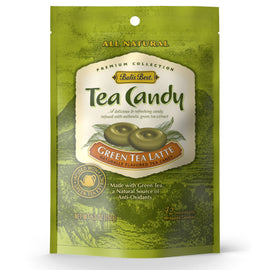
Bali's Best Green Tea Latte Candy: A Creamy Escape in Every Piece Imagine the comforting warmth of your favorite green tea latte—that perfect harmony of...

The Golden Gift: Unwrapping the Meaning Behind Chocolate Coins in Chinese New Year A Dazzling Symbol of Prosperity During the festive weeks surrounding Chinese New...
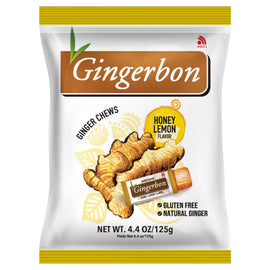
Net Weight: 125gCountry of Origin: Indonesia Gingerbon Candy is produced by PT. Agel Langgeng, one of Indonesia’s biggest confectionery companies. Established in 1991, our family-owned...
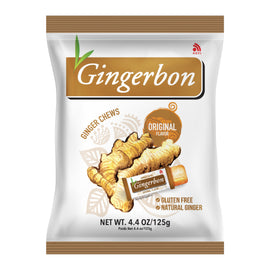
Net Weight: 125gCountry of Origin: Indonesia Gingerbon Candy is produced by PT. Agel Langgeng, one of Indonesia’s biggest confectionery companies. Established in 1991, our family-owned...
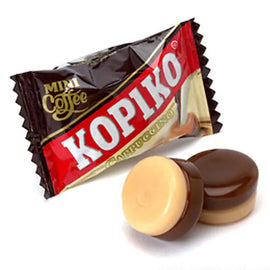
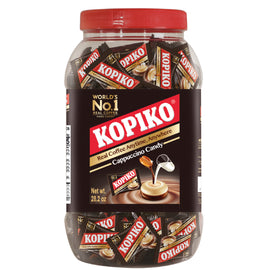
Net Weight: 800g/28.2ozCountry of Origin: Indonesia Kopiko Cappucino Candy is cappucino flavored candy that's great for a convenient burst of energy when you don't feel like...
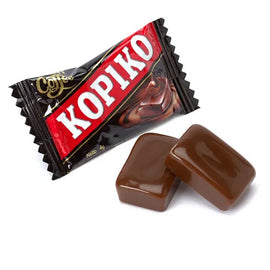
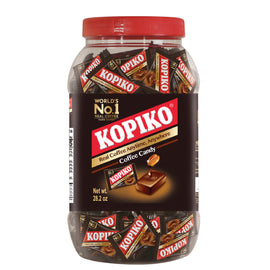
Net Weight: 120g / 4.23 OZCountry of Origin: Indonesia DescriptionKopiko – Your Pocket Coffee, Anytime, Anywhere!Individually wrapped coffee candy to fulfill you coffee crave.Kopiko Coffee...
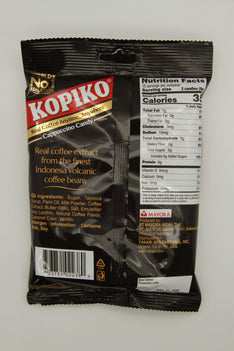
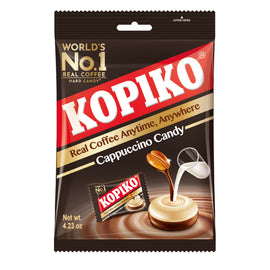
Kopiko Cappuccino Candy: The Coffee Break You Can Carry in Your Pocket Hey America, get ready to have your coffee break revolutionized. You know that...
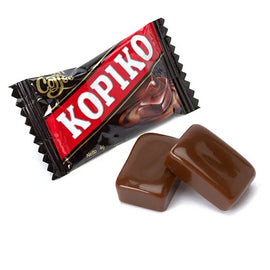
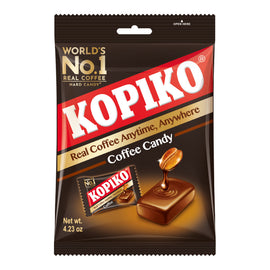
How It Is Made — The Art and Science of Coffee Candy Creation The Foundation: Indonesia's Volcanic Heritage KOPIKO's exceptional quality begins not in a...

Liuh Der Ginger Candy: A Warm, Spicy Hug in a Chewy Wrapper Imagine the invigorating warmth of fresh ginger—that distinctive spicy kick that awakens your...
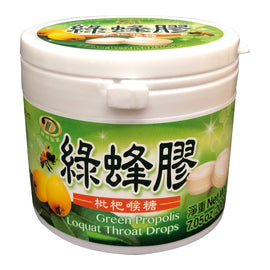
Liuh Der Green Propolis Loquat Throat Drops: Nature's Soothing Embrace for Your Voice Imagine the gentle, comforting sensation of a warm honey and herbal tea...
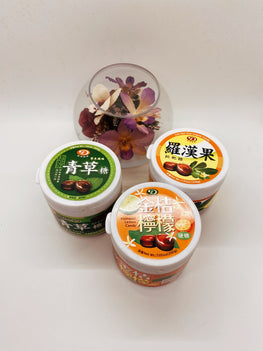
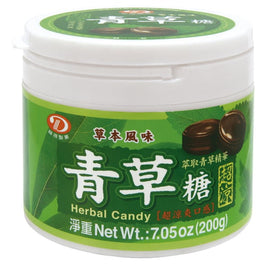
Liuh Der Herbal Candy: Ancient Wisdom in a Modern Treat Imagine the soothing sensation of a fine herbal tea—that gentle, comforting feeling as the warm...
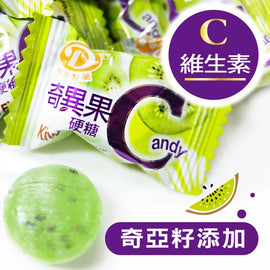
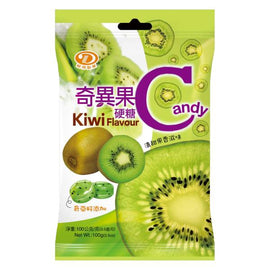
Liuh Der Kiwi Flavour Candy: A Taste of Sunshine from Taiwan Imagine biting into a perfectly ripe kiwi—that delightful burst of sweet-tart juice, the tiny...
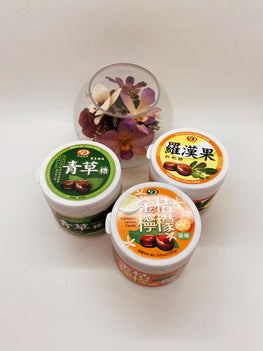
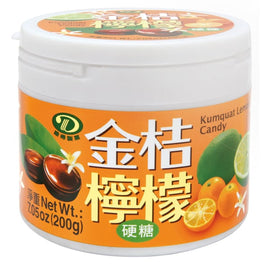
Liuh Der Kumquat Lemon Candy: A Bright, Citrusy Hug for Your Throat Imagine the invigorating zest of fresh lemon meeting the unique, sweet-tart brightness of...
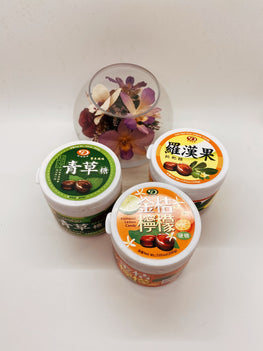
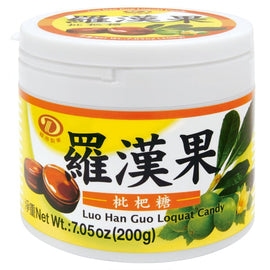
Liuh Der Luo Han Guo Loquat Candy: Ancient Wisdom in a Modern Treat Imagine the soothing sensation of a time-honored herbal tea—that gentle, comforting feeling...
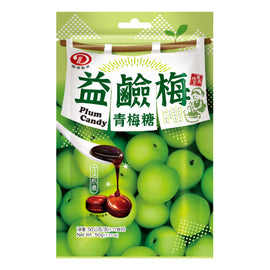
Liuh Der Plum Candy: A Sweet-Tart Taste of Taiwanese Tradition Imagine the complex, mouthwatering flavor of a perfectly ripe plum—sweet, tangy, and with just a...
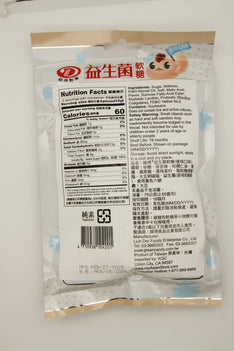
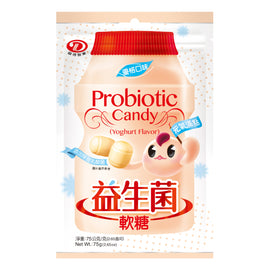
Liuh Der Probiotic Candy (Yoghurt Flavour): Delicious Taste That Does Good Imagine the creamy, tangy delight of your favorite yogurt—that perfect balance of sweet and...
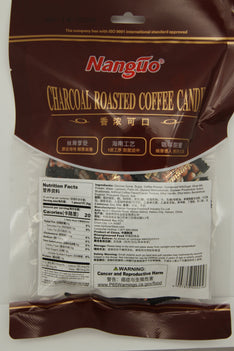
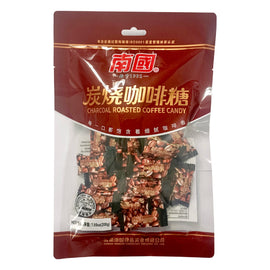
Beyond the Ordinary: Why NANGUO Charcoal Roasted Coffee Candy is Your Next Obsession Coffee candy. It’s a familiar pick-me-up, a nostalgic treat, a quick energy...
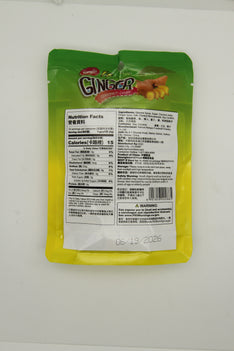
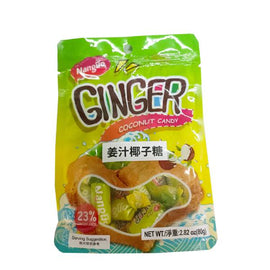
The Perfect Pair: Why Coconut and Ginger Candy is a Match Made in Heaven Imagine unwrapping a piece of candy. You anticipate sweetness, but what...
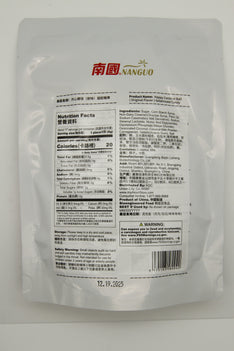
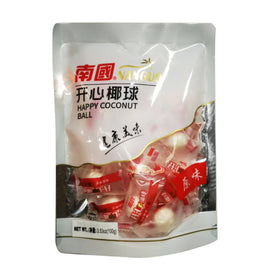
The Happy Coconut Ball: Your One-Bite, Sun-Drenched Escape Forget the heat. Forget the spice. Imagine a candy that doesn’t ignite your senses, but soothes them....
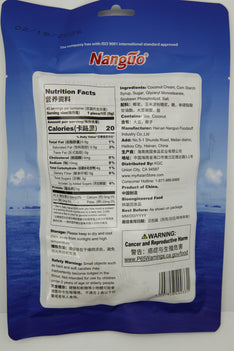
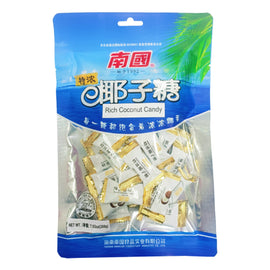
Beyond the Ordinary: Why America is Craving Nanguo Coconut Candy Move over, chocolate bars and fruit chews. A taste of tropical sunshine is captivating American...
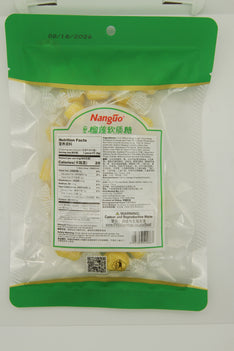
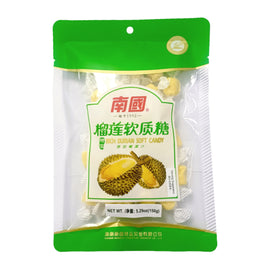
Beyond the Aroma: Why America is Ready to Embrace NANGUO Rich Durian Soft Candy For decades, durian reigned as Asia’s "King of Fruits," a legend...
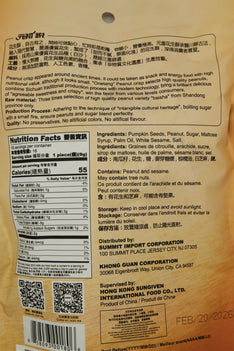
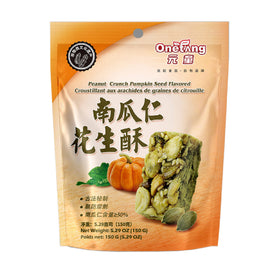
Nourish Your Gut with Ancient Wisdom: The Pumpkin Seed & Peanut Brittle Story In the world of Traditional Chinese Medicine (TCM), true wellness begins within—specifically,...
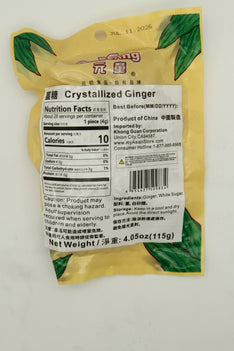
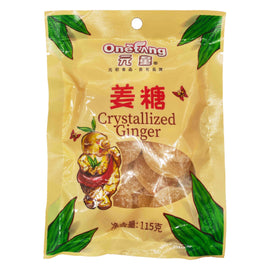
The Enduring Love for Crystallized Ginger: A Story of Fire, Sugar, and Soul Crystallized ginger—known also as candied ginger, sugar ginger, or ginger chews—is more than...


Beyond Granola: Meet Your New Power Snack - SUNGIVEN Peanut Crunch with Black Sesame Tired of the same old granola bar? You reach for it for...