Product successfully added to your shopping cart

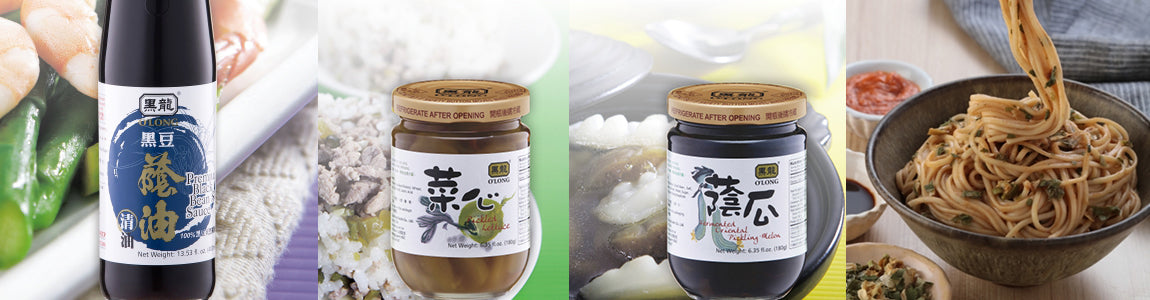
Bean Paste
The Complete Guide to Making Savory Bean Paste at Home
Savory bean paste is the backbone of countless Asian dishes—from the rich, nutty notes of Beijing’s Zha Jiang Mian to the fiery depths of Sichuan Mapo Tofu. While store-bought versions are convenient, making your own allows you to control the salt level, texture, and fermentation intensity, and it connects you to centuries of culinary tradition.
This guide covers four distinct methods ranging from a 30‑minute “emergency” paste to multi‑month traditional ferments. Whether you’re a curious beginner or a fermentation enthusiast, you’ll find a path that suits your time and taste.
What Is Savory Bean Paste?
Unlike sweet red bean paste, savory bean paste is made from legumes (soybeans, fava beans, or even common beans) that are cooked, mashed, and usually fermented with salt, wheat flour, and often chilies. The fermentation develops deep umami, a subtle tang, and complex aromas that no quick substitute can fully replicate.
Common varieties include:
-
Chinese Yellow Bean Paste – mild, salty, earthy; used in noodles, braises, and marinades.
-
Sichuan Doubanjiang – spicy, funky, fermented with chilies and broad beans; essential for Mapo Tofu.
-
Korean Doenjang – robust, soybean‑based paste akin to Japanese miso but stronger; for soups and ssamjang.
-
Quick “Stir‑Fried” Paste – a non‑fermented stand‑in; great when you’re short on time.
Essential Ingredients & Tools
Most recipes share a common core:
| Ingredient | Purpose |
|---|---|
| Legumes | Soybeans, fava beans, or black beans provide body and protein. |
| Salt | Preserves and controls fermentation; 10–15% of water weight for brine. |
| Flour (wheat or rice) | Feeds beneficial mold and thickens the paste. |
| Starter culture | Koji (Aspergillus oryzae), Chinese yeast balls (jiu qu), or even a bit of store‑bought paste. |
| Aromatics (optional) | Garlic, ginger, chilies, Sichuan pepper. |
Basic tools:
-
Large pot or pressure cooker
-
Fermentation vessel (glass jar, clay crock, or food‑grade plastic)
-
Cheesecloth or breathable cover
-
Weights (to keep beans submerged in brine)
Method 1: Quick Stir‑Fried Savory Bean Paste
Ready in 30 minutes • No fermentation required
This is the ideal recipe when you need savory bean paste now. Canned beans and umami‑rich condiments mimic the depth of fermented paste surprisingly well.
Ingredients:
-
1 cup cooked soybeans, fava beans, or navy beans (canned, rinsed)
-
3 tbsp white miso paste or Chinese yellow bean paste (store‑bought)
-
2 tbsp dark soy sauce
-
1 tbsp sugar
-
½ tbsp rice vinegar
-
4 cloves garlic, minced
-
2 tbsp neutral oil
-
¼ cup water
Steps:
-
Mash the beans – Leave some texture; don’t puree completely.
-
Fry the aromatics – Heat oil in a skillet over medium heat. Sauté garlic until fragrant and golden (about 1 minute).
-
Add the beans – Stir in the mashed beans and fry for 3–4 minutes, until they smell nutty and slightly dry.
-
Season – Add miso, soy sauce, sugar, and vinegar. Mix well.
-
Simmer – Pour in water and cook, stirring, until the paste thickens and the oil slightly separates (5–7 minutes).
-
Adjust – Taste and add more salt, sugar, or vinegar as needed.
Use immediately or refrigerate in a sealed jar for up to 2 weeks.
Method 2: Traditional Chinese Yellow Bean Paste
5–7 days fermentation • Authentic, aromatic, moderately easy
This method uses a short koji‑style fermentation to develop true fermented character without months of waiting.
Phase 1 – Making the Koji Beans
Ingredients:
-
500 g dried soybeans
-
2 tbsp all‑purpose wheat flour
-
1 tsp Chinese yeast balls (jiu qu) or koji starter (Aspergillus oryzae)
Steps:
-
Soak – Cover soybeans with water and soak overnight (12–16 hours). Drain.
-
Steam – Steam the beans until tender but not mushy (about 40–60 minutes). They should be soft enough to mash easily but still hold their shape. Spread on a tray and cool to 30–35°C (body temperature).
-
Dust – In a large bowl, toss the cooled beans with flour and the powdered yeast starter until evenly coated.
-
Incubate – Spread the beans on a bamboo tray or a perforated pan lined with cheesecloth. Cover with a clean, damp cloth to maintain humidity. Keep in a dark, warm place (25–30°C) for 2 days. After 24 hours you should see white mold (mycelium) covering the beans. A faint yeasty, nutty smell is normal. If you see black or green mold, discard and start over (see Troubleshooting).
Phase 2 – Brine Fermentation
Ingredients:
-
Mold‑coated beans from Phase 1
-
500 ml water
-
70–100 g salt (to make a 12–15% brine)
Steps:
-
Prepare brine – Dissolve salt in water. Bring to a boil, then cool completely.
-
Combine – Break the bean blocks into individual beans or small clumps. Place them in a sterilized glass jar. Pour in the cooled brine, ensuring beans are fully submerged. Add a weight or a food‑safe plastic bag filled with brine to keep them under the liquid.
-
Ferment – Cover the jar with cheesecloth or a loose lid (to allow gas exchange). Place in a sunny spot or a warm area (25–30°C) for 3–5 days. Stir once daily. The beans will gradually soften and deepen in color to a reddish‑brown. Taste after day 3 – the paste should be savory and slightly tangy.
-
Finish – For a smooth paste, blend the fermented beans with a little brine. For a chunky paste, mash with a fork. Store in the refrigerator.
Method 3: Korean Doenjang‑Style Bean Paste
1–6 months aging • Robust, rustic, requires patience
This is the most forgiving long‑term fermentation. The beans are first dried into hard blocks, then submerged in brine – a traditional method that rarely fails.
Ingredients:
-
1 kg dried soybeans
-
Coarse sea salt (non‑iodized)
-
Optional: 1 dried persimmon leaf or piece of bamboo charcoal (helps prevent surface mold)
Steps:
-
Cook the beans – Soak soybeans overnight. Drain, then boil in fresh water until very soft (about 2 hours). Mash them coarsely with a potato masher or your hands.
-
Form blocks – While still warm, press the mash into dense bricks or patties (about 5 cm thick). Place them on a drying rack in a cool, well‑ventilated area.
-
Dry – Let the blocks dry for 1–3 weeks. They should become hard, dry to the touch, and develop cracks on the surface. This drying phase concentrates flavor and prevents early spoilage.
-
Prepare brine – Make a 10% salt solution (100 g salt per 1 liter water). Boil, then cool completely.
-
Submerge – Place one dried block into a sterilized jar. Pour brine over it until fully covered. Add a weight to keep it submerged. If you have a persimmon leaf or charcoal, place it on top – these inhibit unwanted mold.
-
Age – Cover the jar with a breathable cloth. Store in a cool, dark place (cellar or refrigerator) for 1 to 6 months. The block will gradually soften and disintegrate into a thick paste. The longer it ages, the deeper the flavor.
-
Blend or use as is – Korean doenjang is usually coarse. Scoop out the paste and discard the tough bean hulls that may remain.
Method 4: Spicy Sichuan Doubanjiang (La Doubanjiang)
3 months minimum • Fiery, funky, the pinnacle of fermented bean pastes
This is the legendary paste from Pixian, Sichuan. It requires fava beans (broad beans) and fresh red chilies. True Pixian Doubanjiang is aged for 3 years, but a 3‑month home version is still extraordinary.
Ingredients:
-
500 g dried, skinned fava beans (broad beans) – if only whole favas are available, soak and peel them
-
250 g fresh red chili peppers (Facing Heaven or Fresno), coarsely ground or finely chopped
-
100 g salt
-
50 g wheat flour
-
Optional: 1 tsp Sichuan peppercorns (ground) for extra fragrance
Steps:
Phase 1 – Koji Fermentation
-
Soak & peel – Soak fava beans for 24 hours, then peel off the skins. Drain and pat completely dry.
-
Coat – Mix beans with flour until each bean is dusted.
-
Inoculate – Sprinkle with powdered koji starter or Chinese yeast balls (about 1 tsp). Mix well.
-
Incubate – Spread beans on bamboo trays, cover with cloth, and keep at 25–30°C for 2–3 days until white mycelium covers them.
Phase 2 – Chili & Salt Maturation
-
Mix – Combine the moldy beans with the ground chilies, salt, and Sichuan pepper (if using). Stir thoroughly.
-
Pack – Pack the mixture tightly into a clean clay crock or glass jar. Press down firmly to eliminate air pockets. Smooth the surface and pour a thin layer of neutral oil (about 1 cm) over the top – this seals out airborne contaminants.
-
Age – Cover the jar with cheesecloth or a loose lid. Place in a sunny spot during the day and bring indoors at night. This temperature fluctuation is traditional. Let it mature for at least 3 months. For best results, wait 6–12 months. Stir every week or two during the first month, then leave undisturbed.
Note: Doubanjiang darkens and intensifies over time. If any surface mold appears, simply scrape it off; the paste beneath is safe.
Troubleshooting & Tips for Success
Q: What if I see black, green, or orange mold?
White or greyish mycelium is desirable. Any other colors (black, green, bright orange) indicate contamination. Discard the batch, sterilize your equipment, and try again. Ensure beans are fully submerged in brine and salt concentration is sufficient (at least 10%).
Q: My paste smells like ammonia or rot.
This usually happens when the salt ratio is too low or beans were not fully submerged. Ammonia can sometimes dissipate with stirring and aeration, but if it persists, discard. Always use clean utensils and weights.
Q: The paste is too salty.
Soak it in fresh water for 30 minutes before use, or dilute it in cooking. In future batches, reduce salt slightly – but remember that salt is crucial for preventing harmful bacteria.
Q: Can I use other beans?
Yes! Black beans are traditional for Chinese black bean paste (douchi, then ground). Kidney beans or pinto beans work for quick versions, but for fermentation, soybeans and favas are ideal due to their starch and protein composition.
Q: Do I need special starter cultures?
For true fermented pastes, yes. However, you can “cheat” by adding a tablespoon of store‑bought, live fermented bean paste to your cooked beans and letting them sit at room temperature for 1–2 days. It won’t be identical, but it builds complexity.
How to Use Your Homemade Bean Paste
-
Zha Jiang Mian – Stir‑fry ground pork with Chinese yellow bean paste, a little sweet bean sauce, and water. Toss with thick wheat noodles and cucumber.
-
Mapo Tofu – Use Doubanjiang as the base. Fry it in oil until red and fragrant, then add fermented black beans, ground pork, tofu, and Sichuan pepper.
-
Doenjang Jjigae – Dissolve Korean‑style paste in anchovy stock, add tofu, zucchini, mushrooms, and green onions.
-
Marinades – Mix yellow bean paste with garlic, ginger, soy sauce, and a touch of honey for grilled chicken or pork.
-
Stir‑fried vegetables – A spoonful of quick paste adds instant depth to greens like bok choy or Chinese broccoli.
Storage & Shelf Life
| Type | Storage | Shelf Life |
|---|---|---|
| Quick stir‑fried paste | Refrigerator | 2 weeks |
| Chinese yellow bean paste (fermented) | Refrigerator | 6 months |
| Doenjang (fermented in brine) | Cool, dark place or fridge | 1+ year |
| Doubanjiang (with oil seal) | Cool, dark place | 1–3 years (improves with age) |
Always use clean, dry spoons when scooping out paste to avoid introducing bacteria.
Final Thoughts
Making savory bean paste at home is a journey. The quick version gives you instant satisfaction, while the fermented pastes reward patience with layers of flavor that are simply impossible to buy. Start with the 30‑minute recipe to understand the taste profile, then decide if you want to dive into the world of mold‑culturing and brining.
Remember: traditional fermenters have been making bean paste for millennia without thermometers or sterilized jars – trust your senses. If it smells good and looks appealing, it probably is.
Now it’s your turn. Pick a method, gather your beans, and start stirring.
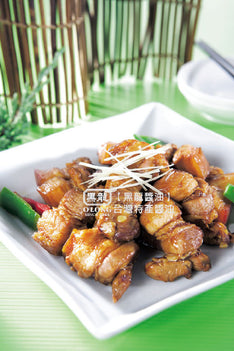
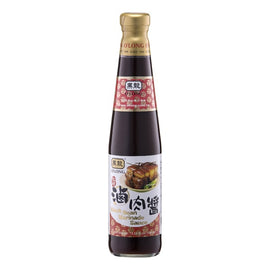
O’Long Black Soybean Marinade Sauce 黑龍 紅燒滇肉醬 400ml A ready-to-use braising and marinade sauce built on O’Long’s fermented black soybean base. Pour over pork belly,...
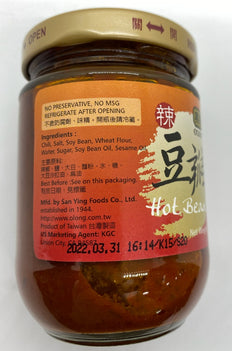
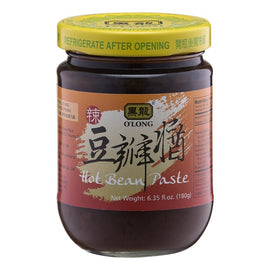
O’Long Spicy Bean Paste (辣豆瓣醬) — 180g O’Long’s Spicy Bean Paste is a fermented soybean and chili paste — made from natural soybeans and chili...
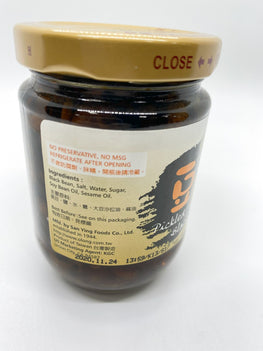
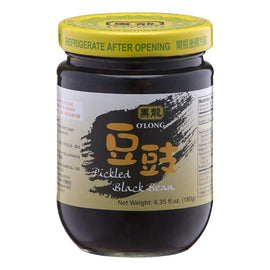
O’Long Pickled Black Bean (豆豉) — 180g Fermented black beans — douchi (豆豉) — are one of the foundational flavor ingredients of Cantonese and Taiwanese...


Koon Chun Bean Sauce 冠珍原晒豉 Add deep, savory bean flavor to Cantonese-style cooking with Koon Chun Bean Sauce. This rich sauce is made for building...
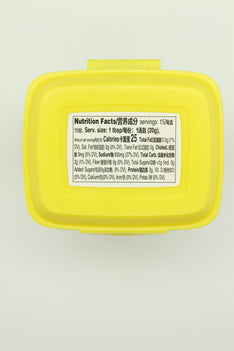
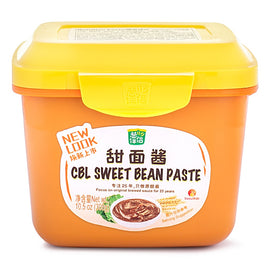
Shinho CBL Sweet Bean Paste 欣和 蔥伴侶 甜麵醬 — 300gThe essential sauce for Peking Duck pancakes and Beijing noodle dishes. Shinho CBL Sweet Bean Paste...
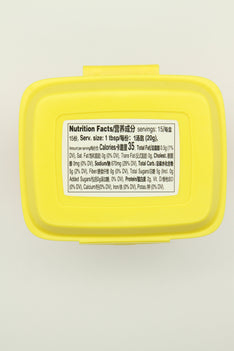
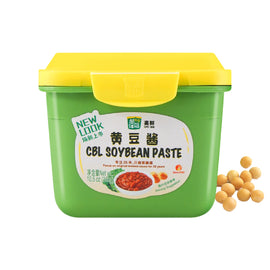
Shinho CBL Yellow Soybean Paste 欣和 蔥伴侶 黃豆醬 — 300gThe cornerstone of Beijing Zhajiangmian — and a deeply versatile Chinese pantry paste. Shinho CBL Yellow...
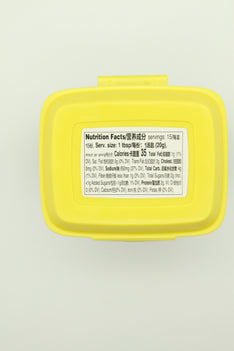
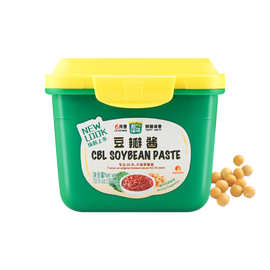
Shinho CBL Soybean Paste 欣和 蔥伴侶 豆瓣醬 — 300gA robust, deeply savory Chinese soybean paste for everyday cooking and noodle dishes. Shinho CBL Soybean Paste...

Tung Chun Black Bean Garlic Sauce 同珍 蒜蓉豆豉 — SmallRich, savory, and deeply aromatic. Tung Chun (同珍) Black Bean Garlic Sauce is a classic Cantonese...
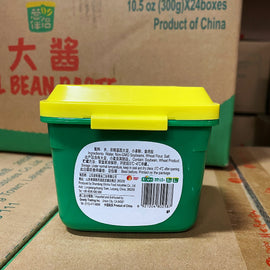
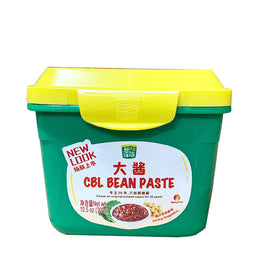
SHINHO CBL Bean PasteAdd a deep, savory base to everyday cooking with SHINHO CBL Bean Paste. This Chinese fermented bean paste is a versatile pantry...