Product successfully added to your shopping cart

Vinegar
Unlock Secret Flavors: How Chinese Vinegar Can Revolutionize Your Everyday Cooking
Think your vinegar game is strong with balsamic and apple cider? Prepare for a flavor revelation. Deep within Chinese culinary tradition lies a world of vinegars so complex and savory they can transform your weeknight dinners from ordinary to extraordinary. Forget everything you know about vinegar as just "sour liquid"—this is about umami, aroma, and depth.
For the American home cook, Chinese vinegar is the ultimate secret weapon. It's not just for stir-fries. A few drops can elevate your roast chicken, transform your salad dressing, and create pan sauces that taste like they came from a professional kitchen. Let's dive into the bottles that will change your cooking forever.
Meet Your New Flavor Arsenal: The 4 Essential Chinese Vinegars
1. The All-Star: Zhenjiang Aromatic Vinegar (Chinkiang Vinegar)
What it is: China's most famous vinegar, aged like fine wine. Made from glutinous rice, it undergoes a months-long fermentation in clay jars.
Taste Profile: Imagine if balsamic vinegar and soy sauce had a baby—deeply savory, slightly sweet, with complex notes of smoke, malt, and dried fruit. It's aromatic, well-rounded, and packed with umami.
The Bottle to Look For: Golden Plum Chinkiang Vinegar (available at most Asian markets and even many well-stocked supermarkets).
2. The Bold & Smoky: Shanxi Aged Vinegar
What it is: The single-malt Scotch of vinegars. Made from sorghum and aged for years using a unique sun-baked process.
Taste Profile: Intensely robust, smoky, and less sweet than Zhenjiang. It has a distinctive, almost funky depth that serious food lovers adore.
Best For: When you want to make a serious flavor statement.
3. The Bright & Beautiful: Red Rice Vinegar
What it is: Made with red yeast rice, giving it a vibrant ruby color and fruity flavor.
Taste Profile: Clean, slightly sweet, and mildly tart. Much less complex than black vinegars but with a beautiful color.
Famous Role: The traditional dip for soup dumplings (xiao long bao).
4. The Clean Workhorse: White Rice Vinegar
What it is: Clear, sharp, and neutral—the "white wine vinegar" of Asia.
Taste Profile: Clean acidity without any sweetness or color. Milder than distilled white vinegar.
Best For: Pickling and dishes where you want tartness without darkening.
The American Kitchen Transformation: Where to Start
If you only buy one, make it Zhenjiang Aromatic Vinegar. It's the most versatile and will give you the biggest "wow" factor in everyday cooking.
5 Unexpected Ways to Use Chinese Vinegar in Your American Kitchen
1. The Ultimate Pan Sauce (Forget Red Wine Vinegar)
After searing steak, chicken, or pork chops:
-
Remove meat from pan
-
Add ¼ cup broth to deglaze
-
Stir in 1-2 tablespoons Zhenjiang vinegar and 1 tablespoon soy sauce
-
Reduce slightly, then swirl in a pat of butter
Result: A sauce with incredible depth that tastes like you simmered it for hours.
2. Supercharge Your Salad Dressings
Upgrade your basic vinaigrette:
-
3 parts olive oil
-
1 part Zhenjiang vinegar (instead of red wine vinegar)
-
1 teaspoon Dijon mustard
-
1 teaspoon honey or maple syrup
-
Salt and pepper
Why it works: The vinegar's complexity means you need fewer ingredients. It adds savory depth that makes salads truly memorable.
3. The Secret to Better Braises and Stews
Add 1-2 tablespoons of Zhenjiang or Shanxi vinegar to your favorite beef stew, pot roast, or braised short ribs during the last 30 minutes of cooking.
The science: The acidity brightens the rich flavors, while the umami compounds enhance the meatiness. It's the difference between "good" and "restaurant-quality."
4. Transform Your Vegetables
For roasted vegetables: Toss Brussels sprouts, broccoli, or carrots with oil, salt, and a splash of Zhenjiang vinegar before roasting. The sugars caramelize while the vinegar adds a savory counterpoint.
For quick-pickled vegetables: Use white rice vinegar for classic American pickles (cucumbers, onions) or red rice vinegar for beautiful pink pickled radishes or daikon.
5. Create Dipping Sauces That Wow
Mix Zhenjiang vinegar with:
-
Soy sauce and sesame oil (for dumplings or egg rolls)
-
Mayo and a little garlic (for a burger/fry sauce with an Asian twist)
-
Olive oil and herbs (for bread dipping)
Simple Substitution Guide for American Cooks
When a recipe calls for:
-
Red wine vinegar → Use Zhenjiang vinegar (for more depth) or red rice vinegar (for milder tang)
-
Balsamic vinegar → Use Zhenjiang vinegar (less sweet, more savory)
-
White wine vinegar → Use white rice vinegar (very similar)
-
Apple cider vinegar → Use Zhenjiang vinegar (for complexity) or white rice vinegar (for clean acidity)
3 Quick Recipes to Get You Started Tonight
1. 5-Minute "Gourmet" Chicken
Season chicken thighs with salt and pepper. Pan-sear until cooked. Remove chicken, add ⅓ cup chicken broth, 2 tablespoons Zhenjiang vinegar, and 1 tablespoon honey to the pan. Reduce by half. Pour over chicken. Serve with rice.
2. Better-Than-Takeout Stir-Fry Sauce
Mix: 3 tablespoons soy sauce, 2 tablespoons Zhenjiang vinegar, 1 tablespoon honey, 1 teaspoon cornstarch, and 2 tablespoons water. Use for any vegetable or protein stir-fry.
3. Sophisticated Cole Slaw
Toss shredded cabbage and carrots with a dressing of mayo, a splash of white rice vinegar, salt, pepper, and a pinch of sugar. The milder vinegar won't overwhelm like distilled white vinegar often does.
Shopping Smart: Where to Find These Vinegars
-
Asian grocery stores: Your best bet for variety and best prices. Look in the vinegar or sauce aisle.
-
Well-stocked supermarkets: Many now carry at least Zhenjiang vinegar in the international foods section.
-
Online: Amazon, Walmart.com, and Asian food websites all carry them.
Pro Tip: When shopping, look for words like "香醋" (xiāng cù) for aromatic vinegar or "陈醋" (chén cù) for aged vinegar. The English labels will usually say "Chinkiang" or "Zhenjiang."
The Bottom Line: Why Your Kitchen Needs This
Chinese vinegar isn't about making "Chinese food"—it's about making better food. That bottle of Zhenjiang vinegar sitting in your pantry is:
-
A flavor amplifier (adds depth to simple dishes)
-
A balancing act (cuts through fat and richness)
-
A time machine (gives slow-cooked flavor in minutes)
-
A health bonus (fermented foods are good for gut health)
Start with one bottle—the versatile Zhenjiang aromatic vinegar. Use it in your next pan sauce, salad dressing, or marinade. Taste the difference. Notice how your family asks, "What did you do differently tonight?" That's the power of understanding a centuries-old ingredient that's been waiting to revolutionize your American kitchen.
Your challenge: This week, replace your usual vinegar in one recipe with Zhenjiang vinegar. Report back on the flavor transformation. Once you experience it, you'll never look at vinegar—or your cooking—the same way again.
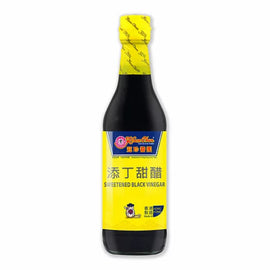
Koon Chun Sweetened Black Vinegar 冠珍添丁甜醋 Bring balanced sweet-tart flavor to Cantonese-style dishes with Koon Chun Sweetened Black Vinegar. Its deep color and mellow acidity...


Koon Chun Red Vinegar 冠珍大紅浙醋 Bring a bright, mellow sweet-tart note to dumplings, noodles, seafood, salads, and quick pickles. Koon Chun Red Vinegar adds color...


Koon Chun Diluted Black Vinegar 冠珍黑米醋 Dark in color with a deep, savory character, Koon Chun Diluted Black Vinegar is an easy way to add...