Product successfully added to your shopping cart



NANGUO Mellow Coconut Coffee Powder 南國 醇香椰奶咖啡 340G
Regular price
$6.99
Nanguo Mellow Coconut Coffee Powder (南國 醇香椰奶咏啡) — 340gHainan coconut meets instant coffee. Nanguo (南國) is one of China's most recognized Hainan coconut brands, known for decades of coconut product craftsmanship from the tropical island of Hainan. Their Mellow Coconut Coffee Powder blends Hainan coconut with smooth, mellow roasted coffee...
Nanguo Mellow Coconut Coffee Powder (南國 醇香椰奶咏啡) — 340g
Hainan coconut meets instant coffee. Nanguo (南國) is one of China's most recognized Hainan coconut brands, known for decades of coconut product craftsmanship from the tropical island of Hainan. Their Mellow Coconut Coffee Powder blends Hainan coconut with smooth, mellow roasted coffee into a creamy, tropical instant coffee that dissolves instantly in hot or cold water. Rich coconut aroma, smooth coffee depth, and a naturally sweet, dessert-like finish. Made in China.
Product Details
- Net Weight: 340g
- Country of Origin: China (Hainan)
- Brand: Nanguo (南國)
- Type: Instant coconut coffee powder — mix with hot or cold water
- Flavor: Mellow Coconut Coffee (醇香椰奶咏啡)
What Makes Nanguo Coconut Coffee Different
- 🌴 Hainan coconut (海南椰奶): Nanguo sources from Hainan — China’s tropical coconut heartland. The coconut flavor is rich, creamy, and authentic, not artificial
- ☕ Mellow coffee roast: Smooth, balanced coffee that complements the coconut without overpowering it — a dessert-like sweetness rather than a bitter espresso punch
- ✨ Instant dissolve: Fine powder dissolves completely in hot or cold water — no grit, no clumps, consistently smooth every time
- 📦 340g bag: Larger format for regular drinkers — great value for a daily coconut coffee ritual
How to Enjoy
- ☕ Hot: Add powder to a cup, pour hot water, stir well — a warm, creamy coconut latte in seconds
- 🧊 Iced: Mix with cold water or milk over ice for a refreshing tropical iced coconut coffee
- 🍶 Ratio: Follow the package instructions for the recommended powder-to-water ratio
Perfect For
- 🌴 Coconut coffee lovers: The classic Hainan coconut coffee flavor — a beloved taste of tropical China
- 🎁 Gifting: A well-known Chinese brand with strong regional identity — great for gift boxes or as a unique coffee gift
- 🎒 Office & home: 340g bag keeps well and makes a great desk coffee or pantry staple


Note: Contains milk and coffee. Please check the actual package for full ingredient and allergen information before consuming.
Related Products
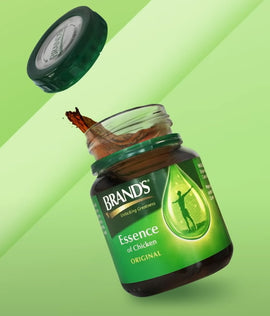
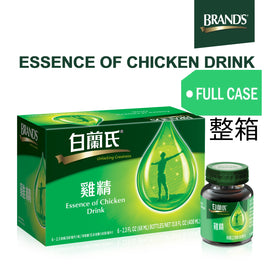
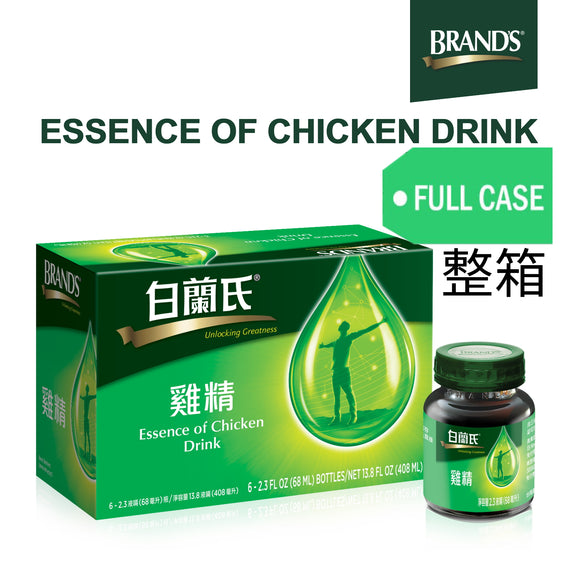
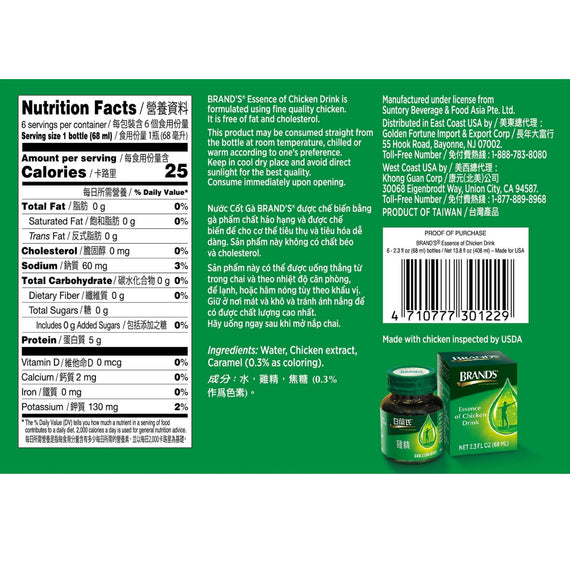
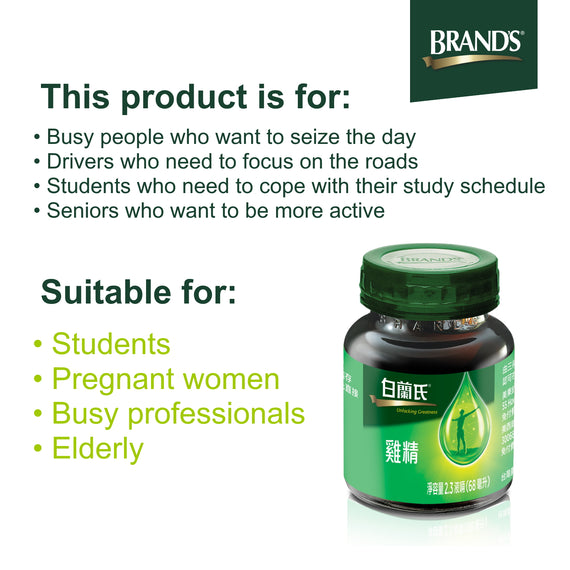
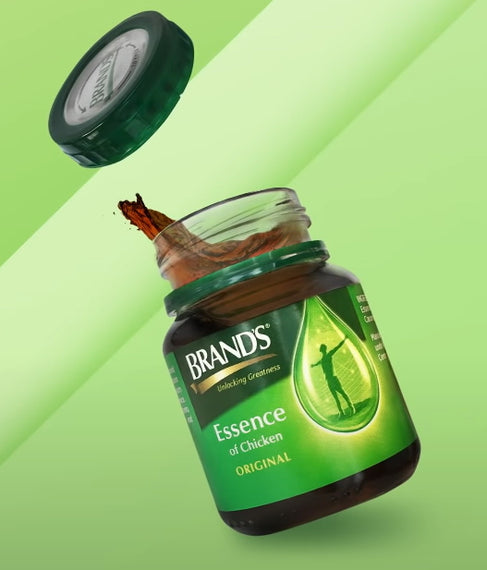
BRAND’S Essence of Chicken Drink 白蘭氏雞精 — 72-Bottle CaseStock up on a classic Asian chicken essenc...
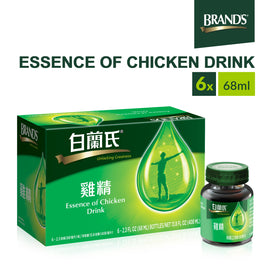
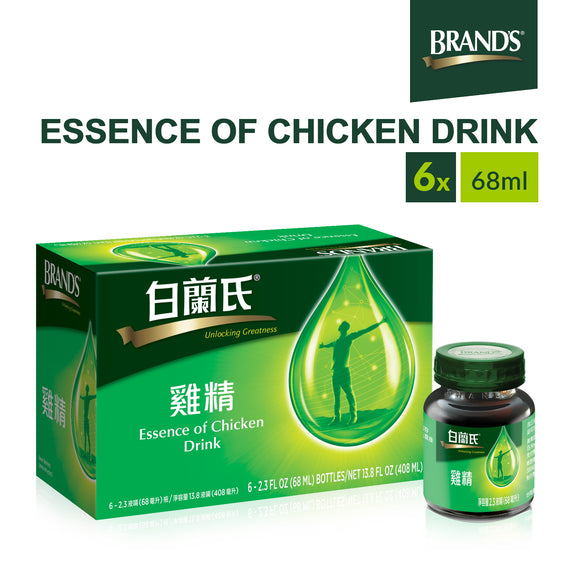
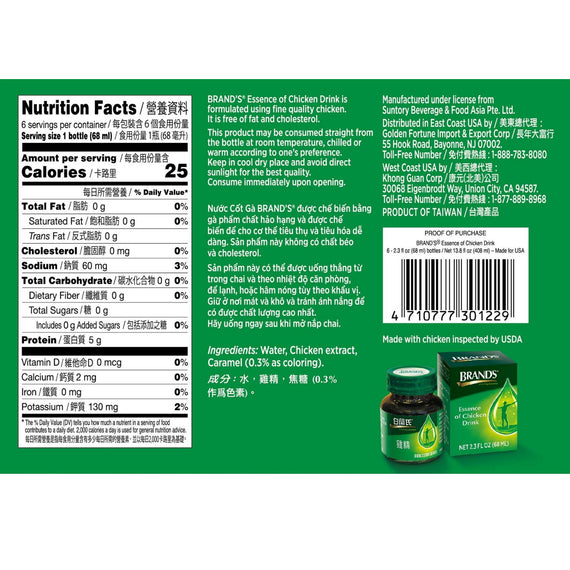
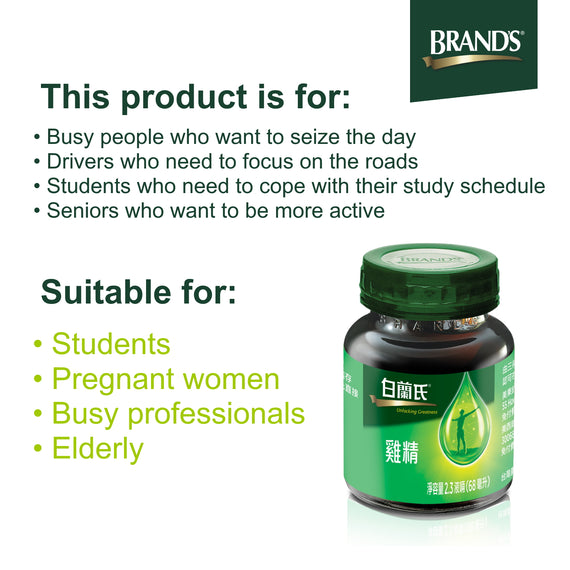
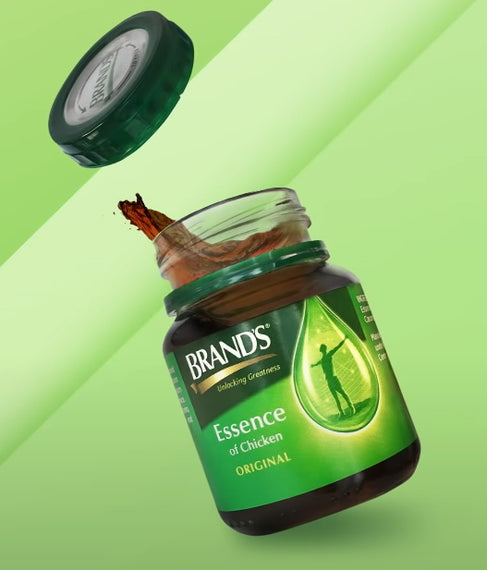
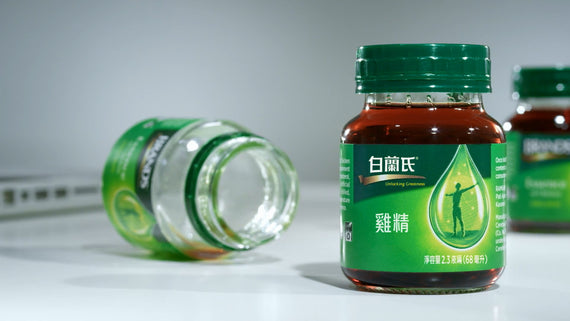
BRAND'S Essence of Chicken Drink 白蘭氏雞精
A convenient ready-to-drink chicken essence made with chic...

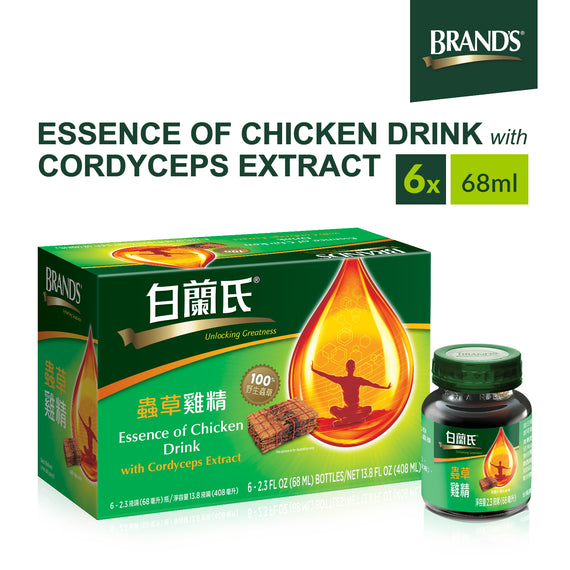
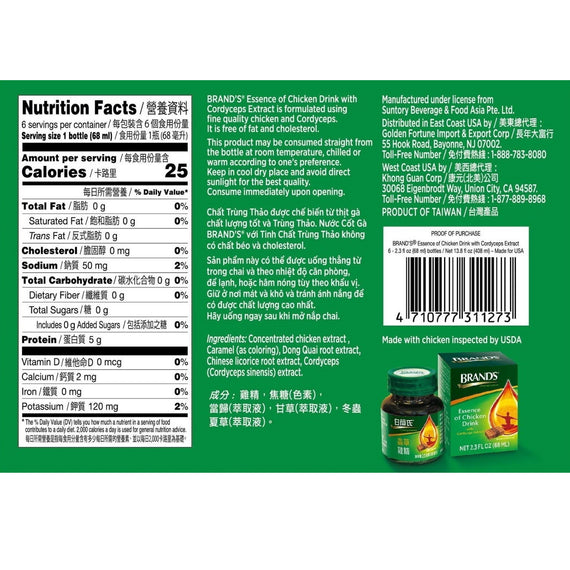

BRAND'S Essence of Chicken with Cordyceps 白蘭氏蟲草雞精
A convenient ready-to-drink chicken essence bev...
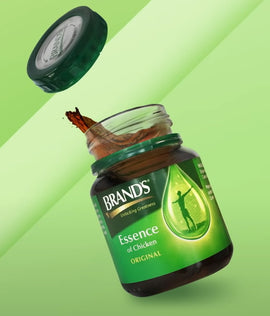
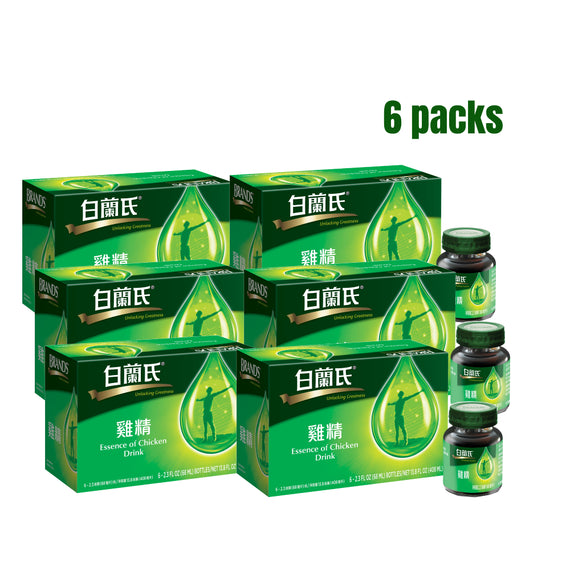
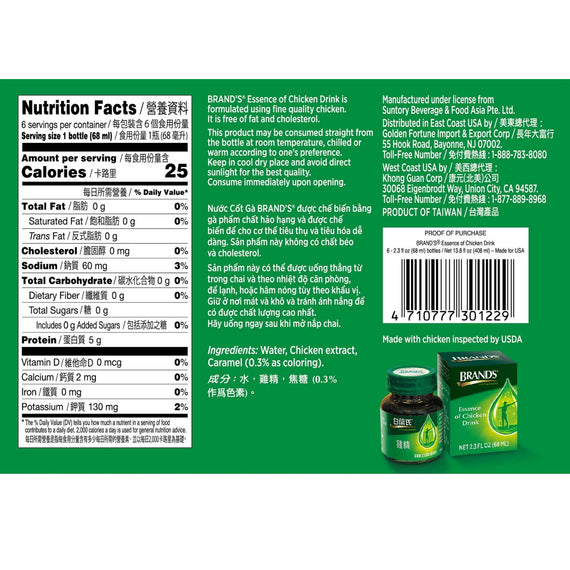
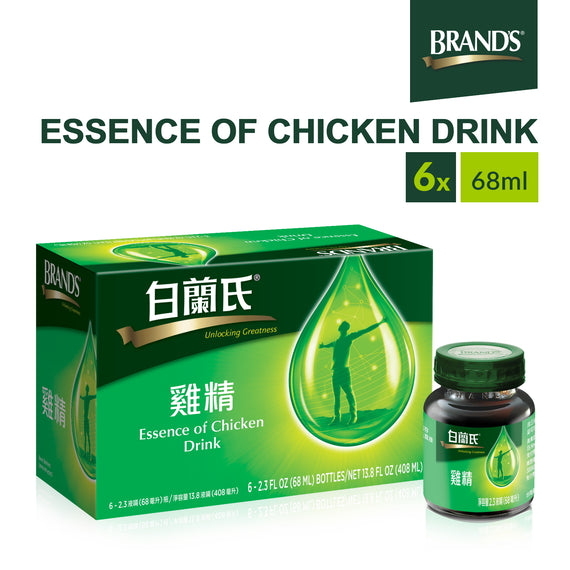
BRAND'S Essence of Chicken Drink 白蘭氏雞精 — 6 Packs (36 Bottles)A pantry and wellness staple trusted...
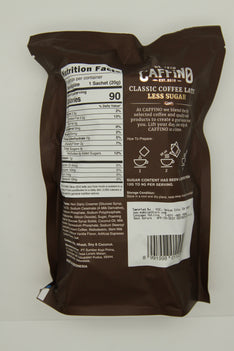
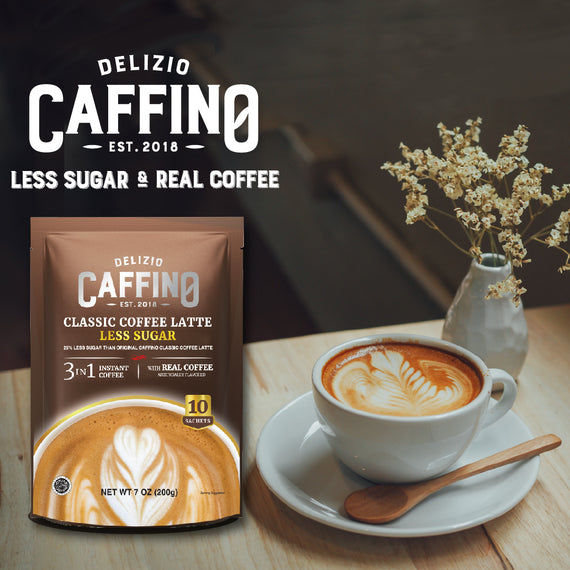
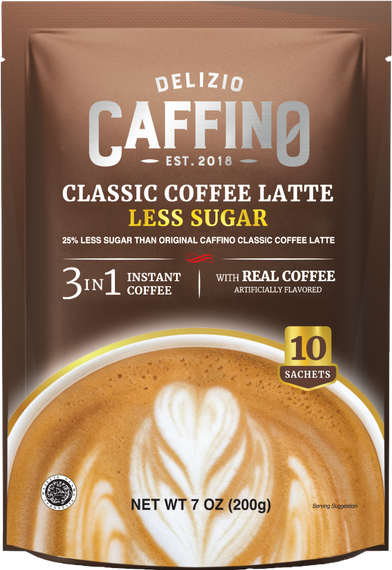
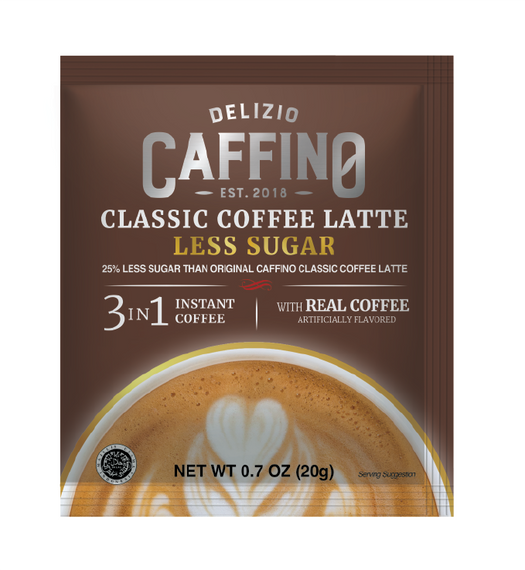
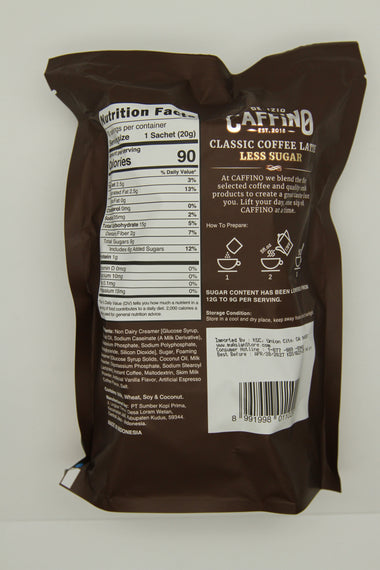
Caffino 3-in-1 Classic Coffee Latte Less Sugar — 10 Sachets (三合一拿鐵少糖) — 200g
The everyday latte, ...
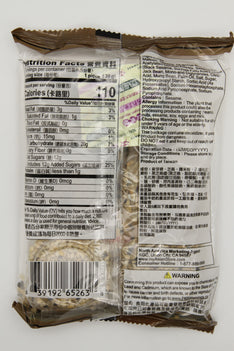
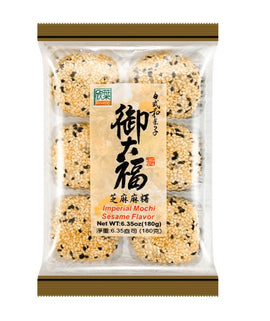
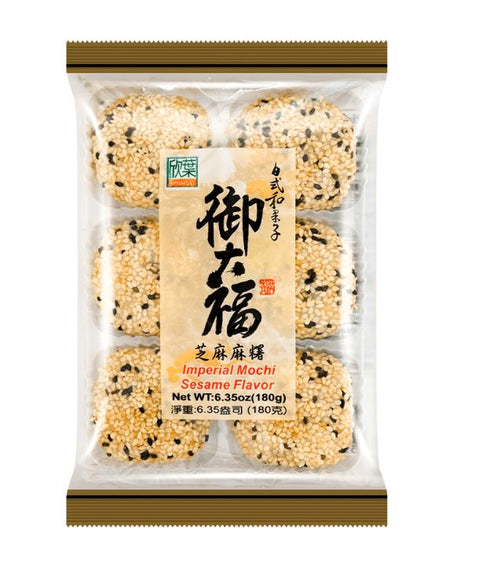
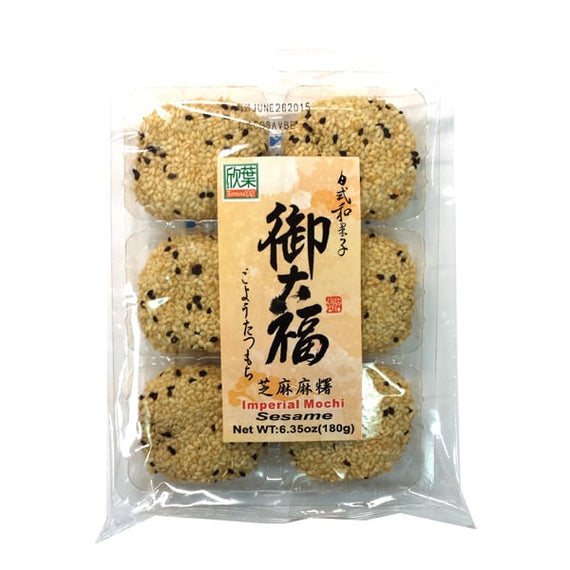
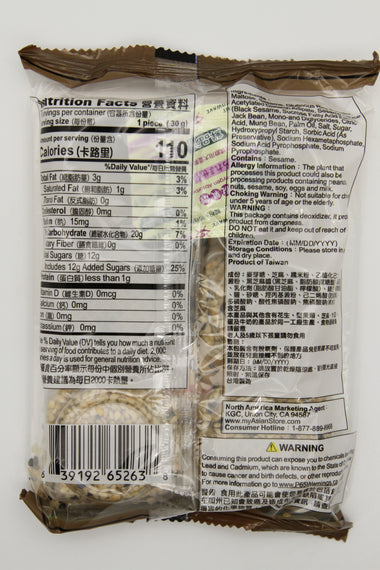
Formosa Yay Imperial Mochi (Sesame) 台灣欣葉 苝麻御大福麻薑 180g (6 PCS)
Soft, pillowy, and deeply nutty. A ...

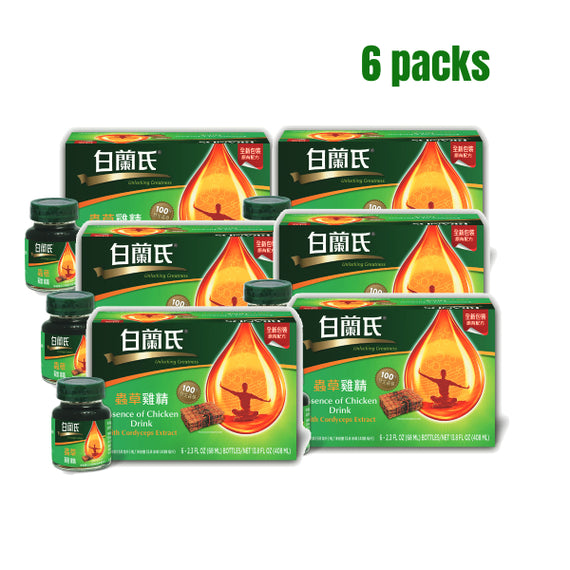
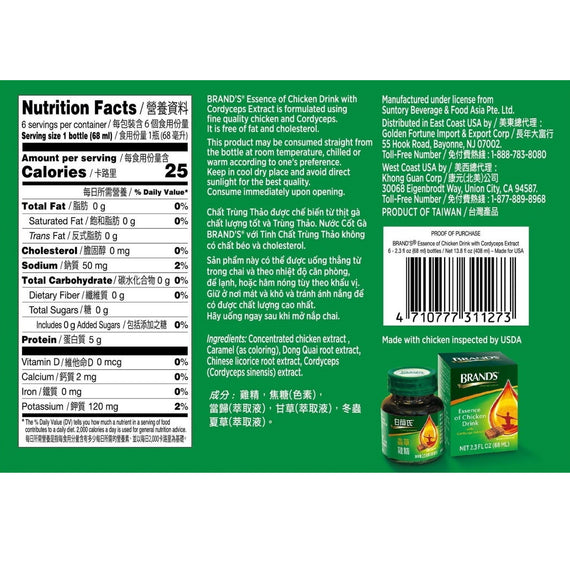

BRAND'S Essence of Chicken with Cordyceps 白蘭氏蟲草雞精 — 6 Packs (36 Bottles)
The best-value bundle of...
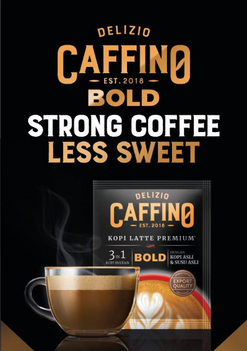
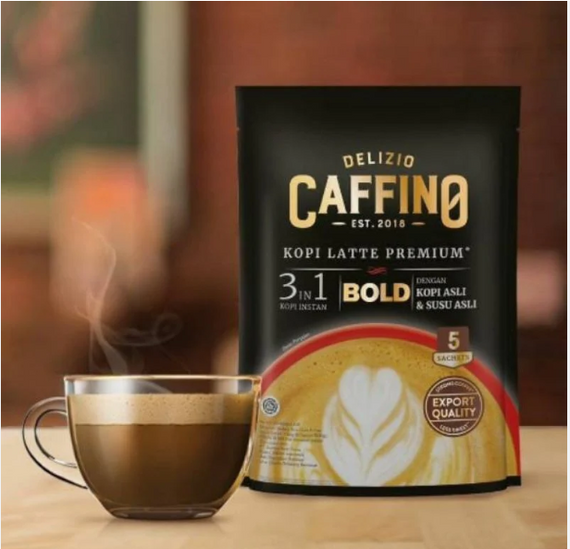
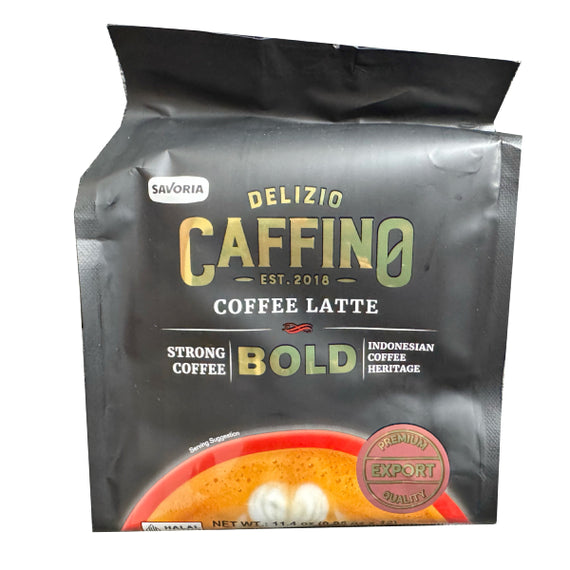
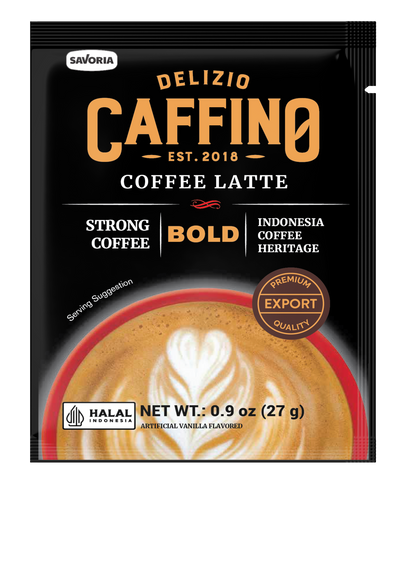
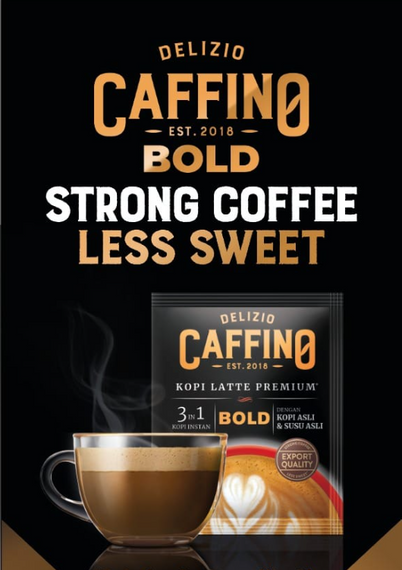
Caffino BOLD Premium Coffee Latte 特濃咖啡拿鐵 — 12 Sachets
Strong, coffee-forward, and unapologeticall...
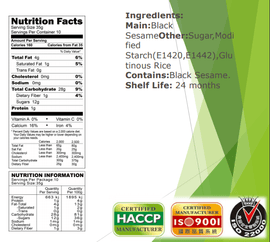
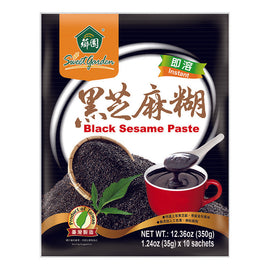
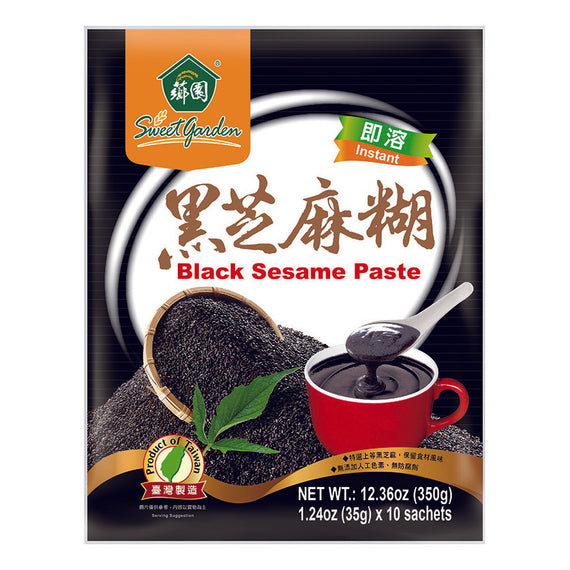
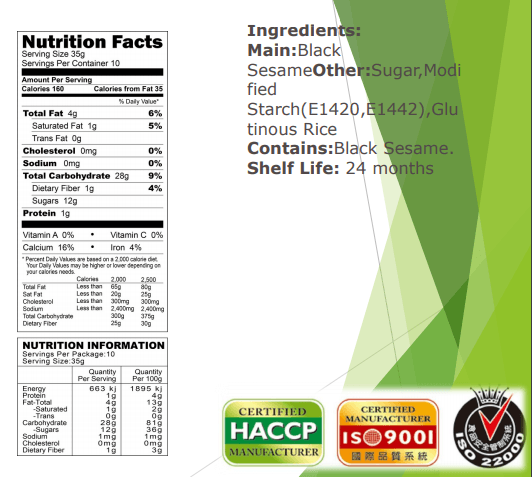
Sweet Garden Instant Black Sesame Paste Powder — 10 Sachets, 320g
A pure, plant-based paste made...
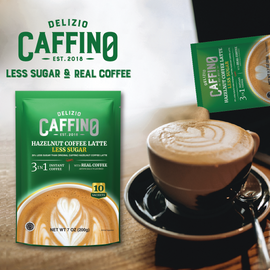
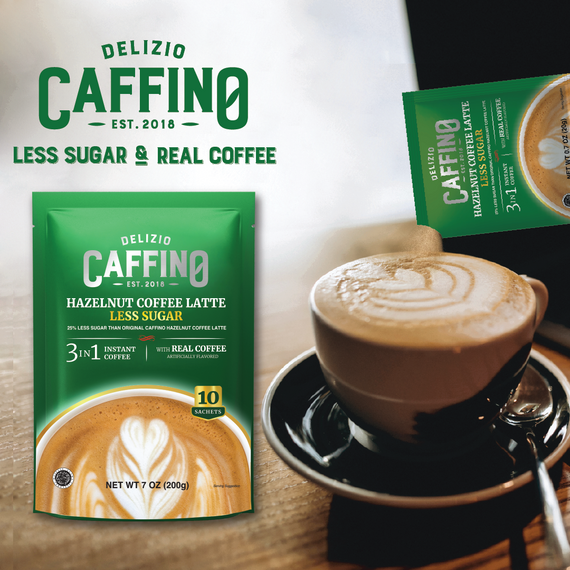
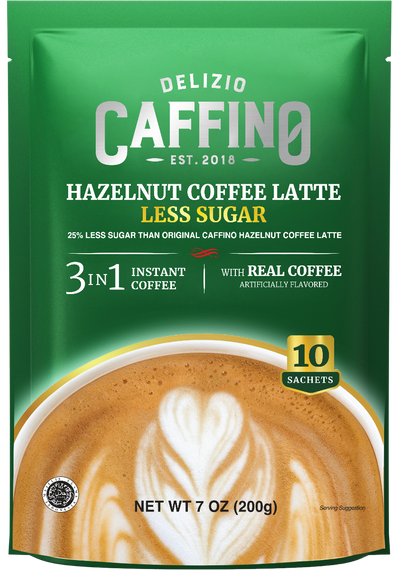
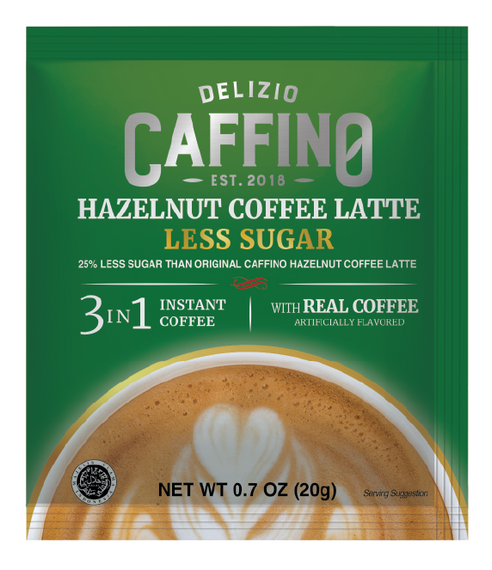
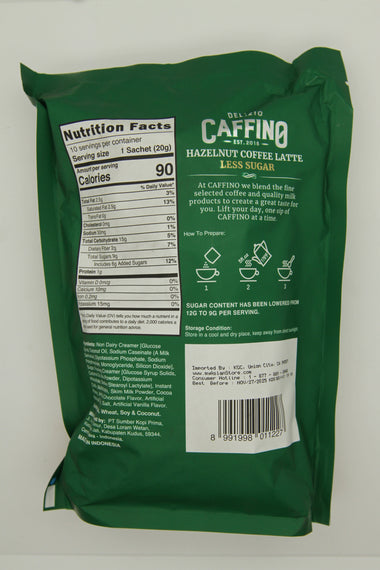


Caffino 3-in-1 Hazelnut Coffee Latte Less Sugar — 10 Sachets (三合一榛果拿鐵少糖) — 200g
A nutty, café-sty...