Product successfully added to your shopping cart



The Scent of Autumn: Why Osmanthus Captures the Heart of Asia If you walk through a city like Shanghai, Hangzhou, or Guilin in late September, you might be stopped in your tracks by a fragrance. It is sweet, delicate, and strangely familiar—hinting at apricot, honey, and warm summer peaches, yet...
The Scent of Autumn: Why Osmanthus Captures the Heart of Asia
If you walk through a city like Shanghai, Hangzhou, or Guilin in late September, you might be stopped in your tracks by a fragrance. It is sweet, delicate, and strangely familiar—hinting at apricot, honey, and warm summer peaches, yet cool and floral on the autumn air. This is the scent of osmanthus (桂花, guìhuā), and across East Asia, it is more than just a pleasant aroma; it is the very essence of autumn, a cultural touchstone, and a flavor that has defined desserts, teas, and memories for over a thousand years.
To understand why this particular blossom holds such sway is to journey through poetry, palace halls, family kitchens, and the deep-seated human love for seasonal ritual.
A Blossom Steeped in Myth and Nobility
The cultural devotion to osmanthus begins in the realm of legend. In Chinese mythology, the moon is not a barren rock but a celestial palace called Guanghan Gong (广寒宫), home to the moon goddess Chang'e. And in that lunar palace grows an eternal, magical osmanthus tree. This cosmic connection immediately elevated the flower to a symbol of the divine, the ethereal, and the mystical.
On earth, its association with nobility solidified during the imperial examination era. Success in these grueling exams, the path to becoming a scholar-official, was metaphorically called "plucking the osmanthus branch" (折桂). The fragrance of osmanthus thus became synonymous with academic excellence, honor, and lofty achievement—a scent that literally smelled like success.
Poets from the Tang Dynasty onward immortalized its subtle beauty. Its fragrance is consistently described not as bold or overpowering, but as "faint yet far-reaching" (清香致远), a quality that resonated deeply with traditional East Asian aesthetics which value subtlety, implication, and refined elegance over ostentation.
The Flavor Itself: A Sensory Paradox
What does osmanthus actually taste like? This is key to its appeal. Unlike Western floral flavors like rose or lavender, which can lean perfumey or soapy if not carefully balanced, osmanthus offers a warm, fruity complexity. The primary notes are of ripe apricot and peach skin, backed by a deep, honeyed sweetness and a soft, rounding floral finish. It’s a comforting, almost gourmand fragrance that feels inherently edible and pairs seamlessly with food.
This unique profile makes it incredibly versatile. It can bridge sweet and savory, enhance without dominating, and add a layer of aromatic sophistication that is unmistakable.
A Culinary Chameleon: From Tea to Tangyuan
Osmanthus is not merely admired; it is consumed with passion. Its culinary applications form a tapestry of traditional and modern delights:
-
The Tea Ceremony of Scent: Perhaps the most iconic use is in Osmanthus Oolong Tea (桂花乌龙). Dried golden blossoms are layered with semi-oxidized tea leaves, allowing the fragrance to slowly infuse. Brewing it releases a steam that is the very breath of autumn. It’s also brewed alone or with green tea for a pure, fragrant cup.
-
The Golden Drizzle: Osmanthus syrup or jam (桂花酱) is a pantry staple. This golden, viscous liquid is drizzled over tangyuan (glutinous rice balls), used as a filling for pastries, swirled into tong sui (sweet soups), or even brushed over ribs for a unique glaze.
-
Sweet Sensations: Osmanthus cake (桂花糕) is a translucent, jellied dessert that is as beautiful as it is delicate. The flower is also used in fermented rice wines (osmanthus wine, 桂花酒), creating an aromatic spirit enjoyed for centuries.
-
A Savory Touch: In some regional cuisines, a sprinkle of dried osmanthus acts as a fragrant garnish for dishes like steamed lotus root or braised duck, adding a surprising and elegant top note.
The Scent of Nostalgia and Seasonality
Beyond history and taste, the power of osmanthus is deeply psychological. It is a profoundly seasonal marker. Its bloom is brief, often lasting just two to three weeks in mid-autumn. This scarcity creates urgency and appreciation. Consuming osmanthus foods and drinks becomes a conscious act of "eating the season" (应季而食)—a way to physically internalize and celebrate a specific moment in time.
For millions, this scent is a direct pathway to childhood and home. It smells like grandmother’s courtyard in October, like the special treats prepared for the Mid-Autumn Festival, like the crisp air of a hometown autumn. It is a Proustian madeleine of collective memory, evoking feelings of nostalgia, family reunion, and comforting warmth. In a rapidly modernizing world, the consistent, gentle fragrance of osmanthus provides a powerful anchor to tradition and personal identity.
Beyond Borders: A Shared Regional Love
While the tradition is strongest in China, the love for osmanthus has gracefully spread across cultural lines, adapted and embraced in neighboring regions. In Taiwan, osmanthus tea and desserts are ubiquitous. In Japan, it is known as kinmokusei (金木犀) and its scent is equally cherished as a herald of autumn, though used more sparingly in confectionery. Vietnamese cuisine may also employ it in teas and sweets. This regional appeal underscores the universal likeability of its unique flavor profile.
Conclusion: More Than a Flavor, a Cultural Experience
To ask why Asians love osmanthus flavor is like asking why the smell of pine evokes Christmas, or why pumpkin spice signals fall in the West. The answer lies in a powerful alchemy of sensory pleasure, deep cultural coding, and emotional resonance.
It is a flavor that tastes like poetry, like success, like family gathered under a harvest moon. The next time you encounter osmanthus—in a cup of tea, a delicate cake, or a description of an autumn breeze in an East Asian city—you will recognize it. It is not merely a culinary ingredient. It is the scent of memory, the taste of autumn, and a golden thread connecting the present to a rich, fragrant past.
Net weight 18.3 oz
Product of Taiwan
Related Products

The Golden Gift: Unwrapping the Meaning Behind Chocolate Coins in Chinese New Year
A Dazzling Sym...

Net Weight: 908g
Country of Origin: Indonesia
As the chosen treats among the nobility, only the ...
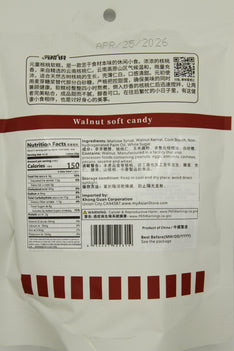
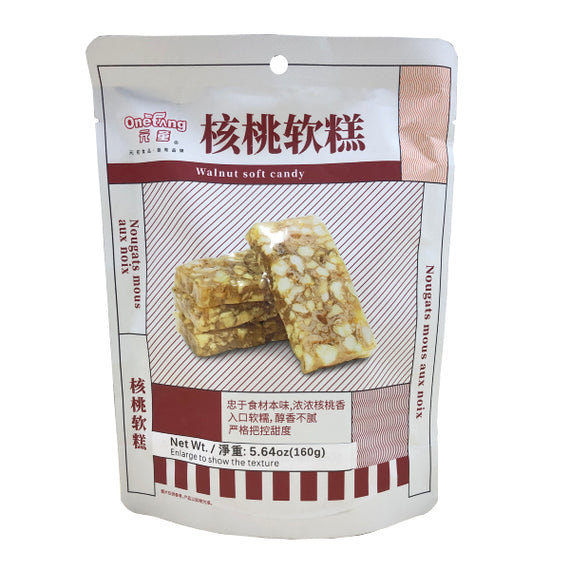
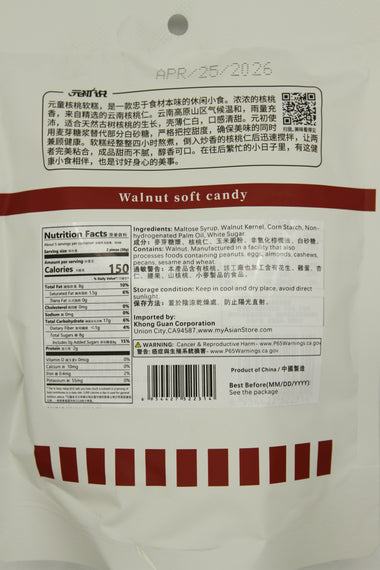
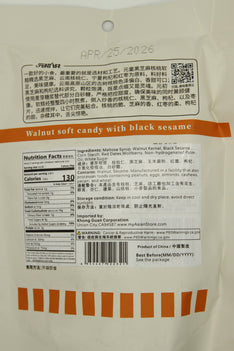
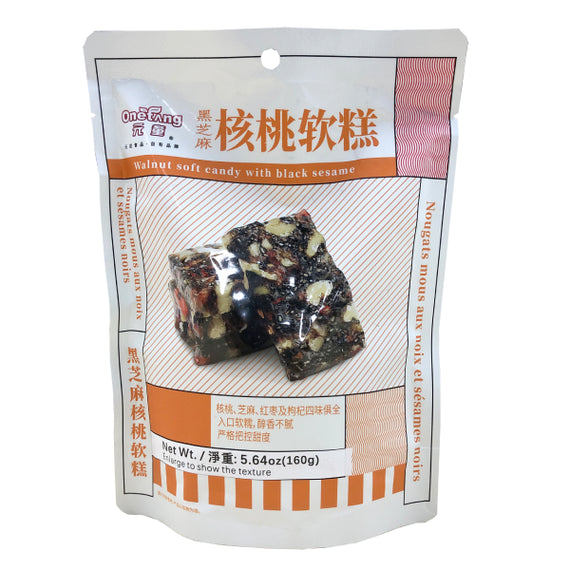
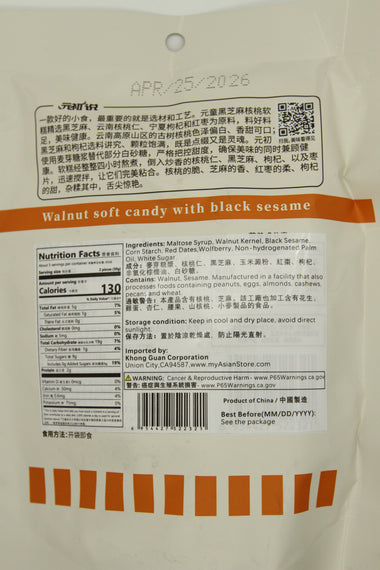
Net Weight: 160g
Country of origin: China
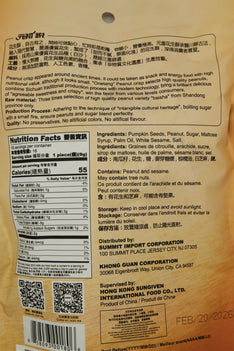
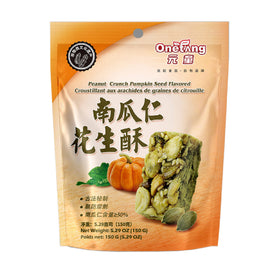
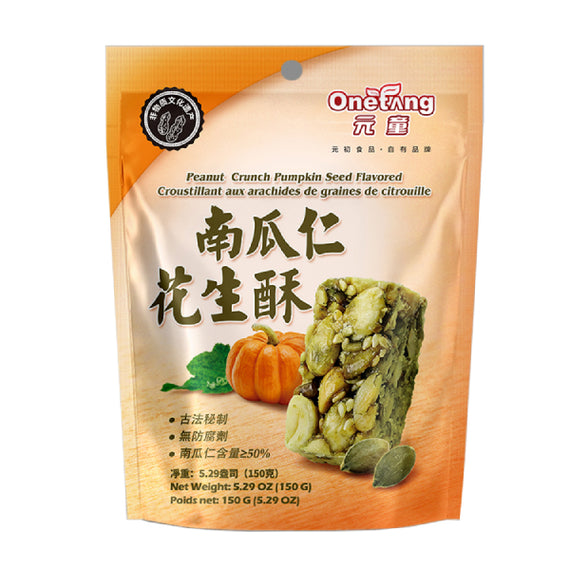
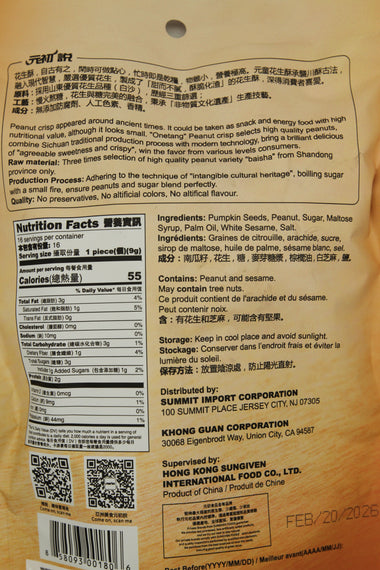
Nourish Your Gut with Ancient Wisdom: The Pumpkin Seed & Peanut Brittle Story
In the world of...


Beyond Granola: Meet Your New Power Snack - SUNGIVEN Peanut Crunch with Black Sesame
Tired of the...
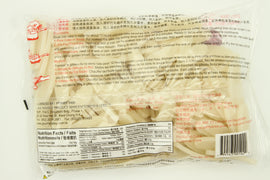
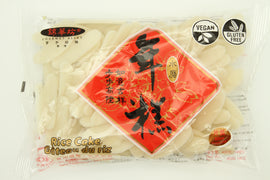
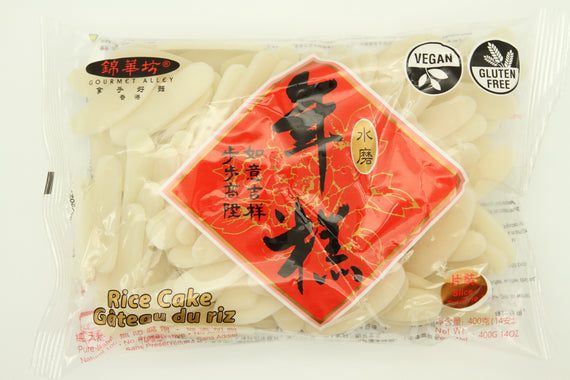
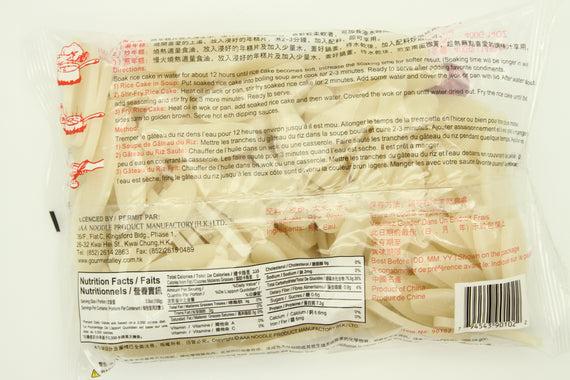
Wet Milling: The Science of Separation
Unlike the dry grinding methods of stone and roller mi...

Net Weight: 454g
Country of Origin: Indonesia
As the chosen treats among the nobility, only the ...
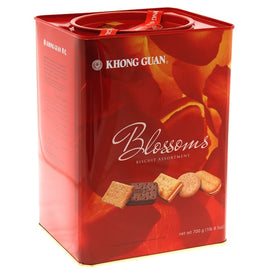
Net Weight: 700g / 1lb 8.5 OZCountry of Origin: Singapore
This Blossoms choice of assorted bis...
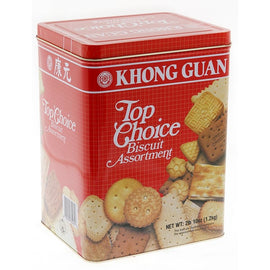
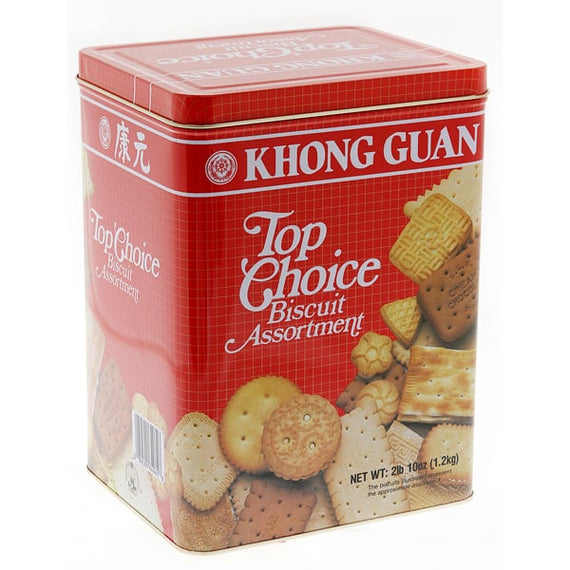
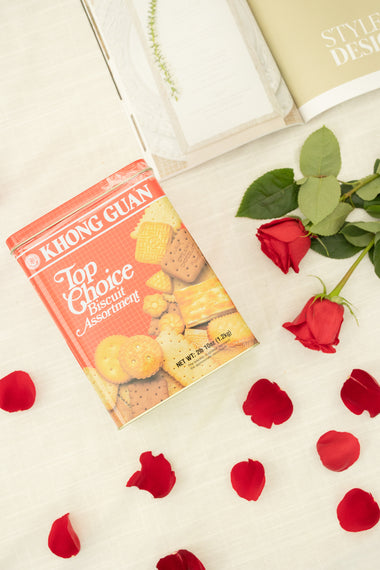


Net Weight: 1.2kg / 2lb 10 OZCountry of Origin: Singapore
This Top Choice Biscuit Assortment is ...