Product successfully added to your shopping cart

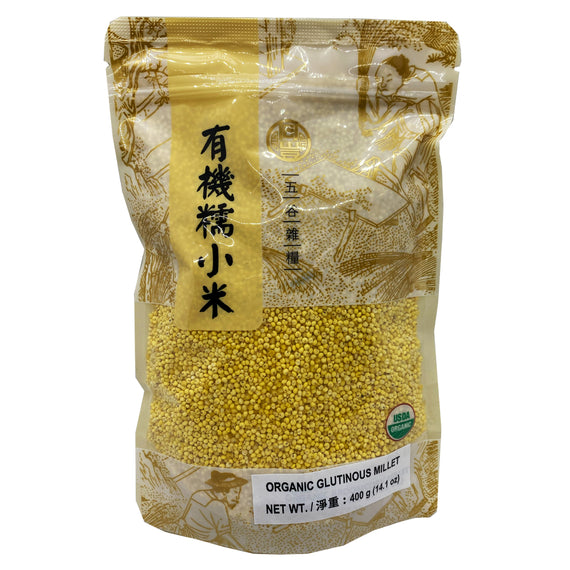
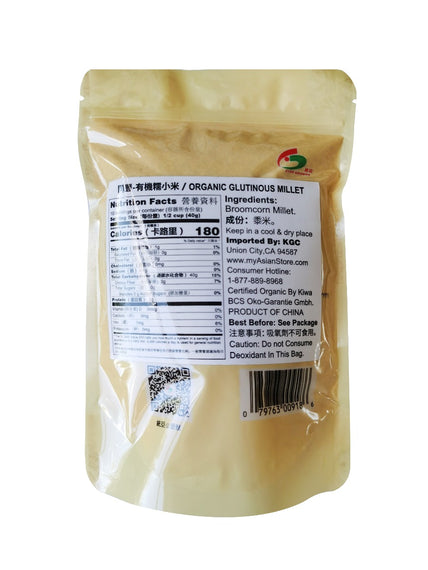
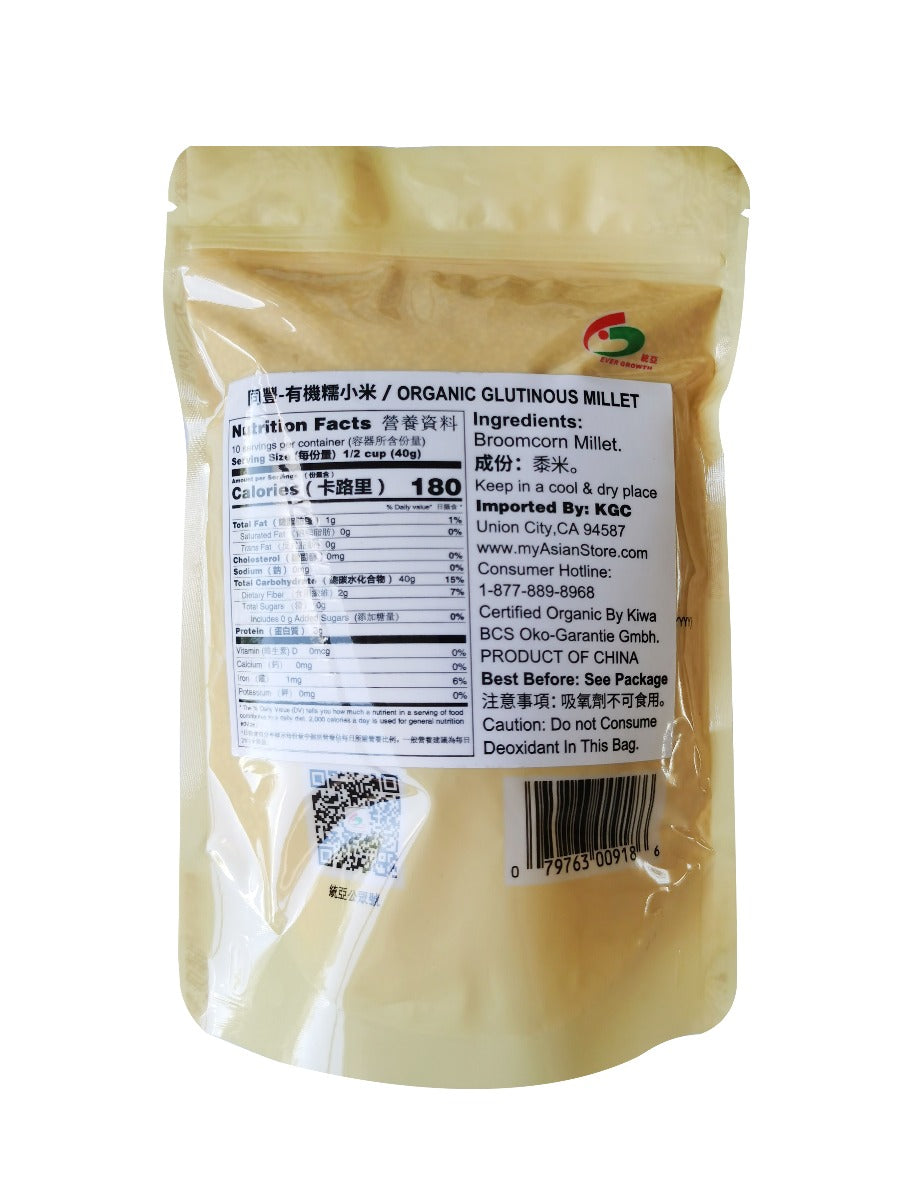
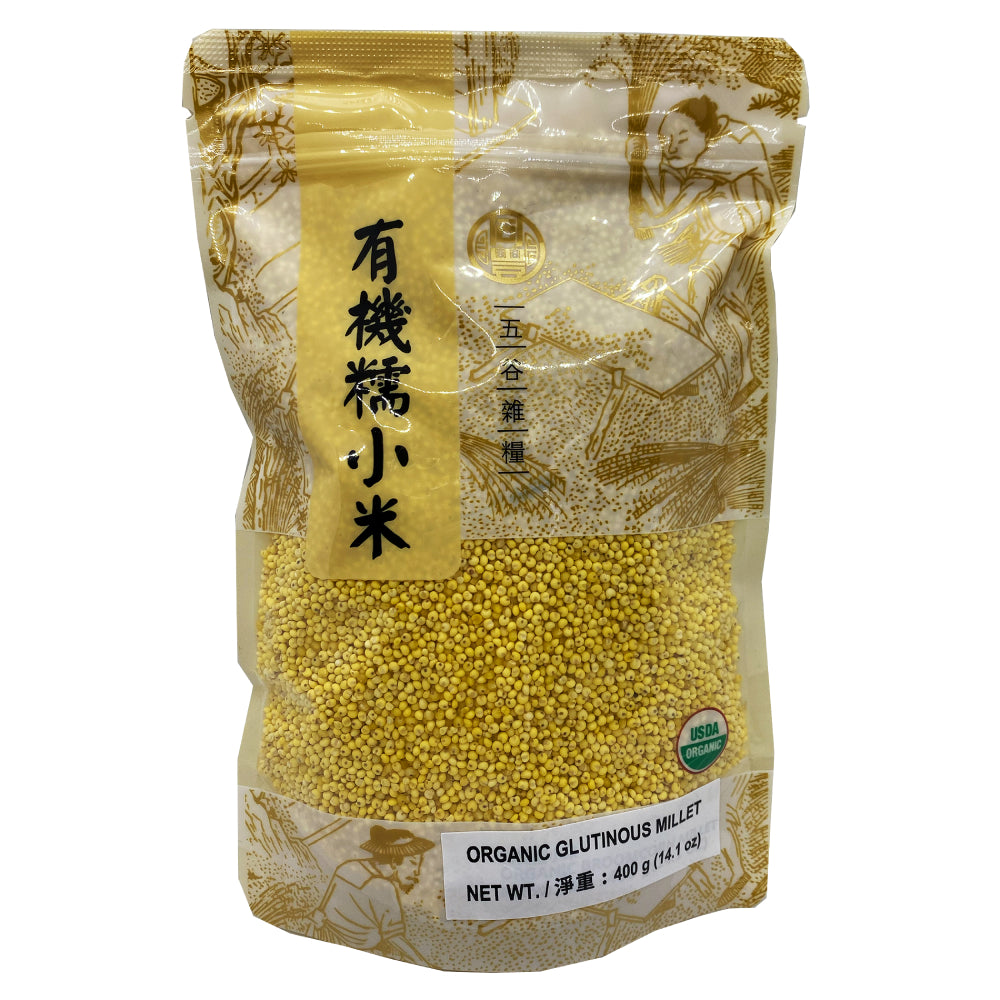
TF Organic Glutinous Millet 同豐 有機糯小米 — 400gA sticky, chewy, subtly sweet ancient grain — and despite the name, 100% gluten-free. TF Organic Glutinous Millet (糯小米) is prized for its cohesive, mochi-like texture when cooked, making it a natural choice for traditional Chinese sweet porridges, festive sticky cakes, and Eight...
TF Organic Glutinous Millet 同豐 有機糯小米 — 400g
A sticky, chewy, subtly sweet ancient grain — and despite the name, 100% gluten-free. TF Organic Glutinous Millet (糯小米) is prized for its cohesive, mochi-like texture when cooked, making it a natural choice for traditional Chinese sweet porridges, festive sticky cakes, and Eight Treasure Congee. Certified organic, no additives. Made in China. 400g bag.
Product Details
- Net Weight: 400g
- Country of Origin: China
- Brand: TF (同豐)
- Certified Organic · Gluten-free — “glutinous” refers to sticky texture, not gluten content
- Soak 2–4 hours before cooking for best texture
How to Use
- Sweet porridge / congee: Simmer slowly with rock sugar, red dates, or coconut milk for a thick, comforting dessert porridge
- Sticky millet cake: Steam into a dense, sweet cake layered with red bean paste or dates — a classic festive treat
- Eight Treasure Congee (八寶粥): A key grain in this traditional nourishing porridge
- Savory stuffing: Use in place of glutinous rice for stuffed vegetables or poultry
How to Cook
Rinse thoroughly. Soak 2–4 hours. Use a 1:2 to 1:2.5 ratio (millet to water). Bring to a boil, then simmer covered on very low heat for 20–25 minutes. Rest covered for 10 minutes off heat — do not stir during cooking to develop maximum stickiness.
Allergen Information
No common allergens. Check the actual package for full information before consuming.
Also Available from TF 同豐
Related Products
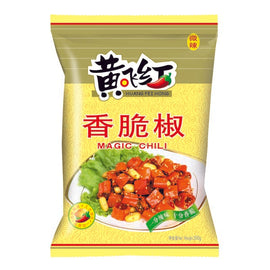
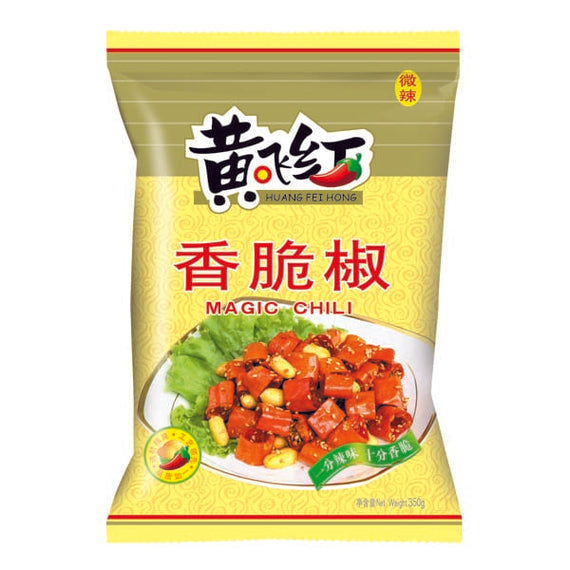
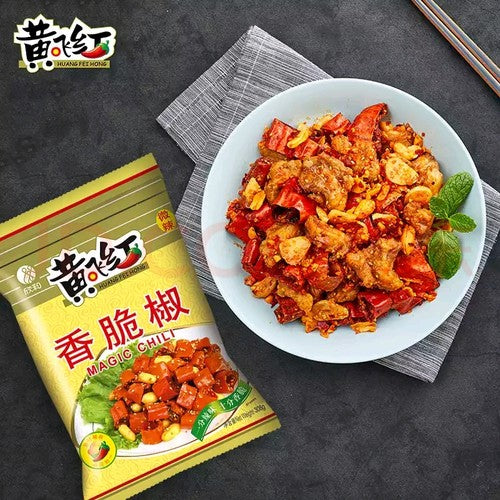
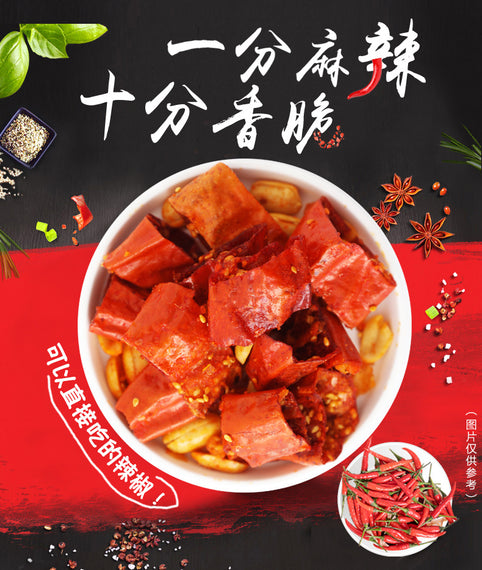
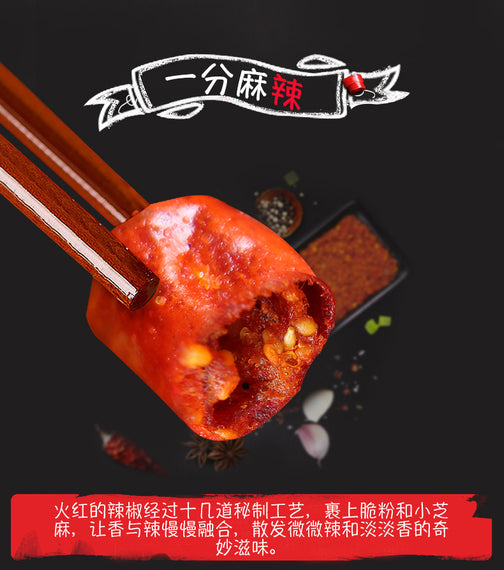
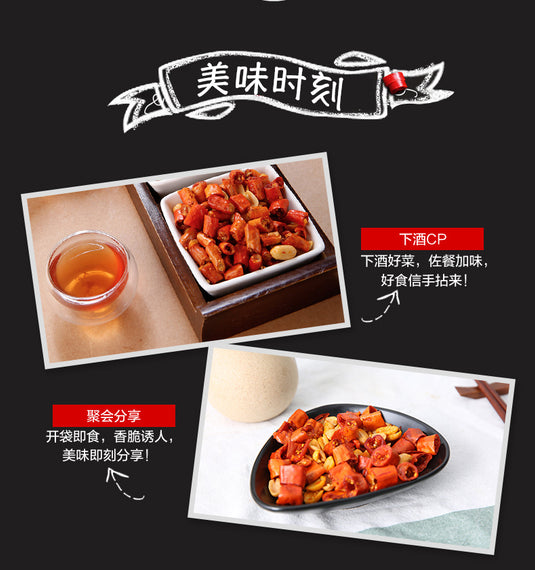
HUANG FEI HONG Magic Chili Snack 黃飛紅香脆椒 — 350gBring bold chili crunch to snack time with HUANG FE...
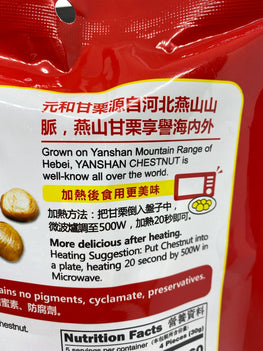
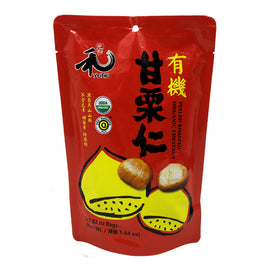
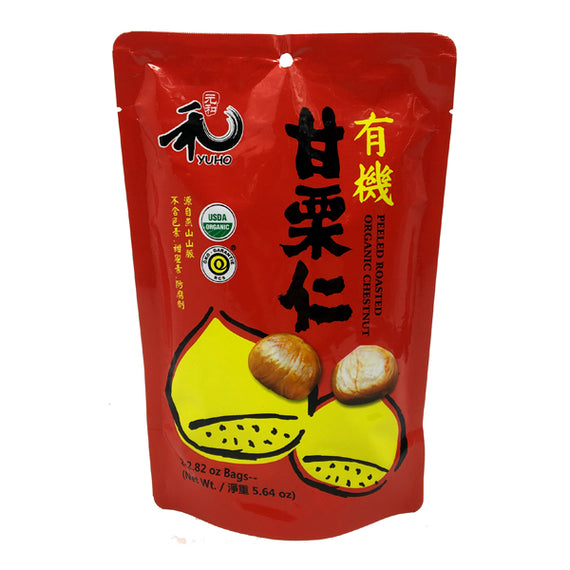
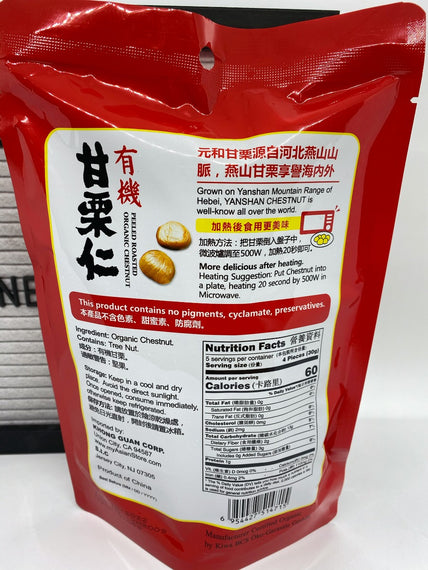
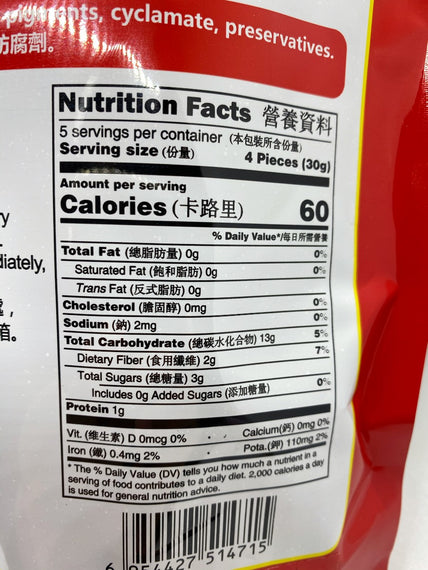
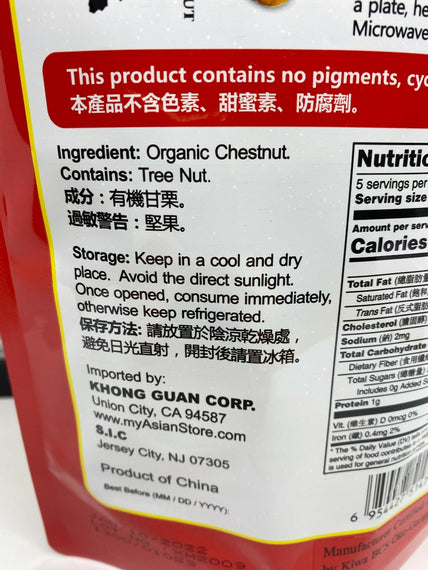
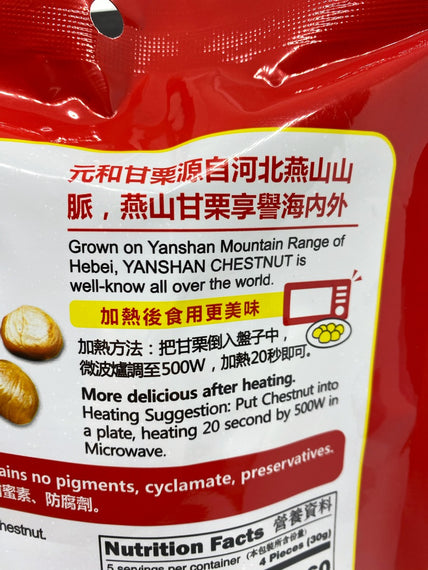
YUHO Organic Peeled Chestnuts (元和 有機甘栗仁) – 5.64oz / 159gReady-to-eat organic chestnuts, peeled an...
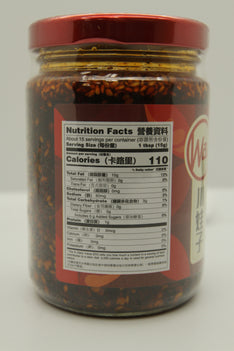
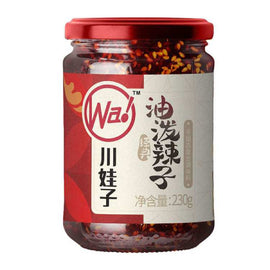
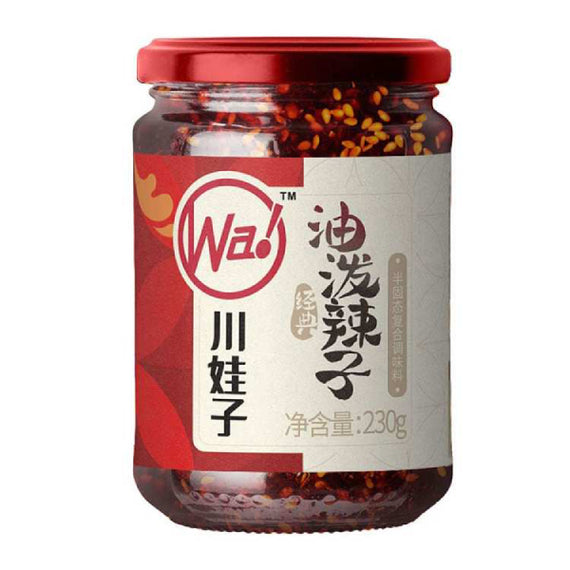
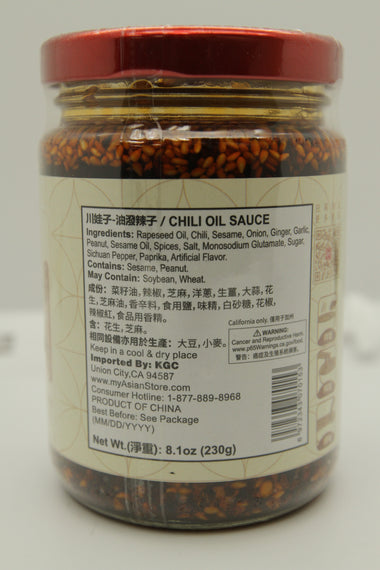
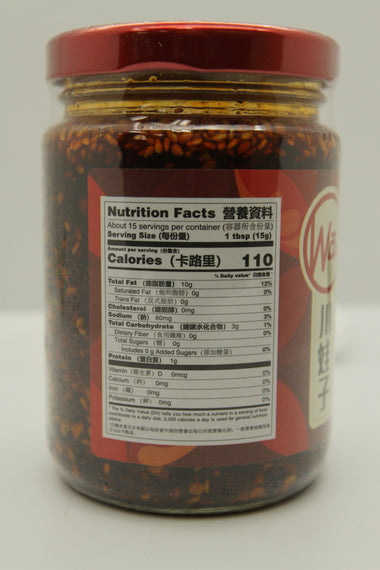
Chuan Wa Zi Chili Oil Sauce 川娃子 油潑辣子 — 230g
Authentic Sichuan chili crisp — the real 油潑辣子 (“oil-s...
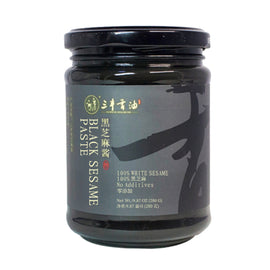
Sanfeng 100% Black Sesame Seed Paste 三豐 100% 黑苝麻醬 — 280gPure, unadulterated black sesame paste — ...


Sungiven Peanut Crunch with Black Sesame 元初 黑苝麺花生酥 — 150gA traditional Chinese peanut brittle mad...
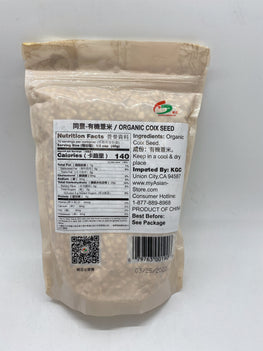
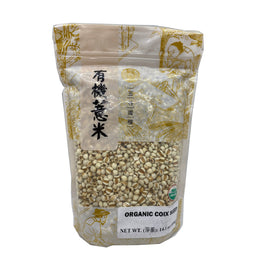
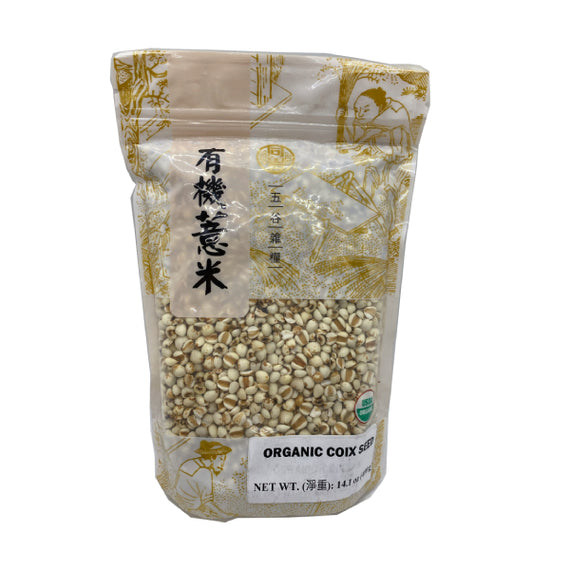
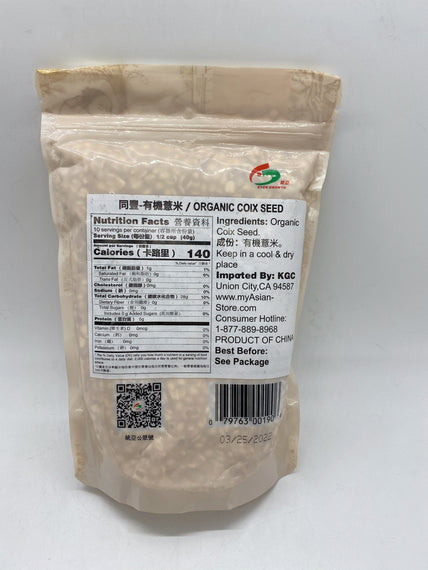
TF Organic Coix Seed — Yi Yi Ren 同豐 有機藜米 — 400gTCM's premier dampness-resolving grain. Coix Seed ...
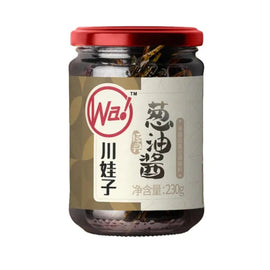
Chuan Wa Zi Shallot Oil Sauce 川娃子 蔥油醬 — 230g
The fragrant, heat-free companion to chili oil. Chua...
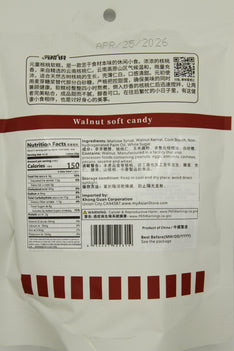
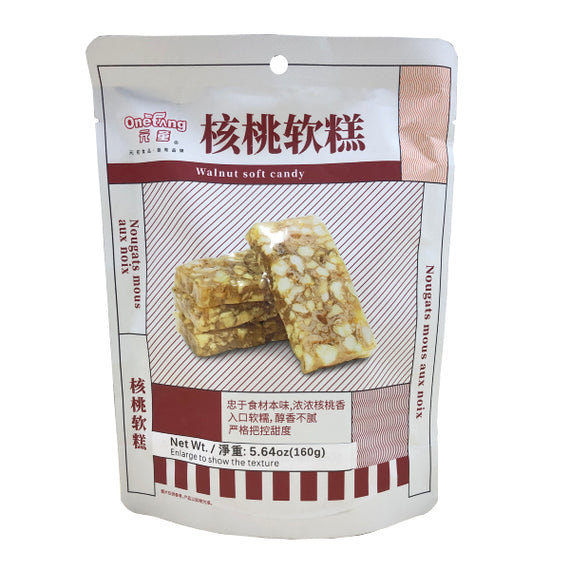
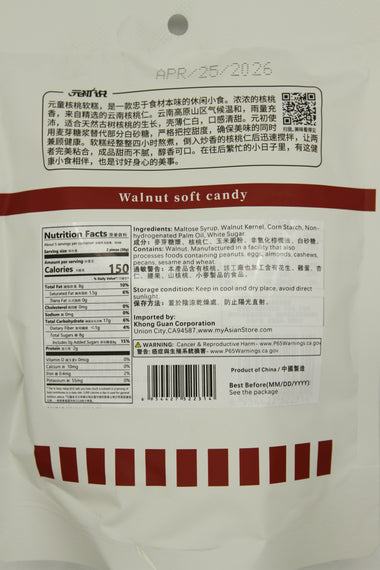
ONETANG Walnut Soft Candy 元童 核桃軟糕 — 160gSoft, chewy, and nutty. ONETANG Walnut Soft Candy is a tr...
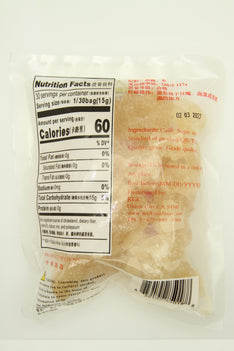
Profusion Rock Sugar 豐華 黃冰糖 — 454gA kitchen staple across Chinese households. Profusion Yellow Ro...


Imperial Palace Dates & Walnut Double Egg Yolk Mooncake 雙黃棗泥核桃月餅 1pc 159g
A rich, distinctive...