Product successfully added to your shopping cart



FRITILLARY & LOQUAT SYRUP WITH MONK FRUIT 羅漢果川貝枇杷膏
Regular price
$12.99
Fritillary & Loquat Syrup with Monk Fruit (羅漢果川貝枞笷膏)A time-honored TCM lung tonic sweetened with monk fruit. This classic herbal syrup combines Sichuan Fritillary, Loquat Leaf, and Monk Fruit to gently moisten the lungs, clear heat, and soothe dry, irritating coughs.Product Details Net Weight: 10 oz Country of Origin: Taiwan Vendor:...
Fritillary & Loquat Syrup with Monk Fruit (羅漢果川貝枞笷膏)
A time-honored TCM lung tonic sweetened with monk fruit. This classic herbal syrup combines Sichuan Fritillary, Loquat Leaf, and Monk Fruit to gently moisten the lungs, clear heat, and soothe dry, irritating coughs.
Product Details
- Net Weight: 10 oz
- Country of Origin: Taiwan
- Vendor: Komanju
- Sweetened with: Monk Fruit
Key Ingredients & Benefits
- Sichuan Fritillary (川貝母 / Chuan Bei Mu): Moistens the Lungs, transforms sticky phlegm, and stops dry cough — the premier TCM herb for unproductive, lingering coughs
- Loquat Leaf (枞笷葉 / Pi Pa Ye): Clears Lung Heat and descends rebellious Qi — soothes hot, scratchy throats and directs fluids downward to stop coughing
- Monk Fruit (羅漢果 / Luo Han Guo): A cooling, sweet TCM herb — soothes dry throats and clears heat
Best For
- Dry, tickling, unproductive coughs
- Scratchy or sore throat from dryness
- Post-illness lingering cough
- Dry indoor air or seasonal transitions (autumn/winter)
TCM Note: Dry Cough Only
This syrup is specifically formulated for dry cough patterns — little or no phlegm, dry/scratchy throat, worsens at night or in dry environments. It is not suitable for wet, phlegmy coughs with copious thin or white mucus, as the moistening herbs may worsen that condition. When in doubt, consult a TCM practitioner.
How to Use
Take as directed on the packaging. Best taken warm or at room temperature. Shake well before use.
Disclaimer: This product is a traditional herbal food syrup. It is not intended to diagnose, treat, cure, or prevent any disease. Consult a qualified TCM practitioner or healthcare provider for personalized guidance.
Related Products
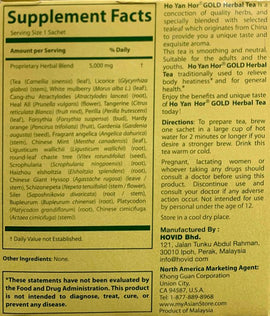
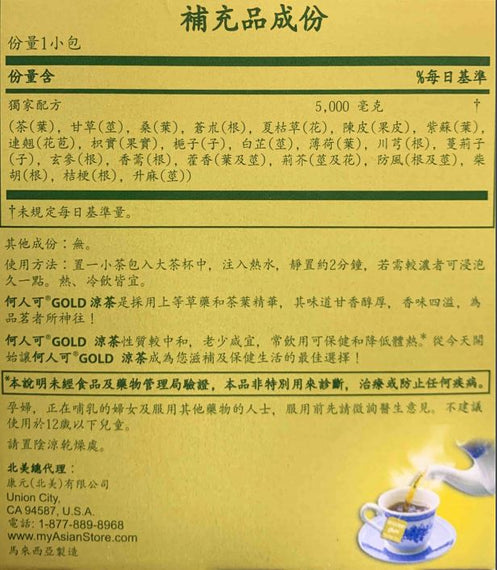
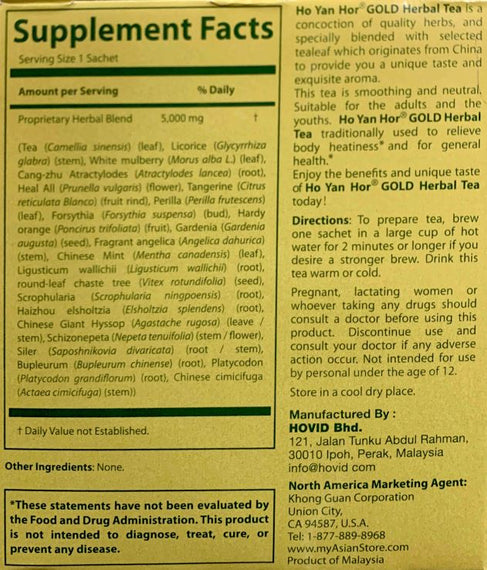
Ho Yan Hor Gold Herbal Tea (何人可 GOLD 涼茶) – 12 SachetsBalance and cool your body with a cup of Ho ...
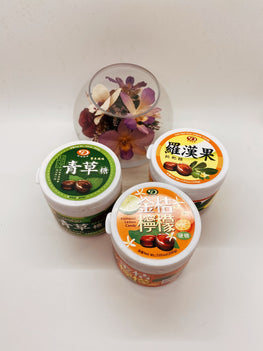
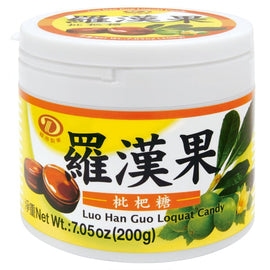
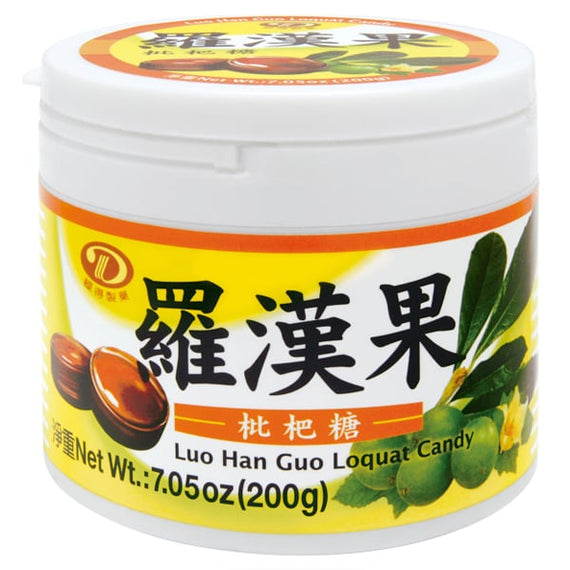
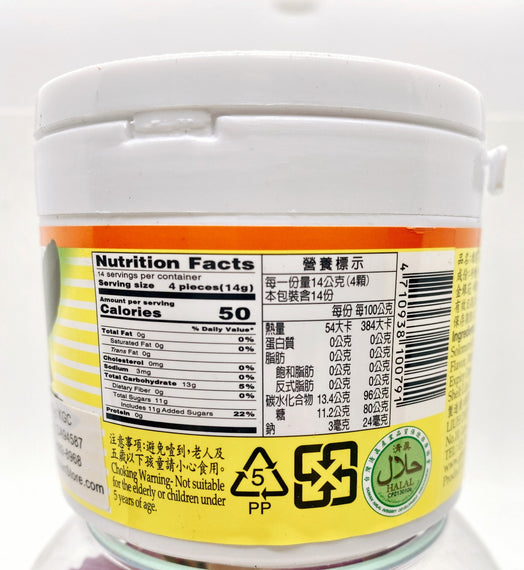
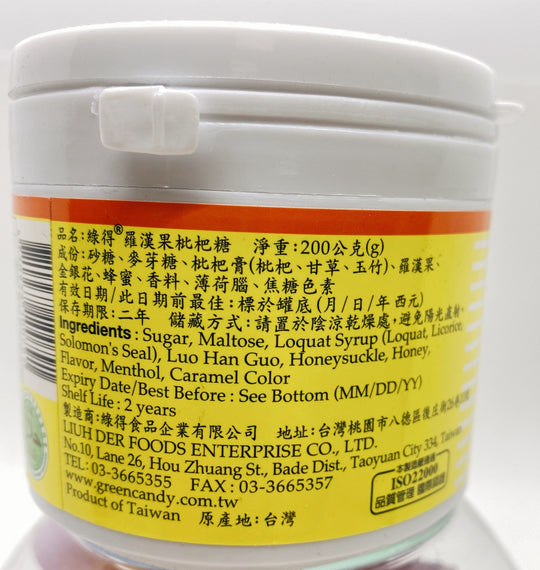
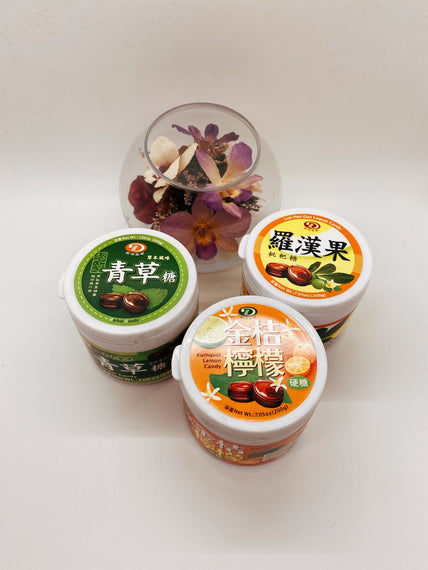
Liuh Der Luo Han Guo Loquat Candy (綠得製菓 羅漢果枞笷糖) – 200gAncient herbal wisdom in a modern treat. Li...
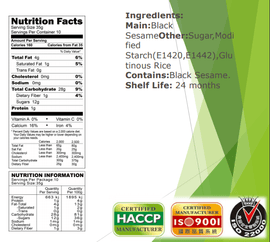
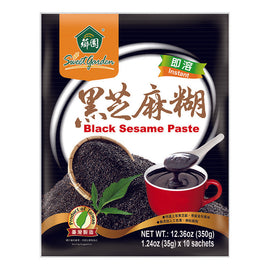
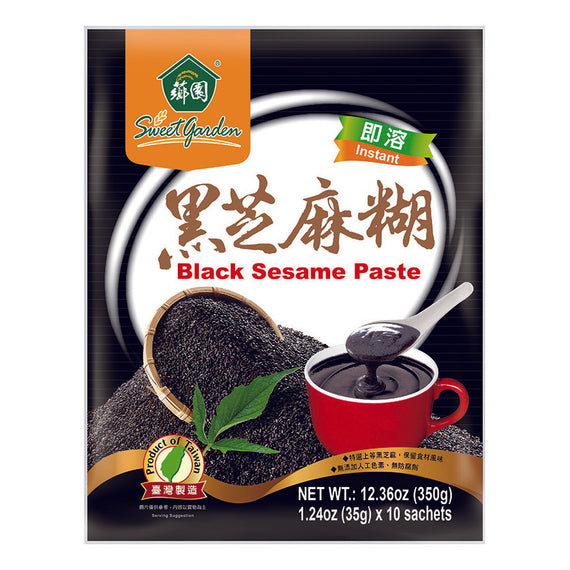
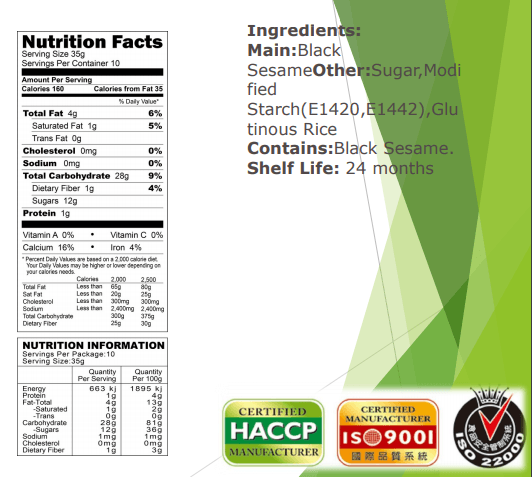
Sweet Garden Instant Black Sesame Paste Powder — 10 Sachets, 320g
A pure, plant-based paste made...
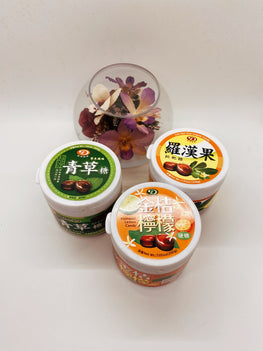
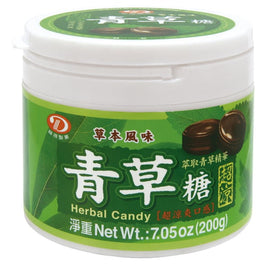
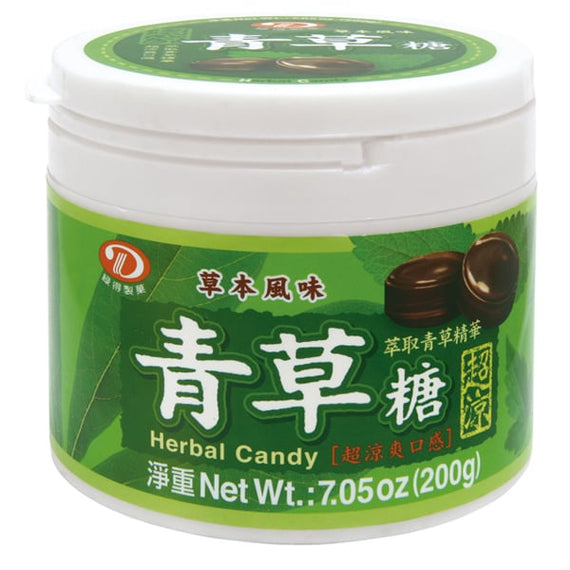
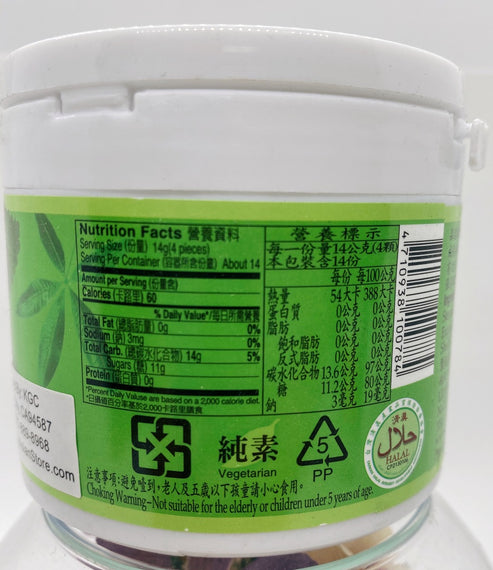
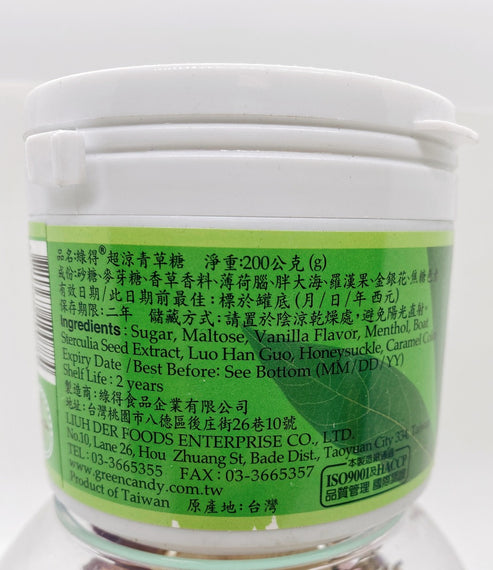
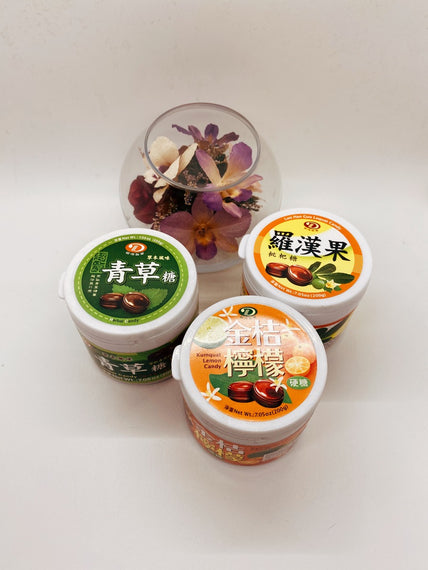
Liuh Der Herbal Candy (綠得製菓 青草糖) – 200gA portable moment of herbal wellness. Liuh Der's Herbal Ca...
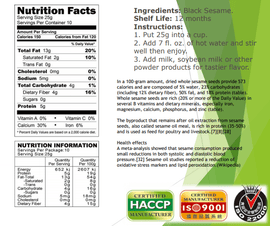
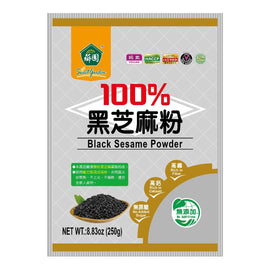
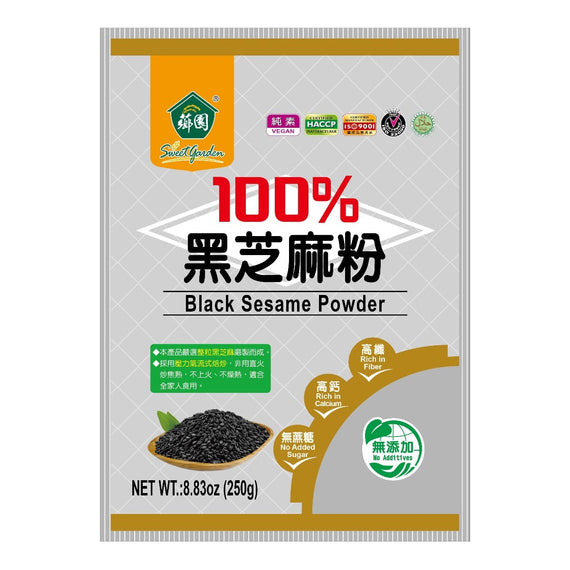
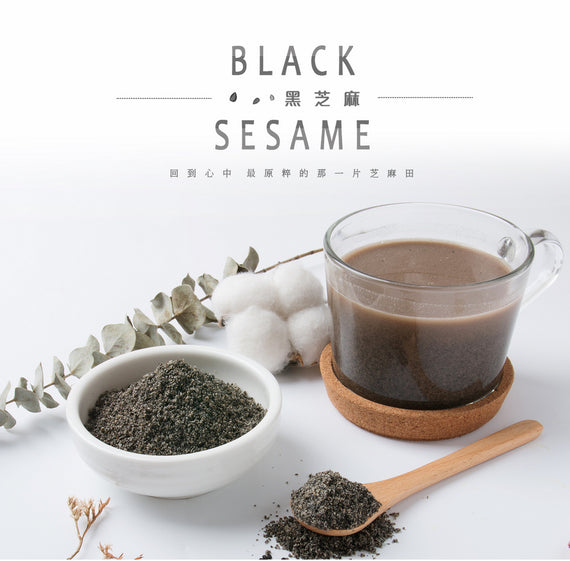
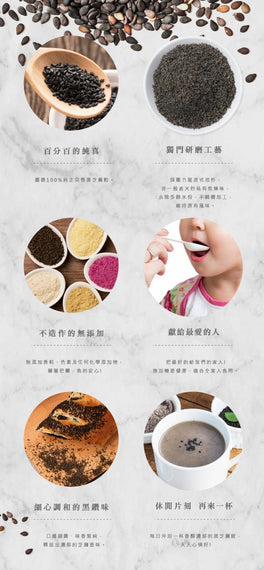
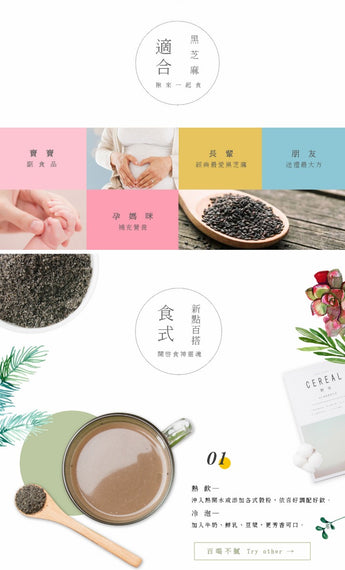
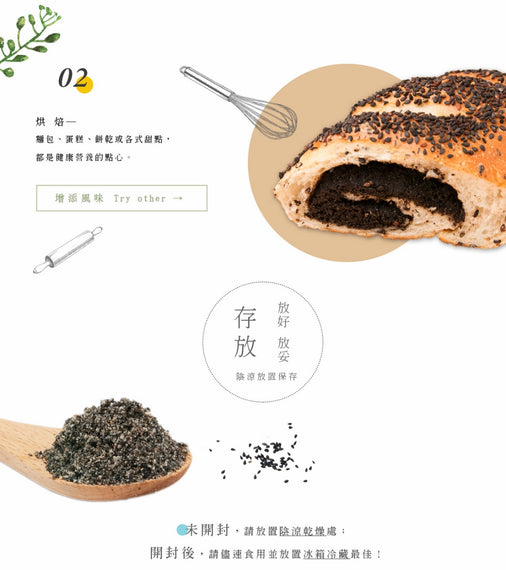
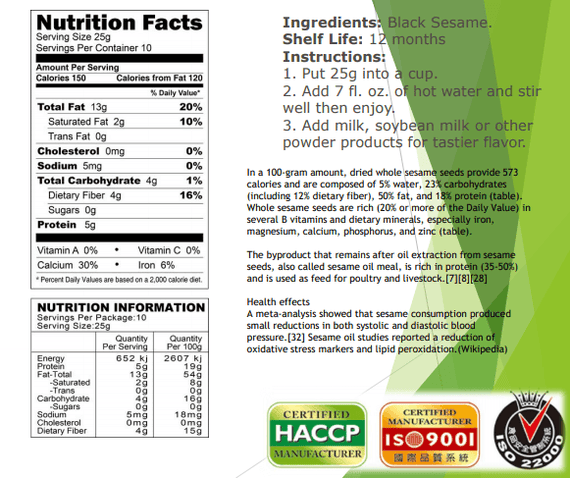
Sweet Garden 100% Black Sesame Powder — 10 Sachets, 320g
A pure, plant-based powder made entirely...
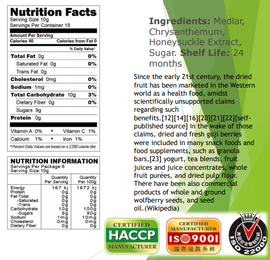
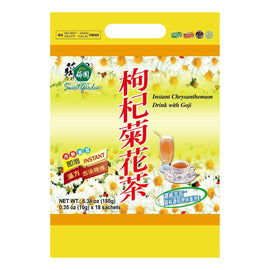
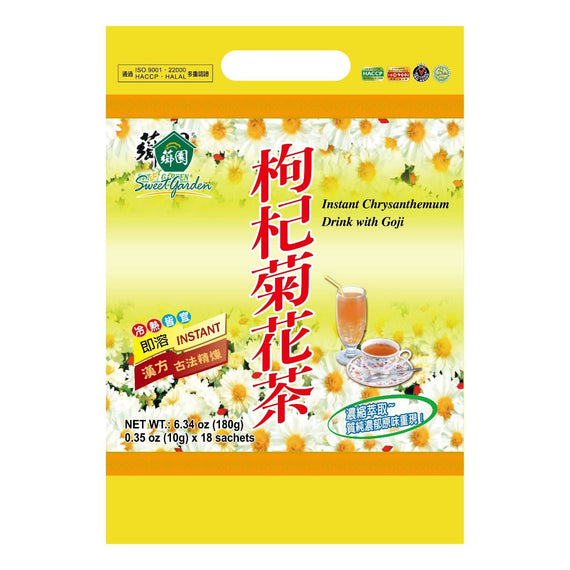
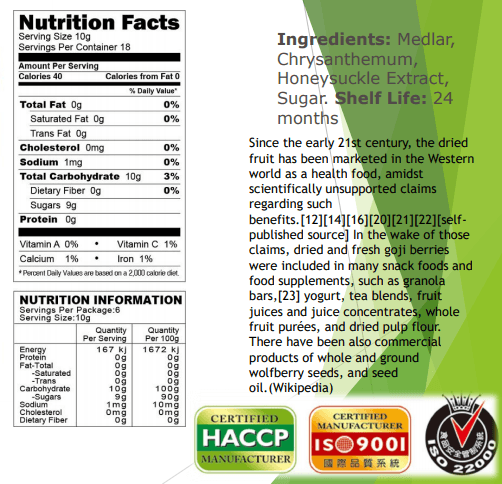
Sweet Garden Instant Chrysanthemum Drink with Goji 鄕園 枸杞菊花茶 180g (18 Sachets)
A classic herbal pa...
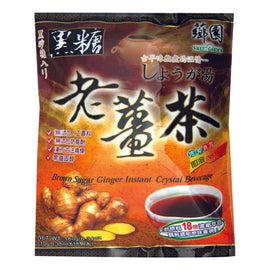
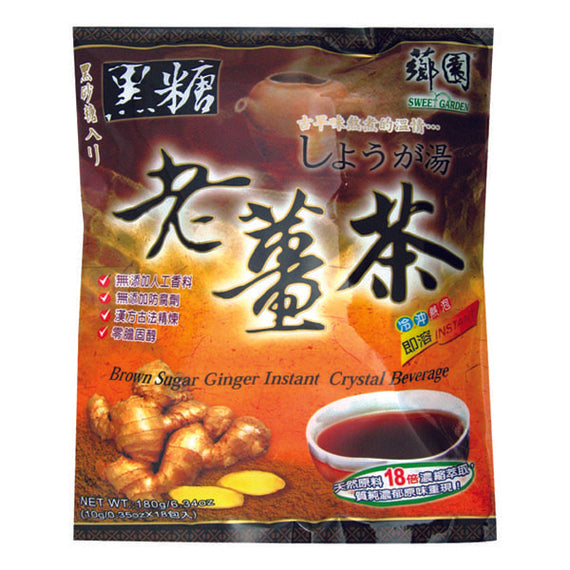
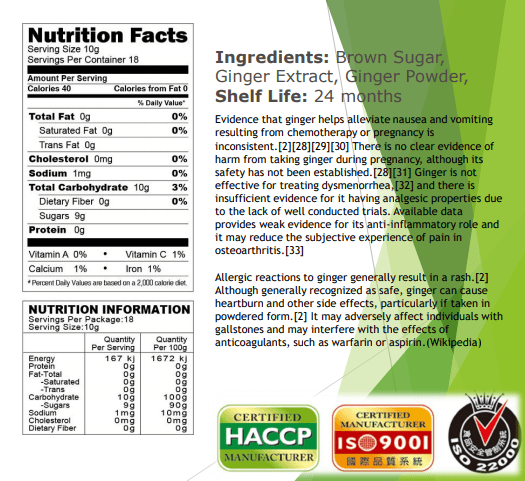
Sweet Garden Brown Sugar Ginger Instant Beverage – 18 SachetsA warming classic rooted in Traditio...
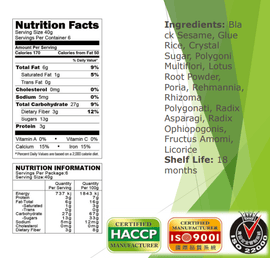
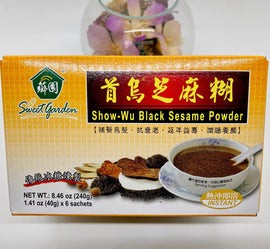
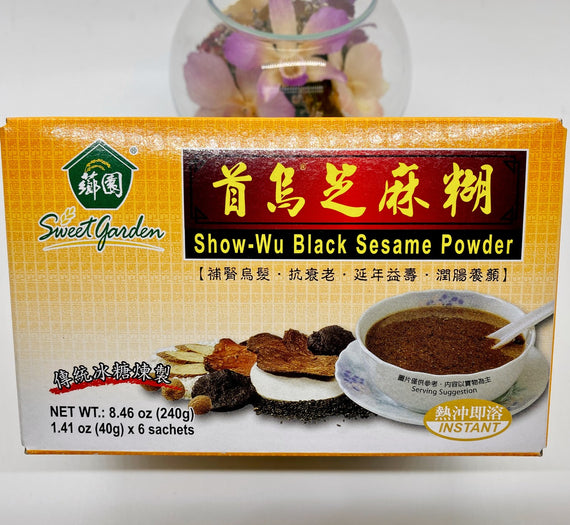
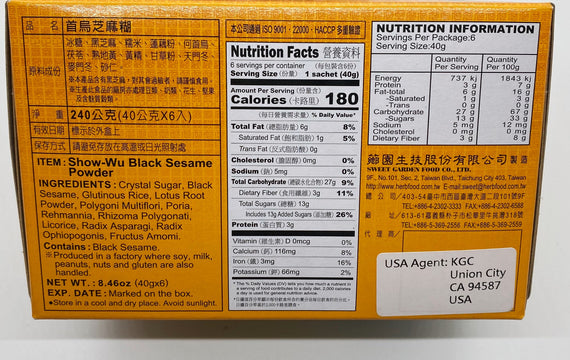
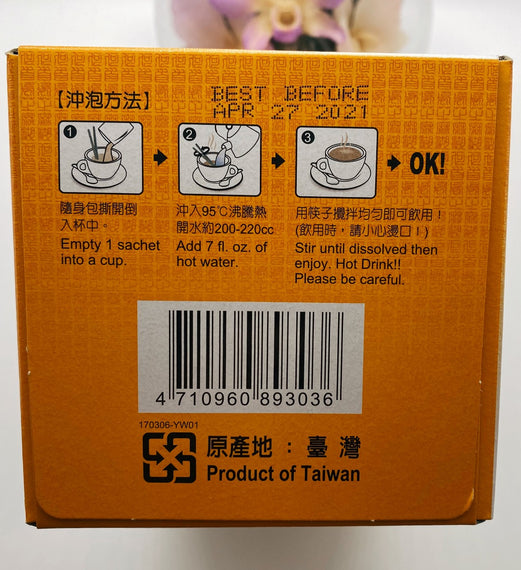
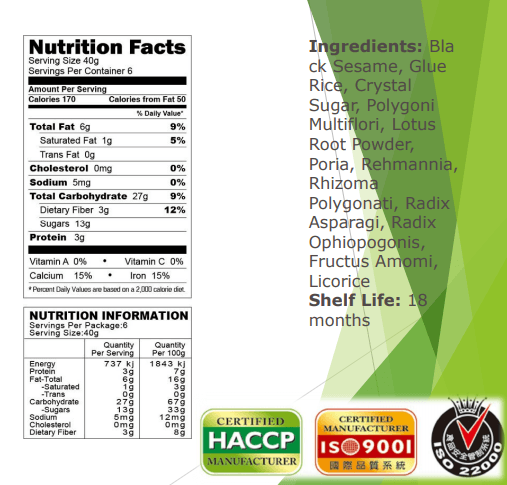
Sweet Garden He Shou Wu (首烏) Black Sesame Powder – 6 SachetsA time-honored TCM herbal blend craft...
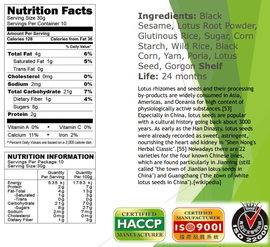
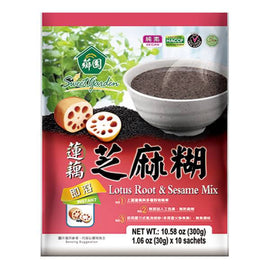
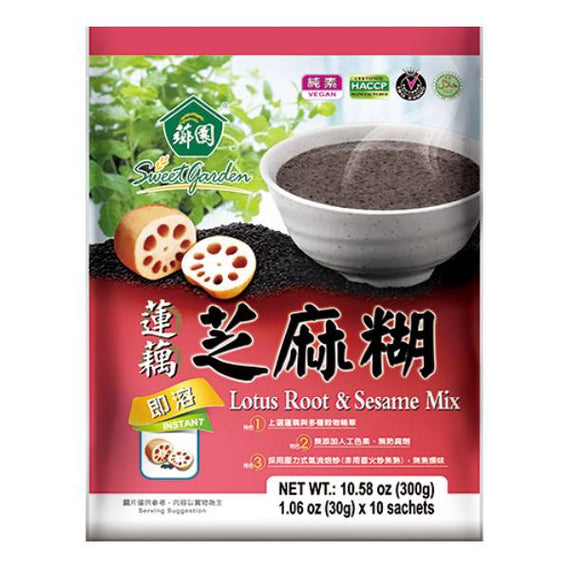
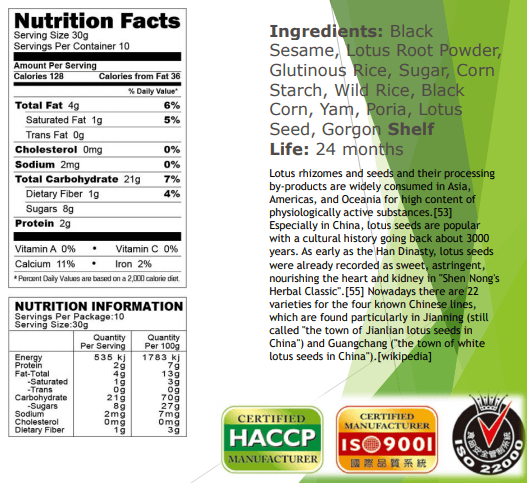
Sweet Garden Lotus Root & Sesame Mix 鄕園 蓮藕苝麻糊 300g (10 Sachets)
A nourishing instant grain po...


Sweet Garden Black Soybean Grain Powder 薌園 黑豆保健穀粉 330g
A warm, nourishing instant grain drink mad...