Product successfully added to your shopping cart

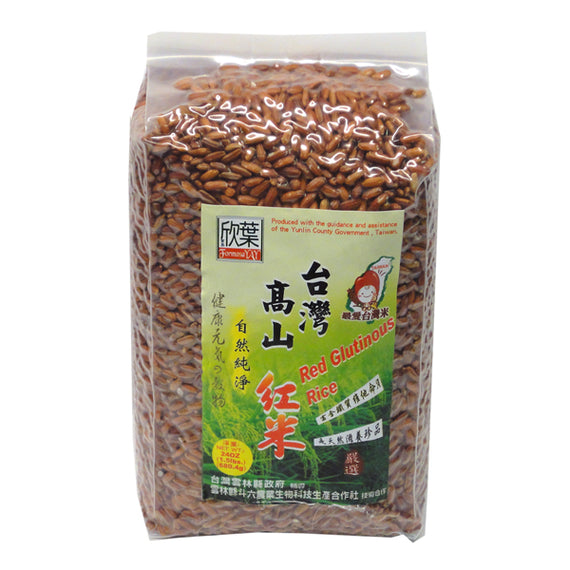
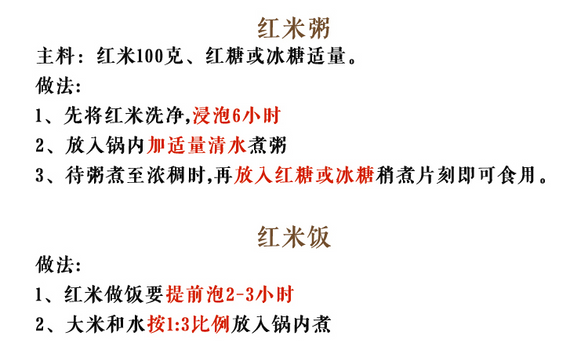
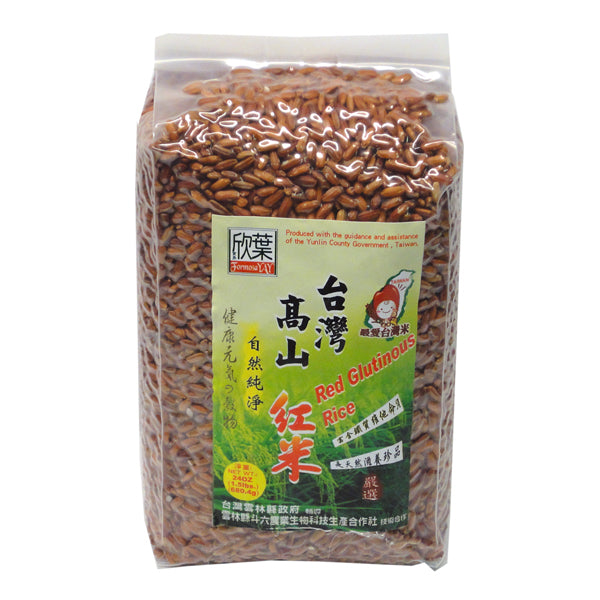
FORMOSA YAY Taiwan Red Glutinous Rice 欣葉 台灣高山紅米 1.5LB
Regular price
$8.99
Red Glutinous Rice: The Festive, Blood-Nourishing Treasure A grain steeped in ritual, celebration, and profound traditional medicine, red glutinous rice is a unique ingredient that embodies the intersection of food, culture, and healing. Its vibrant hue and symbolic meaning make it far more than just a colorful starch. What Exactly...
Red Glutinous Rice: The Festive, Blood-Nourishing Treasure
A grain steeped in ritual, celebration, and profound traditional medicine, red glutinous rice is a unique ingredient that embodies the intersection of food, culture, and healing. Its vibrant hue and symbolic meaning make it far more than just a colorful starch.
What Exactly Is Red Glutinous Rice?
It's crucial to understand that "Red Glutinous Rice" generally comes in two distinct forms, each with a different origin and use:
1. Naturally Pigmented Red Glutinous Rice
-
What it is: An heirloom variety of whole-grain sticky rice where the bran layer is naturally a rich, reddish-brown color. Like purple and black rice, its color comes from anthocyanin antioxidants.
-
Key Trait: It is unhulled or partially hulled, retaining its nutrient-dense bran. It is glutinous (sticky) due to its amylopectin starch content, and gluten-free.
-
Other Names: Often called "Crimson Rice" or "Red Sticky Rice."
2. Yeast-Fermented Red Glutinous Rice (Hong Qu Mi)
-
What it is: This is regular white glutinous rice that has been cultured, fermented, and turned a deep, brick-red color by a special mold called Monascus purpureus.
-
Key Trait: This is a functional food and medicinal substance. The fermentation process produces bioactive compounds called monacolins, most notably Monacolin K, which is chemically identical to the cholesterol-lowering drug lovastatin.
-
Other Names: Red Yeast Rice, Hong Qu, Beni Koji.
This article will focus on the first type—the naturally red, whole-grain glutinous rice—as a culinary and TCM dietary ingredient.
Traditional Chinese Medicine (TCM) Perspective
In TCM, the color red is intimately connected to the Heart and the Blood (Xue). Naturally red or purple-hued foods are often considered blood-tonifying and heart-nourishing.
-
Properties: Sweet, warm (or neutral).
-
Meridian Entry: Primarily Heart, Spleen, and Stomach.
-
Key Actions & Beliefs:
-
Nourishes the Blood & Heart: Used to support healthy blood volume, circulation, and calm the spirit (Shen) anchored by the Heart. It's a food for vitality.
-
Tonifies the Spleen and Qi: As a warm, sweet grain, it strengthens digestion and provides sustainable energy.
-
A Tonic for Postpartum Recovery: Its dual action of building blood and supporting digestion makes it a prized, restorative food for new mothers in many Asian cultures.
-
Symbolism of Luck & Vitality: Its vibrant red color associates it with life force, celebration, and auspicious occasions.
-
Culinary Uses: Celebration & Nourishment
Its stunning color and chewy texture make it a centerpiece for both daily meals and festive tables.
1. Festive "Bao Bao" Rice & Celebration Cakes
Steamed red glutinous rice is a common offering during festivals, weddings, and Lunar New Year, symbolizing luck, happiness, and prosperity. It's often mixed with other symbolic ingredients like red beans, dates, and lotus seeds, then steamed in lotus leaves or banana leaves.
2. Nourishing "Blood-Tonifying" Congee
Simmered long and slow with extra water into a porridge, it becomes a deeply nourishing and easily digestible meal. Classic TCM combinations include:
-
With Red Dates & Longan: To enhance blood nourishment and calm the spirit.
-
With Goji Berries & Lean Pork: A classic postpartum recovery congee.
3. Vibrant Stuffings and "Zongzi"
Its sticky texture makes it ideal for the classic Chinese zongzi (sticky rice dumplings), where its color adds a festive twist. It's also used as a stuffing for poultry or duck.
4. Sweet Desserts & "Eight Treasure Rice"
A key component in Ba Bao Fan (Eight Treasure Rice), a luxurious steamed dessert pudding layered with sweetened beans, nuts, and dried fruits, often served during holidays.
A Simple, Auspicious Recipe: Red Glutinous Rice & Date Congee
Ingredients:
-
1 cup naturally red glutinous rice
-
6-8 cups water or light broth
-
6-8 dried red dates (Jujube), pitted
-
1 tbsp goji berries
-
1 small piece of rock sugar or 1 tsp honey (optional)
-
A few thin slices of ginger
Instructions:
-
Soak: Rinse the red glutinous rice and soak it for at least 4 hours, preferably overnight. This is essential for even cooking.
-
Cook: Drain the rice and place it in a pot with the water/broth, red dates, and ginger. Bring to a boil, then reduce to a very low simmer.
-
Simmer: Cook, partially covered, for 1 to 1.5 hours, stirring occasionally to prevent sticking, until the rice has broken down into a thick, porridge-like consistency.
-
Finish: Stir in the goji berries and sweetener (if using) in the last 10 minutes of cooking.
-
Serve: Enjoy warm as a fortifying breakfast or a restorative snack.
Symbolism: This congee combines the blood-nourishing red rice and dates with the liver-tonifying goji berries, creating a meal that is as meaningful as it is delicious.
Important Distinction & Cautions
-
Not Red Yeast Rice: When purchasing for culinary use, ensure you are buying the naturally red, whole-grain glutinous rice, not the medicinal fermented red yeast rice (Hong Qu Mi), which is used in specific, controlled amounts for health purposes.
-
TCM Note: Due to its sticky nature and warming property, those with patterns of excessive "damp-heat" or severe food stagnation may consume it in moderation.
In summary, naturally red glutinous rice is a celebratory grain of life, vitality, and ancestral wisdom. Cooking with it is an act of connecting to cultural heritage and intentionally choosing foods that nourish the body on a deep, energetic level. Its festive color reminds us that eating for health can also be a joyful and beautiful ritual.
Net Weight: 1.5lbs
Country of Origin: Taiwan
紅米是臺灣東部的寶物!可以煮稀飯或燉排骨!都是暖身的好食材!需浸泡1-2小時喔
Related Products


Nourishing the Lungs: The Ancient Wisdom of Fritillary & Loquat Syrup, Modernly Sweetened wit...
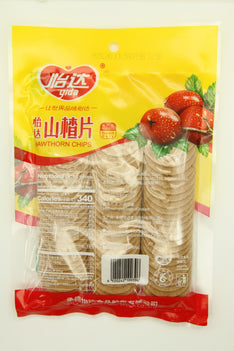
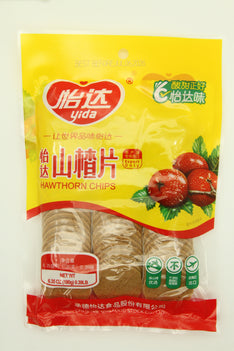
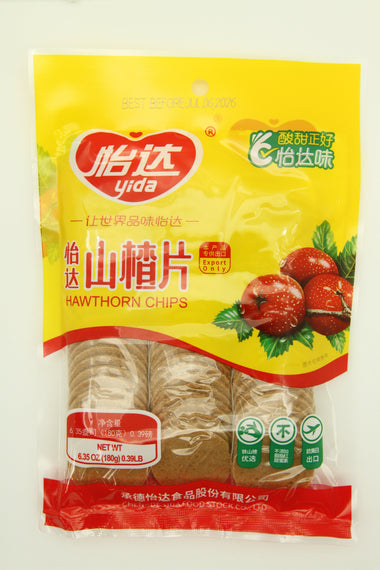
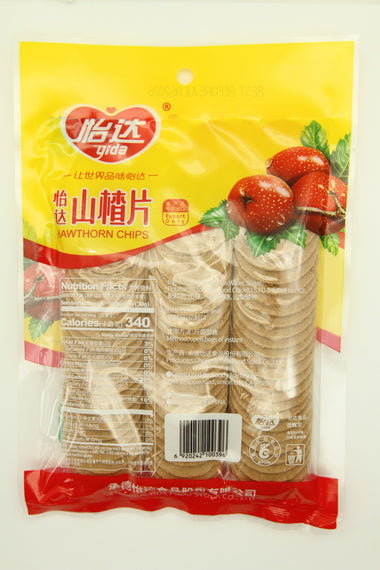
YIDA Hawthorn Chips: A Crispy, Tangy Surprise from the "Hawthorn Capital"
Imagine a chip that's n...
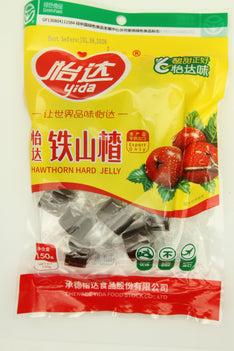
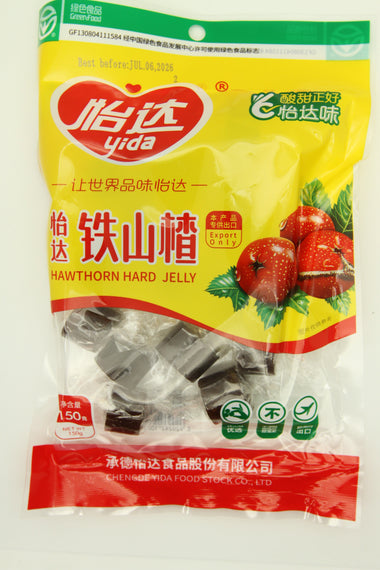
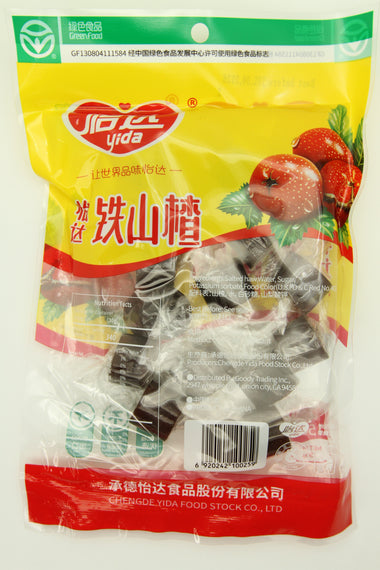
YIDA Hawtron Jelly Rolls: The Sophisticated Tang of "Iron Hawthorn"
Imagine unrolling a delicate,...
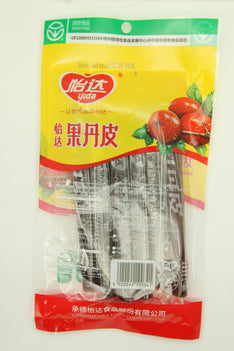
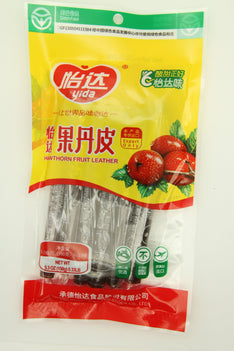
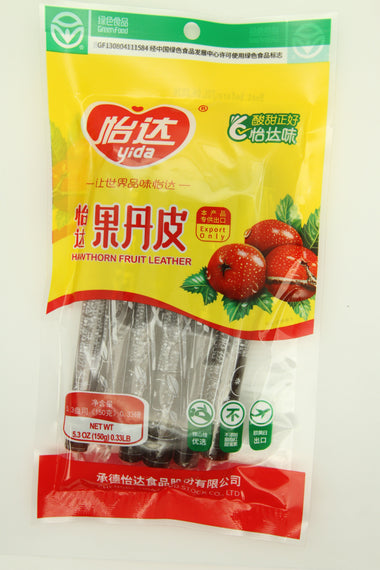
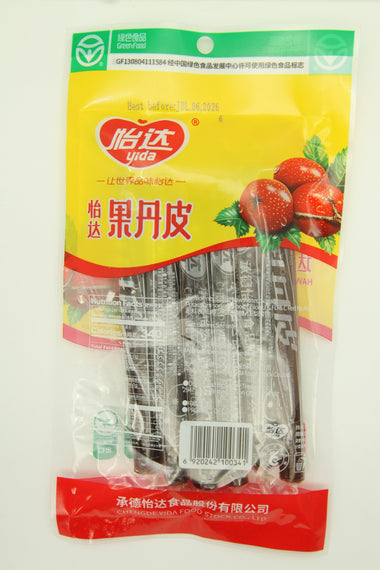
YIDA Hawthorn Fruit Leather Strips: A 300-Year-Old Taste of Chinese Tradition
Imagine a snack tha...
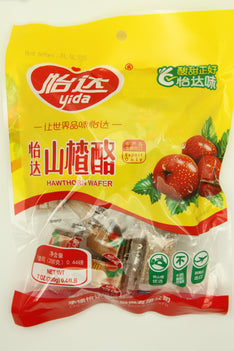
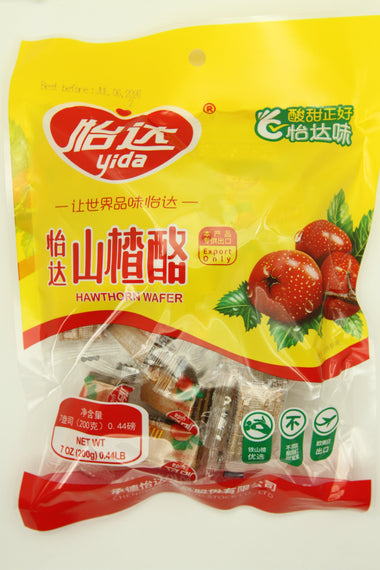
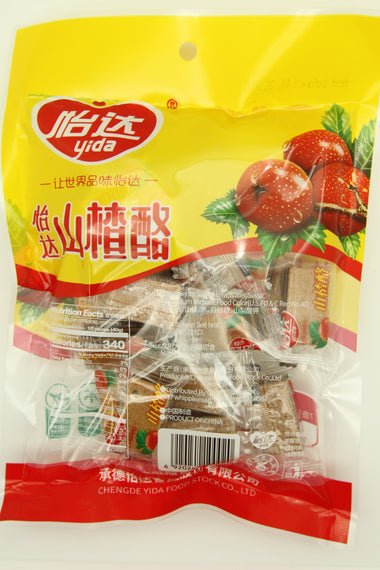
YIDA Hawthorn Wafers: A Crisp, Modern Twist on a 300-Year-Old Classic
Imagine the nostalgic, sw...
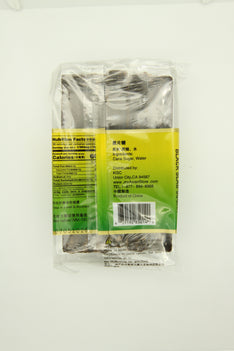
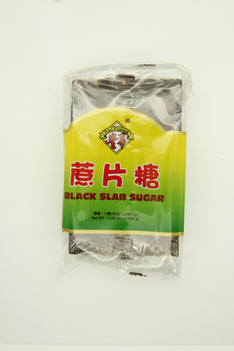
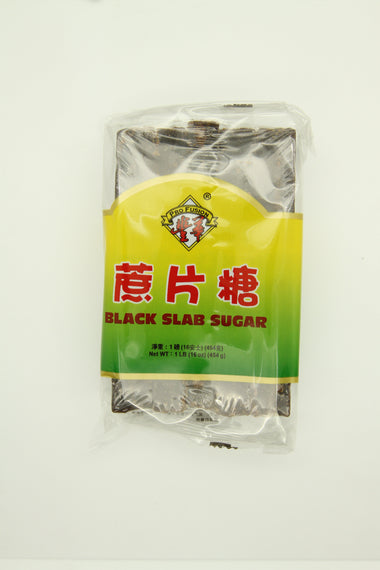
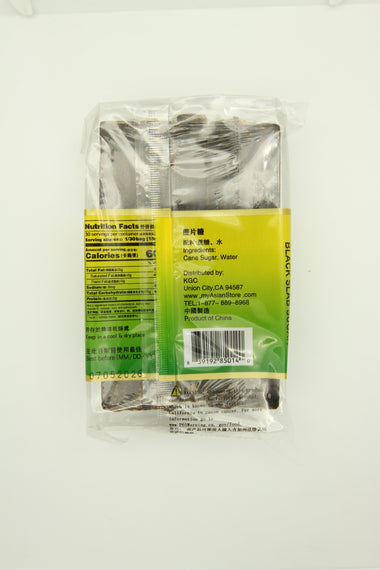
Beyond Sweetness: The Unassuming Versatility of the Black Sugar Slab
In the world of sweeteners, ...
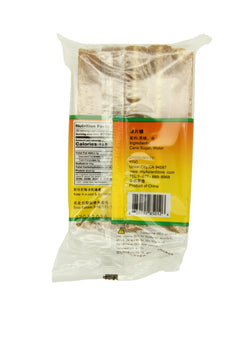
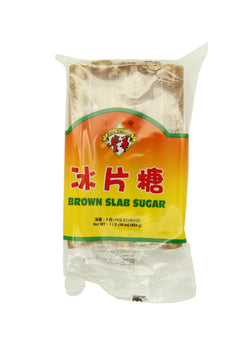
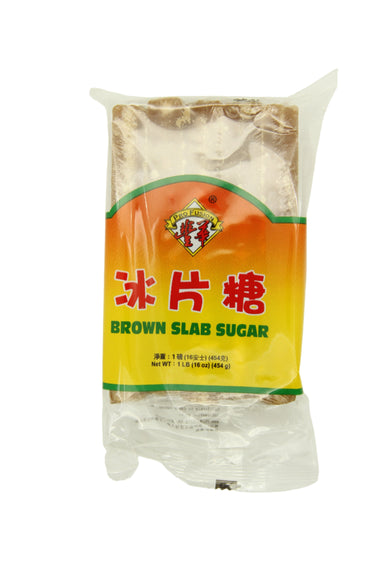
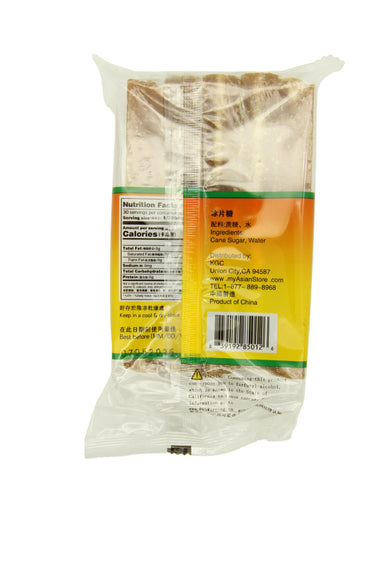
The Unassuming Artisan: Unlocking the Versatility of the Brown Sugar Slab
In an age of hyper-proc...
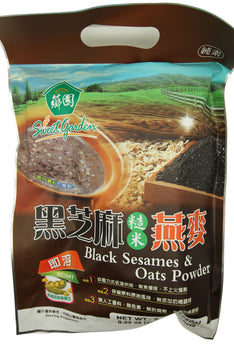
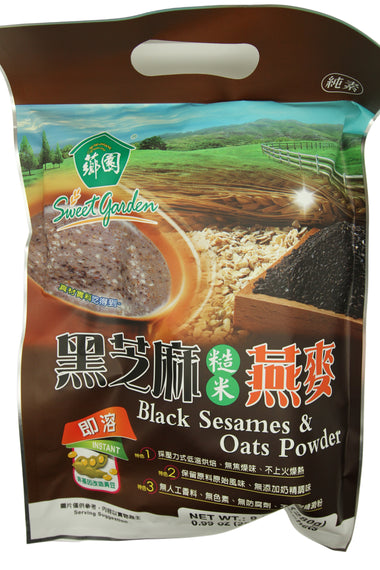
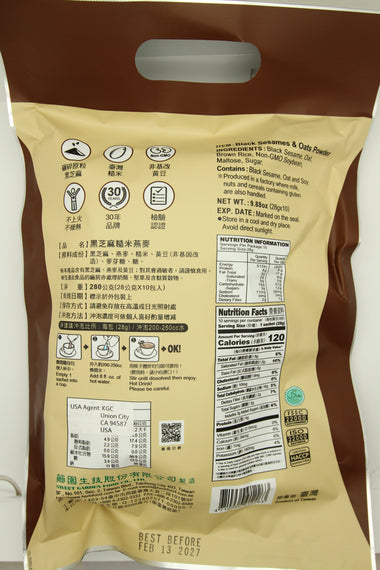
Forget the Fudge Brownie: Your New Favorite Dessert is a Power Trio of Sesame, Brown Rice, and Oa...
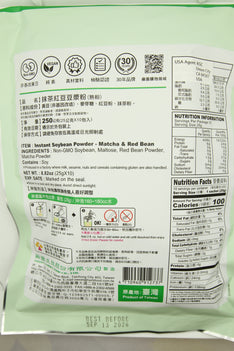
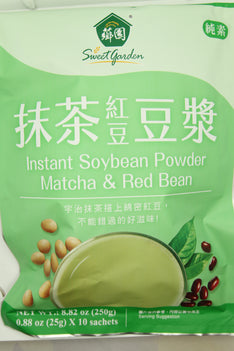
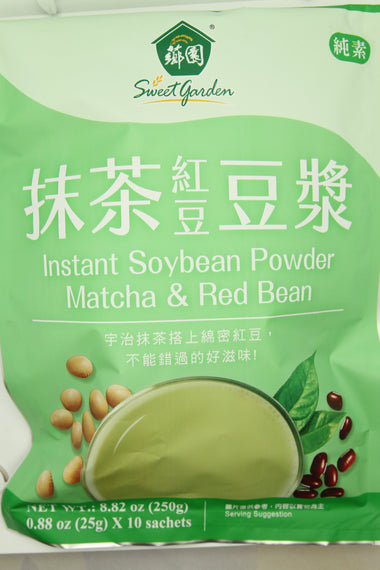
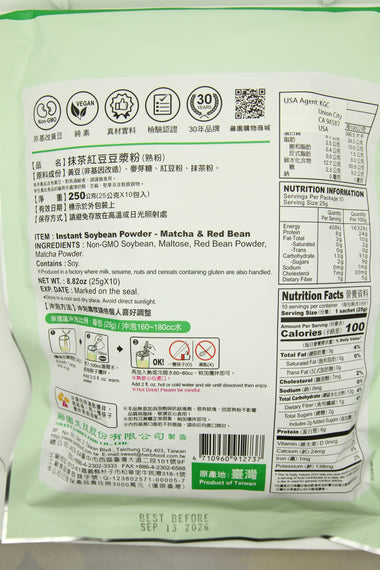
Ditch the Shake: Why Your Morning Protein Needs a Matcha & Red Bean Upgrade
For years, the mo...
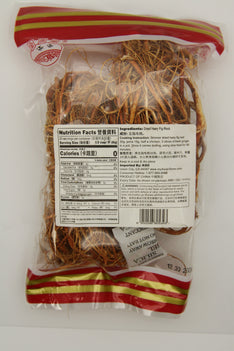
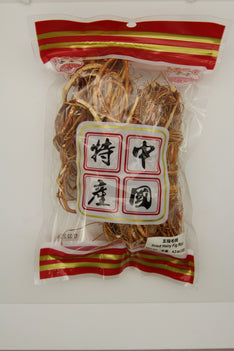
Unlock the Secret of Your Coconut Soup: The Ancient Chinese Herb Hiding in Your Pantry
You’ve fol...