Product successfully added to your shopping cart

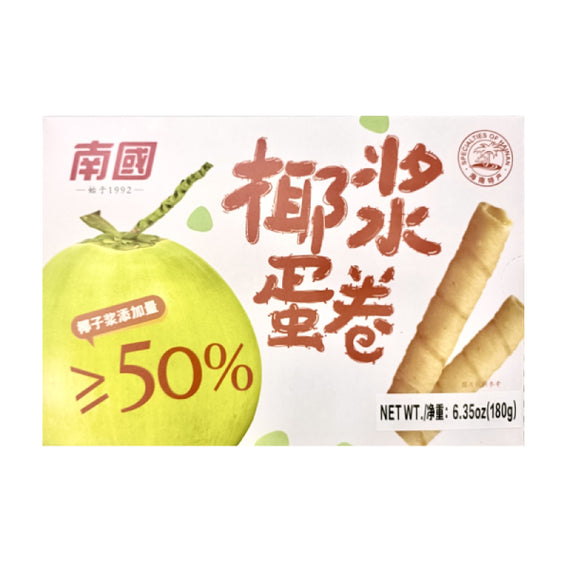
The Sweet Egg Roll: Unwrapping a Golden Mystery Few foods embody cross-cultural confusion and culinary delight quite like the "sweet egg roll." Its name sparks immediate misunderstanding in the West, while in the East, it evokes nostalgia, celebration, and the unmistakable sound of a crispy shell shattering. This is not...
The Sweet Egg Roll: Unwrapping a Golden Mystery
Few foods embody cross-cultural confusion and culinary delight quite like the "sweet egg roll." Its name sparks immediate misunderstanding in the West, while in the East, it evokes nostalgia, celebration, and the unmistakable sound of a crispy shell shattering. This is not the savory takeout appetizer America knows. This is a world of hidden sweetness, where a simple name guards a diverse and delicious tradition.
The Name Game: A Case of Mistaken Identity
First, the crucial clarification. In the United States and many Western countries, an "egg roll" is universally understood as a savory, fried cylindrical appetizer filled with cabbage, pork, and carrots, served with soy or duck sauce. It is a staple of Chinese-American cuisine.
Therefore, the phrase "sweet egg roll" sounds contradictory to Western ears. But across Asia, the concept is not only familiar but beloved—it just often goes by different names or lives under the broader umbrella of "sweet pastries." The confusion arises from the translation of various Asian treats into English, where "egg roll" sometimes sticks.
The Two Pillars of Sweet Egg Roll Love
The love for sweet egg rolls in Asian cultures stems from two distinct, beloved treats.
1. The Dessert Spring Roll
This is the closest relative to the American idea of a "roll." It is a crispy, fried wrapper enveloping a warm, sweet filling.
-
The Experience: The joy is in the contrast. The exterior is a delicate, shatteringly crisp shell, often made from a wheat-based wrapper or a thinner, translucent spring roll pastry. Inside lies a lush, sweet, and often aromatic filling.
-
Iconic Fillings:
-
Red Bean Paste (Dou Sha): The classic. Smooth, subtly sweet, and earthy.
-
Taro Paste: Vibrant purple, nutty, and creamy.
-
Banana or Plantain: Often paired with a drizzle of honey or chocolate, popular in Southeast Asia.
-
Coconut and Peanuts: Sweet, fragrant, and texturally thrilling.
-
-
Why It's Loved:
-
Festive Symbolism: Their golden, cylindrical shape is reminiscent of gold bars, making them a symbolic food for wealth and prosperity during Lunar New Year and other celebrations.
-
Street Food Joy: They are a ubiquitous and beloved street food, providing instant gratification with their hot, crispy sweetness.
-
Shared Celebration: Making them is often a family affair, linking the food to memories of preparation and shared festivity.
-
2. The "Dan Juan" (蛋卷) or Egg Roll Cookie
This is the primary source of the naming confusion. This is not a filled roll at all. It is a Hong Kong and Cantonese pastry cookie.
-
The Creation: A thin batter of eggs, sugar, flour, and butter is poured onto a hot griddle. Once cooked into a delicate sheet, it is swiftly rolled around a rod into a perfect cylinder before it cools and hardens.
-
The Experience: The love here is all about texture. A dan juan is phenomenally light, layered, and flaky. It melts on the tongue with a buttery, eggy sweetness that is never cloying.
-
Why It's Loved:
-
Textural Mastery: Its incredible fragility and melt-in-the-mouth quality are a marvel of simple ingredients transformed.
-
Nostalgic Tea-Time Snack: It is a quintessential accompaniment to Chinese tea, a delicate bite that complements without overpowering.
-
A Humble Gift: Often packed in decorative tins, these egg roll cookies are a common and cherished gift.
-
A Cultural Bridge: Growing Awareness in the West
The understanding of sweet egg rolls is evolving globally:
-
Through Diaspora & Authentic Restaurants: Asian dessert cafes and bakeries now serve real dessert spring rolls (labeled as such) and sell tins of egg roll cookies, educating new audiences.
-
The "Fusion" Dessert Menu: Many modern restaurants feature "Thai Banana Spring Rolls" or "Fried Mango Rolls" served with ice cream. This is the Western world's primary gateway to the concept—appreciated as a delicious, crispy dessert, even if its cultural roots aren't fully known.
-
The Power of Food Media: Cooking shows and culinary travelogues are finally distinguishing between the American savory egg roll and its Asian sweet counterparts.
| Aspect | Dessert Spring Roll | Dan Juan (Egg Roll Cookie) | American Savory Egg Roll |
|---|---|---|---|
| Form | Filled, fried cylinder | Hollow, rolled cookie cylinder | Filled, fried cylinder |
| Texture | Crispy shell, soft filling | Extremely flaky, crisp, melt-in-mouth | Chewy/crispy wrapper, crunchy vegetable filling |
| Primary Flavor | Sweet (bean, taro, coconut) | Lightly sweet, buttery, eggy | Savory, umami (soy, pork, cabbage) |
| When Eaten | Dessert, festival snack, street food | With tea, as a light snack, as a gift | Appetizer before a Chinese-American meal |
| Western Awareness | Growing (as a "dessert spring roll") | Low (found in Asian markets/specialty bakeries) | Near-universal |
In Essence: A Love Letter to Sweetness and Texture
The love for sweet egg rolls, in all their forms, is ultimately a celebration of contrast and craft. It is the profound satisfaction of:
-
Crisp against soft.
-
Simple ingredients transformed into complex textures.
-
Everyday snacks elevated to symbolic festival food.
They remind us that names can be deceiving, and that some of the world's greatest culinary joys are hidden in plain sight, waiting to be unwrapped. To enjoy a sweet egg roll is to taste a piece of cultural history—one that is festive, familial, and irresistibly golden.
Net Weight: 180g
Country of Origin: China


Related Products
The Modern Energy Crisis: Why Coffee Isn’t Cutting It Anymore & The Century-Old Secret Making...

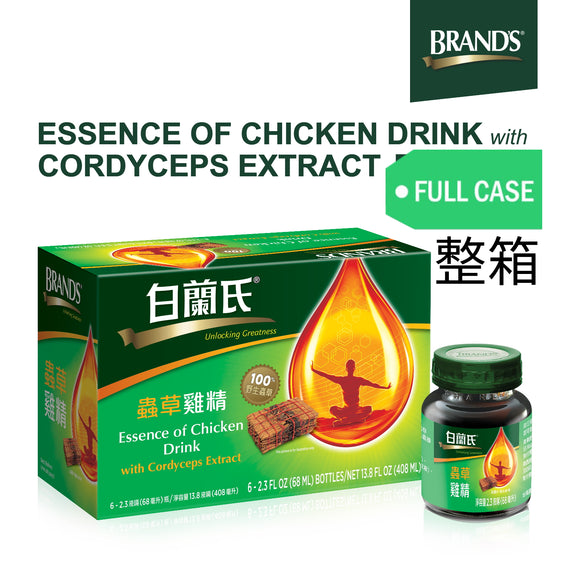
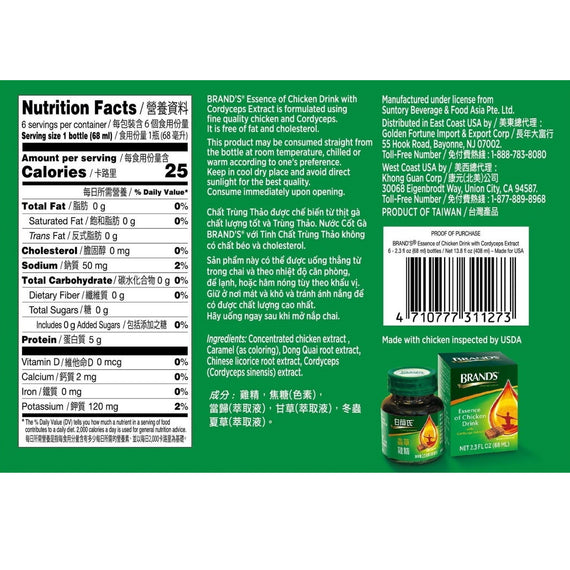

Beyond the Hype: A Deep Dive into the Medicinal Uses of Cordyceps
Cordyceps, often called the “zo...


Understanding Qi: Your Body's Vital Energy and How to Restore It Naturally
Imagine your body has ...
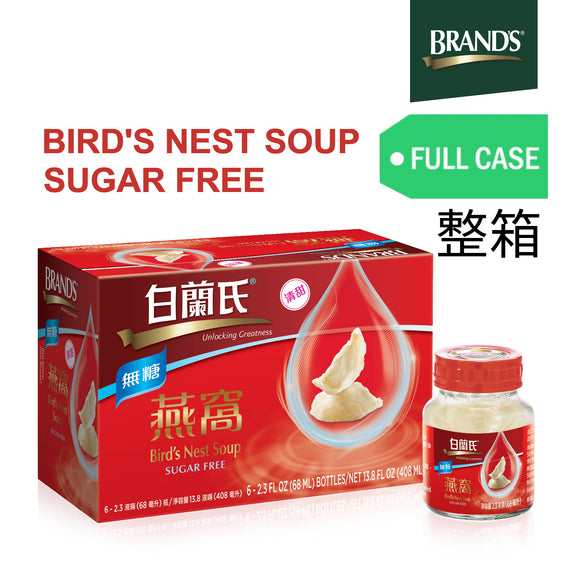
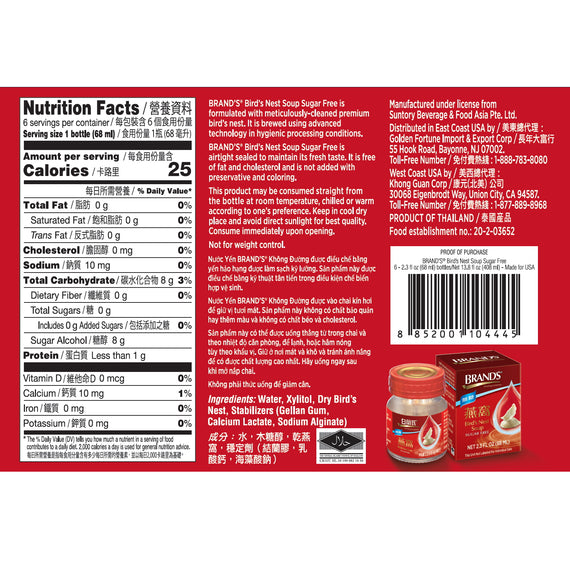
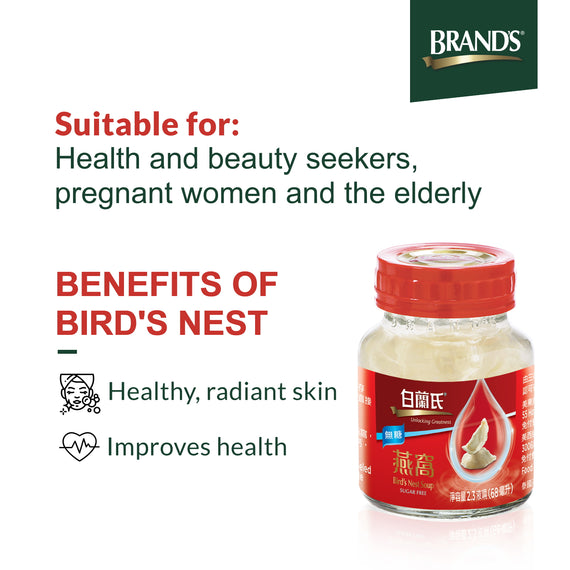
Within this promotion period, any purchase of 2-pack (2 x 6-bottle pack) of Brand's Bird Nest wil...
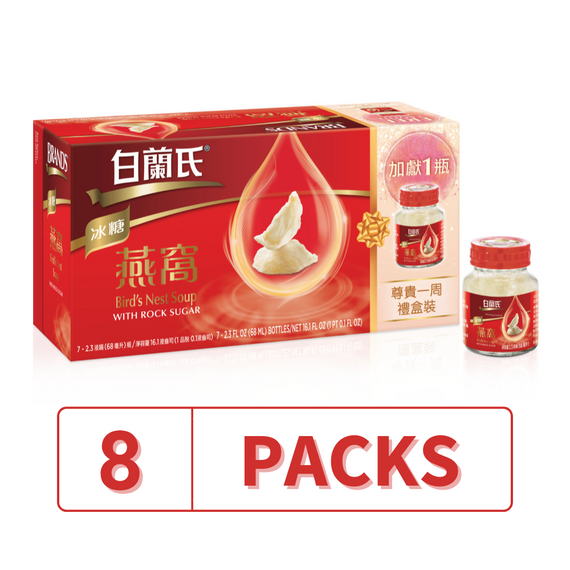
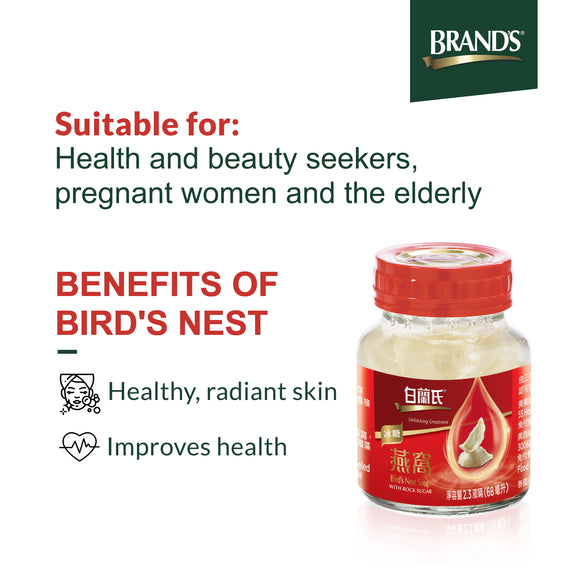
Within this promotion period, any purchase of 2-pack (2 x 6-bottle pack) of Brand's Bird Nest wi...
Within this promotion period, any purchase of 2-pack (2 x 6-bottle pack) of Brand's Bird Nest wil...
5 Ways to Elevate Your Cooking with Brand’s Chicken Essence
Move over, bouillon cubes and powdere...


The 180-Year-Old Secret to All-Day Energy (That Isn’t Coffee)
You’ve tried the energy drinks. Y...


Brand’s Essence of Ginseng vs. Regular Ginseng Energy Drinks: A Complete Comparison
Introduction...

Within this promotion period, any purchase of 2-pack (2 x 6-bottle pack) of Brand's Bird Nest wil...