Product successfully added to your shopping cart

Millets: The Ancient Grain Powering Your Modern Plate (And Why Your Gut Will Thank You)
Forget quinoa for a minute. There’s a family of ancient grains that have been nourishing civilizations for over 7,000 years, and they’re staging a major comeback for all the right reasons. Meet millets: the small-seeded, gluten-free powerhouses that are one of the world’s oldest cultivated foods, revered from the plains of Africa to the villages of Asia.
In our search for gut-friendly, climate-smart, and nutrient-dense foods, millets aren't just an alternative—they’re an upgrade. And while they might be new to your shopping list, their wisdom is deeply rooted in systems like Traditional Chinese Medicine (TCM), where food is the first line of defense for maintaining balance and energy.
Why Your Body is Craving Millets (The Science & The Wisdom)
From a modern nutrition standpoint, millets are a triple threat:
-
Gluten-Free & Gut-Loving: They are naturally gluten-free and packed with both soluble and insoluble fiber, acting as a prebiotic to feed your good gut bacteria.
-
Nutritional Powerhouses: Rich in magnesium (for muscle and nerve function), B vitamins (for energy), iron, and calcium.
-
Low Glycemic Index: They digest slowly, providing steady energy without spiking your blood sugar.
Through the lens of TCM, grains are considered the fundamental building blocks of "Qi" (vital energy) and are central to nourishing the Spleen and Stomach—the digestive system's engine room. Millets, specifically, are often categorized as sweet and neutral, meaning they help strengthen this digestive center without creating excessive heat or dampness in the body. They are seen as fortifying, easy to digest, and essential for building robust health.
Your Guide to the Millets Family
Think of millets as a versatile squad, each with a slightly different strength:
-
Pearl Millet: The most common globally. Great for porridge or as a fluffy rice substitute.
-
Foxtail Millet: A TCM favorite, considered especially beneficial for the spleen and stomach. Has a subtle, slightly sweet flavor.
-
Finger Millet: Famous in East Africa and India, incredibly high in calcium.
-
Sorghum: A larger kernel, perfect for popping like mini-popcorn or using in grain bowls.
-
Proso Millet: The classic "birdseed," but don’t let that fool you—it’s a mild, versatile option for baking.
4 Simple Ways to Make Millets Your New Kitchen Staple
You don’t need to overhaul your diet. Just swap them in.
1. The Ultimate Gut-Healing Breakfast Porridge
Why it works: This is your creamy, comforting morning reset. It’s easier to digest than oatmeal for many people and provides long-lasting fuel.
Make it: Rinse 1 cup of foxtail or pearl millet. Toast it lightly in a pot until fragrant. Add 3 cups of water or milk of choice and a pinch of salt. Simmer for 20-25 minutes until creamy. Stir in cinnamon, a dab of ghee or almond butter, and top with berries.
2. The "Better-Than-Rice" Pilaf
Why it works: It’s a fluffy, nutrient-dense side dish that pairs with everything from curry to grilled chicken, adding more fiber and minerals to your meal.
Make it: Cook 1 cup millet in 2 cups broth (like you would rice). Fluff with a fork. Sauté onions, mushrooms, and peas in a pan, then fold them into the cooked millet with a handful of chopped parsley and a squeeze of lemon.
3. The Crispy, Savory Veggie Burger
Why it works: Millets act as a perfect binder, holding patties together while adding a satisfying, slightly nutty crunch.
Make it: Mix 2 cups cooked (and cooled) millet with 1 can of mashed black beans, 1 egg or flax egg, ½ cup breadcrumbs, and your favorite spices (smoked paprika, cumin). Form into patties and pan-fry or bake until crispy. Serve with avocado.
4. The Soothing "Spleen-Toning" Soup
Why it works: This embodies the TCM principle of simple, warm, cooked foods to strengthen digestion. It’s healing, hydrating, and deeply nourishing.
Make it: In a pot of simmering vegetable or chicken broth, add ½ cup of rinsed foxtail millet, diced carrots, celery, and ginger. Cook for 20-25 minutes until the millet is soft and the soup is hearty. Finish with fresh herbs.
How to Start: Your Easy Millet Action Plan
-
Buy It: Find millet in the bulk bins or grain aisle of any well-stocked grocery store, health food store, or online.
-
Rinse It: Always give millets a quick rinse in a fine-mesh strainer under cold water to remove any bitterness.
-
Toast It (The Pro Tip): For maximum flavor, toast the rinsed grains in a dry saucepan for a few minutes until they smell nutty before adding your liquid. This elevates the taste dramatically.
-
Cook It: Use a 1:2.5 ratio (millet to water/broth) for fluffy results, or 1:3 for a creamier porridge. Simmer, covered, for 20-25 minutes. Let it steam off the heat for 5 minutes, then fluff.
Millets are more than a trend; they’re a return to foundational, intelligent eating. They represent a sustainable choice for the planet (requiring minimal water) and a strengthening choice for your body. Start with one pot of porridge or one batch of pilaf. Let this ancient grain bring its time-tested energy and balance to your very modern table. Your digestion—and your taste buds—will be glad you did.
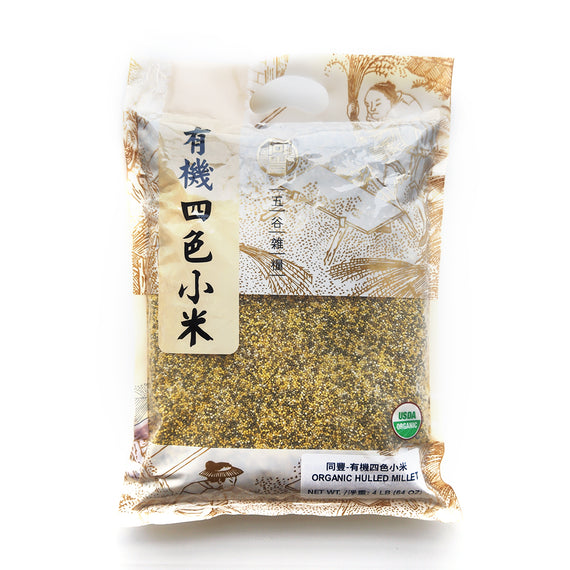
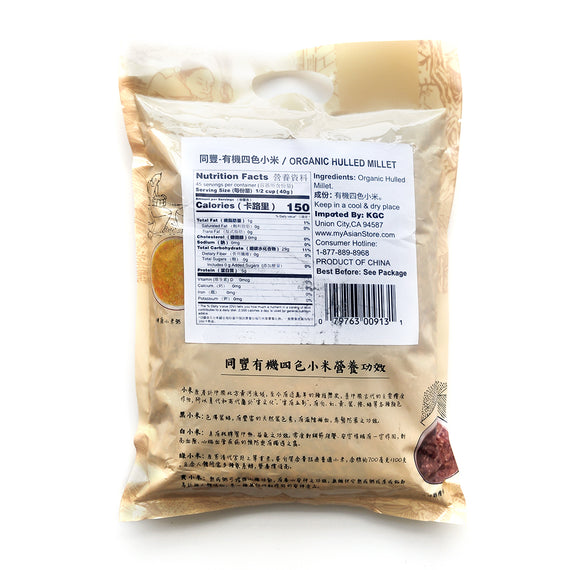
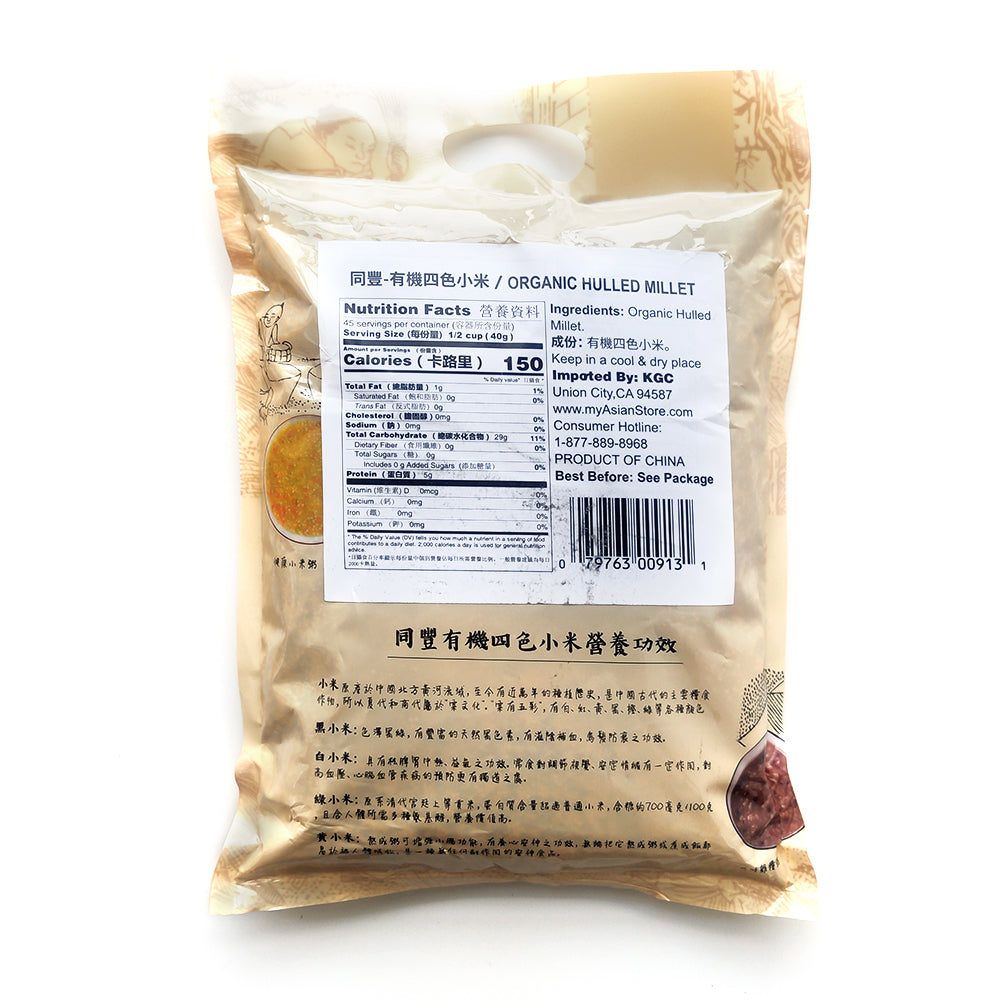
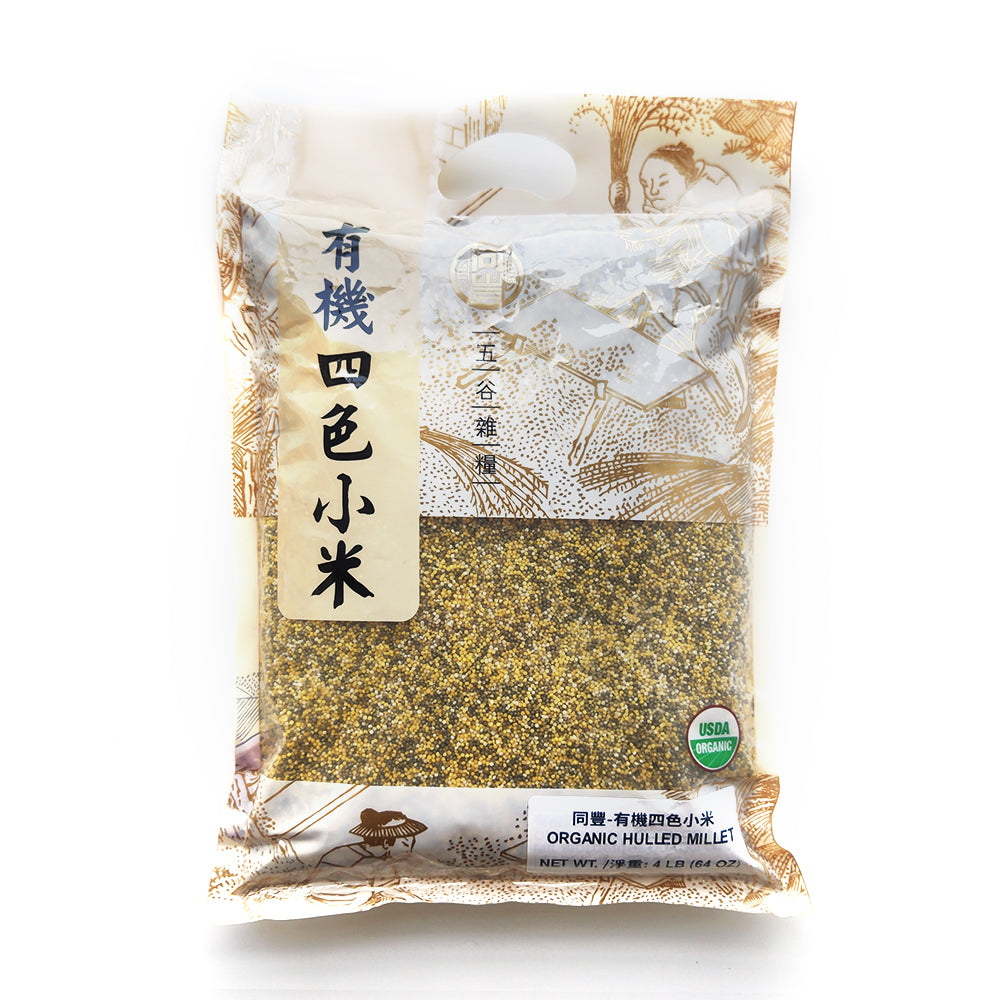
Net Weight: 4 lb
Country of Origin: China
小米含有多種維生素、氨基酸、脂肪和碳水化合物,營養價值較高。 。可單獨煮熬,亦可添加藜麥、大棗、紅豆、紅薯、蓮子、百合、龍眼肉、黑豆、薏米……等,熬成風味各異的營養品。小米磨成粉,可製糕點,美味可口。 《本草綱目》說,小米“治反胃熱痢,煮粥食,益丹田,補虛損,開腸胃。”